Wallaroo, on South Australia's Copper Coast, suits an easy two-hour drive from Adelaide via Port Wakefield, with October to April offering the most comfortable conditions and mid-morning visits best in summer. A relaxed two to three hours covers the flat, free public jetty, gentle swimming beach and heritage bond stores. Mobility needs are minimal thanks to flat, sealed foreshore paths, though there's no public transport, so a hire car or private vehicle is essential.
Why Wallaroo Works for a Day Trip
There's a particular pleasure in arriving somewhere that doesn't demand anything of you. Wallaroo, tucked into the upper Yorke Peninsula on South Australia's Copper Coast, is that kind of place. It has a jetty, a beach, a pub, a handful of heritage buildings and the kind of unhurried foreshore that makes an afternoon feel genuinely restorative rather than merely ticked off.
The drive from Adelaide takes around two hours via the A20 through Port Wakefield — a straightforward route on good roads, with a petrol stop at Port Wakefield if needed. There's no need to rush. Leave Adelaide by nine, and you'll reach Wallaroo with most of the day ahead of you. For travellers coming from Victoria, Wallaroo makes a natural stop on a broader Yorke Peninsula loop, though the drive from Melbourne is best broken into stages with a night in Adelaide first.
What makes Wallaroo particularly well-suited to over-50 travellers — especially those travelling solo — is the scale of the place. It's not sprawling. The key points of interest sit within easy flat walking distance of each other along the foreshore and town centre. You don't need a detailed plan. You can simply park near the jetty and let the day unfold.
The Jetty: Wallaroo's Long, Quiet Walk
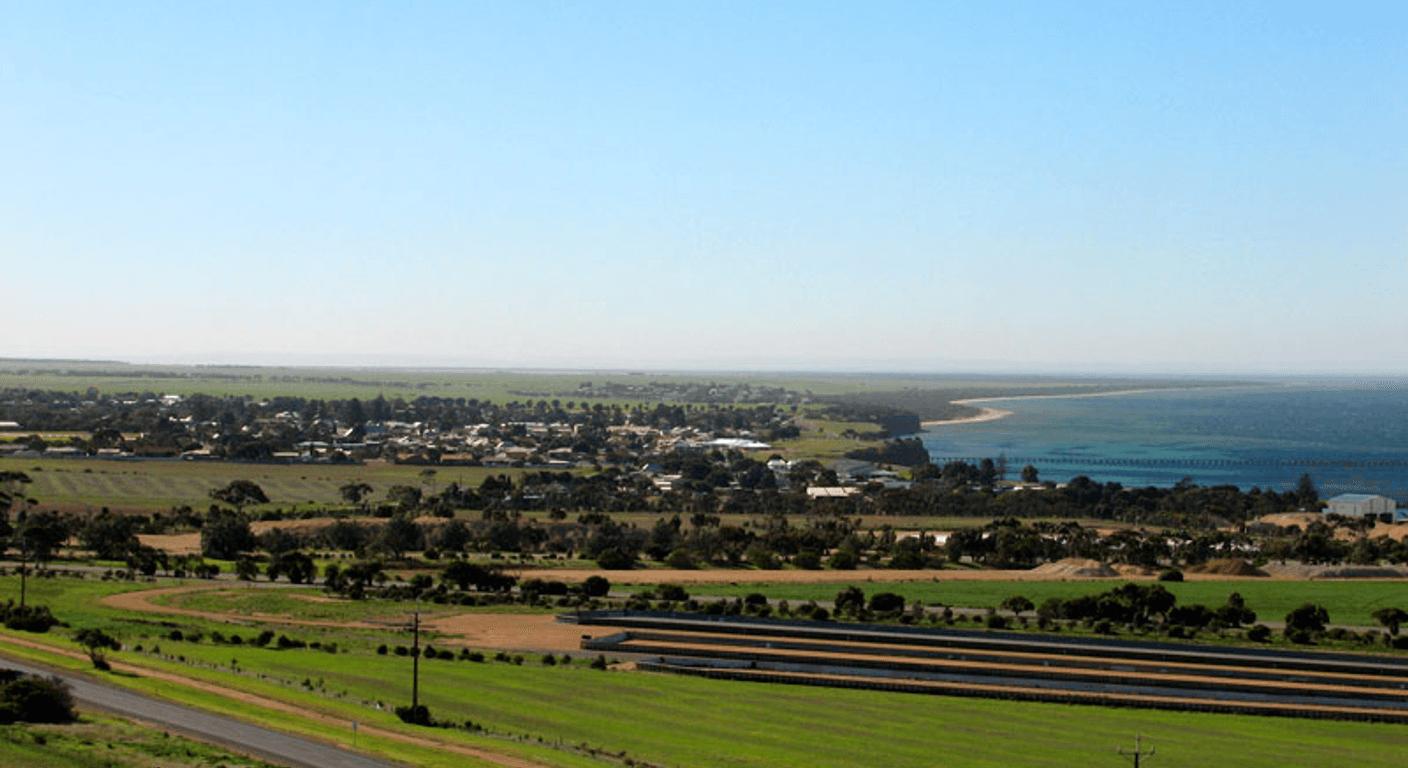
Wallaroo's public jetty stretches well out into the Spencer Gulf — long enough to feel like a genuine walk rather than a brief stroll, but entirely flat and manageable at any pace. The surface is solid timber decking, and there are rails along the sides. Anglers set up at intervals, and pelicans tend to hover with considerable self-assurance around anyone with a bag that might contain fish. The water beneath shifts from pale jade near shore to a deeper blue further out.
The jetty is free, open to the public, and one of those experiences that rewards slow walking more than fast. On a clear spring or autumn morning, the light on the Gulf is worth the drive alone. There's no fee, no booking, no timed entry. You simply walk out, pause as often as you like, and walk back. For someone travelling solo, it's the kind of activity that feels complete in itself — neither lonely nor demanding.
Seating is available along the foreshore near the jetty entrance. If the sun is strong, a broad-brimmed hat and sunscreen are non-negotiable — there's limited shade on the jetty itself. Timing a visit for mid-morning before the afternoon heat builds is the sensible approach in summer. October through to early December and again through March and April tend to offer the most pleasant conditions.
The Beach: Gentle Entry, Wide and Calm
Wallaroo's main beach curves along the foreshore with a wide, sandy entry and notably gentle gradient into the water — the kind of beach that suits those who prefer to wade in slowly rather than dive headlong. The Gulf waters here are generally calmer than ocean-facing beaches, sheltered enough for a comfortable swim without strong surf. In warmer months, the water temperature is pleasant for a mid-morning dip.
The foreshore path runs alongside the beach and is flat and sealed, making it accessible for those using walking aids or who simply prefer a firm surface. Benches are positioned at reasonable intervals. Fish-and-chip options are close by — Wallaroo has a small but reliable collection of takeaway and café options near the town centre, and eating on the foreshore with a view of the Gulf is one of the town's better simple pleasures.
For a solo traveller, the beach and foreshore feel safe and sociable without being crowded. On weekdays outside school holidays, Wallaroo is genuinely quiet. Locals are friendly in the unhurried way of small regional towns — the kind of place where a nod and a comment about the weather turns into a ten-minute conversation about where you're from and whether you've tried the local whiting.
Copper Coast Heritage: The Bond Stores and the Museum
Wallaroo's identity is inseparable from copper. In the second half of the nineteenth century, this was a working port exporting ore from the mines at Kadina and Moonta — the so-called 'Little Cornwall' of the Yorke Peninsula, settled largely by Cornish miners. The heritage bond stores along the foreshore are among the most tangible reminders of that industrial past: solid stone buildings that once held copper ore awaiting shipment, now standing as a recognised heritage precinct.
The Wallaroo Heritage and Nautical Museum, housed in the old post office building near the town centre, tells this story with some care. Exhibits cover the copper era, the maritime history of the port, and the Cornish community that shaped the region's culture — including, for the food-curious, the pasty tradition that still turns up at local bakeries. Entry involves a small fee; confirm current prices and opening hours directly before visiting, as regional museums often operate reduced hours or by prior arrangement.
For someone with an Italian Australian background and an instinct for cultural layering, there's something quietly interesting in recognising how deeply Cornish identity shaped this corner of South Australia — a different migrant story to the Italian experience in Victoria, but recognisably shaped by the same impulse to transplant community and tradition into unfamiliar country. The museum is modest in size, which means an hour is comfortable rather than rushed.
Eating, Resting and Pacing the Day
Wallaroo's food scene is unpretentious and practical, which suits a day trip perfectly. The local fish-and-chip shops deliver what the Gulf Coast promises — fresh whiting and flathead are the regional staples. There are cafés in the town centre for coffee and a light lunch. The pace of service in a small regional town like this tends to be unhurried, which is either charming or frustrating depending on your mood; arriving with nowhere to be makes it charming.
Facilities near the foreshore include public toilets, which is a detail worth knowing and rarely noted in travel writing but genuinely useful for a day spent walking. Parking is straightforward and generally free near the jetty and foreshore area. If you're driving, the return trip to Adelaide allows for a different route via Kadina or Moonta if you want to extend the day slightly and see more of the Copper Triangle — both towns have their own heritage precincts and are worth a brief stop.
Pacing matters on a day trip like this. The temptation with a 'small' destination is to rush through it and feel you've not had enough. Wallaroo rewards the opposite approach: walk the jetty slowly, sit on the beach for longer than seems necessary, linger over lunch. Two or three unhurried hours in the town leaves you satisfied rather than restless, and the drive home through the peninsula's wide open farmland is pleasant in afternoon light.
Practical Matters: Getting There and Getting Around
Wallaroo is best reached by car from Adelaide — roughly two hours, depending on traffic leaving the city. The route via Port Wakefield on the A20 is the most direct. There is no regular public transport connection to Wallaroo that makes a day trip practical, so a hire car or private vehicle is the realistic option. For Victorian travellers, Adelaide is the logical base: fly into Adelaide Airport and pick up a hire car, or join a small-group touring itinerary that includes the Copper Coast.
Accommodation in Wallaroo is available for those wanting to stay overnight — the town has caravan parks, motels and holiday rentals — but as a day trip from Adelaide, an overnight stay isn't necessary. If you're combining Wallaroo with Kadina and Moonta, a single night on the peninsula makes the pace more relaxed and allows an early morning on the jetty before the day warms up.
Travel insurance is worth reviewing before any regional road trip, particularly for solo travellers. Confirm that your policy covers driving in regional South Australia and, if relevant, any pre-existing medical conditions. Mobile coverage in parts of the Yorke Peninsula can be patchy — download offline maps before leaving Adelaide and carry water and snacks in the car, particularly in summer.
Is Wallaroo Right for You?
Wallaroo isn't for travellers who need a packed itinerary to feel they've had a worthwhile day. It's for those who've reached the point of knowing that a long walk on a quiet jetty, a good piece of fish and a heritage building with an interesting story is, in fact, a very good day indeed. That's not a consolation prize. It's a considered preference.
For solo female travellers in particular, Wallaroo offers something that larger tourist destinations sometimes don't: a sense of ease. The town is small enough to feel oriented quickly, the foreshore is open and well-used, and the general atmosphere is relaxed and safe. Travelling solo through regional South Australia tends to attract friendly curiosity rather than indifference — people notice you and are generally glad you've come.
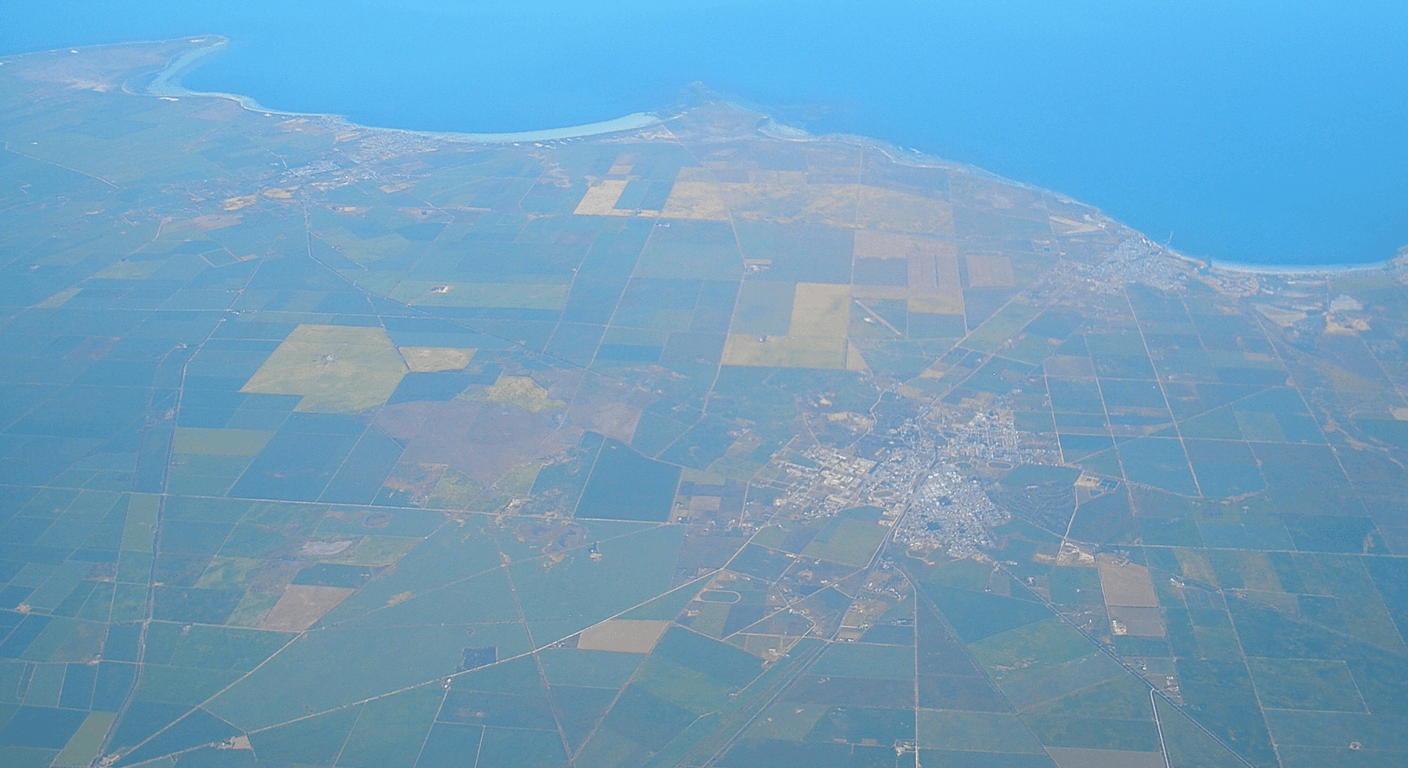
The Copper Coast as a whole — Wallaroo, Kadina, Moonta — offers a coherent regional experience that rewards a day or two of attention. Wallaroo is the coastal anchor of that trio, and its jetty and foreshore are the most immediately accessible introduction to the area for anyone arriving without a detailed plan. Start here, and the rest of the peninsula reveals itself at whatever pace suits you.
Quick planning guide
| Ideal pace | Slow and unhurried — two to three hours is enough |
|---|---|
| Best months | October to early December and March to April, with mid-morning visits in summer |
| Suggested stay | Half-day trip, or one night if combining with Kadina and Moonta |
| Mobility level | Easy — flat jetty and sealed foreshore paths suit walking aids |
| Cost level | Budget-friendly — jetty, beach and foreshore are free; museum has a small entry fee |
| Comfort level | Comfortable — benches, toilets and takeaway food nearby |
| Best for | Solo and over-50 travellers wanting an unhurried coastal day trip |
| Main planning consideration | No public transport, so a hire car is needed; check museum opening hours before visiting |
Key takeaways
- Wallaroo's public jetty is flat, free and long enough to feel like a proper walk — no booking, no fee, no rush.
- The beach has a gentle entry and calm Gulf waters, making it one of South Australia's most accessible swimming spots for older travellers.
- The drive from Adelaide takes around two hours via Port Wakefield — a straightforward route on good regional roads.
- The Heritage and Nautical Museum covers the Copper Coast's Cornish mining past; confirm opening hours before visiting as they can vary.
- Everything essential in Wallaroo — jetty, beach, foreshore walking — is free; the museum charges a small entry fee.
- October to April offers the most comfortable conditions; midsummer heat can be significant, so time your visit for mid-morning if travelling in December or January.
Recommended partners and links
Indicative prices only — always confirm with the operator before booking.
Frequently asked questions
How far is Wallaroo from Adelaide?
Wallaroo is approximately two hours by car from Adelaide, travelling via the A20 through Port Wakefield. There is no practical public transport connection for a day trip, so a car — hired or private — is the realistic option.
Is Wallaroo suitable for travellers with limited mobility?
Yes. The Wallaroo foreshore is largely flat with sealed paths, ample seating and accessible public facilities. The jetty is flat timber decking with railings. The town centre is compact and walkable. It's rated Easy for mobility.
What does it cost to visit Wallaroo for the day?
The jetty, beach and foreshore are all free. The Wallaroo Heritage and Nautical Museum charges a small entry fee — confirm the current price directly with the museum before visiting, as fees and hours can change.
When is the best time of year to visit Wallaroo?
October through April offers warm, settled weather suited to beach and jetty walking. Midsummer (December to February) can bring extreme heat; if visiting then, aim for a mid-morning start and carry water. Autumn and spring are generally the most comfortable.
Can you combine Wallaroo with other Copper Coast towns in a single day trip?
Yes. Wallaroo, Kadina and Moonta form the 'Copper Triangle' and are within short driving distance of each other. Combining all three in a single day is possible but makes for a full day; including just Kadina or Moonta alongside Wallaroo is a more relaxed option.