Waroona, on the South Western Highway about 95 kilometres (roughly an hour) south of Perth, is best visited April to October for milder weather and active birdlife. It suits a half-day stop within a longer Peel or South West drive. The highlight is Lake Navarino and Drakesbrook Weir, two free, flat walks for spotting black swans and wetland birds. Mobility is easy, though a car is essential as there is no train service.
Where exactly is Waroona, and how do you get there from Perth?
Waroona sits on the South Western Highway about 95 kilometres south of Perth — roughly an hour's drive, traffic permitting. The route is straightforward: take the Kwinana Freeway south, then continue on the South Western Highway through Pinjarra. It's the kind of drive where the suburbs thin out gradually and the paddocks take over, which is pleasant enough in itself.
There's no passenger train service to Waroona, so a car is the practical choice. For a group of friends travelling together, that's rarely an obstacle — and the drive through the Peel Region gives you the option of stopping at Mandurah or Pinjarra along the way. Confirm current road conditions with Main Roads WA (mainroads.wa.gov.au) if travelling after heavy winter rain, as some rural roads in the region can be affected.
Lake Navarino: what to expect at the foreshore
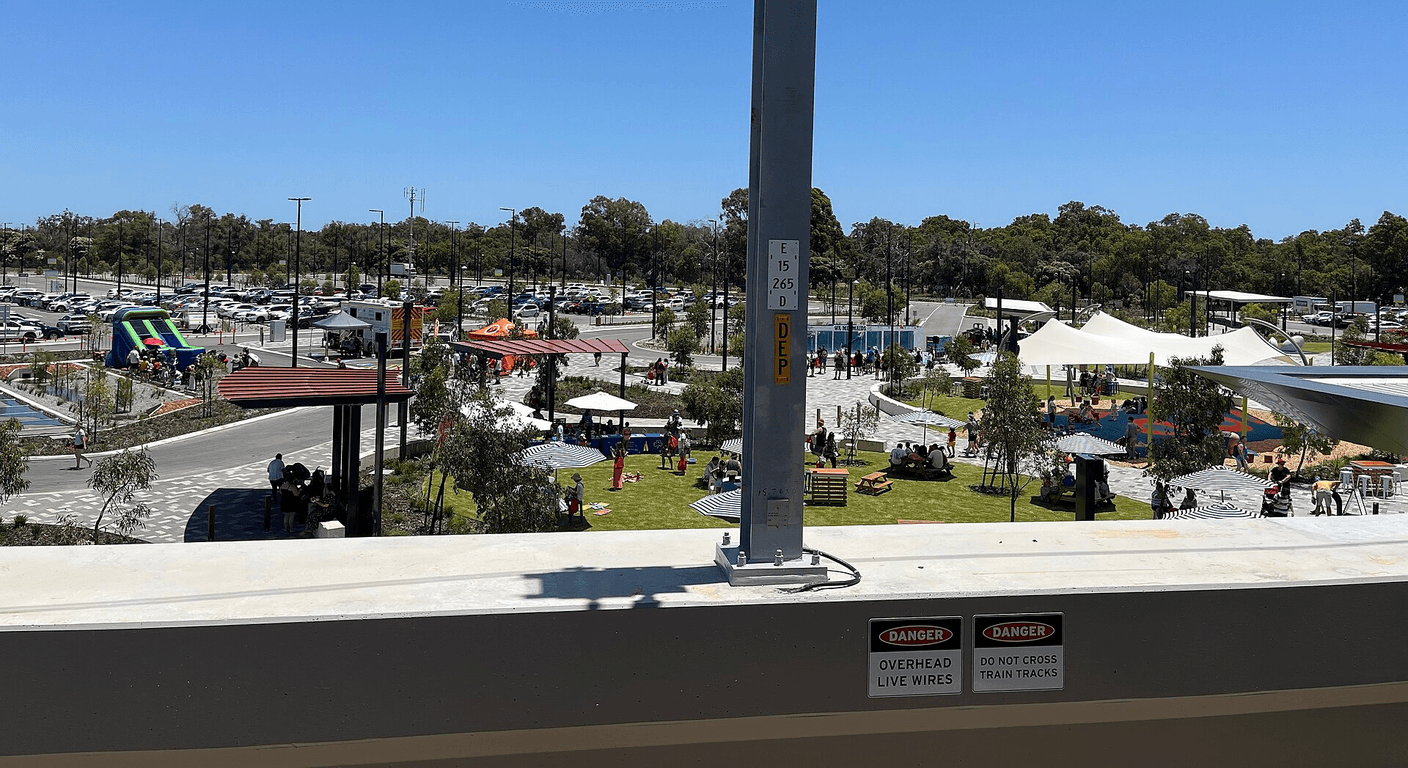
Lake Navarino is the more immediately welcoming of Waroona's two water stops. The foreshore parkland is open, grassy and largely flat, with picnic facilities and a car park that makes it easy to arrive, stretch your legs and take your time without any sense of commitment. The lake itself is a significant wetland — designated under the Directory of Important Wetlands in Australia — and the birdlife reflects that status.
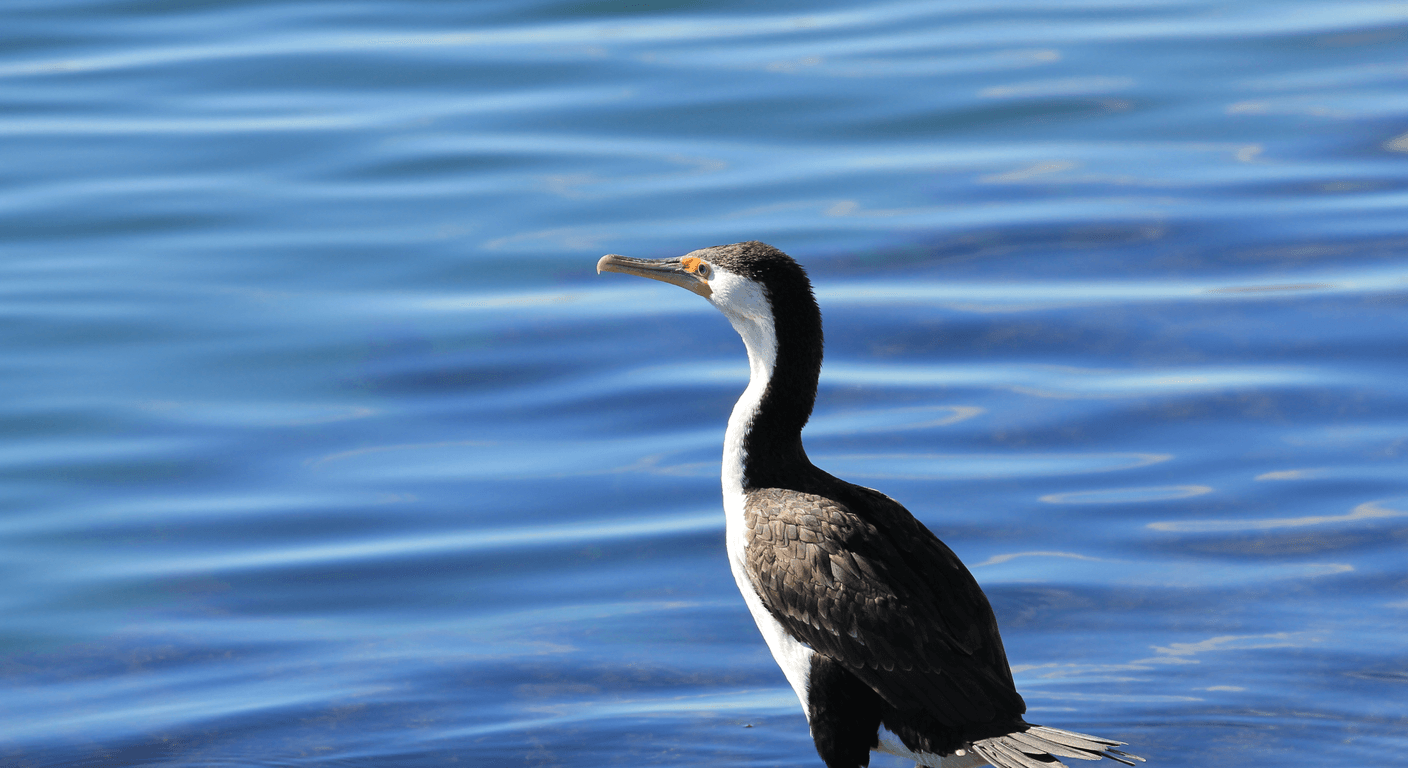
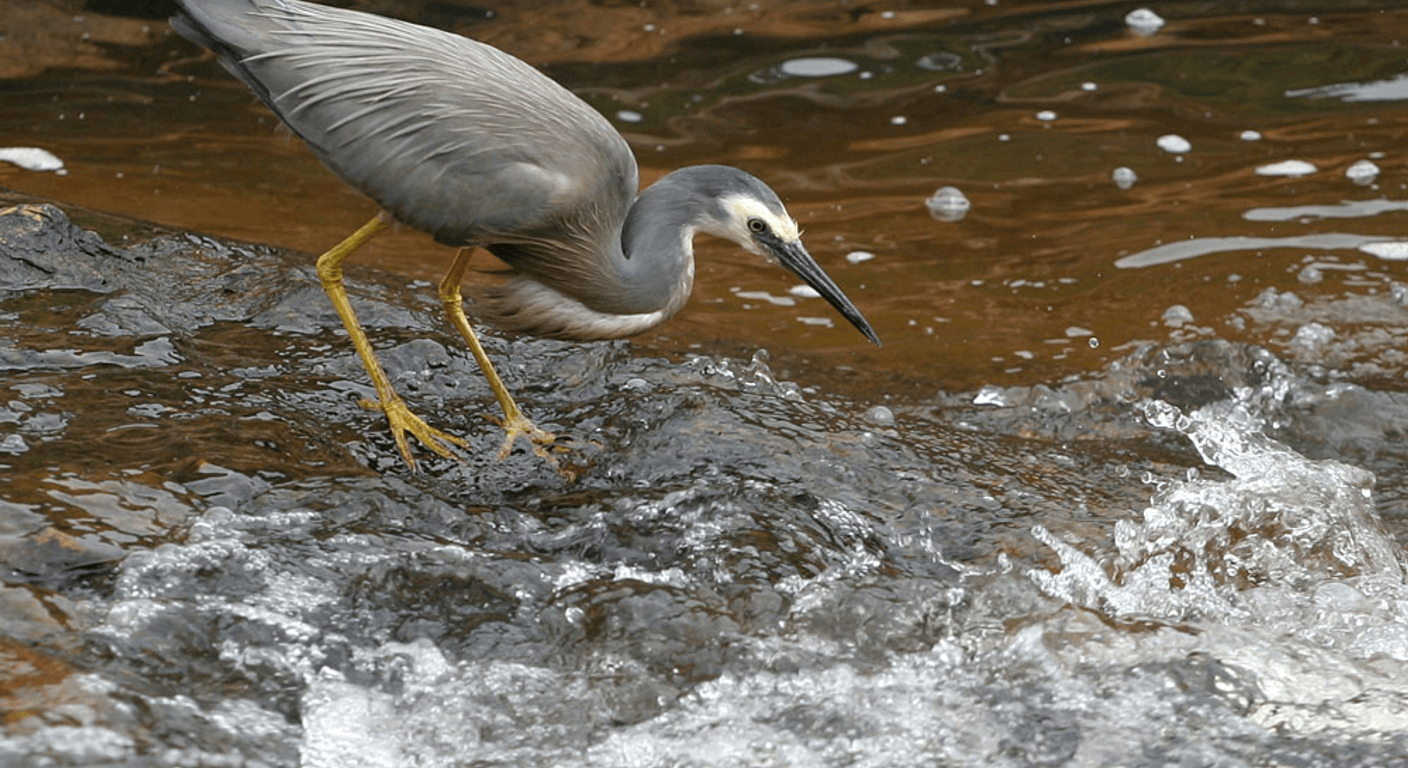
Black swans move across the surface with the unhurried confidence of birds that know nobody's rushing them. Depending on the season, you might spot royal spoonbills, herons and various duck species working the shallows. April through to September tends to bring the most activity, when migratory and resident species overlap. A pair of binoculars is worth the bag space.
The path along the foreshore is gentle and well-suited to anyone who wants a solid thirty-to-forty-minute walk without steep gradients. There are shaded areas, though the shade thins out on the open sections — a hat and sunscreen apply even in the cooler months, as WA sun doesn't negotiate.
Drakesbrook Weir: the older, quieter walk
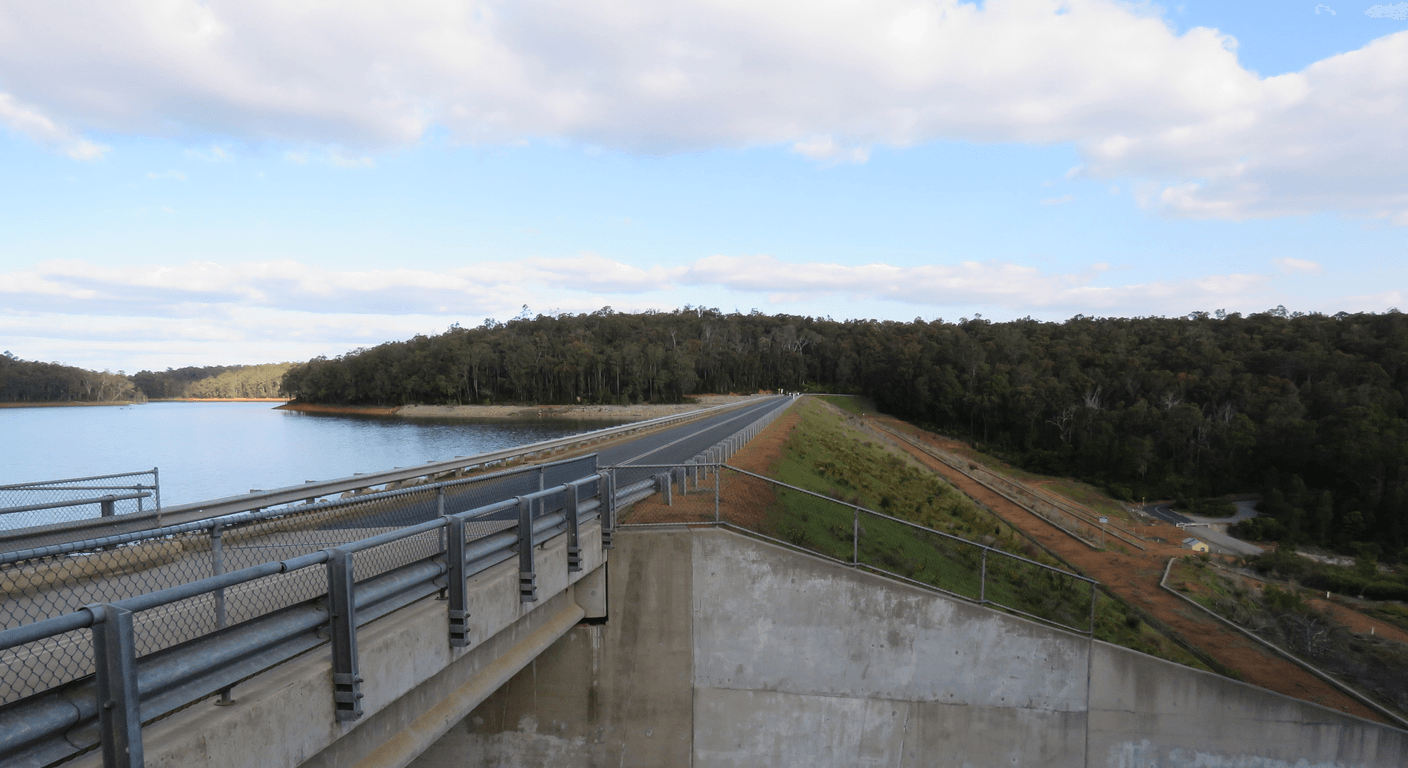
A short drive from the lake brings you to Drakesbrook Weir, which has a different character entirely. Built in the early twentieth century, the weir and its surrounds feel less manicured than the foreshore parkland — more textured, with mature trees and a sense that the landscape has been left largely to itself. That's part of the appeal.
The walking track along the weir is short and flat, with views across the water and into the bush fringing the banks. It's the sort of place where you find yourself pausing not because you're tired, but because something caught your eye — a cormorant drying its wings on a fallen branch, or the way the light sits on the water in the morning. Entry is free. Facilities are minimal, so it's worth visiting Lake Navarino first if you need the amenities there.
For a group of friends who appreciate a bit of quiet conversation alongside a walk, the weir is the better spot. It's less about ticking off a landmark and more about spending an hour somewhere genuinely peaceful.
Local honey: Waroona's small-scale food story
The Peel Region has a long association with agriculture, and Waroona's contribution includes locally produced honey, sold through a handful of small outlets in town. It's not a farmers' market experience — the town is modest in scale — but picking up a jar of local honey is a satisfying, tangible souvenir from a region that doesn't push itself hard as a tourism product.
Ask locally about which outlets are currently stocking honey, as small producers' availability can shift. The Waroona IGA or a quick question at a local café will usually point you in the right direction. It's the kind of small pleasure that travels well in the back of the car and makes a decent gift — or simply something good on toast back at the accommodation.
Eating and drinking: be realistic about what's available
Waroona is honest about what it is: a small agricultural town, not a café strip. There are limited dining options in town, and hours can be unpredictable. Arriving with expectations calibrated to a regional hub will lead to frustration. Arriving with a packed morning tea and a plan for lunch elsewhere — that works.
Mandurah, about 35 kilometres north, has a solid range of cafés and waterfront dining and makes a natural bookend to the day if you're heading back to Perth. Harvey, roughly 40 kilometres south, is another option if you're continuing down the South West. Both are easy drives on the highway. Confirm café hours before you go, particularly on weekdays when regional towns can be quieter than expected.
Carrying a small esky with water, fruit and something to eat is simply practical here — and it means you're not clock-watching when you'd rather be watching birds.
How does Waroona fit into a broader Peel or South West itinerary?
Waroona works best as one stop among several rather than the centrepiece of a day. A logical sequence might start in Mandurah for a morning coffee and a look at the estuary, move south to Waroona for the lake and weir, then continue to Harvey for lunch before heading back north or pressing on toward Bunbury or the Margaret River Region.
For grey nomads with a van or motorhome, the Peel Region offers powered sites in Mandurah and Pinjarra, with Waroona itself having basic facilities at the foreshore — confirm current availability through the Shire of Waroona (waroona.wa.gov.au) before assuming overnight options. The South Western Highway is a well-maintained, straightforward drive that doesn't demand much of the driver, which is its own kind of comfort on a long touring day.
Travelling in a group, the combination of two free nature stops, a jar of local honey and a good lunch somewhere along the highway adds up to a day that feels full without being exhausting. That balance matters more than it sounds.
Practical considerations: what to bring and when to go
The most comfortable window for visiting Waroona is April through to October. Summer in the Peel Region can push into the high thirties, and while the wetlands are still there, the experience of walking in that heat is a different proposition. The cooler months bring softer light, more birdlife and the genuine pleasure of being outside without the sun as an adversary.
Footwear with grip is sensible — the weir track can be uneven in patches, and wet winter conditions can make grassed areas slippery. Sunscreen, a hat and water are non-negotiable regardless of season. Mobile coverage in Waroona is generally adequate on major networks, but the Parks and Wildlife areas can be patchier — download offline maps before leaving.
There are no entry fees at either the lake foreshore or the weir. Parking is available at both sites. Toilets are available at the Lake Navarino foreshore; facilities at the weir are more limited — plan accordingly.
Quick planning guide
| Ideal pace | Slow-paced and unhurried |
|---|---|
| Best months | April to October |
| Suggested stay | Half-day stop as part of a longer Peel or South West drive |
| Mobility level | Easy — flat, gentle paths at both the lake and weir |
| Cost level | Free (no entry fees at Lake Navarino or Drakesbrook Weir) |
| Comfort level | Basic — good facilities at the lake foreshore, minimal at the weir |
| Best for | Birdwatchers and groups of friends wanting a quiet nature pause |
| Main planning consideration | No train service, so a car is essential, and dining options in town are limited |
Key takeaways
- Lake Navarino and Drakesbrook Weir are both free, flat and genuinely rewarding for birdwatchers and anyone who values a quiet hour beside open water.
- Waroona is about 95 kilometres south of Perth on the South Western Highway — a straightforward hour's drive with no tolls.
- April to October offers the most comfortable conditions and the most active birdlife at the wetlands.
- Café options in Waroona are limited; plan meals in Mandurah or Harvey before or after the stop.
- Local honey sold through small town outlets makes a low-fuss, genuinely local keepsake from the visit.
- Waroona works best as one considered stop within a broader Peel or South West driving itinerary, not as a standalone day destination.
Recommended partners and links
Indicative prices only — always confirm with the operator before booking.
Frequently asked questions
Is Waroona worth visiting as a day trip from Perth for older travellers?
Yes, if you're combining it with other Peel Region stops. On its own, Waroona offers two to three hours of easy, free walking at Lake Navarino and Drakesbrook Weir, with good birdlife and no entry cost. It's best suited to travellers who appreciate a quiet, unhurried nature stop rather than a packed itinerary.
Are the walks at Lake Navarino and Drakesbrook Weir suitable for people with limited mobility?
The Lake Navarino foreshore path is largely flat and gravel-surfaced, making it accessible for most older walkers and those with mild mobility considerations. The Drakesbrook Weir track is also relatively flat but slightly less manicured — sensible footwear with grip is advisable. Neither walk involves significant elevation change.
What is the best time of year to visit Waroona for birdwatching?
April through to September is generally the most rewarding period, when cooler temperatures coincide with high waterbird activity at Lake Navarino. The wetland is a listed important wetland, and species including black swans, royal spoonbills and herons are regularly present. Bring binoculars for the best experience.
Are there cafés or restaurants in Waroona?
Waroona has very limited café and dining options, and hours can be inconsistent. Travellers are advised to carry their own snacks and water, and to plan a proper meal in Mandurah (about 35 kilometres north) or Harvey (about 40 kilometres south). Confirm any local café hours before arriving, particularly on weekdays.
How do I get to Waroona from Perth without a car?
There is no direct passenger train service to Waroona. The town is most practically reached by car via the South Western Highway. Transperth services extend to Mandurah, from where private transfer or car hire would be needed to reach Waroona — confirm current options at transperth.wa.gov.au before travel.