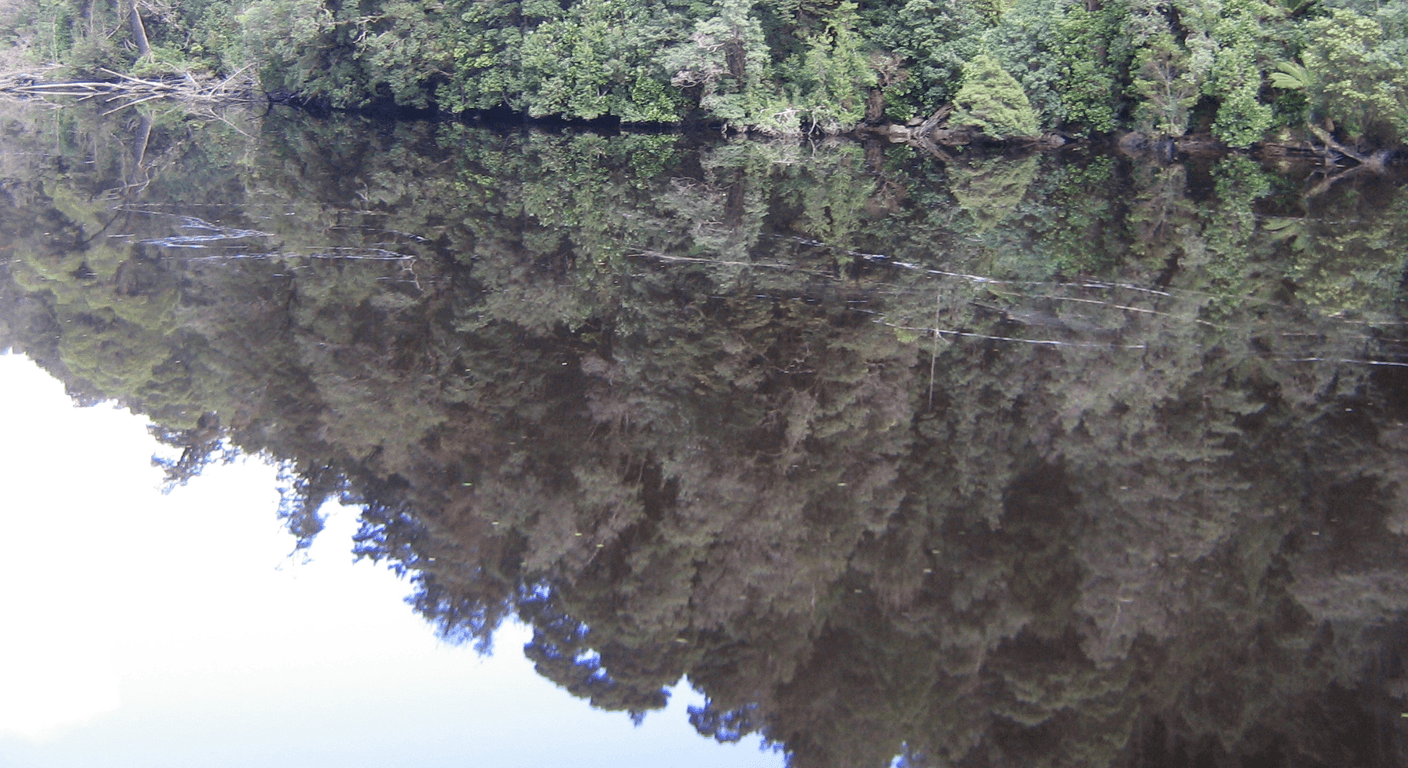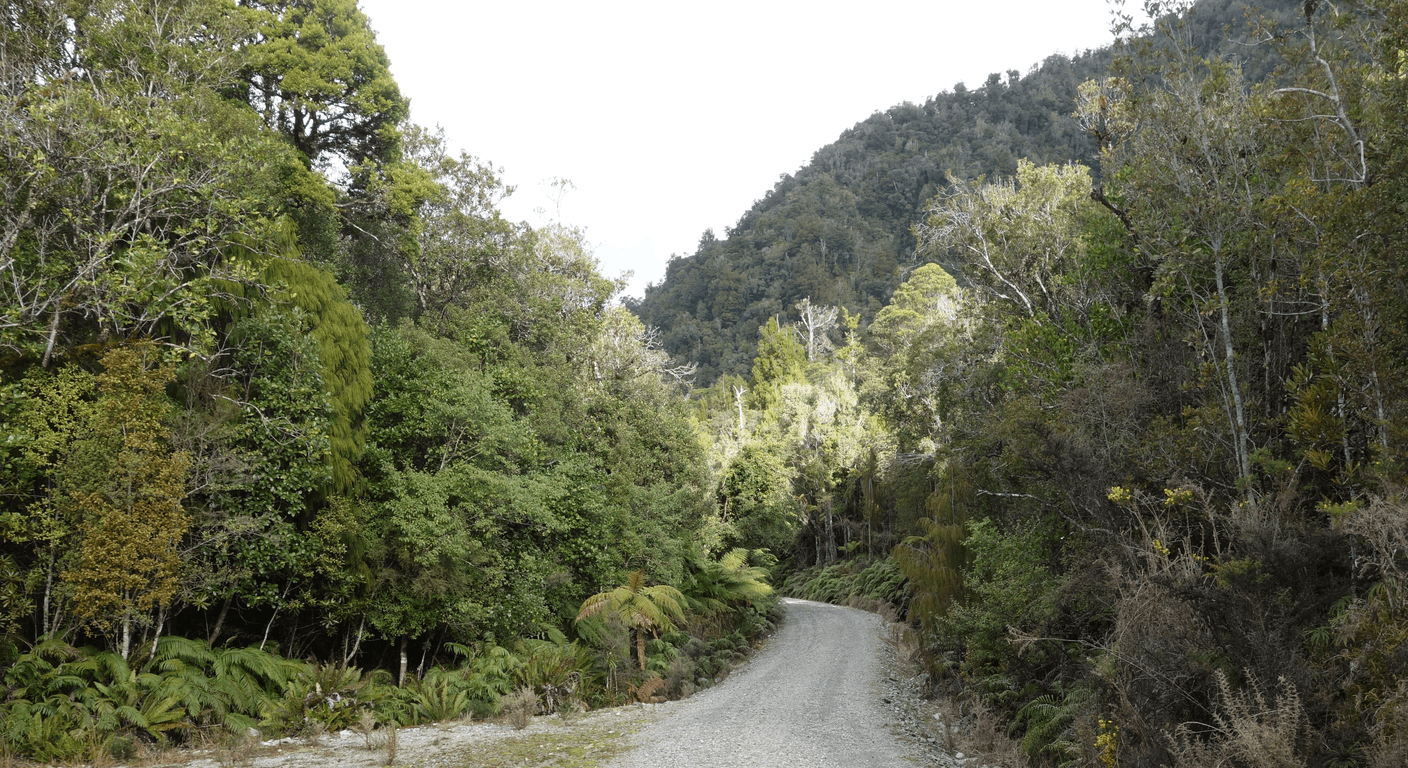
The West Coast Wilderness Railway climbs a rack-and-pinion section through King River gorge rainforest between Queenstown and Strahan, terrain no road reaches. The half-day return trip takes about four hours one way; an overnight stay in Queenstown extends it into a fuller visit. Seated throughout with no walking required, it suits any fitness level. Travellers fly into Hobart and self-drive about three to three and a half hours west, as no direct public transport exists.
What makes the West Coast Wilderness Railway different from other heritage train journeys?
Most heritage railways in Australia follow flat valley floors or coastal plains. The West Coast Wilderness Railway does something genuinely different: it climbs a rack-and-pinion section so steep that standard rail adhesion cannot hold the train on the gradient. Steel teeth on the locomotive mesh with a toothed rack laid between the rails, inching carriages up through King River gorge rainforest that remains inaccessible by road. That engineering fact alone makes it worth the trip from regional Victoria.
The line was built in the 1890s and early 1900s to serve the copper mines of Queenstown, hauling ore down to Strahan's harbour on Macquarie Harbour. After closure in 1963 and decades of lobbying, it was rebuilt and reopened in 2002. The restoration respected the original alignment, meaning passengers travel the same route as the miners did — through horizontal scrub, temperate rainforest, and gorge country that looks almost unchanged from that era.
For a group of friends travelling together, that shared sense of moving through genuinely remote country is part of what makes the conversation flow. There is no need to keep up with a walking group or manage your own navigation. You sit, watch the forest press close to the windows, and let the railway do the work.
How does the rack-and-pinion section actually feel to ride?
The Abt rack section climbs roughly 265 metres over a short distance near the Queenstown end of the line. Inside the carriage the sensation is a slow, deliberate grind upward — audible and felt through the seat — rather than anything jarring. The train moves at a pace that lets you watch individual tree ferns pass the window. It is more meditative than dramatic, though the view down into the gorge when it opens up is genuinely striking.
Station stops along the way allow passengers to step out briefly, stretch, and take photographs. The stops are not long walking excursions — they are platform-level pauses — so there is no pressure on anyone who prefers to stay seated. The carriages are comfortable and enclosed, with heating available, which matters on Tasmania's west coast where the weather can shift without much notice even in summer.
The full journey from Queenstown to Strahan takes roughly four hours one way, covering about 35 kilometres of track. Half-day return trips operate from either end, meaning you can join from Queenstown or Strahan depending on where you are basing yourself. Check the current schedule with the operator directly, as departure times vary by season.
What are the carriage class options and what should a group expect to pay?
The railway offers different carriage classes, broadly ranging from standard seated to premium heritage carriages with more space and, on some services, refreshments included. Indicative fares for the return half-day trip have been in the range of around $120 to $180 per person depending on class and season, but these figures should be treated as a rough guide only. Confirm current pricing and any group booking options directly at wcwr.com.au before you plan your budget.
For a group of four or five friends, it is worth asking the operator about group rates when booking. Even without a formal group discount, booking seats together in a premium carriage turns the journey into something more like a private celebration of the landscape. There is table seating in some configurations, which suits travelling companions who want to share the experience rather than sit in rows.
Keep in mind that the railway is a popular experience and services have limited capacity. Booking ahead is sensible, particularly if you are travelling in the summer school holiday period or around Easter. The operator's website is the most reliable source for current availability.
Why does Queenstown deserve an overnight stay rather than a quick visit?
Queenstown is one of the most visually unusual towns in Australia. The hills surrounding it were stripped of vegetation by a century of copper smelting and acid rain, leaving bare, multi-coloured slopes of ochre, rust, and grey-green. The effect is eerie and genuinely beautiful in its own way — a landscape that looks like no other Australian town. It rewards time spent looking, not just a glance from a tour bus window.
The town has a working-class mining history that is told well at the local museum and through its architecture. The Empire Hotel, built in 1901, is a landmark of that era and still operates as accommodation. Walking the main street takes about twenty minutes at a comfortable pace, and the surrounding hills offer short lookout walks for those who want them — though none are required to appreciate the place. Queenstown is a town that suits an unhurried morning with coffee and conversation.
For a group of friends from regional Victoria, Queenstown has a resonance that is hard to place at first — the sense of a community built around extraction and endurance, surrounded by wild country. It is not a polished tourist precinct. That is part of its value. Staying overnight means you see it in evening light, when the coloured hills shift tone entirely, and you are not rushing to catch a coach back to Hobart.
How do you get to Queenstown and Strahan from regional Victoria?
The most practical route from regional Victoria is to fly into Hobart from Melbourne (Tullamarine or Avalon) and hire a car for the drive west. The drive from Hobart to Queenstown via the Lyell Highway takes roughly three to three and a half hours and is one of the more dramatic drives in Tasmania — the descent into Queenstown on the old road, past the bare hills and hairpin bends, is an arrival worth experiencing slowly. An overnight stop in Derwent Bridge near Lake St Clair is a reasonable way to break the journey.
Strahan is about an hour north of Queenstown on the west coast road. The two towns are easy to combine in a loop: arrive in Queenstown, ride the railway to Strahan, spend a night at each end, and return to Hobart via the same highway or the slightly longer northern route through Cradle Mountain country if time allows. Hiring a car gives the group flexibility that coach tours do not.
There is no direct public transport connecting Hobart to Queenstown on a schedule that suits independent travellers well. Self-driving or joining a small-group tour that includes the railway is the practical reality for most visitors from the mainland. Discover Tasmania's website at discovertasmania.com.au has itinerary suggestions and a directory of local operators if a guided option is preferred.
What is the accessibility situation on the West Coast Wilderness Railway?
The railway is seated throughout with no requirement to walk distances or manage uneven terrain beyond the station platforms. For travellers who are mobile but prefer not to stand for long periods, or who tire easily on walking tours, it is a genuinely comfortable way to experience remote country. The carriages have windows designed for viewing and the pace is slow enough that nothing is missed by staying in your seat.
Platform access at Queenstown and Strahan stations involves some steps in the boarding process. The operator should be contacted directly if any member of your group uses a mobility aid or has specific access requirements, as the ability to accommodate wheelchairs or walkers may depend on the carriage configuration and current staffing. It is a heritage railway, and while efforts have been made to improve access, it does not have the same facilities as a modern urban rail service.
The weather on Tasmania's west coast is worth factoring into comfort planning. Even in summer, temperatures can be cool and rain is common — the west coast has one of the highest rainfalls in Australia, which is precisely why the rainforest is there. Layered clothing and a waterproof jacket are sensible regardless of the season, and the enclosed carriages mean the journey is comfortable whatever the conditions outside.
What else is worth doing in the Strahan and Queenstown area for a few days?
Strahan sits on Macquarie Harbour, one of the largest natural harbours in Australia and the gateway to the Gordon River and the Franklin-Gordon Wild Rivers National Park. Gordon River cruises depart from Strahan and travel deep into wilderness that is protected under World Heritage listing. The cruises are full-day experiences and involve some walking on boardwalks through ancient Huon pine forest, though passengers can choose their level of involvement. Confirm current operators and schedules via discovertasmania.com.au.
The Strahan foreshore is flat and easy to walk, with a visitor centre and the historic precinct around the original gaol site. The town is small enough to cover on foot in half a day, and the harbour views are best in the early morning before the tour boats depart. Accommodation in Strahan ranges from self-contained cottages to hotel-style rooms; booking ahead is essential as the town has limited capacity relative to visitor numbers in peak season.
For a group spending three or four nights on the west coast, the combination of the railway, a Gordon River cruise, and time in Queenstown covers the major experiences without requiring any strenuous activity. The pacing suits travellers who want to feel genuinely immersed in a place rather than ticking off sights. Tasmania's west coast is one of those destinations that tends to stay with people long after they return home to Victoria.
Quick planning guide
| Ideal pace | Slow and unhurried, with time built in for Queenstown's evening light |
|---|---|
| Best months | Comfortable year-round, though summer school holidays and Easter are busiest |
| Suggested stay | 3-4 nights covering the railway, Queenstown and Strahan |
| Mobility level | Easy – seated throughout with no walking required beyond station platforms |
| Cost level | Mid-range, roughly $120-$180 per person for the return trip depending on carriage class |
| Comfort level | Enclosed, heated carriages suited to the west coast's changeable weather |
| Best for | Groups of friends or travellers wanting a scenic, low-effort wilderness experience |
| Main planning consideration | Book ahead and confirm current fares and schedule directly with the operator, especially in peak season |
Key takeaways
- The West Coast Wilderness Railway's rack-and-pinion section climbs through King River gorge rainforest that no road has ever reached, making it one of Australia's most distinctive heritage rail experiences.
- Seated throughout with no walking required, the journey suits travellers of any fitness level and remains comfortable regardless of west coast weather.
- Indicative return fares are roughly $120–$180 per person depending on carriage class; confirm current pricing directly with the operator at wcwr.com.au before budgeting.
- Queenstown's bare, mineral-coloured hills and mining heritage reward an overnight stay — the town looks entirely different in evening light and deserves more than a passing visit.
- The most practical way to reach Queenstown from regional Victoria is to fly into Hobart and self-drive west on the Lyell Highway, a journey of roughly three to three and a half hours.
- A three-to-four-night west coast itinerary combining the railway, a Gordon River cruise, and time in both Queenstown and Strahan covers the region's highlights without any strenuous activity.
Recommended partners and links
Indicative prices only — always confirm with the operator before booking.
Frequently asked questions
How long does the West Coast Wilderness Railway journey take?
The full one-way journey between Queenstown and Strahan covers roughly 35 kilometres and takes about four hours. Half-day return trips operate from either end of the line, so you can join from whichever town suits your itinerary. Confirm current departure times and schedules with the operator directly at wcwr.com.au, as they vary by season.
Is the West Coast Wilderness Railway suitable for seniors with limited mobility?
The railway is seated throughout and requires no walking beyond the station platforms, making it suitable for travellers who prefer not to be on their feet for extended periods. Passengers can remain in their seats during station stops if they choose. Anyone with specific mobility aid requirements should contact the operator in advance, as it is a heritage railway and boarding access may vary by carriage type.
What is the best base for doing the railway — Queenstown or Strahan?
Either town works as a starting point since half-day return trips operate from both ends. Staying overnight in Queenstown and doing the railway as a day trip from there is a natural choice if you want to spend time exploring Queenstown's mining history and landscape. Basing yourself in Strahan suits travellers who also want to do a Gordon River cruise, as both can be done from there without moving accommodation.
Do you need to book the West Coast Wilderness Railway in advance?
Booking ahead is strongly recommended, particularly in the summer school holiday period, over Easter, and on weekends. The railway has limited capacity and services can fill well in advance during peak times. The operator's website at wcwr.com.au is the best place to check current availability and make a reservation.
How do you get to Queenstown from Melbourne or regional Victoria?
The standard route is to fly from Melbourne (Tullamarine or Avalon) to Hobart, then hire a car and drive west on the Lyell Highway — a journey of roughly three to three and a half hours. There is no practical direct public transport from Hobart to Queenstown for independent travellers, so a hire car or small-group guided tour is the realistic option. Discovertasmania.com.au lists itinerary suggestions and local operators.