Chiang Mai suits a solo traveller over 60 best from November to February, when the cool dry season keeps days warm and nights jacket-cool. A full month, including accommodation, runs A$1,800–A$2,500 before flights. The defining highlight is the slow pace itself — quiet old-city lanes, unhurried temples and weekend markets. Mobility is easy in the flat old city, though footpaths elsewhere are uneven. There's no direct flight from Melbourne; travellers connect via Bangkok, Singapore or Kuala Lumpur, with return fares typically A$1,000–A$1,600.
Why Chiang Mai for a solo traveller over 60?
Chiang Mai is a trip solo travellers keep coming back to, because it lets you slow right down without feeling like you are wasting money or sitting still. It is a city you can read at walking pace, with quiet lanes inside the old moat, cafes that do not mind you lingering, and temples where nobody hurries you along.
The northern winter, roughly November to February, is the sweet spot. Days sit comfortably warm and the nights are cool enough for a light jacket. The wet season is over and the worst of the heat has not arrived. For a solo traveller, that steady, predictable weather makes planning straightforward and keeps the days gentle on the legs and the chest.
What does a month in Chiang Mai actually cost in AUD?
A clean, serviced studio apartment with a kitchenette, air-conditioning and a pool generally runs between A$700 and A$1,100 a month if you book monthly rather than nightly. Look for places that price per room, not per person, so there is effectively no single supplement to wear.
Day to day, you eat well for very little. A bowl of khao soi at a local shop is around A$3 to A$4, and a sit-down meal with a drink in a tourist area is rarely more than A$12. Allowing roughly A$25 a day for food and the odd coffee is comfortable. Add a SIM card with plenty of data for about A$15 a month, and a realistic budget is A$1,800 to A$2,500 for the month, accommodation included, before flights.
How do you get there from Victoria, and what about flights?
There is no direct flight from Melbourne to Chiang Mai, so you change planes, usually in Bangkok, Singapore or Kuala Lumpur. Return fares from Melbourne to Chiang Mai typically fall between A$1,000 and A$1,600 depending on season and how far ahead you book. Booking three to four months out helps.
If you would rather break the journey, fly into Bangkok, rest a night or two, then take a short domestic hop north with a carrier like Bangkok Airways or AirAsia for around A$60 to A$120 one way. At this age, splitting a long trip into two shorter legs makes a real difference to how you feel on arrival.
What do you need to know about the visa?
As of 2024, Australian passport holders can enter Thailand without a visa and stay up to 60 days as a tourist, which covers a comfortable month with room to spare. Always confirm the current rule on Smartraveller before you fly, as entry conditions can change.
If you want to stay longer, you can usually extend a visa-exempt stay by 30 days at a local immigration office for a modest fee, or look into a longer tourist visa arranged before departure. For a single month, the standard entry is all you need, and there is no charge for it.
Is healthcare reliable, and what about insurance?
Chiang Mai has good private hospitals used to treating foreigners, with English-speaking staff and reasonable costs. A standard GP consultation might be around A$30 to A$60. Pharmacies are well stocked and helpful for minor matters. Carry a typed list of your medications with their generic names.
Travel insurance is not optional at this age. Read the product disclosure statement closely for pre-existing conditions and the upper age limit, as some policies cap cover past 70 or charge a steep loading. Pay the extra for proper medical evacuation cover. Bring enough prescription medication for the full trip, along with a letter from your doctor.
How should you pace a month, and what is worth doing?
Treat the first week as settling in. Find a regular coffee spot, work out the songthaew routes — the shared red trucks that cost around A$1 to A$2 a ride — and let your body adjust. There is no prize for cramming everything into the first three days.
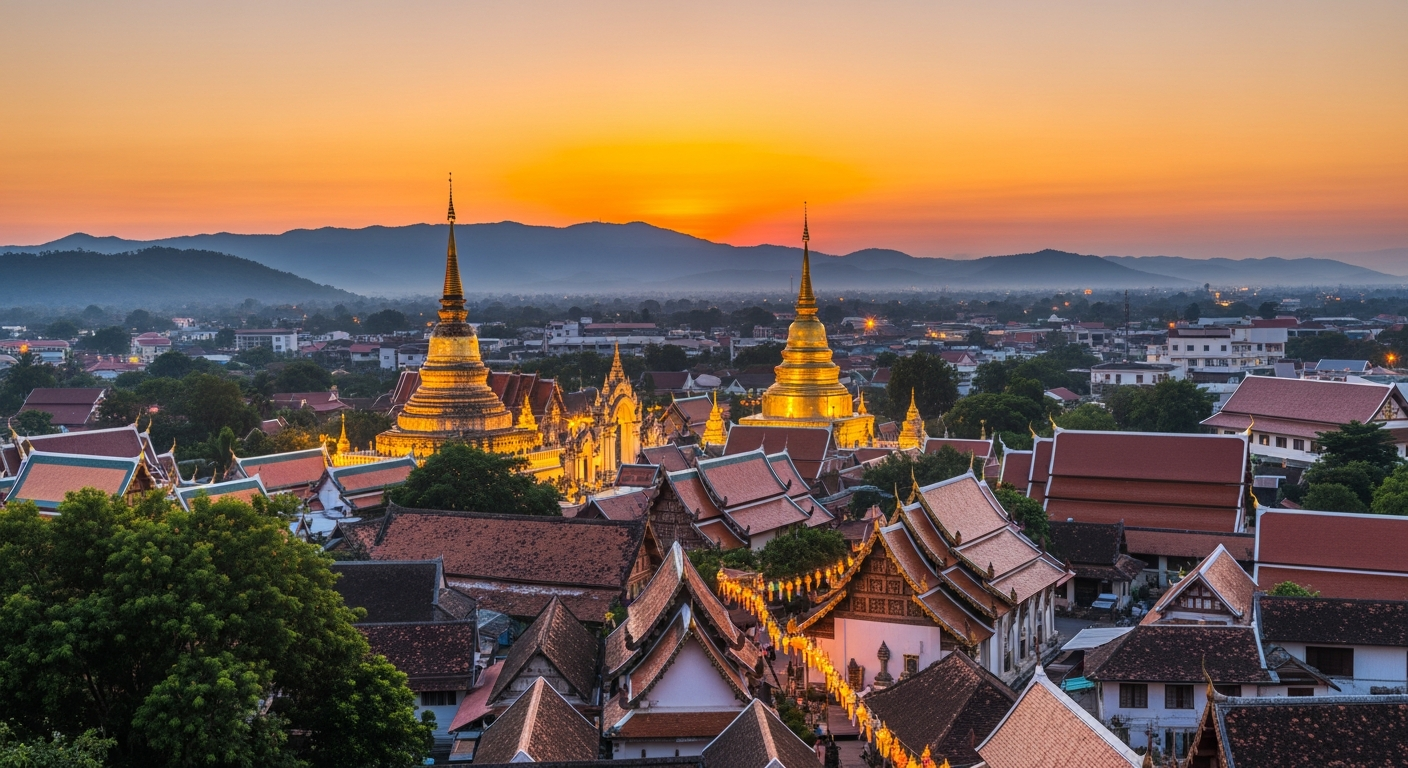
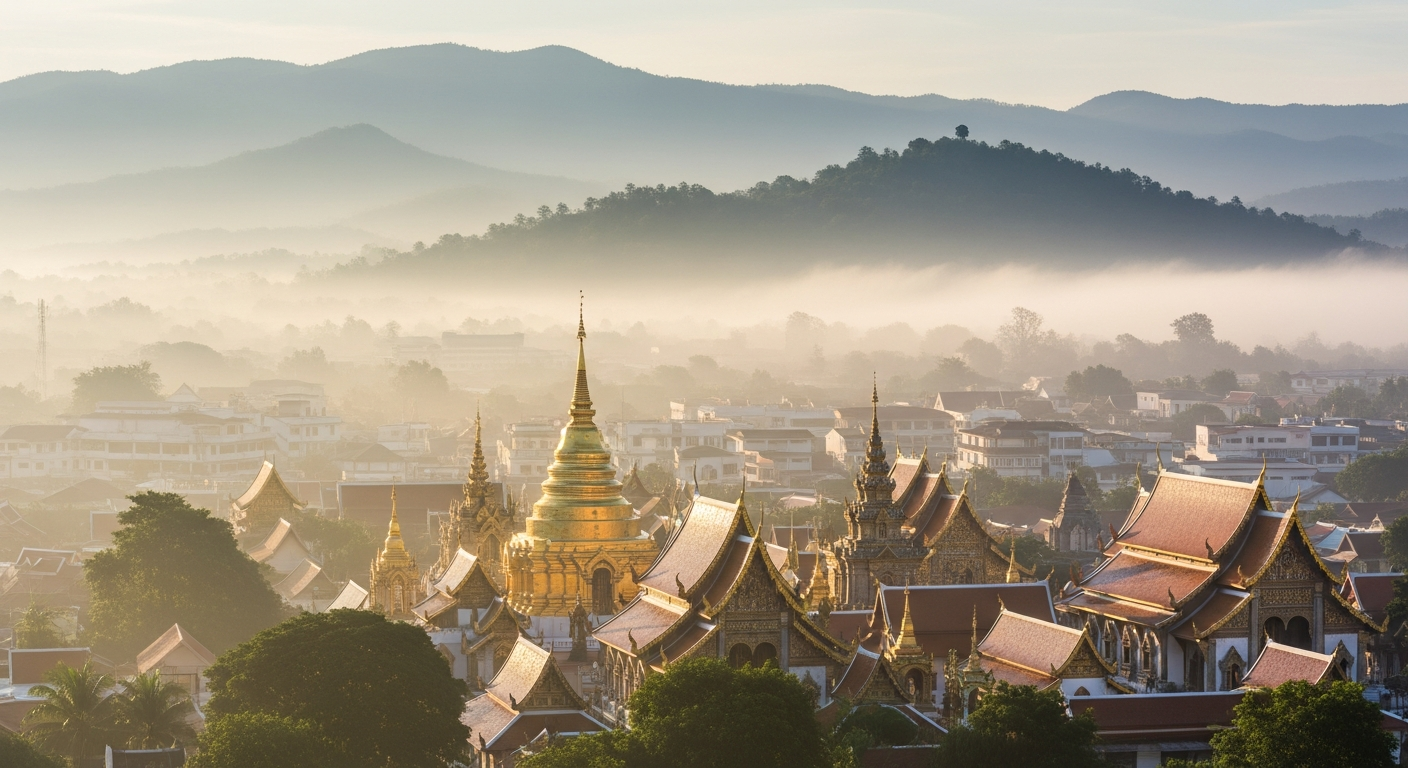
From there, spread the gentler highlights across the weeks. A quiet morning at Wat Phra Singh inside the old city, an afternoon up the hill to Doi Suthep, a cooking class, a slow wander through the Saturday and Sunday walking markets. An ethical elephant sanctuary visit, where you observe rather than ride, costs around A$80 to A$130 for the day. One rest day for every active day keeps the whole month enjoyable rather than tiring.
Practical tips for solo travellers over 60
Footpaths in Chiang Mai are uneven and often blocked, so sturdy shoes matter more than style. The old city is flat and walkable, which suits dodgy knees. Grab, the ride-hailing app, works well and removes any fare haggling, with most short trips under A$5.
Solo does not mean lonely here. The cafe culture makes it easy to fall into conversation, and there is a steady community of long-stay older travellers. Tell family your apartment address and check in by message every few days. With a little common sense, Chiang Mai is one of the easiest places to be on your own and still feel settled.
Quick planning guide
| Ideal pace | Slow-paced, one rest day per active day |
|---|---|
| Best months | November to February (cool dry season) |
| Suggested stay | A full month |
| Mobility level | Easy within the flat old city; uneven footpaths elsewhere mean sturdy shoes matter |
| Cost level | Budget-friendly, around A$1,800–A$2,500 a month before flights |
| Comfort level | Comfortable, with reliable private healthcare and well-stocked pharmacies |
| Best for | Solo travellers over 60 wanting a long, gentle, low-cost stay |
| Main planning consideration | Confirm the current visa-free entry rule on Smartraveller and arrange thorough travel insurance with medical evacuation cover |
Key takeaways
- November to February is the cool dry season and the best time for a long, comfortable stay.
- Australians can currently enter visa-free for up to 60 days, but confirm on Smartraveller before flying.
- A full month, accommodation included, is realistically A$1,800 to A$2,500 before flights.
- Booking accommodation monthly rather than nightly avoids any single-room penalty for solo travellers.
- Travel insurance with medical evacuation and pre-existing cover is essential past 60.
- Pace one rest day per active day and the month stays enjoyable rather than tiring.
Recommended partners and links
Indicative prices only — always confirm with the operator before booking.
Frequently asked questions
Do Australians need a visa for a month in Thailand?
No. As of 2024, Australian passport holders can enter visa-free for up to 60 days as tourists, which comfortably covers a month. Always check the current rule on Smartraveller before you travel.
Is Chiang Mai safe for a solo traveller over 60?
Yes, it is one of the easier cities in the region to navigate alone. Use Grab for transport, watch the uneven footpaths, and keep family informed of your address and movements.
How much should I budget for a month, not counting flights?
Around A$1,800 to A$2,500 covers a monthly studio, daily food, transport and a few paid activities. Eating local food and booking accommodation monthly keeps costs down.
What is the weather like in the northern winter?
Warm days and cool evenings from November to February, with little rain. Late winter can bring some agricultural haze, so November to January is generally clearest.
Will my travel insurance cover me at my age?
Many policies do, but some cap cover past 70 or add a loading for pre-existing conditions. Read the product disclosure statement and ensure medical evacuation is included.
What travellers are saying
Gathered from public discussions on Reddit, YouTube and Facebook — quoted briefly, linked to the original. Not our words.
Experienced slow travellers emphasise the importance of solid financial planning before attempting extended stays abroad, with one noting that remote work arrangements should already be established rather than sought after arrival. Retirees speaking from Thailand report positive experiences combining cultural immersion with practical routines, appreciating destinations where people and connection matter as much as luxury amenities.
Worth a look elsewhere
Related reading and viewing on this topic from around the web. External links are not endorsements.
Thailand Travel in Retirement: Bangkok, Chiang Mai, and Chiang Rai — Retirement-focused itinerary across three Thai cities with practical pacing for over-50 travellers