Adaminaby, on the Snowy Mountains Highway about 90 minutes from Canberra or five to five and a half hours from Melbourne, suits a half-day visit. Spring and autumn offer the most reliable weather, though summer also works. The defining draw is the ten-metre Big Trout paired with the story of Old Adaminaby, deliberately flooded in the 1950s for Lake Eucumbene. Mobility demands are easy — flat, sealed roads and short walks throughout, with driving the only realistic way in.
Why Adaminaby rewards a detour
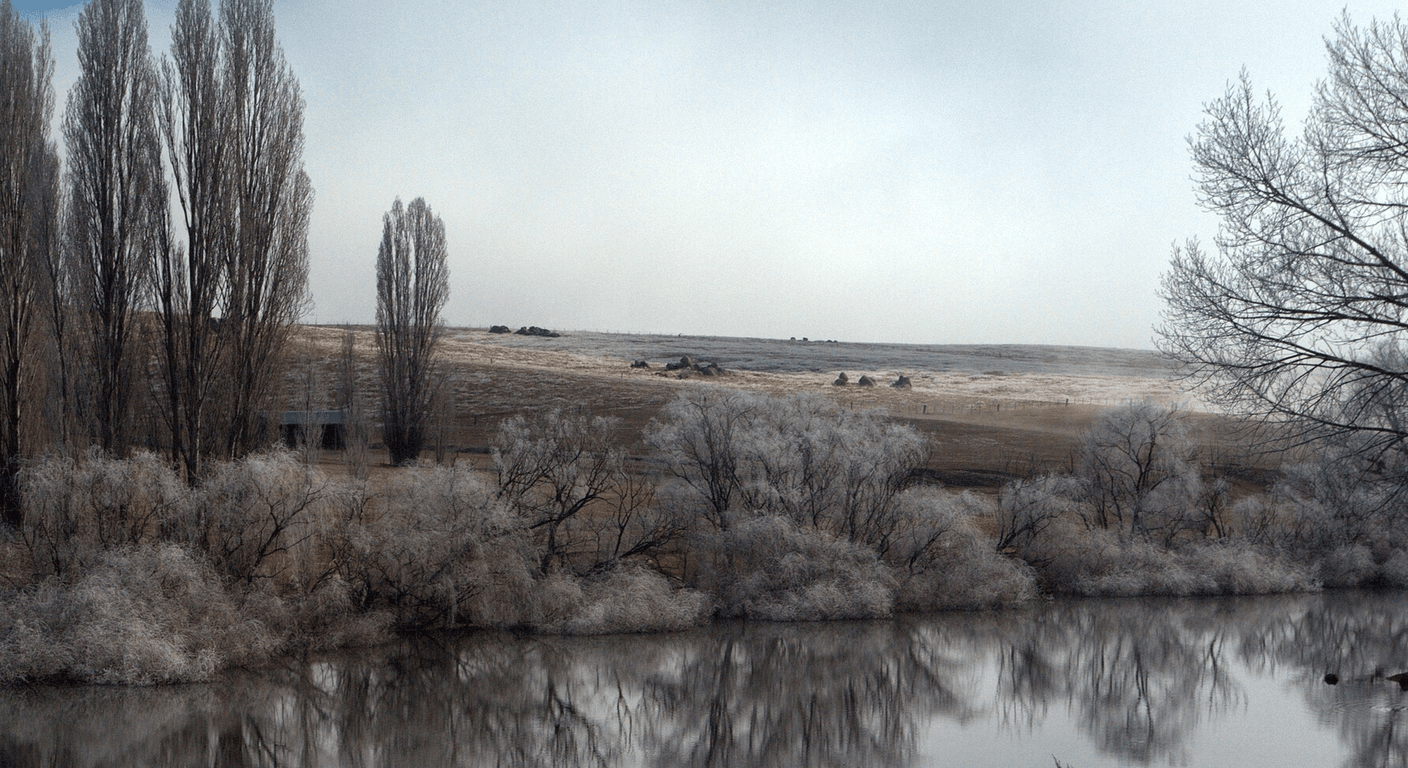
There are towns you pass through and towns that make you pull over. Adaminaby manages both, and not just because of a large fibreglass fish. The town sits at around 1,100 metres on the Snowy Mountains Highway, surrounded by open grazing country that rolls away toward the high country in every direction. The air is sharp, the light is clear, and on a weekday in spring you may have the place largely to yourself.
For a solo traveller who prefers substance over spectacle, Adaminaby delivers an unusual double: a cheerful piece of roadside Australiana and, nine kilometres back down the road, one of the more quietly affecting stories in twentieth-century Australian history. That combination — odd, free, and genuinely interesting — makes it worth building a Snowy Mountains day around.
The Big Trout: what it is and what it tells you
The Big Trout has stood beside the Snowy Mountains Highway since 1973, erected by a local businessman to signal that this is trout country. It is ten metres long, fibreglass, painted in the spotted browns and silvers of a rainbow trout, and mounted on a low plinth near the edge of town. The setting is unpretentious — a gravel verge, a modest sign, the open paddock behind it — which is exactly right. It doesn't pretend to be more than it is.
Lake Eucumbene, just a few kilometres away, holds Australia's largest inland water volume and has been a serious trout-fishing destination since the reservoir filled in the early 1960s. The Big Trout is the town's shorthand for all of that: the fly fishermen who drive up from Canberra on weekends, the bait fishers in folding chairs, the guides who run half-day sessions on the lake. Stopping for a photograph costs nothing and takes about five minutes. Driving on without doing so feels like a missed opportunity.
For travellers who've already ticked off the Big Merino in Goulburn or the Big Prawn in Ballina, the Big Trout fits neatly into that particular strand of Australian road-trip culture — unpretentious, slightly absurdist, and oddly endearing. It's the kind of thing a 69-year-old travelling alone can photograph without a skerrick of self-consciousness.
The submerged town: Old Adaminaby and the Snowy Scheme
The more affecting story begins nine kilometres south-east of the current town, where the original settlement of Adaminaby stood for over a century before the Snowy Mountains Hydro-Electric Scheme changed everything. In the late 1950s, the Snowy Mountains Authority required the Eucumbene Valley to be flooded to create the scheme's primary storage reservoir. Old Adaminaby — with its homes, its church, its pub, its school — sat directly in the path of the rising water.
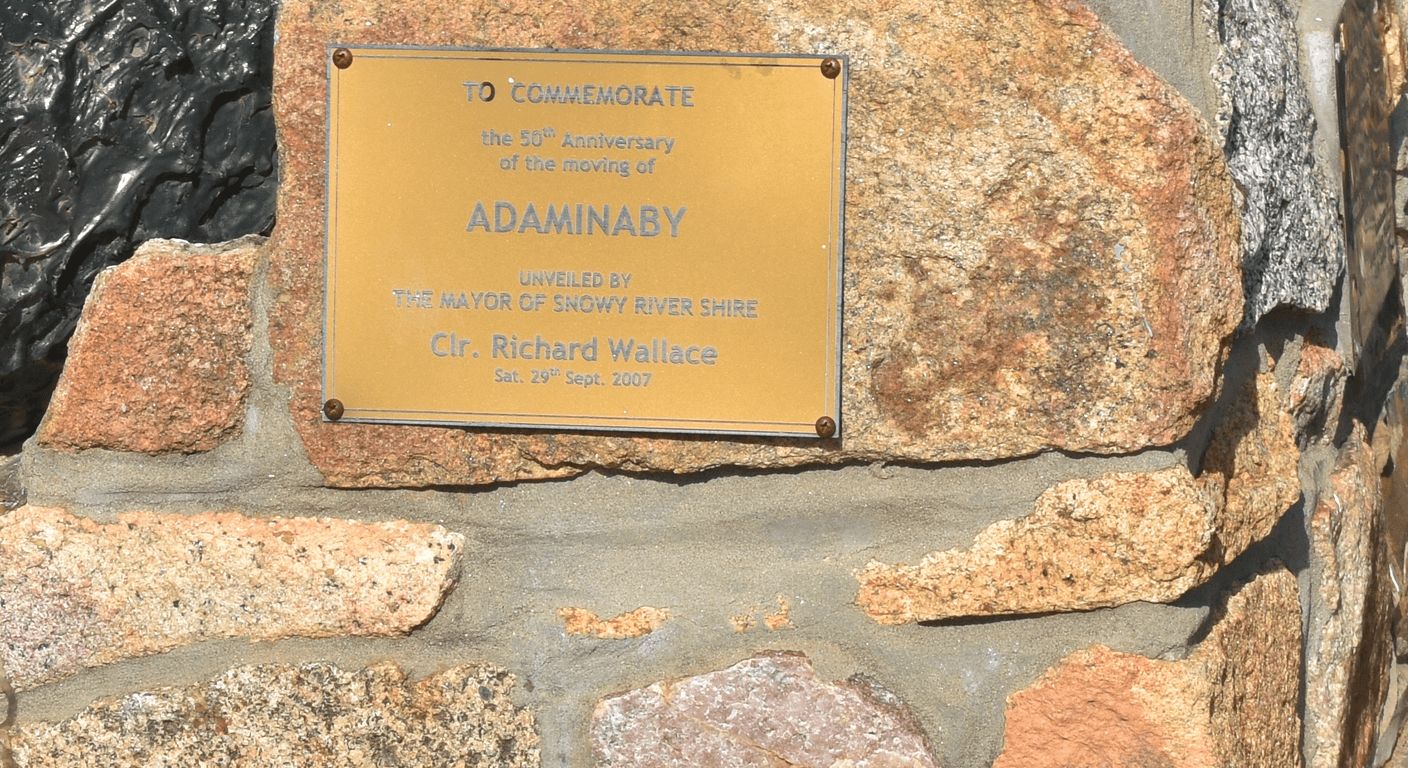
Residents were relocated to the new town site, which was surveyed and built specifically for the purpose. Some buildings were physically moved — trucked up the road and re-erected on new foundations. The church of St Canice, for instance, made the journey and still stands in the current Adaminaby. Others were demolished or simply left to be swallowed by the reservoir. The town's cemetery was exhumed and relocated, which remains one of the more sobering details of the whole episode.
When Lake Eucumbene's water level drops significantly during drought — as it has periodically, most notably in the early 2000s — remnants of Old Adaminaby re-emerge: foundations, road alignments, the occasional structural ghost. It's worth checking current lake levels before visiting if you're hoping to see anything exposed, though the landscape itself tells the story even when the water is high. Standing at the lake's edge and understanding that a living town lies beneath it is enough.
Exploring Old Adaminaby: the relocated buildings still standing
The drive from current Adaminaby to the Old Adaminaby site is straightforward — sealed road, easy terrain, no technical driving required. The small settlement that bears the 'Old Adaminaby' name today is little more than a cluster of structures, some of which were relocated from the original township. The atmosphere is genuinely quiet. There's no visitor centre, no interpretive board of any great detail, no gift shop.
St Canice Catholic Church is the most prominent of the surviving relocated buildings and is worth a look from the outside. The surrounding landscape — flat, wind-exposed, with the lake glinting in the distance — gives a sense of the scale of what was undertaken. This is not a curated heritage precinct; it's a real place where real things happened, and that rawness is part of what makes it worth the drive.
Travellers with an interest in the broader Snowy Mountains Scheme will find the Snowy Hydro Discovery Centre in Cooma (about 50 kilometres north-east) an excellent complement to this visit. It provides the engineering and human context for what the scheme involved — including the displacement of communities like Adaminaby — and is a more formally presented experience for those who want depth.
Adaminaby town itself: honest expectations
Current Adaminaby is a small service town. The main street is flat, short, and easy to walk. There's a pub, a general store, and limited cafe options — don't expect a specialty coffee scene. Fuel is available, which matters if you're continuing south into the high country. The town is functional rather than picturesque, though the surrounding landscape more than compensates.
For a solo traveller used to self-sufficiency, this is straightforward territory. Pack a lunch from Cooma before you leave, fill the tank, and treat Adaminaby as a destination rather than a base. Most travellers will find a half-day sufficient — the Big Trout, the drive to Old Adaminaby, a walk to the lake's edge, and perhaps a counter lunch at the pub if it's open. The town rewards curiosity but doesn't manufacture it.
Mobile phone coverage can be patchy in the valley, so download offline maps before departing. This is worth noting not as a warning but as a practical reality of travelling in rural NSW at this elevation. It's the sort of thing experienced grey nomads already know; first-timers from Melbourne or Sydney occasionally don't.
Weather, seasons, and getting there from Victoria
The Snowy Mountains region operates on its own meteorological schedule. Even in October, a cold front can bring sleet to the plateau with minimal warning. In mid-summer, days can be warm but afternoons sometimes turn quickly. The short answer is: dress in layers, carry a waterproof jacket regardless of the forecast, and don't be surprised by anything the sky does.
Winter — June to August — is generally not the time for this trip unless you're also visiting the ski fields. The Snowy Mountains Highway can be affected by snow and ice, and some sections may require chains. Spring (October–November) and autumn (March–April) are the most reliably pleasant windows. Summer works well, particularly January and February when the high country is at its most accessible.
From Melbourne, the most practical route is via the Hume Highway to Canberra, then the Monaro Highway south to Cooma, then west on the Snowy Mountains Highway to Adaminaby — roughly five to five and a half hours of driving. It's a long day trip from Melbourne; an overnight in Cooma makes more sense and allows a proper look at the Snowy Hydro Discovery Centre. From Canberra, Adaminaby is around 90 minutes, making it a genuinely viable day trip from the capital.
Making the most of it: practical tips for over-50 travellers
The physical demands here are minimal. The Big Trout is roadside — you park, you walk a few metres, you photograph, you move on. The drive to Old Adaminaby is on a sealed road. The lake's edge involves a short walk over flat or gently sloping ground. Anyone who can manage a standard day out will manage this without difficulty. There are no steep tracks, no long walks, nothing that requires more than comfortable shoes.
Travel insurance is worth confirming covers you for regional driving and, if relevant, any pre-existing conditions. This applies to any Australian road trip of this length, not just this one. The nearest hospital of substance is in Cooma; Canberra's major facilities are about two hours away. None of this should discourage the trip — it's simply worth knowing.
If you're combining this with a broader Snowy Mountains itinerary — Jindabyne, Kosciuszko National Park, Thredbo or Perisher in summer — Adaminaby fits naturally as a half-day diversion on the way in or out. It's the kind of stop that doesn't feel like a detour once you're standing beside a ten-metre trout with a submerged township story in your pocket.
Quick planning guide
| Ideal pace | Slow, half-day diversion rather than a full itinerary |
|---|---|
| Best months | October to April, with spring and autumn most reliably pleasant; winter (June–August) best avoided |
| Suggested stay | Half a day, or overnight in nearby Cooma if combining with the Snowy Hydro Discovery Centre |
| Mobility level | Easy — flat main street, sealed roads, short level walks to the Big Trout and lake edge |
| Cost level | Free — no entry fees for the Big Trout or Old Adaminaby |
| Comfort level | Basic — functional town with a pub, general store and limited cafe options |
| Best for | Solo and senior travellers who enjoy history, quiet roadside curiosities and open-country drives |
| Main planning consideration | Self-drive access only, with patchy mobile coverage, changeable high-country weather, and limited local food options |
Key takeaways
- The Big Trout has stood roadside in Adaminaby since 1973 — it's free, it's ten metres long, and it takes about five minutes to photograph.
- Old Adaminaby was deliberately flooded in the late 1950s for Lake Eucumbene; some of its buildings were physically relocated nine kilometres up the road and still stand.
- During significant droughts, foundations and remnants of the submerged town re-emerge from the lake — check current water levels before visiting if this is a priority.
- The drive from Melbourne takes roughly five to five and a half hours; Canberra is around 90 minutes away, making it a realistic day trip from the capital.
- Adaminaby town itself is small and functional — base yourself in Cooma and bring lunch, as cafe options are limited.
- Weather at this elevation is cold and changeable year-round; October to April is the most accessible window, and layers are non-negotiable.
Recommended partners and links
Indicative prices only — always confirm with the operator before booking.
Frequently asked questions
Is the Big Trout in Adaminaby free to visit?
Yes. The Big Trout stands on the roadside beside the Snowy Mountains Highway and is freely accessible at any time. There is no entry fee, no ticketing, and no need to book. You simply pull over, walk the few metres to the sculpture, and photograph it.
Can you see the submerged buildings of Old Adaminaby in Lake Eucumbene?
Only when the lake level drops significantly during drought periods. When water levels are low, foundations, road alignments, and other structural remnants can re-emerge. At normal or high water levels, nothing is visible above the surface. Check current Snowy Hydro storage levels before visiting if seeing exposed remnants is your goal.
How far is Adaminaby from Canberra, and is it a viable day trip?
Adaminaby is roughly 90 kilometres from Canberra via the Monaro Highway and Snowy Mountains Highway — around 90 minutes of driving. It is a comfortable day trip from Canberra, with time to visit the Big Trout, drive to Old Adaminaby, and return.
What is the best time of year to visit Adaminaby?
October to April is the most accessible and comfortable window. The Snowy Mountains Highway can be affected by snow and ice in winter (June to August), and chains may be required on some sections. Spring and autumn offer the most reliable driving conditions and pleasant temperatures.
Is the Adaminaby area suitable for travellers with limited mobility?
Yes, for most over-50 travellers. The Big Trout is roadside and requires only a few metres of walking on flat ground. The drive to Old Adaminaby is on a sealed road. The lake's edge involves a short, mostly flat walk. There are no steep tracks or significant physical demands on this itinerary.