Adelaide's Mad March, running from late February into mid-March, packs the Adelaide Festival, Fringe, WOMADelaide and Writers' Week into overlapping weeks, with the free, shaded Writers' Week garden sessions the standout highlight for over-50s. A five-to-seven night stay suits the pace best. The city is compact and connected by a free tram, making it moderately accessible, though March heat and some uneven parkland terrain call for planning. Adelaide is reached from Melbourne by a short flight, a scenic ten-hour train, or a long summer drive.
What is Mad March and why does it suit over-50s more than you might expect?
Adelaide locals call it Mad March for a reason. For three to four weeks from late February into mid-March, the city runs the Adelaide Festival of Arts, the Adelaide Fringe, WOMADelaide and the Adelaide Writers' Week more or less simultaneously. On any given day there are hundreds of events across the city. That sounds exhausting, and it can be — but for a traveller who has stopped trying to do everything, it is actually ideal. The sheer volume means you pick three or four things you genuinely want to see, book them early, and let the rest of the city's energy wash over you.
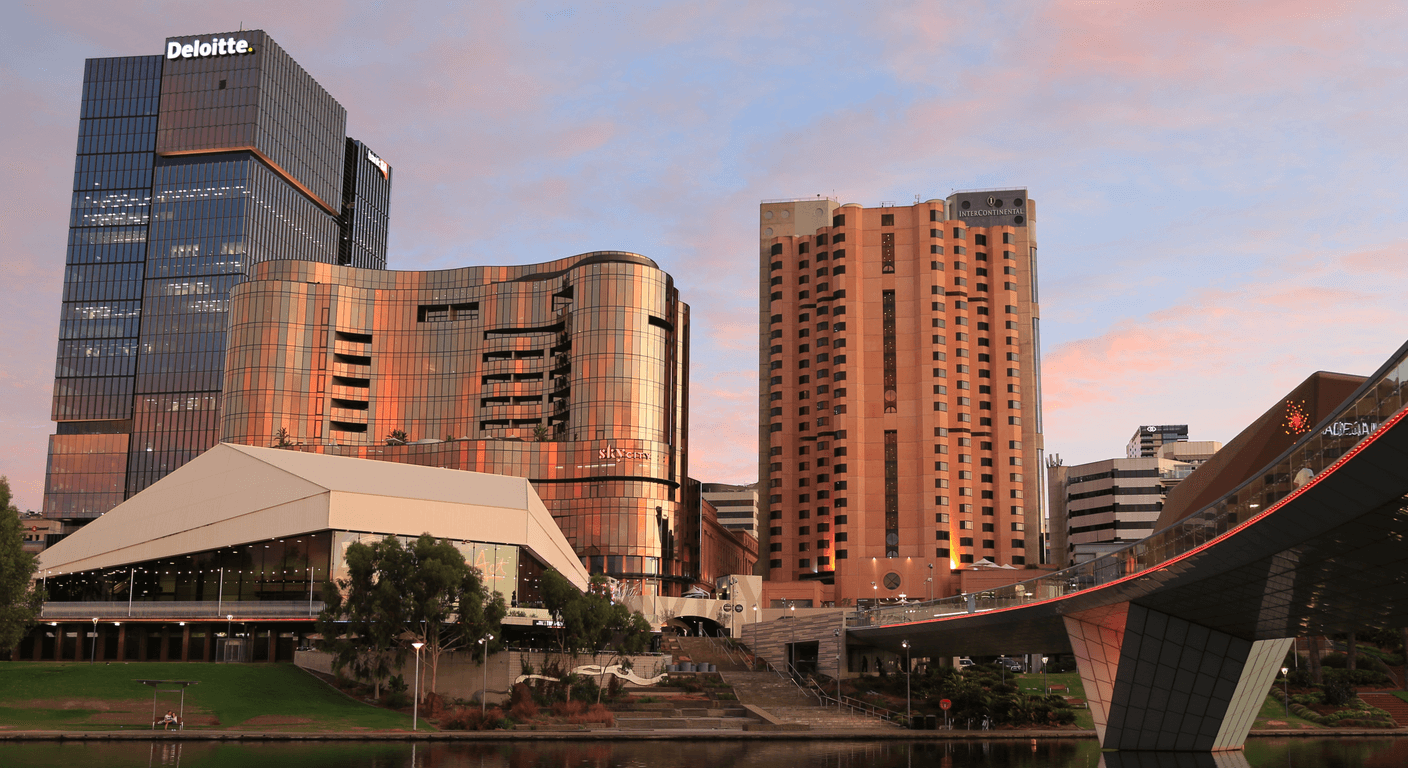
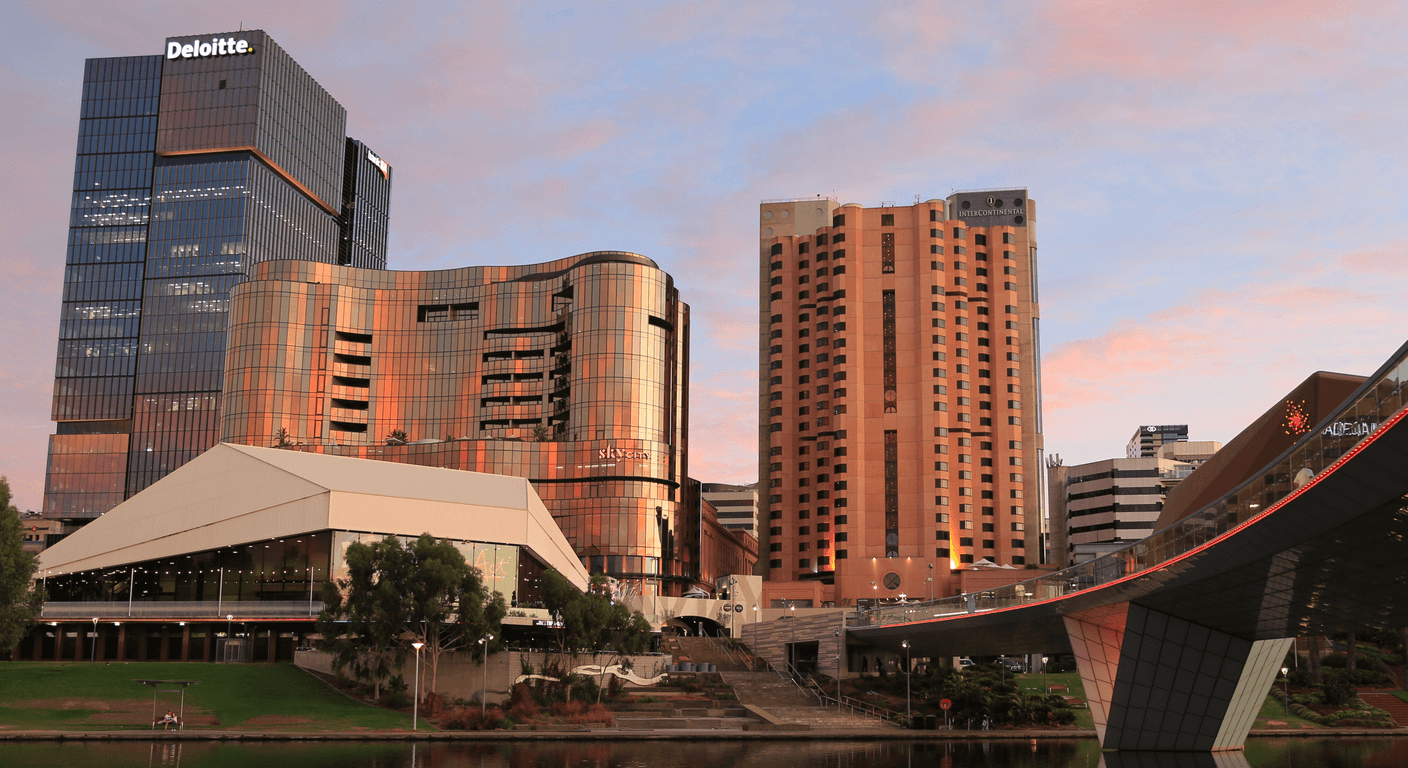
What makes March work particularly well for older solo travellers is that Adelaide is a compact, walkable city with a good free tram service along the main corridor, a festival culture that has matured well beyond student chaos, and a concentration of genuinely world-class events within easy reach of each other. The Botanic Garden, Elder Park, the Festival Centre and the Garden of Unearthly Delights are all close together. You are not chasing buses across a sprawling city — you are moving between precincts on foot or by tram in under twenty minutes.
The honest caveat: March in Adelaide is warm to hot. Temperatures regularly reach the low-to-mid 30s Celsius. Anyone who finds heat difficult needs to build that into their planning — morning and evening sessions, shaded venues, and a midday retreat to air conditioning. This is not a month to be heroic about the weather.
How do the four major festivals actually differ?
The Adelaide Festival of Arts is the prestige, curated program — major international theatre, dance, opera and classical music performed in proper venues. Think the Adelaide Festival Centre, Her Majesty's Theatre, and Dunstan Playhouse. Tickets cost more, productions are longer, and the experience is closer to a night at the theatre than a festival. For over-50s who want serious, seated, air-conditioned performances with interval drinks, this is the anchor of the trip. The program is selective and the quality is consistently high.
The Adelaide Fringe is the open-access counterpart — any performer can register a show, which means thousands of events ranging from polished stand-up comedy and chamber music in intimate venues to experimental theatre in converted warehouses and pub backrooms. Quality varies enormously, which is part of the point. For older travellers, the Fringe is best approached by reading reviews that appear in the first week of the festival, sticking to seated venue hubs like the Garden of Unearthly Delights (which has a mix of covered and open-air spaces) and Gluttony, and avoiding late-night outdoor sessions if you find standing in crowds difficult.
WOMADelaide takes place in Botanic Park over the Labour Day long weekend in early March. It is a world music and dance festival — genuinely multicultural, family-friendly in feel, and spread across multiple stages in a parkland setting. Day passes are available, which suits those who do not want a full multi-day commitment. The terrain is grassed and uneven in places, which is worth knowing if you use a walking stick or have knee concerns. Shaded areas exist but are not universal, so a hat and early arrival are practical necessities. Writers' Week, by contrast, is entirely free and held in the Pioneer Women's Memorial Garden in the Botanic Park precinct — a beautiful, shaded garden setting where authors speak from a stage and audiences sit in deckchairs or on the grass. It runs across the first week of March, daytimes only, and is one of the genuinely underrated pleasures of the whole festival season.
Writers' Week: the free event that deserves its own section
Adelaide Writers' Week is run as part of the Adelaide Festival and entry to all sessions is free. No ticket required. You arrive, find a seat or a deckchair, and listen to authors — Australian and international — in conversation about their books and the ideas behind them. Sessions run across the day from late morning, and the garden setting under the trees makes it one of the more pleasant ways to spend a few hours in Adelaide regardless of the festival context.
The practical reality is that popular sessions with well-known authors fill the available seating quickly. Arriving fifteen to twenty minutes early for any session you particularly want is sensible. The garden has accessible pathways and the venue is genuinely suitable for people who find standing in crowds difficult — most sessions are seated in some form, even if some of that seating is low deckchairs that can be hard to get out of. If mobility is a consideration, look for the standard chairs positioned at the sides and rear of the audience area.
Writers' Week is also an excellent anchor for a solo traveller because it requires no advance booking, no group dynamic, and is naturally conducive to sitting quietly and listening. You can attend one session, have lunch nearby at the Botanic Garden restaurant or the cafes along North Terrace, and return for an afternoon session without any pressure. It is the kind of low-stakes, high-quality experience that rewards the unhurried traveller.
Which venues are worth knowing for accessibility and comfort?
The Adelaide Festival Centre on King William Road is the flagship venue and is well set up for accessibility — lifts, accessible seating bookable in advance, and a foyer that is easy to navigate. The Dunstan Playhouse within the same complex is a mid-size theatre with good sightlines and comfortable seating. Her Majesty's Theatre on Grote Street is a heritage building that has been progressively upgraded; accessible seating is available but it is worth calling ahead to confirm exact locations and access routes rather than relying on the website alone.
For Fringe venues, the key is to check the Adelaide Fringe website's venue listings before you book. Each registered venue is categorised by type, and many of the established hubs have accessible facilities noted. The Garden of Unearthly Delights and Gluttony are the two largest Fringe hubs and both have a mix of seated indoor and outdoor spaces. Queuing can be involved, particularly for popular shows in the second and third week. Booking in advance through the Fringe ticketing system and arriving with your booking confirmation avoids the longest queues.
For WOMADelaide, the Botanic Park site has a designated accessible area near the main stage with level ground and clearer sightlines. This needs to be arranged through the WOMADelaide ticketing and access team before arrival — do not assume you can access it on the day without prior arrangement. The festival's official website has accessibility contact details; use them early.
How should you pace a Mad March trip as an older solo traveller?
The most common mistake is over-booking. It is genuinely tempting to look at the program and schedule morning, afternoon and evening events across a week. In practice, the heat, the walking, and the stimulation of a dense festival environment means that two substantial events per day is a reasonable upper limit for most people — one in a cooler part of the day, one in the evening. A midday break in air conditioning, whether at your accommodation, a gallery or a good café, is not laziness; it is the thing that keeps you functional for the evening session.
A stay of five to seven nights gives enough time to attend the core events you want, absorb the city a little, and not feel as though you are running between venues. Adelaide's central accommodation options — North Adelaide, the CBD and the East End — put you within walking or free tram distance of most festival precincts. Accommodation in March books out well in advance; this is genuinely one of the few times of year when you need to plan months ahead, not weeks.
Solo travel in this context has real advantages. You make your own schedule, you leave when you want to, and you are not negotiating with a companion who has different energy levels or different interests. The Adelaide Festival Centre and the Botanic Garden precinct both have comfortable spaces where sitting alone between sessions is entirely unremarkable. Adelaide is a city where solo travellers — particularly older ones — tend to find the pace and the culture comfortable rather than alienating.
Getting to Adelaide from Victoria: what are the realistic options?
Flying is the fastest option — Melbourne to Adelaide is under an hour in the air, and both Qantas and Virgin Australia fly the route regularly. Budget carriers also operate it. Book early for March travel, as fares increase significantly as the festival season approaches. Allow time at the airport; Melbourne Airport in particular can be slow through security during peak periods, and giving yourself a generous buffer reduces stress.
The train option is slower but genuinely enjoyable for travellers who like the journey as part of the experience. Journey Beyond Rail operates services between Melbourne and Adelaide; the trip takes around ten hours and passes through the Grampians and the South Australian Mallee country. It is worth checking the current timetable and booking class options on the Journey Beyond Rail website, as schedules and services do change. V/Line also connects regional Victorian travellers to Melbourne's Southern Cross Station, from where the interstate service departs.
Driving is possible and suits those who want flexibility, but March in South Australia can mean long stretches of hot, exposed highway. If you are driving, an overnight stop in Horsham or Bordertown makes the journey more manageable. Parking in central Adelaide during festival season is genuinely difficult and expensive; staying somewhere central and leaving the car parked for the duration of your stay is usually the better approach.
Honest crowd advice: what to expect and how to manage it
Mad March Adelaide is busy. That is the plain truth. Popular Fringe shows, the Rundle Mall precinct in the evening, the Garden of Unearthly Delights on a Saturday night — these are genuinely crowded environments. For anyone who finds dense crowds uncomfortable, the solution is not to avoid the festivals but to choose your moments. Sunday to Thursday evenings are noticeably quieter than Friday and Saturday. Daytime sessions are almost always less crowded than evening ones. The first week of the Fringe tends to be less packed than weeks two and three.
Writers' Week, the Adelaide Festival's main-stage productions, and daytime WOMADelaide sessions tend to attract a more settled, older demographic and feel less chaotic than the late-night Fringe circuit. If you want the energy of the Fringe without the most intense crowd pressure, aim for shows that start between 6pm and 7:30pm rather than 9pm and later. Many of the better Fringe shows run multiple sessions across their season, so if a particular date is sold out, check whether another session in the same week is available.
The free tram along North Terrace and King William Street is a genuine asset and runs frequently during festival season. It connects the Festival Centre, the Botanic Garden end of North Terrace, and the CBD without any cost or ticketing complexity. For longer journeys — North Adelaide, the airport, or the outer suburbs — Adelaide Metro buses and the train network operate normally, and the Adelaide Metro website has current timetable and route information.
Quick planning guide
| Ideal pace | Slow-paced — around two substantial events per day with a midday break |
|---|---|
| Best months | Late February to mid-March, during Mad March festival season |
| Suggested stay | Five to seven nights |
| Mobility level | Moderate — compact, tram-served city, but hot weather and uneven grassed festival terrain in places |
| Cost level | Mixed — free events like Writers' Week alongside premium ticketed Festival and Fringe shows |
| Comfort level | Good, with air-conditioned theatre venues and shaded garden settings available |
| Best for | Older solo travellers who enjoy theatre, music and free outdoor cultural events at an unhurried pace |
| Main planning consideration | Book accommodation and festival tickets months ahead, and plan sessions around the heat and crowd patterns |
Key takeaways
- Adelaide's Mad March runs the Adelaide Festival, Fringe, WOMADelaide and Writers' Week across three to four overlapping weeks in late February and March.
- Adelaide Writers' Week is entirely free, held in a shaded garden setting, and requires no advance booking — making it one of the best low-pressure events of the season for over-50s.
- Two substantial events per day is a realistic and sustainable pace for older travellers during a hot Adelaide March.
- Accessible seating at the Adelaide Festival Centre, Her Majesty's Theatre and WOMADelaide's Botanic Park site needs to be arranged in advance — do not leave it to arrival day.
- Accommodation in central Adelaide during Mad March books out months ahead; planning early is practical necessity, not mere preference.
- The free tram along North Terrace and King William Street connects the main festival precincts without cost and is the most useful transport tool in the precinct.
Recommended partners and links
Indicative prices only — always confirm with the operator before booking.
Frequently asked questions
Is Adelaide Writers' Week really free and do you need to book?
Yes, Adelaide Writers' Week is free to attend and no ticket or booking is required. You simply arrive at the Pioneer Women's Memorial Garden in the Botanic Park precinct before a session starts. Popular sessions with well-known authors fill up, so arriving fifteen to twenty minutes early is advisable. Confirm the program and dates on the Adelaide Festival website each year as the schedule is released in advance of the event.
What is the best way to find accessible seating at Adelaide Festival and Fringe venues?
For Adelaide Festival events at the Festival Centre and Her Majesty's Theatre, accessible seating can be requested when booking through the Adelaide Festival website or by contacting the box office directly. For the Fringe, each venue lists its accessibility information on the Adelaide Fringe website — check this before purchasing a ticket. For WOMADelaide, contact the festival's accessibility team before the event to arrange access to the designated accessible viewing area at Botanic Park.
How hot does Adelaide get in March and how should over-50s plan around the weather?
Adelaide in March regularly reaches the low-to-mid 30s Celsius, with occasional hotter days. Over-50s travelling during this period are advised to schedule daytime commitments in the cooler morning hours, take a genuine midday break in air conditioning, and reserve outdoor events for the evening when temperatures ease. A hat, sunscreen and water are non-negotiable for any outdoor session, including WOMADelaide and Writers' Week.
Can you get from Melbourne to Adelaide by train for the festivals?
Yes, Journey Beyond Rail operates a passenger service between Melbourne and Adelaide that takes around ten hours. It is a scenic journey suited to travellers who enjoy the travel itself. Check current schedules, booking classes and fares on the Journey Beyond Rail website, as timetables and service details change. Flying is faster, but the train is a comfortable and unhurried alternative for those not in a rush.
When do the Adelaide Festival and Fringe programs get announced each year?
Programs are typically announced several months before the festivals begin in late February and March. The Adelaide Festival generally releases its program in November or December of the preceding year, and the Adelaide Fringe program is released in a similar window. Signing up to mailing lists on the official Adelaide Festival and Adelaide Fringe websites is the most reliable way to be notified as soon as programs and tickets become available.