Adelaide Gaol, South Australia's oldest surviving colonial prison, operated from 1841 to 1988 and held over 300,000 prisoners, with 45 executions carried out on site. A half-day visit — via self-guided exploration or a 90-minute guided tour — suits most travellers, with spring and autumn offering the most comfortable conditions. Mobility is moderate: original bluestone floors are uneven, though tours move slowly with frequent stops. From Melbourne, it's a 70-minute flight followed by a short taxi ride or walk into the CBD.
What is Adelaide Gaol and why does it matter?
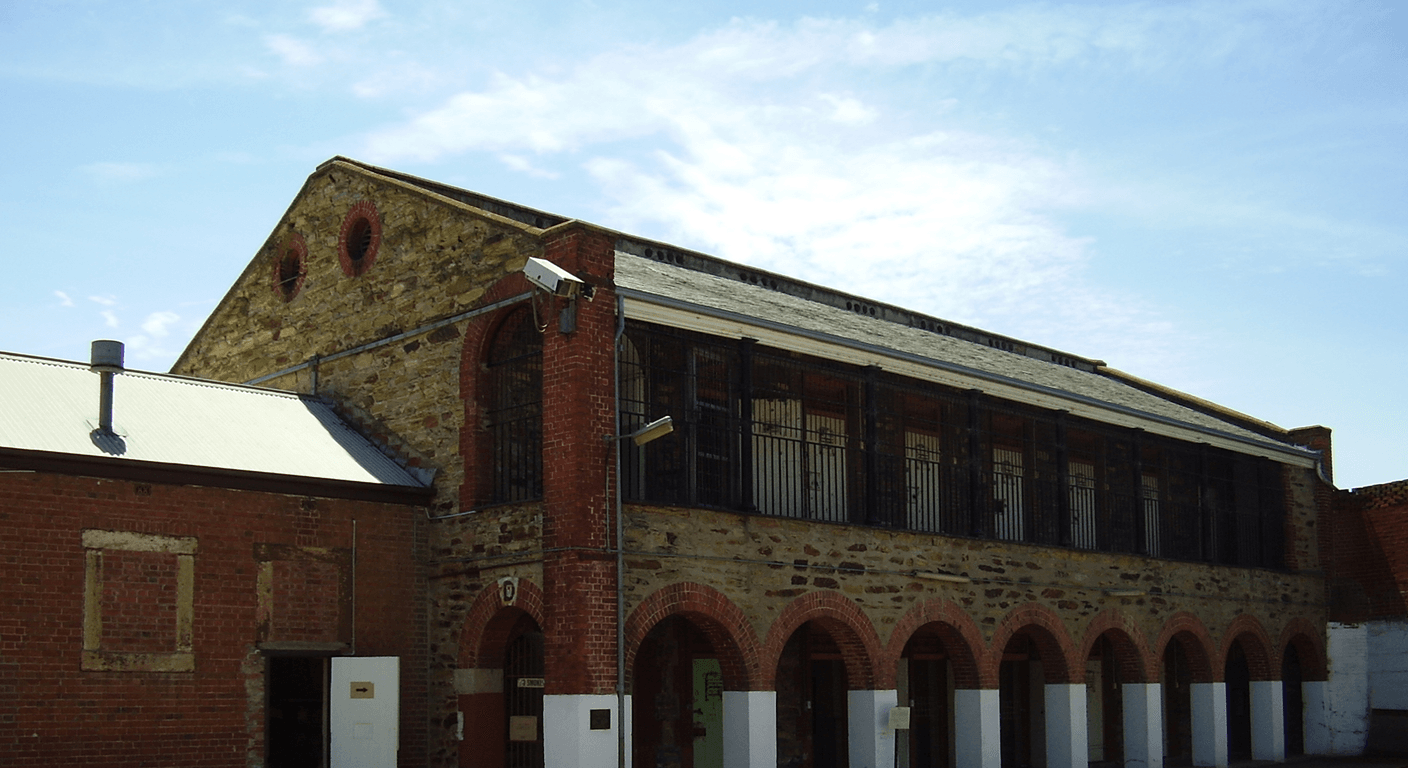
Adelaide Gaol operated continuously from 1841 to 1988 — 147 years in which it processed more than 300,000 prisoners, from colonial-era petty criminals to murderers, political agitators and, in its earliest decades, people whose only offence was poverty. Forty-five people were executed here. The site is now heritage-listed and managed as a living museum, which means the cell blocks, the solitary confinement yards, the gallows and the reception area have been preserved rather than reconstructed. What you walk through is the real thing.
For a traveller who's spent decades reading Australian history, there's something quietly arresting about standing inside a cell that measures roughly two metres by three and imagining it occupied. The gaol doesn't dramatise or over-interpret. It trusts the fabric of the place — the worn stone floors, the heavy ironwork doors, the scratched inscriptions on walls — to do the talking. That restraint is, in its own way, more affecting than any theatrical presentation.
It sits on Gaol Road in Adelaide's inner west, close to the River Torrens and within comfortable reach of the city centre. The western parklands are just across the road. It's the kind of location that rewards arriving on foot from the CBD if you're steady on your feet and the weather is cooperative — roughly a 20-minute walk from Rundle Mall, or a short taxi or rideshare if you'd rather save the legs for the tour itself.
Getting there from Victoria: what the journey actually looks like
From Melbourne, Adelaide is about an hour and ten minutes by air — one of the more civilised interstate hops available to a Victorian traveller. Qantas, Virgin Australia and Jetstar all operate the route from Tullamarine, with Jetstar also flying from Avalon. Fares vary considerably by season and booking lead time; check each airline's own site for current pricing rather than relying on third-party aggregators for accuracy.
Adelaide Airport sits close to the city — around 20 minutes by taxi or rideshare to most central accommodation. The SkyLink bus service also connects the airport to the CBD and Glenelg, which is worth considering if you're travelling light. There's no need to hire a car for a city-focused visit to Adelaide; the CBD is walkable, and the gaol is accessible by public transport or taxi.
A note on timing: if you're flying over specifically for a ghost tour, consider arriving the day before to settle in, rather than stepping off a flight and heading straight into an evening programme. Adelaide's accommodation options near the western parklands and North Adelaide offer quieter alternatives to the busier Rundle Street precinct, which suits a traveller who values a good night's sleep over proximity to nightlife.
Daytime history tours: what to expect on the ground
The guided daytime history tours run for around 90 minutes and cover the main cell blocks, the exercise yards, the condemned cell and the gallows. Guides are knowledgeable and unhurried — the good ones have a gift for picking out individual stories from the records rather than reciting institutional statistics. The concession rate applies to seniors and pensioners; confirm eligibility and current pricing directly with Adelaide Gaol before booking, as rates are subject to change.
The ground surfaces deserve an honest mention. Much of the gaol is original bluestone and brick, which means uneven joins, slight slopes and occasional steps. It is not a site designed with modern accessibility in mind, though the pace of guided tours is slow and stops are genuinely frequent. Flat-soled shoes with good grip are the sensible choice — not a fashion statement, just common sense. A walking stick is perfectly workable here. If mobility is a significant concern, contact the gaol directly before visiting; they can advise on which areas are accessible.
Self-guided visits are also available and allow you to move at whatever pace suits you, doubling back to linger in areas that catch your interest. Audio guides or printed materials help orient the experience. For a solo traveller who prefers to absorb a place on his own terms rather than following a group, self-guided is worth considering — though the guided option offers context that the stones alone don't provide.
Evening ghost tours: atmosphere, honesty and who they suit
Adelaide Gaol runs evening ghost tours that have developed a genuine following over many years. These are not cheap theatrical productions with actors jumping out of doorways. They're guided walks through the darkened gaol by lamplight, focused on the documented history of deaths, executions and the more disturbing chapters of the site's record. Whether you believe in the supernatural or not is beside the point — the atmosphere in a nineteenth-century prison after dark is something else entirely.
The tours typically run for two to two-and-a-half hours and involve more standing and slow walking through poorly lit spaces than the daytime option. Bring a warm layer regardless of the season — Adelaide evenings can cool sharply, and the stone walls hold the cold. Comfortable footwear matters even more at night, when the uneven surfaces are harder to read. These tours suit the traveller who enjoys a slow build of atmosphere and has a reasonable tolerance for the macabre. They are not recommended for anyone with significant anxiety around confined spaces or darkness.
Booking in advance is advisable for evening tours, particularly on weekends and around school holidays. Numbers are generally limited. The concession rate typically applies; confirm when booking. For a solo traveller, joining a small ghost tour group is also, unexpectedly, a decent way to have a conversation with fellow travellers who share an interest in history.
What else is worth pairing with a visit?
Adelaide's western parklands are immediately adjacent to the gaol and offer a pleasant decompression after the intensity of the site — particularly welcome after a ghost tour, or simply if you've spent 90 minutes contemplating colonial punishment and need some open sky. The parklands connect to the River Torrens Linear Park walking trail, which is flat, well-maintained and entirely manageable for a steady walker.
The Migration Museum on Kintore Avenue is a natural companion piece to the gaol for anyone drawn to the social history of colonial South Australia. It's free to enter and covers the stories of people who arrived in South Australia under very different circumstances from those who ended up on Gaol Road. The Art Gallery of South Australia and the South Australian Museum are also within easy walking distance of each other in the cultural boulevard of North Terrace — a full cultural day in Adelaide can be built around these without requiring a car.
For accommodation, the western suburbs and North Adelaide offer quieter, often better-value options than the central Rundle Street corridor. A number of smaller boutique hotels and serviced apartments in this part of the city suit the traveller who prefers a neighbourhood feel to a large hotel complex. Check current availability and pricing directly with properties.
Practical tips for visiting Adelaide Gaol over 50
Wear flat, non-slip shoes — this point cannot be made too plainly. The original surfaces are authentic, which is part of what makes the place extraordinary, and also means they're uneven. A light day pack or crossbody bag is more practical than a handbag on a strap, leaving both hands free if you need to steady yourself. The gaol provides seating at various points during guided tours.
Bring water, particularly in warmer months. Adelaide summers are genuinely hot, and even within the stone walls, the temperature can climb. Spring and autumn visits offer the most comfortable conditions for unhurried exploration. If you're visiting in summer, the early morning self-guided session — if available — is the sensible choice.
Travel insurance is always worth the column space: if you're flying from Victoria with any pre-existing conditions, ensure your policy covers you for the duration and confirm the terms before purchasing. The gaol itself is a straightforward, low-intensity activity by any measure, but general travel coverage is simply good practice. Seniors card holders should check eligibility for transport concessions on Adelaide Metro services for the day of the visit.
Is Adelaide Gaol worth the visit for a solo traveller?
For a Victorian traveller who's done the Eureka Centre, walked the Port Arthur site in Tasmania and has a genuine interest in how colonial Australia actually worked — rather than how it's sometimes romanticised — Adelaide Gaol offers something considered and honest. It doesn't try to entertain in the theme-park sense. It informs, and it asks you to sit with uncomfortable material without providing easy resolution.
Solo travel suits this kind of experience particularly well. There's no need to manage a companion's interest level or pace yourself to someone else's schedule. You can stay as long as the condemned cell warrants, and leave when you're ready. The gaol's guided tours create a natural social structure if you want it, and the self-guided option provides solitude if you don't.
At an indicative concession price of $15–$30, it represents genuine value against the broader cost of an Adelaide trip. It's the sort of place that stays with you — not because it's dramatised, but because it's real.
Quick planning guide
| Ideal pace | Slow and unhurried, with frequent stops |
|---|---|
| Best months | Spring and autumn for the most comfortable conditions |
| Suggested stay | Half a day, as part of a short break or weekend trip |
| Mobility level | Moderate — original uneven bluestone and brick surfaces, but slow-paced tours |
| Cost level | Budget-friendly, with concession pricing around $15–$30 |
| Comfort level | Casual — flat, non-slip shoes essential; a walking stick is workable |
| Best for | Culturally curious solo travellers interested in genuine colonial history |
| Main planning consideration | Footwear and uneven original flooring; confirm accessibility and concession eligibility directly with the gaol before visiting |
Key takeaways
- Adelaide Gaol operated from 1841 to 1988, making it the oldest intact colonial prison in South Australia and one of the most significant heritage sites in the country.
- Concession pricing runs roughly $15–$30 for guided and self-guided visits — confirm current rates and eligibility directly with Adelaide Gaol before booking.
- Ground surfaces are original bluestone and brick — uneven in places — but guided tours move slowly with frequent stops, making the site manageable for most over-50 visitors in flat, non-slip shoes.
- Evening ghost tours run for around two hours by lamplight and suit history-minded visitors comfortable with confined spaces and low light; bring a warm layer regardless of season.
- From Melbourne, the flight to Adelaide is around 70 minutes — a practical overnight or weekend trip that pairs well with the Migration Museum and the Art Gallery of South Australia.
- Self-guided visits allow solo travellers to set their own pace and linger in areas of personal interest, while guided tours provide historical context the stones alone cannot deliver.
Recommended partners and links
Indicative prices only — always confirm with the operator before booking.
Frequently asked questions
Does Adelaide Gaol offer a seniors or concession discount?
Yes, Adelaide Gaol offers concession pricing for eligible visitors, with indicative rates roughly $15–$30 depending on the tour type. Confirm current pricing and eligibility criteria — including whether your Seniors Card qualifies — directly with Adelaide Gaol at adelaidegaol.org.au before booking.
Is Adelaide Gaol accessible for visitors with mobility issues?
The gaol's original surfaces — bluestone and brick — are uneven in places, and some areas involve steps. Guided tours move slowly with frequent stops, which helps. Flat, non-slip shoes are essential. If you have significant mobility concerns, contact Adelaide Gaol directly before visiting; staff can advise on which areas of the site are accessible and whether any accommodations are available.
How long does a typical daytime history tour of Adelaide Gaol take?
Guided daytime history tours run for approximately 90 minutes. Self-guided visits can be shorter or longer depending on your pace and interest. Allow at least two hours in total, including time to read interpretive materials and take in the yards and cell blocks without rushing.
Are the evening ghost tours at Adelaide Gaol suitable for older visitors?
Evening ghost tours suit visitors who are comfortable in low light and confined spaces and can stand and walk slowly for around two hours. They are not recommended for anyone with significant anxiety around darkness or claustrophobia. Bring a warm layer — the stone walls hold the cold — and wear non-slip footwear. Booking in advance is advisable.
How do you get to Adelaide Gaol from the CBD?
Adelaide Gaol is on Gaol Road in the inner west, roughly a 20-minute walk from Rundle Mall along the River Torrens path if you're comfortable with that distance. Taxis and rideshare services are a practical alternative. Adelaide Metro bus services also cover the western suburbs; check current routes and stops at adelaidemetro.com.au before travelling.