Adelaide's Linear Park Trail is a flat, sealed, car-free path following the Torrens River for about 30 kilometres from the Adelaide Hills to West Beach. Riders needn't attempt the whole route — a 10 to 15 kilometre stretch near the CBD or coast makes a satisfying half-day outing. Autumn and spring offer the most comfortable riding weather. Mobility demands are easy, bike hire (including e-bikes) is available in the city, and Adelaide is about an hour's flight from Melbourne, with the trailhead near Elder Park a short walk or free tram ride from the CBD.
Why This Trail Works So Well for Over-50 Cyclists
There's no complicated logic to the appeal of Adelaide's Linear Park Trail. It's flat. It's sealed. There's no car in sight. For anyone who hasn't been on a bike in a decade — or who simply values a ride that doesn't involve white-knuckle intersections — that combination is quietly extraordinary.
The path follows the Torrens River from Gumeracha in the Adelaide Hills all the way to West Beach on the coast, covering roughly 30 kilometres of riverside corridor through parklands, suburbs and the city centre. What makes it particularly well-suited to travellers over 50 is the flexibility: you choose your stretch, you set your pace, and there's no pressure to do the whole thing. Most people don't, and most people don't need to.
For a solo traveller arriving from interstate — say, from Melbourne or Sydney — this is the kind of outing that delivers a genuine sense of place without any logistical stress. The Torrens has shaped Adelaide's character for well over a century. Cycling its banks gives you a different understanding of the city than any tram or tour bus can.
Which Section Should You Ride?
The stretch between Gorge Road at Campbelltown and the Adelaide CBD is popular for good reason — it moves through leafy eastern suburbs, passes under old stone bridges and delivers you gradually into the heart of the city. It's around 12 kilometres and takes a relaxed cyclist roughly two hours with stops, which is a comfortable half-day.
If the beach is more your instinct, consider riding west from the CBD towards West Beach. This section opens up as it approaches the coast, with wider skies and a distinctly different mood — flatter, more exposed, and ending with the satisfaction of arriving at the sea. Around 10 kilometres from the city, it suits a morning start followed by lunch near the foreshore.
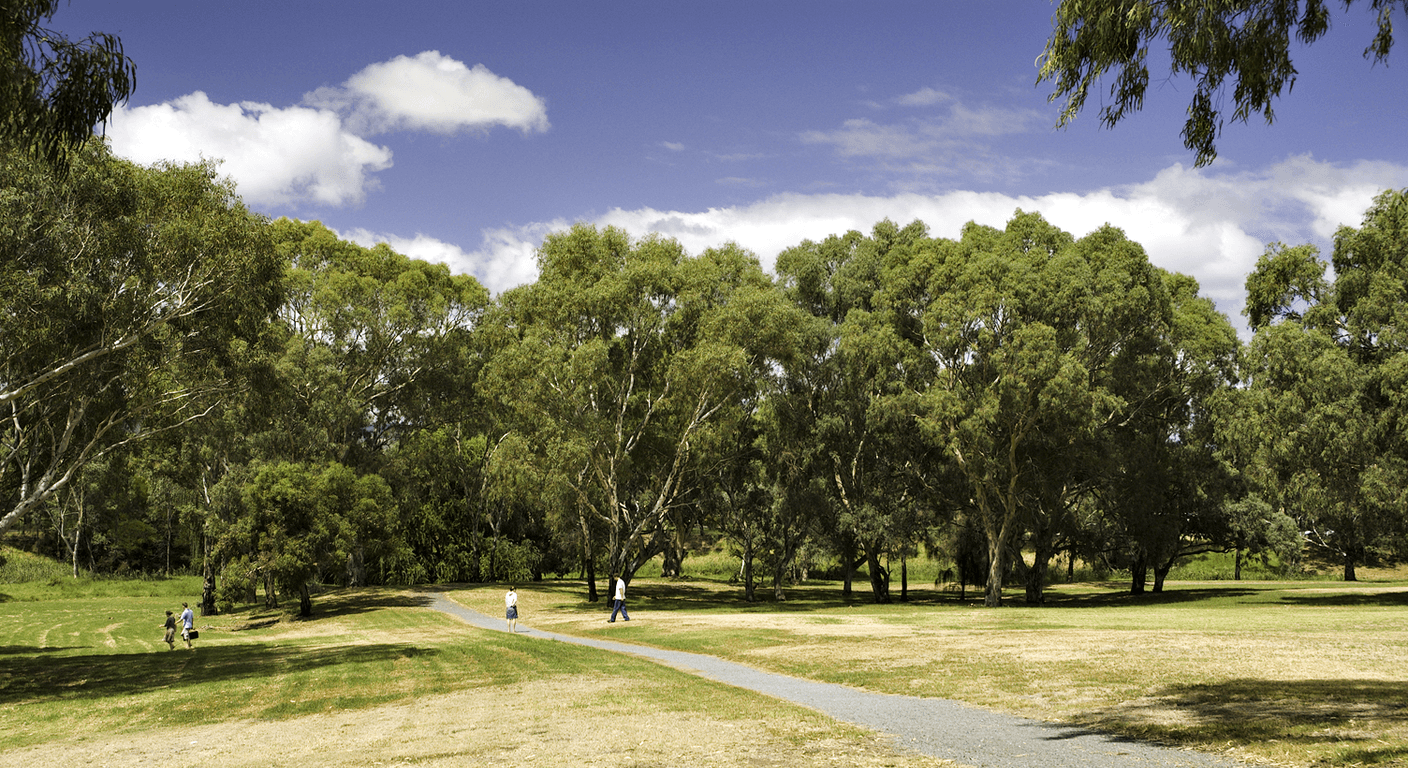
The city-centre section itself — around Elder Park, the Torrens Lake and the Adelaide Festival Centre — is worth a slow loop even if you're not doing a longer ride. It's beautifully maintained, connects several of Adelaide's cultural landmarks, and has plenty of places to sit with a coffee. On a weekday morning in autumn, it can feel almost entirely your own.
Getting to Adelaide from Victoria — and Getting Around Once There
From Melbourne, Adelaide is roughly an hour by air — Qantas, Virgin and Rex all fly the route, with fares varying considerably depending on how far in advance you book. Confirm current schedules and prices directly with airlines. The Overland train between Melbourne and Adelaide is another option for travellers who prefer to avoid flying; it's a scenic overnight journey, though services are limited, so check current schedules with Journey Beyond Rail Expeditions before building plans around it.
Once in Adelaide, the city centre is compact and manageable. The Linear Park Trail is accessible from the CBD on foot or by tram — Adelaide's tram network is free within the city centre, which is a useful detail. The trail itself begins near Elder Park, a short walk from the central tram stops. If you're staying in the city, you can be on the path within 20 minutes of leaving your hotel.
For a solo traveller, Adelaide has a particular ease about it. It's a city that doesn't overwhelm. Streets are wide, signage is clear, and the locals tend to be genuinely helpful rather than performatively so. That matters when you're navigating somewhere unfamiliar on your own.
Hiring a Bike in Adelaide
You don't need to bring your own. Bike hire operators in and near the Adelaide CBD can set you up with a standard hybrid or an e-bike, and e-bikes in particular are worth considering — not because the trail is hilly (it isn't), but because an electric assist means you can ride further without fatigue and return with energy to spare. That's a sensible calculation, not a concession.
Bicycle SA (bikesa.asn.au) is a useful starting point for current hire operator listings and trail maps. The City of Adelaide's website (cityofadelaide.com.au) also maintains information on cycling routes and facilities. Because operators and pricing change seasonally, it's worth confirming availability — and whether advance booking is required — before you travel. Indicative hire costs in recent years have run to around $30–$60 per day for a standard bike and somewhat more for an e-bike, but treat those figures as a rough guide only and confirm directly.
If you're particular about saddle comfort — and after a certain age, most cyclists are — it's entirely reasonable to ask the hire operator about adjustable seats and step-through frames when you enquire. A good operator will have options.
What You'll Find Along the Way
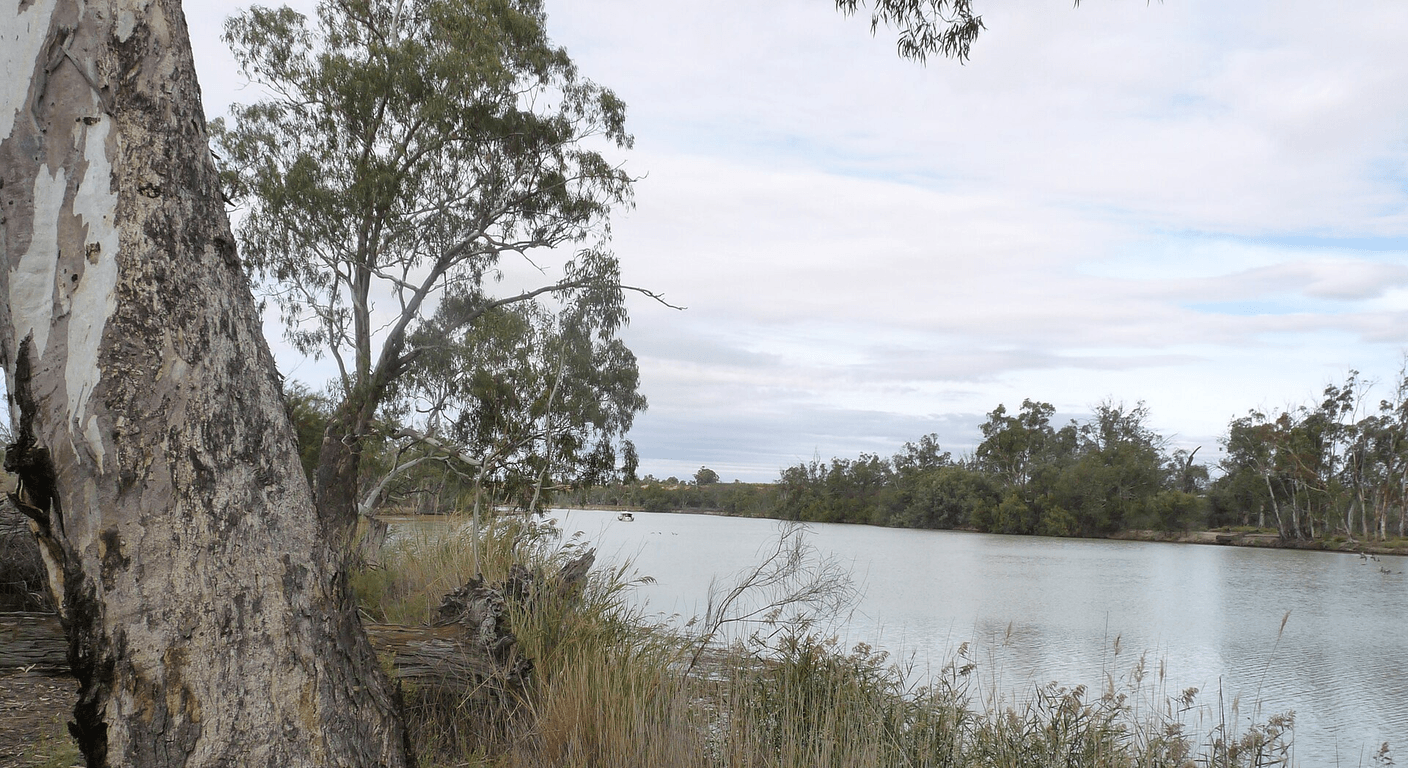
The trail isn't sparse. Along the Torrens corridor you'll pass through reserves with native plantings, areas where local rowing clubs launch their boats in the early mornings, and quieter stretches where the path narrows through river gums and you might see a white ibis standing with tremendous self-importance at the water's edge.
Cafés and rest facilities appear at intervals, particularly through the inner suburbs and the CBD. The Adelaide Zoo sits alongside the river near Frome Road — worth a pause, particularly for the giant pandas, which remain a drawcard. The Botanic Garden is a short detour from the path near the city, and the Festival Centre precinct at Elder Park has a kiosk and shaded seating. None of this requires a plan; it unfolds as you ride.
Benches are reasonably frequent. Shade varies — the section through the city and eastern suburbs is well treed, while the western stretches towards the coast are more exposed. A hat, sunscreen and a water bottle are non-negotiable in Adelaide, particularly from October through March.
Seasonal Timing and What It Changes
Adelaide's climate is Mediterranean in character — hot, dry summers and mild winters. For cycling, autumn (March to May) and spring (September to November) are the comfortable windows. Autumn in particular is lovely along the Torrens: the light is softer, the heat has gone, and the river reserves take on a quieter quality after the summer crowds.
Summer — December through February — is genuinely hot. Adelaide regularly reaches the high 30s and beyond, and a sealed path with limited shade in the western sections becomes an exercise in endurance rather than pleasure. If you're travelling in summer, go very early in the morning and keep the ride short. Winter is mild and perfectly rideable, though some days are grey and the shorter daylight hours limit your window.
Spring brings wildflowers to the reserves and a general sense of the city waking up. Adelaide's festival calendar is also active in autumn and spring — WOMADelaide in early March, the Adelaide Festival in February and March — so combining a Linear Park ride with a cultural event is a very natural pairing.
Practical Considerations Worth Knowing
The path is shared — meaning cyclists and pedestrians use it together. The etiquette is standard: keep left, signal before overtaking, slow around walkers and dogs. It's not a racing track, and treating it as one would be both antisocial and entirely beside the point. The pleasure here is in the pace, not the speed.
For anyone with knee or hip concerns, the flat gradient is genuinely forgiving, but it's worth doing a short test ride before committing to a longer stretch. An e-bike removes most of the worry about return-trip fatigue — you ride out at your own effort and ride back with a little electric assistance. Comfortable shoes matter more than cycling-specific gear; most people on this trail are in ordinary clothes.
Travel insurance is worth checking if you're cycling — some policies have activity exclusions. For a low-speed recreational ride on a sealed path, it's unlikely to be an issue, but read your policy. And if you're combining this Adelaide day with a broader trip, note that South Australia's public transport (Adelaide Metro) allows bikes on trains outside peak hours, which opens up the option of riding one direction and returning by rail.
Quick planning guide
| Ideal pace | Slow-paced and self-directed |
|---|---|
| Best months | Autumn (March–May) and spring (September–November) |
| Suggested stay | Half a day for a 10–15 km section; full day if combining with sightseeing |
| Mobility level | Easy — flat, sealed, car-free path |
| Cost level | Budget-friendly — free trail, bike hire around $30–$60 per day |
| Comfort level | Good — benches, cafés and shade vary by section |
| Best for | Solo travellers over 50 wanting traffic-free, low-effort cycling |
| Main planning consideration | Choosing a manageable stretch rather than the full 30 km, and avoiding the summer heat |
Key takeaways
- Adelaide's Linear Park Trail is entirely flat, sealed and car-free — one of the most accessible cycling routes in Australia for travellers over 50.
- A 10–15 km section near the CBD or the coast delivers a full and satisfying ride without the need to tackle the entire 30-kilometre trail.
- The path itself is free to use; bike hire (including e-bikes) is available in the city centre — confirm operators and current rates before travelling.
- Autumn (March to May) and spring (September to November) are the ideal seasons; summer heat in Adelaide is not to be underestimated.
- Adelaide is roughly one hour by air from Melbourne, and the CBD trail access point at Elder Park is within walking distance of the city's free tram zone.
- E-bikes are a practical choice on this trail — not because it's difficult, but because they extend your comfortable range and leave energy for the rest of the day.
Recommended partners and links
Indicative prices only — always confirm with the operator before booking.
Frequently asked questions
How long is the Torrens Linear Park Trail and do I need to ride all of it?
The Torrens Linear Park Trail is approximately 30 kilometres long, running from the Adelaide Hills to West Beach on the coast. You don't need to ride the full length — a 10 to 15 kilometre section near the CBD or the coast is a comfortable and rewarding ride for most travellers. Most people choose one section and ride it at a relaxed pace.
Is the Torrens Linear Park Trail suitable for older cyclists or beginners returning to cycling?
Yes. The trail is flat, sealed and separated from traffic for its entire length, making it one of the most accessible cycling routes in Australia. It suits riders of all fitness levels, including those returning to cycling after a break. E-bikes are available for hire and are a sensible option for anyone who wants to extend their range without fatigue.
Where can I hire a bike to ride the Torrens Linear Park Trail?
Bike hire operators are available in and near the Adelaide CBD, offering standard hybrid bikes and e-bikes. Bicycle SA (bikesa.asn.au) and the City of Adelaide website (cityofadelaide.com.au) are good starting points for current operator listings. Confirm availability, pricing and whether advance booking is required directly with operators before you travel, as details change.
What is the best time of year to cycle the Linear Park Trail in Adelaide?
Autumn (March to May) and spring (September to November) are the most comfortable seasons. Temperatures are mild, the light is pleasant and the trail is at its most enjoyable. Adelaide's summers are hot — regularly above 35°C — so summer cycling is best done very early in the morning and kept to a short distance.
How do I get to the Linear Park Trail from Adelaide's city centre?
The most central access point is Elder Park, near the Adelaide Festival Centre, which is within walking distance of Adelaide's free tram zone. Adelaide's city tram service is free within the CBD, making it easy to reach the trailhead from most central hotels without needing a car. The path also connects to Adelaide's broader cycling network and several suburban train stations.