Berri, on the Murray River in South Australia's Riverland, suits an easy day trip from Adelaide, about two and a half hours by road via the Sturt Highway. Spring (September–November) or autumn (March–May) are best, avoiding the 40°C-plus summer heat. The flat, shaded Apex Park riverfront walk is the highlight, easily managed with a walking stick, alongside the Big Orange landmark and Riverland General Store museum. A shared car is the most practical option, as coach services are infrequent.
Why Berri Works So Well for a Day Out with Friends
There's a particular pleasure in a day that hasn't been over-organised. Berri, on the South Australian stretch of the Murray River, is built for exactly that. The town is compact, the riverfront is accessible, and the pace is entirely your own. For a group of friends who'd rather spend the day talking than navigating, it's a sound choice.
The drive from Adelaide takes around two and a half hours along the Sturt Highway — a straightforward run through the Barossa and into the Riverland. No tolls, no complicated navigation, and the road is comfortable for anyone sharing the driving. If you're coming from regional Victoria, factor in a longer drive via Mildura or Renmark; an overnight stop in the Riverland makes more sense for that journey.
Berri isn't trying to be a destination resort. It's a working river town with a main street, a few good cafes, and a riverfront that the locals clearly value. That straightforwardness is part of the appeal — you're not paying a premium for atmosphere someone else has manufactured.
The Apex Park Riverfront Walk: What to Expect
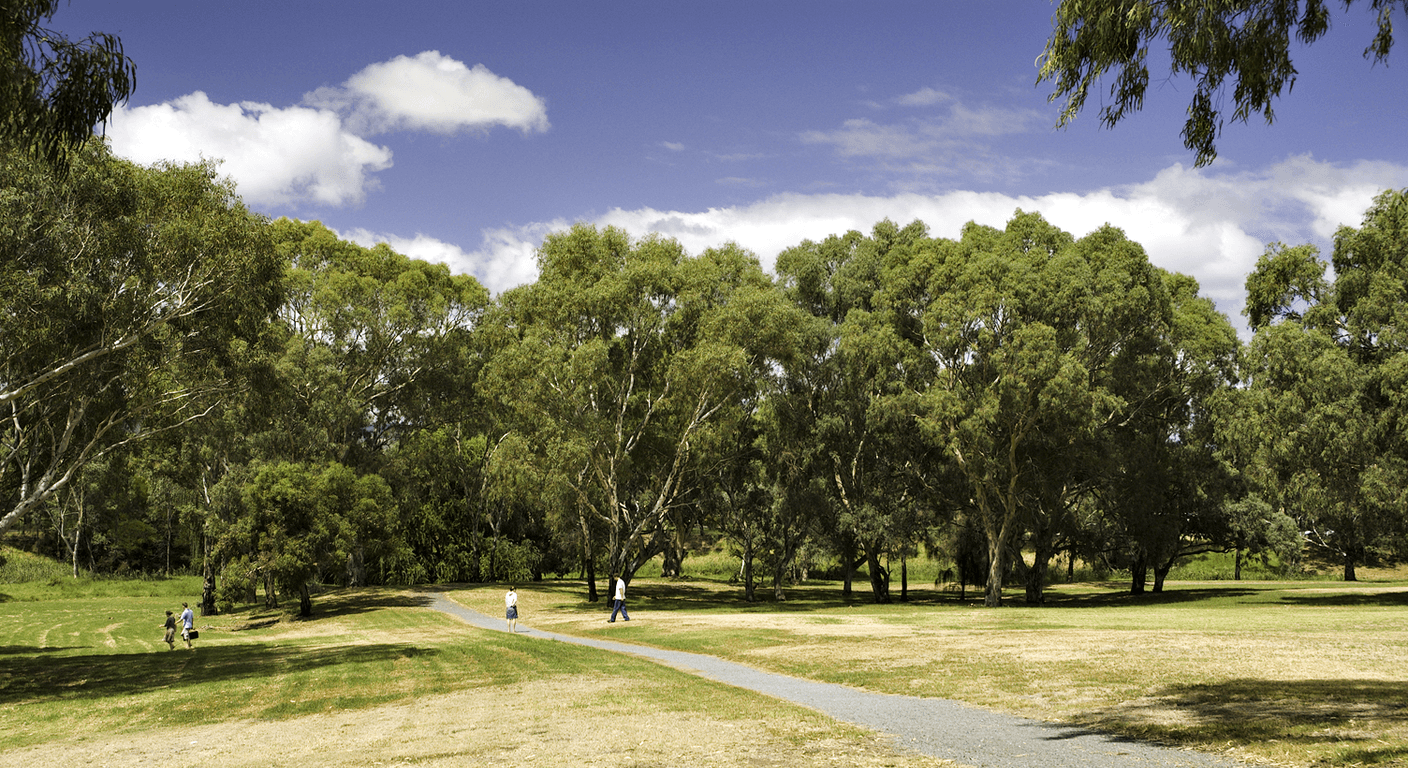
Apex Park is the centrepiece of any visit to Berri. The riverfront path runs along the Murray and is largely flat, with a mix of sealed and firm gravel surfaces that are comfortable for most walkers, including those with a walking stick or who prefer to take things slowly. There are shaded areas, picnic tables and public amenities — the kind of practical infrastructure that makes a relaxed morning genuinely relaxing.
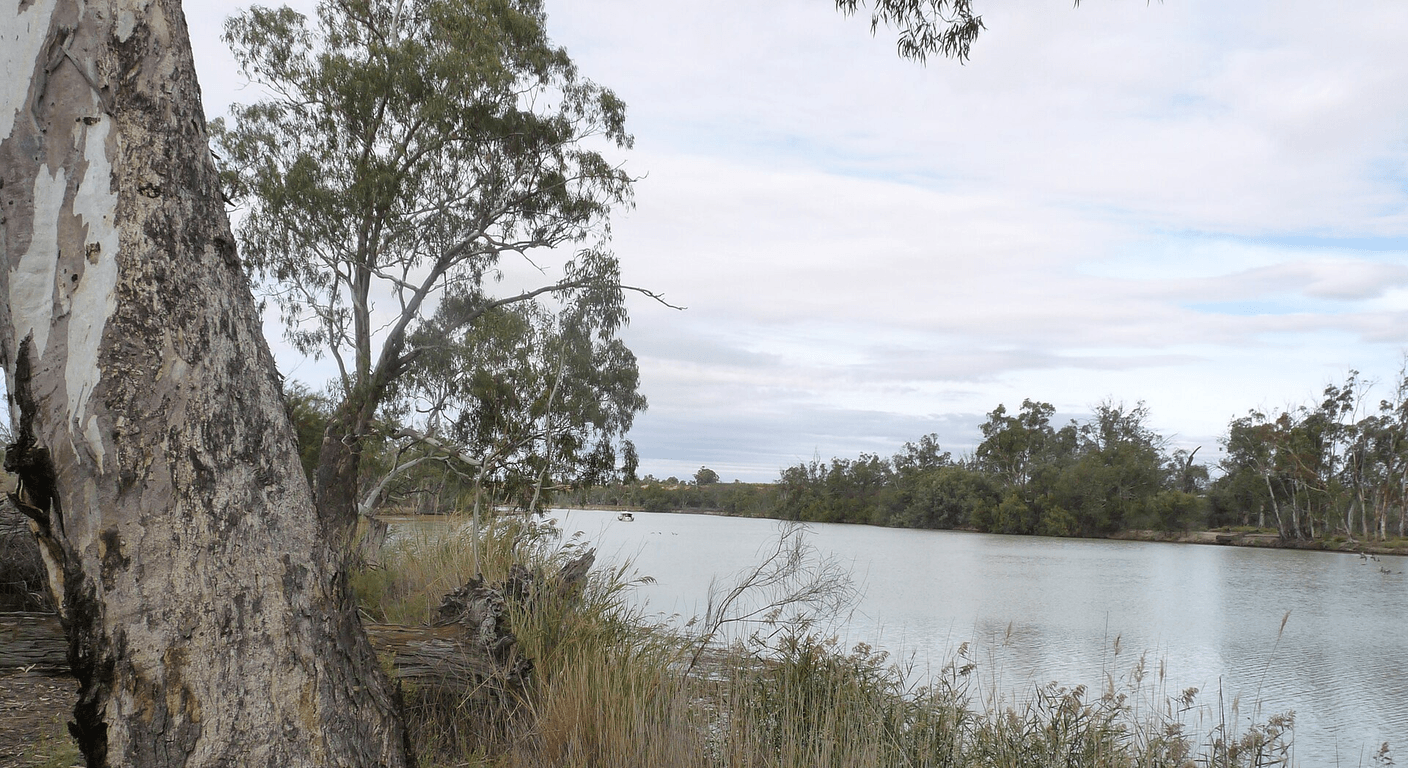
The Murray here is wide and calm-looking, though river currents can be deceptive. The walk is best appreciated as a stroll rather than a workout — stop often, find a bench, watch a pelican land with its characteristic lack of grace. If the group has different energy levels, it's easy for some to sit while others walk a little further along the bank.
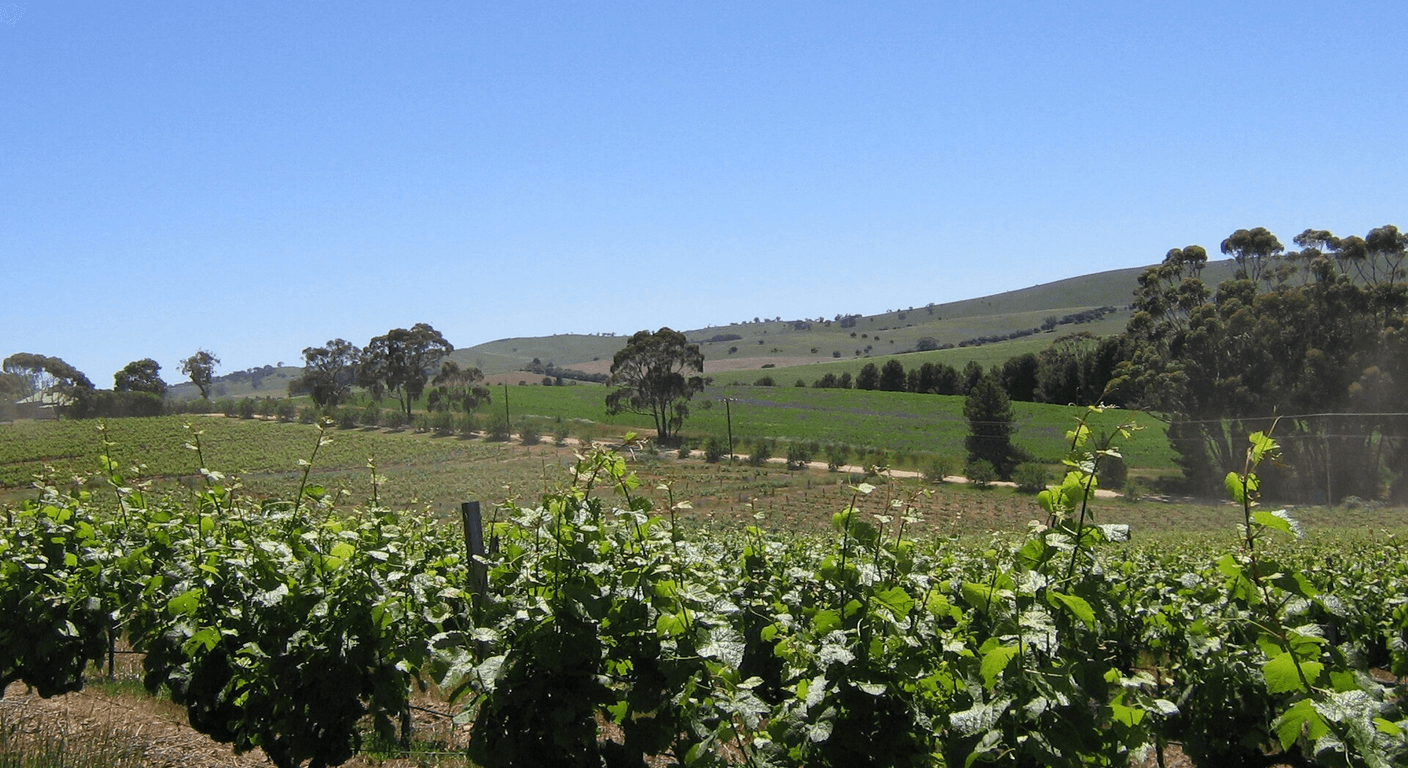
Morning is the best time to be here, especially from October through April when temperatures climb quickly. Pack a proper picnic — the Berri area produces excellent citrus, stone fruit and table grapes, and local supermarkets and roadside stalls stock them well. A riverside lunch under the gums costs nothing and tends to be the part of the day everyone remembers.
The Big Orange: Worth Seeing, Worth Checking First
The Big Orange is Berri's most photographed landmark — a large fibreglass orange sculpture that sits at the edge of town and belongs to Australia's long tradition of oversized roadside novelties. It's the kind of thing that's genuinely fun to see, particularly for anyone who grew up in an era when these structures felt like proper destinations. The group photo opportunity is, frankly, excellent.
The honest caveat: the Big Orange has had a complicated history of closures, ownership changes and periods of inactivity. It should not be the sole reason you make the drive. Check with the Berri Barmera Council or the Riverland Visitor Information Centre before you go to confirm whether it's currently operating and accessible. Even if the interior isn't open, the exterior is visible from the road and worth a brief stop.
Think of it as a bonus rather than an anchor. If it's open, wonderful — go in, enjoy whatever's on offer, take the photos. If it's not, Apex Park and the Riverland General Store carry the day comfortably on their own.
Riverland General Store Museum: A Quiet Bit of History
The Riverland General Store museum covers the pioneering history of the region — the soldier settler schemes, the fruit industry that shaped the Riverland landscape, and the everyday lives of the people who built these towns along the Murray. It's the kind of local history display that rewards genuine curiosity rather than a quick scan.
For travellers with Latin Australian heritage, there's something particularly interesting in the migration stories embedded in Riverland history. The Riverland attracted waves of European migrants — Italian, Greek, German — who worked the orchards and established families here through the mid-twentieth century. Those threads aren't always prominently labelled, but they're present if you look.
Confirm opening hours and any entry fees directly with the museum before visiting, as community-run facilities in regional towns can have variable schedules. Indicative entry costs for small regional museums of this type are often low or by donation — but confirm current arrangements before you go.
Getting There and Getting Around Berri
Driving is the most practical option from Adelaide. The Sturt Highway is well-maintained and the two-and-a-half-hour run is manageable for most drivers, with rest stops along the way. If the group prefers not to drive the full distance, the Barossa Valley or Gawler make reasonable halfway break points.
Regional coach services do connect Adelaide to Berri — Greyhound and regional operators have historically served the Sturt Highway corridor — but services are infrequent and may not suit a day-trip itinerary. Check current schedules via the South Australian Government's transport pages or directly with operators, and confirm before booking. For a day trip, a shared car is far more flexible.
Within Berri itself, the key sites are close enough to walk between or reach with a short drive. Apex Park is near the town centre; the Big Orange is on the main highway approach. Parking is readily available and free at the riverfront.
Seasonal Considerations and What to Pack
The Riverland runs hot. Summer temperatures regularly exceed 40°C, and Berri is not a place to underestimate the sun. If you're visiting between December and February, an early start — on the water by 8am, off it by 11am — is the sensible approach. Hats, sunscreen and a proper water bottle are non-negotiable, not suggestions.
Spring and autumn are the seasons that make Berri genuinely pleasant. September through November brings mild days, wildflowers along the riverbank and the tail end of citrus season. March through May offers warm, settled weather after the summer heat breaks, and the stone fruit harvest is wrapping up. These are the windows to aim for.
Winter (June–August) is cool and can be crisp in the mornings, but clear days are common and the river has a different, quieter beauty in low season. Layers are enough — the Riverland doesn't get the frosts that inland Victoria does. It's a perfectly valid time to visit if the summer heat is a concern.
Making a Day of It: A Loose Itinerary for a Group
A well-paced day in Berri might look something like this: arrive mid-morning after the drive, drop into the visitor information centre to confirm what's open, then head straight to Apex Park for a riverside walk before the heat sets in. Ninety minutes along the river, with stops for photos and a sit-down, is about right.
Lunch at a riverside picnic spot — or one of Berri's cafes on the main street — makes a natural midpoint. The afternoon suits the Riverland General Store museum and, if it's operating, the Big Orange. Neither demands a long visit, so the group can take its time without feeling rushed.
The drive back to Adelaide in the late afternoon puts you home by early evening. For those coming from Victoria, an overnight in Berri or nearby Renmark turns it into a more relaxed two-day trip and removes any pressure from the schedule — which, at the end of the day, is exactly the kind of decision that makes travel more enjoyable.
Quick planning guide
| Ideal pace | Slow-paced and unhurried |
|---|---|
| Best months | September–November and March–May |
| Suggested stay | Day trip, extendable to an overnight for longer drives |
| Mobility level | Easy - flat, shaded riverfront paths suitable for walking sticks |
| Cost level | Budget-friendly |
| Comfort level | Casual, low-key regional town |
| Best for | Groups of friends wanting a relaxed, self-paced day out |
| Main planning consideration | Confirm the Big Orange is open before relying on it, and drive rather than depend on infrequent coach services |
Key takeaways
- Berri's Apex Park riverfront walk is flat, shaded and well-suited to easy-paced walkers — one of the most accessible river walks in the Riverland.
- The Big Orange has a history of closures; confirm it's currently open before making it the centrepiece of your day.
- Spring (September–November) and autumn (March–May) are the ideal seasons — summer heat regularly tops 40°C and demands an early start.
- Berri is roughly two and a half hours by road from Adelaide, making it a realistic day trip with a comfortable return before dark.
- The Riverland General Store museum offers genuine local pioneering history, including migration stories that shaped the region's character.
- A shared car is the most practical way to visit — regional coach services exist but are infrequent and poorly suited to a day-trip schedule.
Recommended partners and links
Indicative prices only — always confirm with the operator before booking.
Frequently asked questions
Is the Big Orange in Berri currently open?
The Big Orange has had repeated closures and changes in operation over the years. Before visiting, confirm its current status directly with the Berri Barmera Council (berribarmera.sa.gov.au) or the Riverland Visitor Information Centre. Even if it's not open, the exterior is visible from the highway and worth a brief roadside stop.
Is the Apex Park riverfront walk suitable for older or less mobile travellers?
Yes. The riverfront path through Apex Park is largely flat with sealed and firm gravel surfaces, making it accessible for most walkers including those using a walking stick. There are benches, shaded areas and public facilities along the route. It's rated Easy for mobility.
What is the best time of year to visit Berri for over-50 travellers?
Spring (September to November) and autumn (March to May) offer the most comfortable conditions, with mild temperatures and settled weather. Summer heat regularly exceeds 40°C, which can be managed with an early start but is genuinely demanding. Winter is cool and clear, and a reasonable option for those who prefer to avoid the heat entirely.
Can you get to Berri from Adelaide without a car?
Regional coach services do connect Adelaide to Berri along the Sturt Highway corridor, but services are infrequent and may not align well with a day-trip schedule. For a day trip, a shared car is far more practical. Check current coach timetables via the South Australian Government transport pages or directly with operators before making plans.
What else is worth doing near Berri on a day trip?
The broader Riverland region offers several extensions to a Berri day trip. Renmark, about 30 minutes further east, has its own riverside precinct and the Olivewood historic estate. Loxton's historical village is another option in the same general direction. The Barossa Valley sits between Adelaide and Berri and suits a comfortable break on the drive in or out.