Agnes Water and the Town of 1770, on Queensland's southern reef coast, are best visited in the shoulder seasons of April–June or September–October, when weather is warm and crowds are light. A few days suits the pace, pairing Agnes Water's surf beach with Town of 1770's calm inlet and headland sunsets. There's no public transport; a car is essential. Mobility is moderate, with flat paths but effort needed for LARC tours and national park trails.
What makes Agnes Water and Town of 1770 worth the drive?
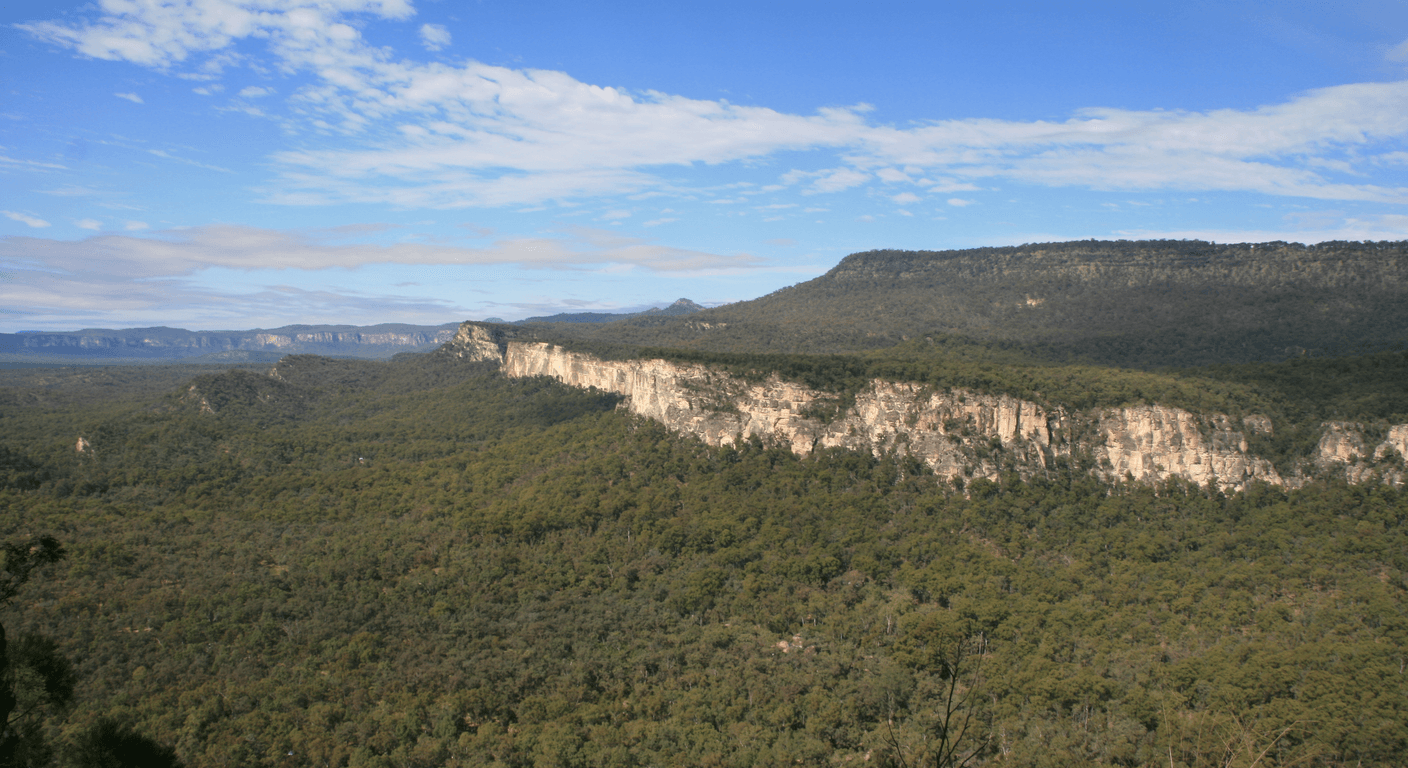
There is a particular kind of satisfaction in arriving somewhere that has not been smoothed over for tourism. Agnes Water and the Town of 1770 — officially two separate places sitting about three kilometres apart on a narrow peninsula — offer exactly that. The drive in from the Bruce Highway via Miriam Vale is around 60 kilometres of open Queensland country, and the moment you crest the last rise and see the coast open out below, it becomes clear why people who find this place tend to come back.
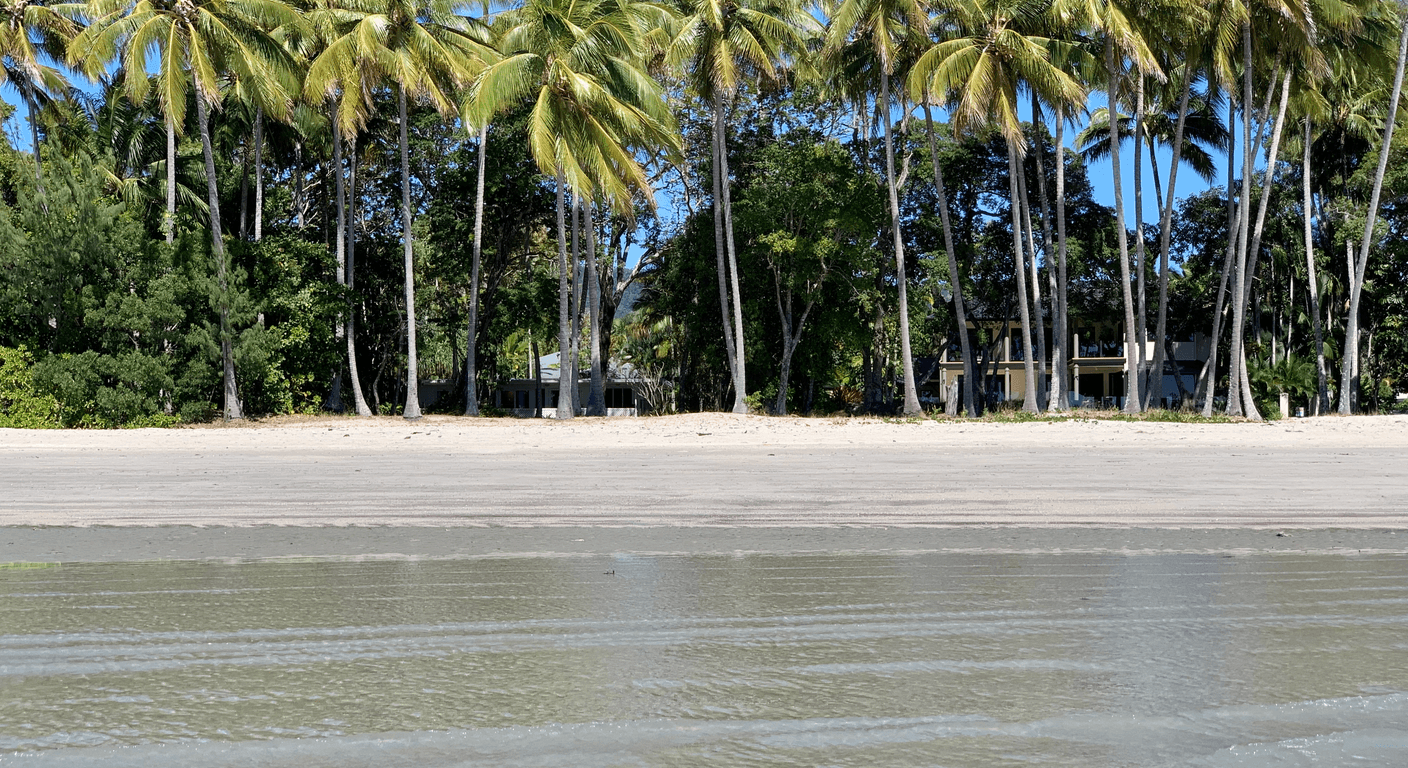
Agnes Water carries the distinction of being Queensland's northernmost surf beach. The waves here are real — not enormous, but consistent enough to have a proper surf club and to attract younger board riders. For travellers who are happy to watch from the shore or wade in the shallows, the beach itself is broad, the sand firm underfoot near the water line, and the foreshore relatively uncrowded outside school holidays. Town of 1770, just up the road, is a different proposition entirely: a small headland settlement on the edge of Bustard Bay and Rodd's Bay inlet, where the water is calm, shallow, and warm for much of the year.
The historical weight of the place is genuine. In May 1770, Lieutenant James Cook and his crew made their second landing on Australian soil here, naming the spot after the year of their visit. A modest monument and lookout on the headland mark the site. It is the kind of place where you sit on the grass, look out at the water Cook would have surveyed, and let that sit with you for a while — no entry fee, no crowd, no fanfare.
Getting there: why a car is not optional
Let this be clear from the outset: Agnes Water and the Town of 1770 are not served by regular public transport. There is no train line. Bus connections from Bundaberg or Gladstone are limited and do not go all the way into town. For a couple travelling from Victoria, the realistic options are flying into Bundaberg or Gladstone and hiring a car, or driving the full distance from home as part of a longer Queensland road trip. Most people who visit are self-driving, and the roads are straightforward — the Bruce Highway is well maintained, and the turnoff at Miriam Vale to Agnes Water is clearly signed.
The drive from Melbourne is genuinely long — roughly 2,000 kilometres — and it is worth being honest with yourself about what two or three days of extended driving feels like at 73. Breaking the journey over five or six days, with stops at towns like Ballina, Coffs Harbour, Port Macquarie, or Rockhampton, makes the trip itself part of the experience rather than something to endure. Alternatively, flying into Bundaberg (Virgin Australia and Qantas Link both service Bundaberg from Brisbane) and hiring a car for the local leg keeps the driving manageable. Confirm current flight and hire car availability before planning.
Once you are in Agnes Water and Town of 1770, a car remains useful but the footprint of both settlements is small enough that a short drive or even a slow walk covers most of what you need. The main shops, cafes, and beach access in Agnes Water are clustered within a few minutes of each other. Town of 1770 is a single headland road. Parking is easy and free.
The LARC tours: an amphibious trip up the coast
One of the genuine set-pieces of a visit here is the LARC tour operated by 1770 LARC Tours. LARC stands for Lighter Amphibious Resupply Cargo — these are former military amphibious vehicles that drive straight from the beach into the water and continue along the coastline and into the national park country north of Town of 1770. It sounds like a novelty, but it is genuinely well done, and for couples who want to see the coastline without hiking it, there is nothing else quite like it in this part of Queensland.
Tours run from Town of 1770 beach and head up into Eurimbula National Park and along the Bustard Bay coastline, with commentary on the history of the area, the Cook landing, and the natural environment. Shorter tours run around an hour and a half; longer sunset tours extend to three hours or more. Indicative pricing at time of writing was roughly $50 for shorter options and up to around $115 for the full sunset experience, but you should confirm current pricing and tour schedules directly with 1770 LARC Tours at their website before planning your trip. Bookings are advisable, particularly in peak periods.
Accessibility on the LARC is worth checking directly with the operator. The boarding process involves stepping onto a vehicle from the beach, and the ride itself is not smooth over water. It is suitable for most people with reasonable mobility, but if you have significant knee or hip concerns, it is worth phoning ahead and describing your situation honestly so the operator can advise you. The tours are run by locals who know this coast well, and the experience is as much about the storytelling as the scenery.
The beach versus the inlet: choosing your swim
Agnes Water beach faces east and catches the open Pacific swell. The surf is real, the rips are present, and the surf club patrols the flagged area on weekends and during school holidays. Outside those times, flagged patrol hours can be reduced — always check with the Agnes Water Surf Life Saving Club before swimming, and swim between the flags. For a 73-year-old who has not surfed since his thirties, the surf beach is best enjoyed from the shore or in the very shallow break, which is pleasant enough on a warm morning.
Town of 1770's inlet is a different matter entirely. The water off the 1770 foreshore and the small beach near the marina is calm, shallow, and warm. Stingers (jellyfish) can be present in these waters during the warmer months — roughly November through April — so a lycra stinger suit is sensible if you are swimming in that period. Outside stinger season, the inlet swimming is genuinely lovely: flat water, good visibility, and the kind of gentle conditions that suit a long, unhurried float. The foreshore is grassy and shaded, with benches and a low-key boat ramp area nearby.
For couples where one person wants surf and the other wants calm water, this pairing of two beaches three kilometres apart is one of the practical pleasures of the destination. Agnes Water beach also has a grassed foreshore area with picnic facilities, and the walking path along the beachfront is flat and suitable for most mobility levels.
Sunsets on the headland and what to do with a slow afternoon
Town of 1770's reputation for sunsets is well founded and requires no embellishment. The headland faces west over Bustard Bay, and on a clear evening the light across the water is the kind that makes you stop what you are doing and simply watch. There are grassed areas near the lookout, a few benches, and enough space that you rarely feel crowded even when others have had the same idea. Arriving around 45 minutes before the scheduled sunset gives you time to settle, and sunset times can be checked through the Bureau of Meteorology website.
Beyond the sunset, the pace of a Town of 1770 afternoon is deliberately slow. There is a small marina, a boat hire operation, and the 1770 Brewhouse nearby for a cold drink. The Eurimbula National Park, accessible by four-wheel drive or on foot via a short trail near Town of 1770, offers a taste of coastal scrub and estuary country. The national park trails are not all sealed or even graded for easy walking — check Parks Queensland's website for current track conditions before heading in.
Agnes Water itself has a small but well-stocked IGA supermarket, a bottle shop, and a handful of cafes and restaurants that cover the basics without pretension. The town has a community feel — it is a place where people who live here actually live here, not just service tourists — and that gives the few cafes and shops a grounded quality. Do not expect a wide dining scene; do expect decent coffee, fresh seafood when available, and meals that are honest and generous.
Where to eat and stay: the low-key dining scene
The dining options in Agnes Water and Town of 1770 are limited in number but reasonably reliable in quality. The Agnes Water Tavern is the most established venue in town, with a broad menu, indoor and outdoor seating, and the kind of relaxed pub atmosphere that suits a long lunch after a morning at the beach. Seafood features regularly, and the kitchen is consistent. Indicative main meal prices are around $25–$40; confirm current menu and pricing on arrival or via their website.
For something quieter, the 1770 Brewhouse at Town of 1770 offers locally brewed beer and a food menu in a casual setting overlooking the inlet. It is a good spot for an early evening drink before the sunset walk to the headland. A small number of cafes in Agnes Water cover breakfast and lunch — Getaway Garden Cafe has been well regarded by locals for relaxed morning meals, though hours and trading days can vary by season, so checking ahead is sensible. There is no fine dining here, and that is entirely the point.
Accommodation ranges from a holiday park (Agnes Water Beach Caravan Park sits close to the beach and is popular with self-contained travellers) to a small number of holiday houses and units available through platforms like Stayz. The 1770 Camping Ground, managed by the local council, is an option for those with a van or tent. For couples who want a self-contained unit with a kitchen — useful when dining options are limited — booking through a local agent or Stayz well ahead of shoulder season is advisable. There is no large resort-style accommodation here.
When to go and what shoulder season actually means here
The shoulder seasons — April through June, and September through October — are genuinely the best times to visit Agnes Water and Town of 1770 for travellers who value quiet and comfort. Queensland's summer (December through March) brings heat, humidity, and the possibility of tropical weather systems, as well as the peak of stinger season. School holidays in January and at Easter bring the bulk of domestic visitors. Outside those periods, the town quiets considerably.
April and May in particular offer warm but not oppressive temperatures — typically in the mid-to-high twenties Celsius — low humidity, and the tail end of the green season's colour in the surrounding bush. The water temperature in autumn is still comfortable for swimming without a wetsuit. June and July are slightly cooler, particularly in the evenings, but still mild by Victorian standards and well suited to walking and touring.
For a couple from Melbourne, the climate contrast alone in May or June is part of the appeal. Leaving a cool Victorian autumn and arriving in warm, settled Queensland weather for a week or two is a straightforward pleasure. The drive or fly-drive combination works well as part of a longer circuit that might include Bundaberg (and the Mon Repos turtle centre, worth noting as a separate experience), the Capricorn Coast, or the southern Whitsundays on the return leg.
Quick planning guide
| Ideal pace | Slow-paced, suited to staying put for a few days |
|---|---|
| Best months | April–June and September–October (shoulder seasons); avoid summer stinger season and school holidays for a quieter visit |
| Suggested stay | A few days in one place |
| Mobility level | Moderate — flat foreshore paths and easy parking, but LARC tour boarding and national park trails require reasonable fitness |
| Cost level | Budget-friendly to mid-range (pub meals, tours, and self-contained stays; no resort-style pricing) |
| Comfort level | Casual and low-key, with limited but reliable dining and accommodation options |
| Best for | Couples travelling at a measured pace who want beach and inlet swimming, coastal history, and an unhurried few days |
| Main planning consideration | A hire car or self-drive is essential, as there is no regular public transport to either town |
Key takeaways
- Agnes Water is Queensland's northernmost surf beach; Town of 1770, three kilometres away, offers calm inlet swimming — two very different experiences on the same short peninsula.
- There is no regular public transport to Agnes Water or Town of 1770; a hire car or self-drive is essential for any visitor.
- The LARC amphibious tours from Town of 1770 are a practical and well-run way to see the coastline and Eurimbula National Park without hiking; confirm current pricing and accessibility directly with the operator.
- Stinger season runs roughly November through April in these waters — outside that window, inlet swimming is relaxed and well suited to older travellers.
- Shoulder season visits in April–June offer settled warm weather, low humidity, and significantly fewer visitors than the summer or school holiday peaks.
- The dining scene is honest and limited — the Agnes Water Tavern and 1770 Brewhouse cover most needs, but self-contained accommodation with a kitchen is a practical choice for a longer stay.
Recommended partners and links
Indicative prices only — always confirm with the operator before booking.
Frequently asked questions
Can you get to Agnes Water and Town of 1770 without a car?
Not easily. There is no regular public transport service into Agnes Water or Town of 1770. The nearest regional centres with flights are Bundaberg and Gladstone; from either, a hire car is necessary for the remaining 100–160 kilometres to Agnes Water. Most visitors either drive from home or fly into a regional hub and hire a car.
Are the LARC tours suitable for older travellers or those with limited mobility?
The LARC tours involve boarding a military amphibious vehicle from the beach and travelling over open water, which is not a smooth ride. They are generally suitable for people with reasonable mobility, but anyone with significant knee, hip, or balance concerns should phone 1770 LARC Tours directly before booking to discuss their specific situation. The operator is experienced and can advise honestly.
Is it safe to swim at Agnes Water beach without a surf lifesaving patrol?
Agnes Water beach has real surf and rip currents. The Agnes Water Surf Life Saving Club patrols the flagged area on weekends and during school holidays, but patrol hours are reduced at other times. Always check current patrol times before swimming, swim between the flags when patrols are active, and consider the calm inlet at Town of 1770 as a safer alternative outside patrolled hours.
What is the best time of year for seniors to visit Agnes Water?
April through June is the most comfortable period for older travellers: temperatures are warm but not oppressive (typically mid-to-high twenties Celsius), humidity is low, stinger season has passed, and visitor numbers are well below peak. September and October are also good. Avoid December through March if heat, humidity, and crowds are concerns.
How far is Agnes Water from Bundaberg, and is it worth combining the two?
Agnes Water is roughly 100 kilometres north of Bundaberg, about an hour and fifteen minutes by car. The two destinations combine well: Bundaberg offers the Mon Repos turtle research centre (seasonal, check dates), a city-level range of accommodation and dining, and the Bundaberg Rum Distillery for those interested. Flying into Bundaberg, spending a night or two there, then driving up to Agnes Water for three to five nights makes for a well-paced Queensland week.