Carnarvon Gorge, in Queensland's central outback around 700 kilometres from Brisbane, is best visited May to August when days are warm and clear and creek levels are manageable. A two-to-three day stay suits most travellers, focused on the Moss Garden and the Art Gallery rock art rather than the full 19-kilometre return to Cathedral Cave. Walking is moderate, with flat tracks but around 30 stepping-stone creek crossings. Access requires a flight to Brisbane or Rockhampton, a hire car, and a final 21-kilometre unsealed road.
What makes Carnarvon Gorge worth the trip from Victoria?
Carnarvon Gorge sits inside Carnarvon National Park, roughly 700 kilometres north-west of Brisbane and about as far from the Victorian border as you can get while still being in Australia. That distance is the first thing to reckon with honestly — this is not a weekend away from Melbourne. But for a solo traveller who has the time and the inclination to go somewhere genuinely different, the gorge delivers a quality of landscape and quiet that is hard to find closer to home.
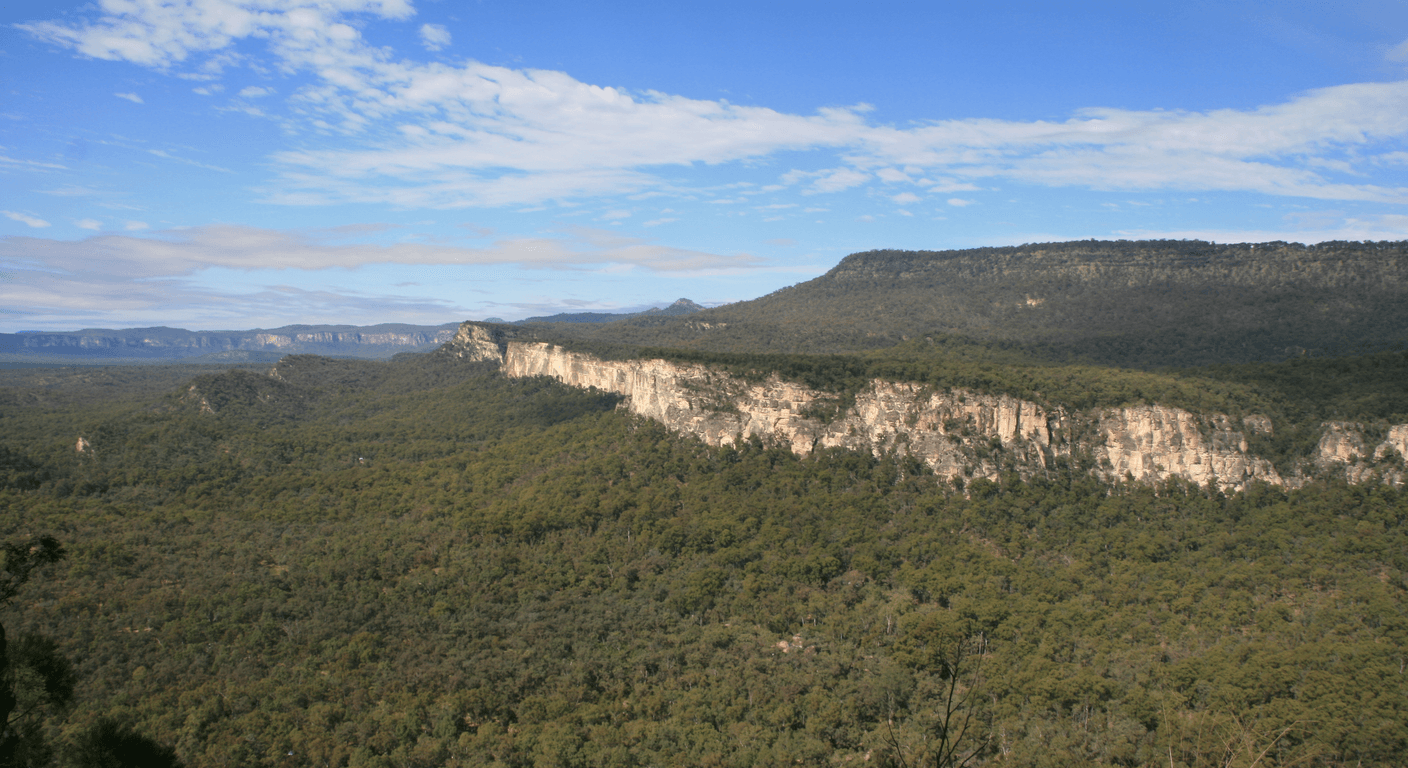
The gorge itself is a 30-kilometre slot carved by Carnarvon Creek through pale sandstone. The cliffs rise to around 200 metres in places, and the creek keeps the gorge floor cool and green even in the dry season. King ferns — ancient plants that look as though they belong in a prehistoric documentary — line the creek banks. Platypus are present in the quieter pools, most reliably at dawn or dusk. And the Aboriginal cultural sites, particularly the Art Gallery and Cathedral Cave, contain ochre stencils and engravings that are among the most significant in Queensland.
For a traveller who has spent decades exploring Victoria and perhaps ticked off the more obvious Queensland destinations, Carnarvon offers something different again: a slow, interior landscape that asks you to pay attention rather than rush. That suits a solo pace well.
When should you go, and what is the weather actually like?
April through October is the accepted visitor season, and for good reason. Central Queensland summers are hot, humid and prone to flash flooding — the access road can become impassable and the creek crossings on the main track can be dangerous. Arriving outside the season is a genuine risk, not just a mild inconvenience. April and September-October offer warm days and cool nights; June and July can see overnight temperatures drop to near zero, so pack accordingly.
May through August sits in the sweet spot: days are reliably clear and warm enough to walk comfortably, nights are cool and good for sleeping, and the creek is typically at a manageable level for the stepping-stone crossings. School holidays in Queensland (particularly the July fortnight) bring more families to the area, so if solitude matters — and for many solo travellers it does — aim for the shoulder months of May, early June, or September.
Rain can arrive even in the dry season, so carry a light waterproof layer. The gorge floor stays significantly cooler than the surrounding tableland, which is a relief on warmer days but means a fleece is useful in the morning for the early starts that give you the best chance of seeing platypus.
How do you get there from Victoria — and how do you manage the remote drive in?
Flying to Brisbane or Rockhampton and hiring a car is the most practical approach for most Victorian travellers. From Brisbane, the drive is roughly 700 kilometres via Roma, taking the Carnarvon Highway north from Roma to Rolleston and then west on the Carnarvon Developmental Road. From Rockhampton, you come in from the east via Springsure — a slightly shorter distance but similar driving time. Either way, plan for two days of driving with an overnight stop rather than attempting it in one push.
The final 21 kilometres from the Carnarvon Developmental Road turnoff to the park entrance is an unsealed dirt road. In dry conditions it is generally manageable in a standard 2WD vehicle, but it is corrugated and dusty, and conditions can change after rain. Check road conditions with Queensland's 13 19 40 road information line or the Queensland Transport and Main Roads website before you commit to the final leg. If you have any doubt about the surface, a 4WD hire vehicle is worth the extra cost.
Fuel is the other critical planning point. There is no fuel inside the national park. Rolleston, roughly 100 kilometres from the park entrance, is the last reliable fuel stop heading in from the east. Injune, around 80 kilometres to the south, is another option depending on your route. Carry a full tank and, if you have the means, a small jerry can for peace of mind. Do not assume the servo at a small town will be open when you pass through — check hours in advance if possible. This is genuinely remote country and a fuel miscalculation is a significant problem.
What should you actually walk — honest advice for a traveller in his late sixties?
The main track runs along the gorge floor, following Carnarvon Creek for roughly 9.7 kilometres one way to Cathedral Cave, the furthest major cultural site. That is a 19-kilometre return day — long by most standards, and particularly long if you are 69 and travelling solo. The track itself is mostly flat and well-formed, but it involves around 30 creek crossings on stepping stones, some of which require a bit of balance and attention. After rain, several crossings become deeper and more challenging. The honest assessment is that the full return walk to Cathedral Cave is achievable for a fit older walker but leaves little margin for a slow pace or a bad knee day.
A far more satisfying strategy is to focus on the nearer highlights over two or three days, walking shorter sections at a relaxed pace. The Moss Garden, at around 3.6 kilometres from the car park, is the standout recommendation: a sheltered alcove where water seeps through the sandstone and feeds a wall of vivid green moss and maidenhair fern. It is one of the more quietly extraordinary things in Queensland and well within reach of most walkers. The Amphitheatre, a narrow canyon reached by a short ladder climb, is at 2.7 kilometres — doable and dramatic. Ward's Canyon, at 4 kilometres, adds king ferns to the mix.
If you want to reach the Aboriginal cultural sites — the Art Gallery at 5.6 kilometres and Cathedral Cave at 9.7 kilometres — consider doing them on separate days, turning around after each site rather than pushing on. The Art Gallery alone is well worth a half-day return. Cathedral Cave requires a commitment to the full distance; go only if you are confident in your pace and the creek levels are low. Arriving at camp tired and stiff is one thing; arriving injured and alone in a remote national park is another. Carry water, a snack, a charged phone, and tell the resort or campground where you are heading and when you expect to return.
Where do you stay near Carnarvon Gorge?
There are two main private accommodation options near the park entrance, plus the Queensland Parks campground inside the park itself. Carnarvon Gorge Wilderness Lodge is the more upmarket choice — a safari-style lodge with comfortable cabins, meals included, and guided walks available. It suits a solo traveller who wants the logistics handled and enjoys the social dynamic of a small lodge. Indicative rates are around $250 to $400 or more per person per night all-inclusive, but confirm directly as pricing structures and availability change. The lodge's guided walk program is worth factoring in — having a knowledgeable guide for the Art Gallery, in particular, adds real depth to the cultural sites.
Takarakka Bush Resort is the more self-contained option, with a range of cabins, powered sites and unpowered camping. It suits travellers who prefer to manage their own schedule and cook their own meals. Indicative cabin rates are roughly $150 to $250 per night, but again, confirm current pricing directly with the resort. Both properties are located outside the national park boundary, close to the entrance. Book well ahead for the May-to-September peak — these are small operations with limited rooms.
The Queensland Parks campground inside the gorge is basic but well-maintained, with pit toilets and no showers. It is a genuine option for a solo traveller comfortable with bush camping and capable of carrying a pack, but the distance from the car park and the absence of facilities make it less suitable as a first choice for most travellers in this age group. Details and bookings are through the Queensland Parks website.
What is the Aboriginal cultural significance of the gorge, and how do you approach it respectfully?
Carnarvon Gorge is part of the Country of the Bidjara people, and the rock art sites within the gorge are among the most extensive and best-preserved in Queensland. The Art Gallery contains hundreds of stencilled hands, boomerangs, nets, and other objects pressed in ochre against the sandstone wall. Cathedral Cave, further along the track, holds engravings as well as stencils. These are living cultural places, not museum exhibits, and approaching them with that understanding matters.
Stay on the designated viewing platforms at both sites — they exist to protect the art from the oils and moisture of human contact, not to inconvenience visitors. Photography is generally permitted for personal use but check current guidelines at the park or with your accommodation. Do not touch the rock surfaces, and keep voices low. The guided walks offered by Carnarvon Gorge Wilderness Lodge include interpretation from staff with cultural knowledge, which genuinely improves the experience — context transforms what you are seeing.
Taking time to read the interpretive signage at each site before moving on is worthwhile. A solo traveller has the luxury of lingering without needing to manage someone else's pace or attention span, and these are places that reward a slow, attentive visit rather than a quick photograph and a walk back.
Practical details: packing, connectivity, and looking after yourself on a solo trip
Mobile phone coverage in Carnarvon Gorge is essentially non-existent. Telstra has the widest rural network in Australia and even Telstra coverage is unreliable in the gorge itself. A personal locator beacon (PLB) is worth carrying for any solo traveller in remote country — they are available for hire from some outdoor equipment retailers and are a sensible precaution when you are walking alone in a national park hours from medical help. Register your PLB with the Australian Maritime Safety Authority (AMSA) before departure.
Footwear is important: the creek crossings are easier with shoes that can get wet and dry quickly, or with a pair of lightweight sandals or neoprene water shoes to swap into at crossings. Trekking poles help with balance on the stepping stones and on any uneven ground. Sun protection is non-negotiable — the gorge floor is sheltered but the walk in and out catches full sun in places, and Queensland's UV index is unforgiving even in May.
Carry more water than you think you need — at least two litres for any walk beyond the Moss Garden, more for longer days. The creek water is not safe to drink without treatment. A small first aid kit, blister plasters, and any prescription medications in your day pack are basics. Let someone know your itinerary — the resort or campground staff, or a contact back home — before heading out each morning. Solo travel in remote country is entirely manageable with good preparation; the preparation is the thing that makes it so.
Quick planning guide
| Ideal pace | Slow-paced, spread over two to three days |
|---|---|
| Best months | May to August (April–October season overall) |
| Suggested stay | Two to three days |
| Mobility level | Moderate — flat tracks but around 30 stepping-stone creek crossings; full Cathedral Cave walk is 19km return |
| Cost level | Moderate to premium (lodge from ~$250–$400 pp/night; resort cabins ~$150–$250/night) |
| Comfort level | Comfortable at private lodge/resort; basic at national park campground |
| Best for | Solo travellers seeking rock art, moss gardens and quiet natural scenery at a relaxed pace |
| Main planning consideration | Remote access — no fuel in the park, unreliable phone coverage, and a two-day drive requiring careful route and fuel planning |
Key takeaways
- April to October is the only reliable season for Carnarvon Gorge — the access road and creek crossings can become dangerous in summer.
- The Moss Garden at 3.6 kilometres return is the standout walk for older travellers and one of the most rewarding short walks in Queensland.
- Fuel up fully in Rolleston or Injune — there is no fuel inside the national park and the surrounding country is genuinely remote.
- The final 21 kilometres to the park entrance is unsealed; check road conditions before driving in and consider a 4WD hire vehicle if conditions are uncertain.
- A personal locator beacon is a sensible piece of kit for any solo walker in Carnarvon Gorge, where mobile coverage is essentially absent.
- Book accommodation near the gorge well in advance for the May-to-September peak — Carnarvon Gorge Wilderness Lodge and Takarakka Bush Resort both have limited capacity.
Recommended partners and links
Indicative prices only — always confirm with the operator before booking.
Frequently asked questions
Is Carnarvon Gorge suitable for older travellers or those with limited fitness?
The main track along the gorge floor is mostly flat and well-formed, but it is long — up to 19 kilometres return to Cathedral Cave — and involves around 30 stepping-stone creek crossings that require reasonable balance. Shorter walks to highlights like the Moss Garden (3.6 km return) and the Amphitheatre (5.4 km return) are well within reach of most older travellers and are genuinely rewarding. The full-day walks to the furthest cultural sites are achievable for a fit walker but require careful pacing and honest self-assessment.
How far is Carnarvon Gorge from Brisbane, and how long does the drive take?
Carnarvon Gorge is roughly 700 kilometres north-west of Brisbane, typically reached via Roma and the Carnarvon Highway through Rolleston. The drive takes around eight to nine hours in good conditions, making a two-day drive with an overnight stop in Roma or Springsure the practical approach for most travellers.
Do you need a 4WD to reach Carnarvon Gorge?
The final 21 kilometres to the park entrance is unsealed dirt road. In dry conditions it is generally passable in a conventional 2WD vehicle, but the surface is corrugated and conditions can deteriorate quickly after rain. Checking current road conditions via Queensland's 13 19 40 road information line before the final leg is strongly recommended, and a 4WD hire vehicle removes the uncertainty if conditions are in doubt.
Is there mobile phone coverage at Carnarvon Gorge?
Mobile coverage is essentially absent inside Carnarvon Gorge National Park, including at most accommodation near the entrance. Solo travellers are advised to carry a registered personal locator beacon (PLB) as a safety measure, and to inform resort or campground staff of their planned walks and expected return times each day.
What is the best walk in Carnarvon Gorge for a first-time visitor who wants to see the highlights without overdoing it?
The Moss Garden, at around 3.6 kilometres from the car park one way, is consistently recommended as the highlight of the gorge for its sheltered beauty and manageable distance. Combining it with the Amphitheatre on the same day (2.7 kilometres) makes for a satisfying half-day that takes in two of the gorge's most distinctive features without requiring a full-day commitment.