Australia's four Royal Agricultural Shows — Brisbane's Ekka in August, the Sydney Royal Easter Show, the Royal Adelaide Show in September, and Perth Royal in September–October — reward weekday morning visits, when crowds thin dramatically compared to weekend afternoons. A couple of unhurried days suits each show, with woodchopping grandstands and livestock judging rings offering the standout seated highlights. All four showgrounds sit directly on suburban train lines, and mobility is easy overall, with scooter and wheelchair hire available at Ekka and Sydney Royal.
Why the Royal Shows still matter — and why they suit the over-50 traveller
There's something quietly satisfying about an event that has been running for over a century and still draws a crowd that includes a third-generation cattle farmer standing next to a retired schoolteacher from the suburbs. Australia's Royal Agricultural Shows are genuinely cross-sectional — part livestock competition, part horticultural showcase, part carnival, part food hall. That breadth is exactly what makes them rewarding for older visitors who want substance, not just spectacle.
For a solo traveller from Victoria who's done the Melbourne show circuit and wants to see how the other states do it, touring all four over a single calendar year is not only possible — it's a rather elegant way to structure twelve months of domestic travel. Brisbane in August, Sydney over Easter, Adelaide in September, Perth a fortnight later. Each city becomes the frame; the show is the anchor. Flights, a decent hotel within a short commute of the grounds, and a couple of unhurried days. That's the formula.
The key insight that most people over fifty arrive at quickly: weekday mornings are a different event entirely from weekend afternoons. The animals are still there. The pavilions are open. The woodchopping starts on time. But the density of prams, school groups and teenagers chasing showbags drops dramatically. That shift from overwhelming to pleasurable is entirely within your control.
The Ekka, Brisbane — what makes it different from the southern shows
The Royal Queensland Show — universally known as the Ekka — is held at the Brisbane Showground in Bowen Hills, typically across ten days in August. Confirm exact 2026 dates at ekka.com.au well in advance, as the schedule is released early in the year. August in Brisbane is about as good as Queensland weather gets: clear days, low humidity, temperatures in the mid-twenties. For a Victorian used to winter, it feels like a reward.
The Ekka's character is distinctly Queensland: the cattle and sheep judging is serious business, the showbag hall is enormous (and air-conditioned, which matters), and the dagwood dog remains a point of civic pride that probably deserves its own heritage listing. The Sideshow Alley layout is more compact than Sydney's, which is a mercy for anyone who finds large carnivals disorienting. The Heritage Precinct, which showcases Queensland agricultural and rural history, tends to draw a quieter, more contemplative crowd — exactly the kind of space worth spending an hour in.
Bowen Hills station is directly adjacent to the showground, serviced by Citytrain from Brisbane Central. The journey takes roughly five to ten minutes from the CBD. Indicative gate pricing has historically sat around $25–$35 for adults, with concession rates available — but confirm current show-year pricing at ekka.com.au before any travel plans are finalised. The show typically offers early-bird or pre-purchased online tickets at a modest discount.
Sydney Royal Easter Show — the largest, and how to manage it
The Sydney Royal Easter Show is the biggest of the four by almost every measure: attendance, showbag hall floor space, entertainment program, and the sheer scale of the Olympic Park precinct at Homebush. It runs for around fourteen days over the Easter school holiday period, typically late March into early April. Confirm 2026 dates at rasnsw.com.au. The timing is the show's great double-edged quality — Easter in Sydney means good autumn weather, but also the highest concentration of families with children of any show on this list.
For a solo traveller in his late sixties, the strategic answer is simple: attend on a Tuesday or Wednesday during the first week, before the Easter long weekend. The livestock judging, the fine food and wine pavilion, the woodchopping arena and the needlework and horticulture displays are all operating fully, but at a fraction of the weekend density. The Fine Food pavilion in particular is worth a couple of unhurried hours — producers from across NSW and beyond, tastings, and a seated café area that provides a natural rest point without having to leave the building.
Olympic Park is well-connected by train from Central Station on the T1 Western line. The walk from Olympic Park station to the showground is level and manageable, roughly five to eight minutes. Indicative adult gate entry has historically been in the $35–$45 range — confirm current pricing at rasnsw.com.au. The Royal Agricultural Society of NSW has historically offered concession pricing; check whether a seniors' rate applies in your show year.
Royal Adelaide Show — the most accessible and the most underrated
Ask most Victorians about the Royal Adelaide Show and you'll get a polite shrug. That's their loss. The Adelaide show runs for around ten days in September at the Adelaide Showground in Wayville, typically the first or second week of the month — confirm 2026 dates at theshow.com.au. September in Adelaide is reliably pleasant: spring has arrived properly, the days are long and the crowds, relative to Sydney and Brisbane, are notably thinner.
The Adelaide show has a reputation for strong horticultural and domestic arts judging — the floral pavilion and the cooking and preserves sections attract genuine competitors and genuinely curious spectators. The Goyder Pavilion provides large, air-conditioned, seated space that functions as both an exhibition hall and an informal rest area. For anyone who finds standing for extended periods tiring, the Adelaide show's layout is probably the most forgiving of the four, with more frequent seating options within pavilion spaces.
The Wayville showground is serviced by the Belair and Seaford rail lines from Adelaide City, with Wayville station a short walk from the main gate. Indicative adult gate entry has historically been around $25–$35; confirm current show-year pricing at theshow.com.au. The Showground is also within reasonable taxi or rideshare distance from the Adelaide CBD for those who prefer not to navigate public transport with bags in hand.
Perth Royal Show — the furthest west, and worth the journey
The Perth Royal Show runs for around eight to ten days at Claremont Showground, typically in late September or early October. Confirm 2026 dates at perthroyalshow.com.au. Perth's spring is warm and dry — showground conditions are generally comfortable, though afternoon temperatures can climb into the low thirties by early October, so morning sessions are the sensible choice.
Claremont Showground sits on the Fremantle Line, with Claremont station directly adjacent. From Perth City station it's a straightforward twenty-minute train journey. The Perth show is the most compact of the four in terms of grounds footprint, which is either a limitation or a relief depending on your perspective. At seventy, you may find 'compact' is exactly the right word. The agricultural judging — particularly the sheep and wool sections, reflecting WA's pastoral economy — is among the most serious of any show. The Agri-Food and Wine pavilion draws strong WA regional producers.
Indicative adult gate entry has historically been around $25–$35; confirm current show-year pricing at perthroyalshow.com.au. For a Victorian making the journey to Perth — which, let's be honest, most Victorians treat as a minor expedition — combining the show with three or four days in the city and a run down to Margaret River makes the flight worthwhile. Perth's direct flight time from Melbourne is roughly four hours; from Sydney, around five.
Seated pavilion attractions: where to rest without missing anything
The underappreciated skill of show attendance in later life is knowing which pavilions provide good seated viewing as a default, not an afterthought. Woodchopping and axemen competitions at all four shows are conducted in permanent grandstand settings with tiered seating — these are excellent choices for a ninety-minute sit-down that happens to involve world-class athletic competition. The pace is measured, the commentary is dry and knowledgeable, and the atmosphere is authentically rural without being overwhelming.
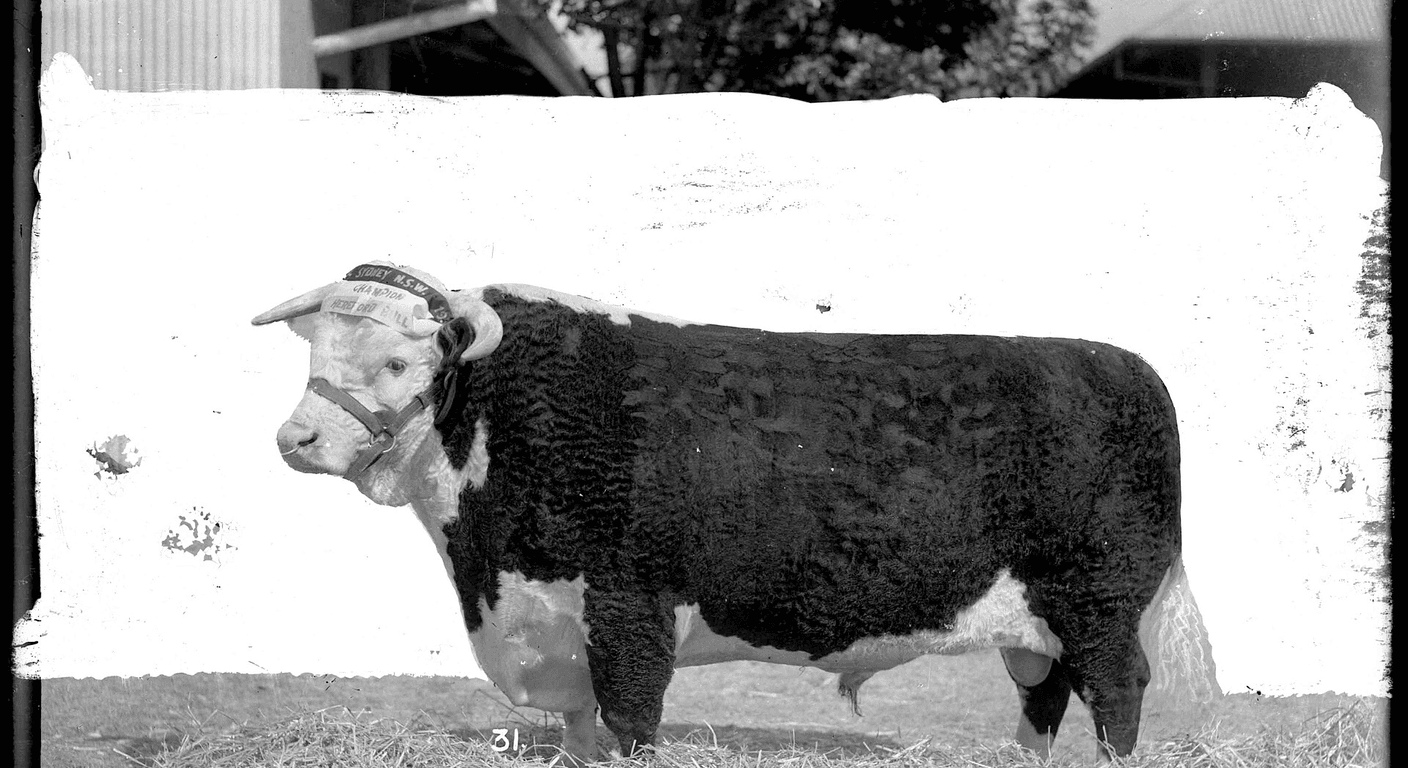
Livestock judging rings typically have fence-rail seating or portable grandstands. Cattle judging in particular moves at a deliberate pace that rewards patience. The fine food and produce pavilions at all four shows have internal café or seating zones — Sydney's is the most developed, Adelaide's the most relaxed. The domestic arts pavilions (needlework, preserves, baking) are almost always uncrowded and fully seated for viewing, and the standard of work on display is genuinely impressive.
Entertainment grandstands for the main arena programs — equestrian displays, agricultural machinery demonstrations, evening concerts — are ticketed separately at most shows, with reserved seating options. Check each show's entertainment program early; reserved grandstand tickets for popular evening sessions can sell through quickly, particularly at Sydney and Brisbane. Buying a reserved seat in advance is the difference between a comfortable evening and an exhausted one.
Practical planning: getting there, getting around and getting the most from each show
All four showgrounds are accessible by public transport — train in each case — which removes the considerable stress of showground parking on busy days. For a solo traveller, a light daypack, comfortable walking shoes and a plan to leave by mid-afternoon covers most situations. Mobility scooter and wheelchair hire is available at the Ekka and Sydney Royal; confirm current hire arrangements with Adelaide and Perth before travel if this is relevant to your planning.
Concession and seniors' pricing exists at most shows but the eligibility criteria and rates vary by show year. Always check the official show website in the months before you attend — some shows offer discounted pre-purchased tickets online that are worth the small effort of buying in advance. Some also offer multi-day passes, which suit the approach of splitting pavilions across two mornings rather than attempting everything in one day.
Travel insurance is worth mentioning plainly: if you're touring multiple shows across several states, you're booking flights and accommodation in advance. A policy that covers cancellation due to illness or a pre-existing condition flare-up is not optional at this age — it's basic sensible planning. Confirm that your policy covers domestic travel interruption, not just international. The cost is modest; the alternative isn't.
Quick planning guide
| Ideal pace | Slow-paced — weekday mornings over weekend afternoons |
|---|---|
| Best months | August to October, depending on the show (Ekka in August, Sydney over Easter, Adelaide in September, Perth in late September–early October) |
| Suggested stay | A couple of unhurried days per show, or a full calendar year to tour all four |
| Mobility level | Easy — train access to all grounds, level walks, and seated pavilion viewing throughout |
| Cost level | Budget-friendly, roughly $25–$45 AUD gate entry |
| Comfort level | Comfortable, with frequent seated rest points in pavilions and grandstands |
| Best for | Solo travellers and couples over 50 seeking a measured, substance-over-spectacle day out |
| Main planning consideration | Attend on weekday mornings and confirm current dates, pricing and concession rates on each show's official website before booking travel |
Key takeaways
- Attending all four Royal Shows across one calendar year is genuinely feasible — Brisbane (August), Sydney (Easter), Adelaide (September), Perth (September–October).
- Weekday mornings at any of the four shows are substantially quieter than school-holiday weekend afternoons, making them the clear choice for visitors over 50.
- Woodchopping grandstands and livestock judging rings offer comfortable seated viewing that most visitors overlook entirely.
- All four showgrounds are directly accessible by suburban train, removing the need to drive or navigate showground parking.
- Indicative adult gate entry ranges from roughly $25 to $45 AUD across the four shows — confirm current show-year pricing at each official website before travel.
- The Royal Adelaide Show is the most compact and least crowded of the four, making it arguably the most comfortable for solo travellers who prefer a measured pace.
Recommended partners and links
Indicative prices only — always confirm with the operator before booking.
Frequently asked questions
When are the four major Australian Royal Shows held each year?
The Sydney Royal Easter Show runs over approximately fourteen days in late March to early April. The Ekka in Brisbane is typically held across ten days in August. The Royal Adelaide Show runs for around ten days in September, and the Perth Royal Show takes place over eight to ten days in late September or early October. Exact dates change each year — confirm current show-year dates at rasnsw.com.au, ekka.com.au, theshow.com.au and perthroyalshow.com.au respectively before making any travel bookings.
How much does it cost to enter Australia's Royal Agricultural Shows?
Indicative adult gate pricing across the four shows has historically ranged from around $25 to $45 AUD, with concession and seniors' rates available at most shows. These figures are indicative only and change each show year. Always confirm current pricing at each show's official website — ekka.com.au, rasnsw.com.au, theshow.com.au and perthroyalshow.com.au — before visiting.
Which Royal Show is best for older or less mobile visitors?
The Royal Adelaide Show at Wayville is generally considered the most manageable for older visitors, with a compact layout, good internal seating in pavilions and reliably comfortable September weather. The Ekka in Brisbane is also well-regarded for accessibility and has a more contained carnival layout than Sydney. All four shows offer mobility scooter or wheelchair hire — confirm current arrangements with each show's official site before attending.
What are the best pavilions and sessions for over-50s who don't want to stand all day?
Woodchopping and axemen competitions at all four shows are held in grandstand settings with tiered seating and are excellent for a long, comfortable sit-down. Livestock judging rings typically have portable grandstands or fence-rail seating. Fine food and produce pavilions at all four shows have internal café or rest areas. The domestic arts pavilions — needlework, preserves, baking — are almost always uncrowded and fully seated for viewing. Reserved grandstand tickets for evening entertainment programs are sold separately and are worth booking in advance.
Can you get to the Royal Agricultural Show venues by public transport?
Yes. All four major showgrounds are accessible by suburban train. The Ekka at Bowen Hills is directly adjacent to Bowen Hills station on the Citytrain network. Sydney Royal Easter Show at Olympic Park is served by Olympic Park station on the T1 Western line from Central. The Royal Adelaide Show at Wayville is a short walk from Wayville station on the Belair and Seaford lines. The Perth Royal Show at Claremont is directly beside Claremont station on the Fremantle Line.
- Ekka – Royal Queensland Show official website
- Sydney Royal Easter Show – Royal Agricultural Society of NSW
- Royal Adelaide Show – Royal Agricultural & Horticultural Society of SA
- Perth Royal Show – Royal Agricultural Society of WA
- Public Transport Victoria – train and tram journey planner
- Translink Queensland – journey planner
- Adelaide Metro – journey planner
- Transperth – journey planner