Australia's antique and op-shop trail towns — Castlemaine, Berrima, Braidwood, Strathalbyn, Guildford and New Norfolk — reward slow, unhurried browsing over tight itineraries. Autumn and spring suit most towns best, and a single day covers each comfortably, though an overnight adds ease. Highlights range from Georgian-era stock in Berrima to genuine estate finds in Braidwood. Access is easy: shops are mostly single-storey and step-free, reachable by car or, in Castlemaine and Guildford, by train.
Why these towns, and how to approach a browsing day
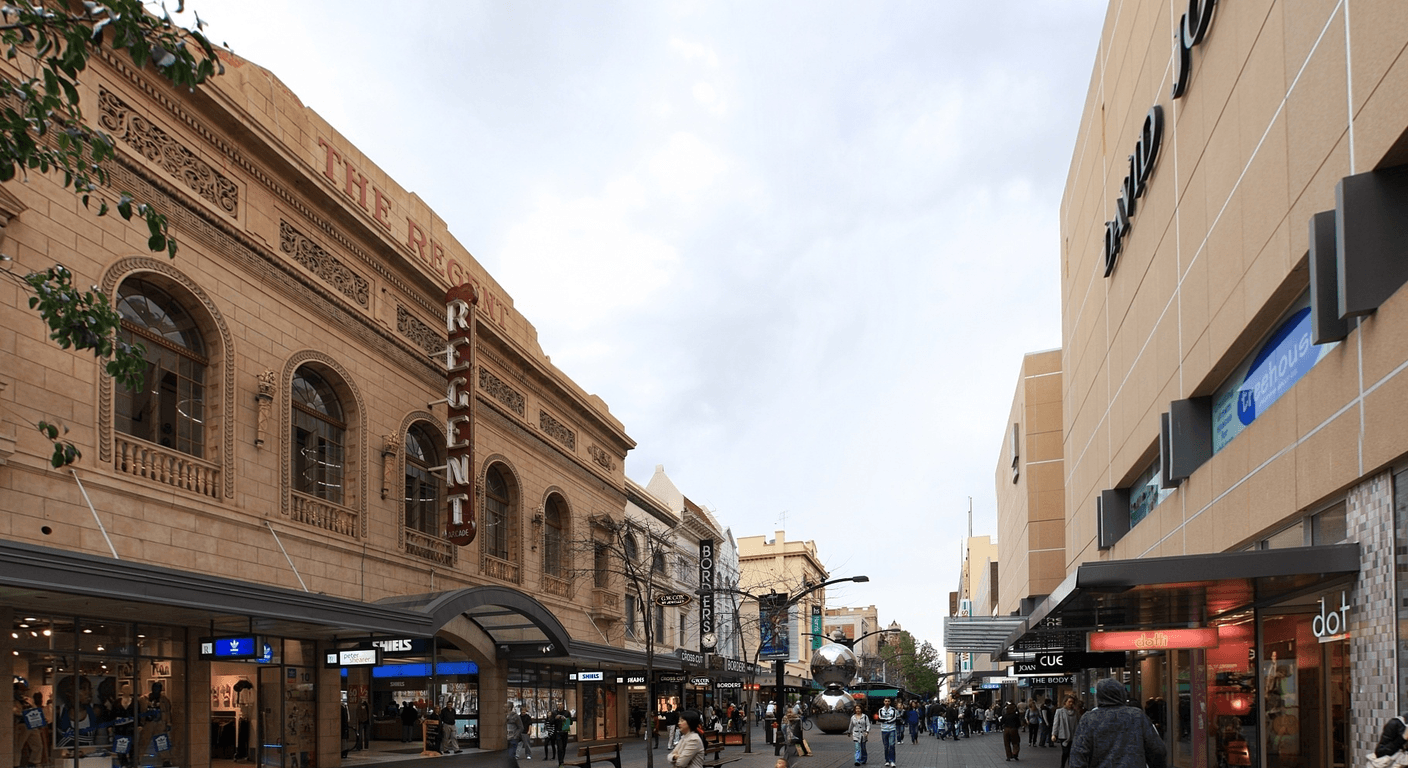
The best antique trail towns share a particular character: a main street that was built for pedestrians, shopfronts that open directly onto the footpath, and enough cafes to allow a proper mid-morning break before the serious browsing begins. None of the six towns in this guide require a booking, a tour group or a set itinerary. That's the point.
For a solo traveller, these towns offer something that larger destinations rarely do — the pleasure of a conversation with a dealer who actually knows the provenance of what's on the shelf, followed by a long lunch at a pub table with a book. Pacing matters more than coverage. One good find and a decent pie is a better day than five shops rushed.
A few practical notes that apply across all six towns: most antique shops keep shorter hours midweek and may close Monday or Tuesday entirely — always confirm before driving a distance. Street parking is generally free or low-cost and close to shopfronts. Most shops are single-storey and step-free at the entrance, though internal layouts vary; a walking stick or a narrow doorway is worth checking for. Wear comfortable shoes. Bring cash as a backup — many smaller dealers still prefer it.
Victoria — Castlemaine: the goldfields alternative worth the detour
Bendigo and Beechworth get the attention, but Castlemaine — 120 kilometres north-west of Melbourne on the Midland Highway — has quietly built one of the more interesting antique and vintage scenes in regional Victoria. The town's gold rush prosperity left it with substantial Victorian-era commercial architecture, and a good number of those buildings now house dealers in furniture, ceramics, mid-century homewares and the kind of useful old tools that a certain type of browser finds irresistible.
Mostyn Street and Barker Street are the core of it. The shops are walkable from one another without needing to move the car, which matters when you're carrying something. The Castlemaine Art Museum — a proper regional institution, not a pop-up — is worth an hour if the browsing appetite flags. Confirm current hours at castlemainemuso.com.au before visiting.
Lunch options on and near Mostyn Street are solid. The town has a good cafe culture that reflects its arts-community character — expect decent coffee and a menu that goes beyond a toasted sandwich. V/Line runs a direct train from Melbourne's Southern Cross Station to Castlemaine in around 90 minutes, which means a car isn't strictly necessary if you're travelling light. Check vline.com.au for current timetables and fares, which are indicatively around $15–$20 each way for a senior concession — confirm current pricing.
New South Wales — Berrima and Braidwood: Georgian villages with serious stock
Berrima sits in the Southern Highlands, roughly 130 kilometres south-west of Sydney on the Hume Highway. It's one of the best-preserved Georgian towns in Australia — the courthouse and gaol are still standing in their original form — and the antique shops here tend to reflect that heritage. Expect quality over quantity: Georgian and Federation-era furniture, silver, china and estate jewellery. It's not a cheap browse, but the stock is genuine.
The village is compact enough to walk entirely. Parking is available near the courthouse precinct. The Berrima Bakehouse and a handful of tearooms make for good rest stops; the pub — the Surveyor General Inn, reputedly one of the oldest continuously licensed hotels in Australia — is a reasonable lunch option. Confirm current trading hours for individual shops via visitnsw.com, as some dealers operate by appointment or keep reduced winter hours.
Braidwood is a different proposition — further south, about 80 kilometres from Canberra and 280 kilometres from Sydney, it sits in the Tablelands at around 700 metres elevation, which makes it noticeably cooler in winter. The town is classified by the National Trust and its main street has an unhurried quality that suits the browsing temperament. The op shops here are particularly good value: a mix of estate donations from surrounding farms and pastoral properties means you occasionally find things that would cost three times as much in a Sydney dealer. Worth the drive from Canberra for a day, especially in autumn when the surrounding landscape is in colour.
South Australia — Strathalbyn: a Scotch settlement with a quiet main street
Strathalbyn sits in the Fleurieu Peninsula, about 50 kilometres south-east of Adelaide — an easy drive through McLaren Vale or the Freeway, depending on your route. The town was settled by Scottish immigrants in the 1830s and the architecture still carries that character: stone buildings, wide streets, a river park that runs alongside the Angas. It's a genuinely pleasant place to spend four or five hours.
The antique trade here is well-established. Dawson Street is the main commercial strip, and several dealers operate from single-storey premises with good street access. The range tends toward colonial and Federation-era Australian pieces — cedar furniture, ironstone crockery, pressed glass — alongside a steady flow of general bric-a-brac. The Strathalbyn op shop run by one of the local charity organisations is consistently regarded as well-stocked, though hours vary; confirm before visiting.
The cafe and lunch options on Dawson Street are adequate for a day trip. The National Trust Museum at Strathalbyn is worth a look for context — check nationaltrust.org.au for current access details. Parking is free and plentiful in the main street and adjacent streets, which matters if you're travelling by motorhome or towing. Southaustralia.com has regional visitor information for the Fleurieu.
Western Australia — Guildford: the Swan Valley's antique precinct
Guildford is the oldest town in Western Australia — established 1829 — and it sits at the eastern edge of the Swan Valley wine region, about 15 kilometres from Perth's CBD. That proximity to the city, combined with its age and the density of its heritage streetscape, has made it the natural home of WA's most concentrated antique trade. James Street and Stirling Square are the centre of it.
The dealers here cover a wide range: colonial furniture, vintage maps and prints, Australian ceramics, mid-century pieces and general collectables. The quality and price points vary considerably, which is part of the appeal — a patient browser can find genuine value alongside properly priced estate pieces. Most shops are ground-floor and accessible, though some older buildings have narrow entries. Parking is available on James Street and in the adjacent council car park.
Guildford also has the Swan Valley's food culture close at hand. The Guildford Hotel is a restored colonial pub with a solid lunch menu. For travellers based in Perth, the Midland train line from Perth station to Midland stops at Guildford — a practical alternative to driving if you'd rather not manage parking. Confirm current Transperth timetables at transperth.wa.gov.au. Tourism Western Australia has regional visitor information at westernaustralia.com.
Tasmania — New Norfolk: the Derwent Valley's slow-browse town
New Norfolk is 38 kilometres north-west of Hobart along the Derwent Valley Highway — close enough for a comfortable half-day from the city, far enough to feel like a proper excursion. The town has a long antique and secondhand trading tradition, and the concentration of dealers on and near the main street (Montagu Street) is genuine rather than curated. This is a working op-shop town, not a boutique heritage precinct.
The Bush Inn, dating from the early colonial period, anchors the main street and is a reliable lunch stop. Several of the antique dealers operate from former commercial premises with good street-level access; the op shops, run by the usual national charity organisations, are well-trafficked and often stocked with donations from the surrounding farming community. As with all the towns in this guide, midweek hours can be unpredictable — confirm before making the drive specifically for one shop.
Parking is easy and free on Montagu Street. For travellers doing a longer Tasmanian loop — perhaps arriving by Spirit of Tasmania ferry from Melbourne — New Norfolk fits naturally into a Hobart-based day or as a stop on the way to the Derwent Valley and Mount Field National Park. Discovertasmania.com.au has current visitor information for the region. Winter visits are possible but the town is quieter; autumn and spring are the more comfortable seasons.
Practical notes for building your own trail
None of these towns requires more than a day — though all of them reward a night's stay if the pace suits. A grey nomad doing a state-by-state loop might reasonably include one or two per region. The towns that work best as standalone day trips from a capital city are Guildford (Perth), Strathalbyn (Adelaide) and New Norfolk (Hobart). Castlemaine works well from Melbourne by train. Berrima suits a Sydney or Canberra base; Braidwood is more naturally a Canberra day trip.
Travel insurance is worth reviewing if pre-existing conditions are a factor — not because these are physically demanding trips, but because a long drive home after a bad knee day is no fun. Check that your policy covers domestic travel interruption. The usual practical kit for a browsing day: a small tape measure (furniture), a phone torch (dark corners of old shops), and a folding bag or small backpack for anything purchased.
Op shops operated by Vinnies, Salvos, Red Cross and similar organisations are generally reliable for opening hours and accessibility — their national websites list store locations and hours, which is a useful starting point. For antique dealers specifically, a phone call the day before remains the most reliable way to confirm they'll be open. It's not a modern solution, but it works.
Quick planning guide
| Ideal pace | Slow-paced, browsing-focused |
|---|---|
| Best months | Autumn and spring most comfortable; some towns visitable year-round |
| Suggested stay | A day per town, with an overnight optional |
| Mobility level | Easy — mostly single-storey, step-free shopfronts |
| Cost level | Varies — budget-friendly op shops to premium antiques |
| Comfort level | Good — cafes, pubs and rest stops in every town |
| Best for | Solo travellers, slow browsers and grey nomads |
| Main planning consideration | Confirm individual shop hours before visiting, as midweek closures are common |
Key takeaways
- Castlemaine, Victoria, is a walkable goldfields antique town reachable from Melbourne by V/Line train in around 90 minutes.
- Braidwood, NSW, is classified by the National Trust and offers op-shop finds from surrounding pastoral estates at genuinely good prices.
- Strathalbyn, SA, has free main-street parking, single-storey shopfronts and a well-established colonial antique trade 50 kilometres from Adelaide.
- Guildford, WA, is the most concentrated antique precinct in Western Australia, accessible from Perth by Transperth rail on the Midland line.
- New Norfolk, Tasmania, is a 38-kilometre drive from Hobart and suits a half-day browse with a pub lunch at the colonial-era Bush Inn.
- Across all six towns, confirming individual shop hours before visiting is the single most important planning step — many dealers keep irregular midweek hours.
Recommended partners and links
Indicative prices only — always confirm with the operator before booking.
Frequently asked questions
Which Australian antique towns are easiest to visit without a car?
Castlemaine in Victoria is the most accessible without a car — V/Line trains run directly from Melbourne's Southern Cross Station in around 90 minutes. Guildford in Western Australia is reachable from Perth CBD via the Transperth Midland train line. The other towns in this guide — Berrima, Braidwood, Strathalbyn and New Norfolk — are more practical by car. Confirm current timetables at vline.com.au and transperth.wa.gov.au respectively.
Are antique shops in these towns accessible for people with mobility considerations?
Most shops in all six towns are single-storey with street-level access and footpath parking nearby, making them generally Easy on a mobility scale. Internal layouts in older buildings can be narrow or cluttered, so a walking frame may be difficult to manoeuvre in some premises. A walking stick is rarely a problem. It's worth calling ahead if step-free access is essential, as individual shops vary.
What's the best time of year to visit these antique trail towns?
Autumn (March–May) and spring (September–November) are the most comfortable seasons across all six towns. Summer can be hot in Strathalbyn and Guildford; winter is cold in Braidwood (at 700 metres elevation) and New Norfolk. Most shops are open year-round, but midweek hours are reduced in quieter winter months — confirm before visiting.
Do these towns have good lunch options for a solo traveller?
Yes. All six towns have at least one cafe or pub suitable for a solo lunch. Standouts include the Surveyor General Inn in Berrima (one of Australia's oldest licensed hotels), the Guildford Hotel in WA, and the Bush Inn in New Norfolk, Tasmania. Castlemaine and Braidwood both have good cafe cultures. A mid-morning coffee stop and a proper lunch break are easy to build into a browsing day in any of these towns.
Should I bring cash to antique shops and op shops?
Carrying some cash is a sensible precaution. Most op shops run by national charity organisations accept card payment, but smaller independent antique dealers — particularly in towns like Braidwood and New Norfolk — may prefer cash or have minimum card transaction amounts. An ATM is generally available in each town's main street, but checking your cash situation before leaving home avoids inconvenience.