Auschwitz-Birkenau, 70 kilometres from Krakow, is best visited April–May or September–October for milder weather and manageable crowds. Allow a full day, since a thorough visit to both sites takes four to five hours plus transport. The defining highlight is Birkenau's vast, sobering expanse of barracks and railway platform. Terrain is largely flat, making the physical demand Moderate, though the emotional weight is significant. Access is by guided minibus, train or bus from Krakow, with entry timeslots pre-booked via auschwitz.org.
Why this visit matters — and what to expect emotionally
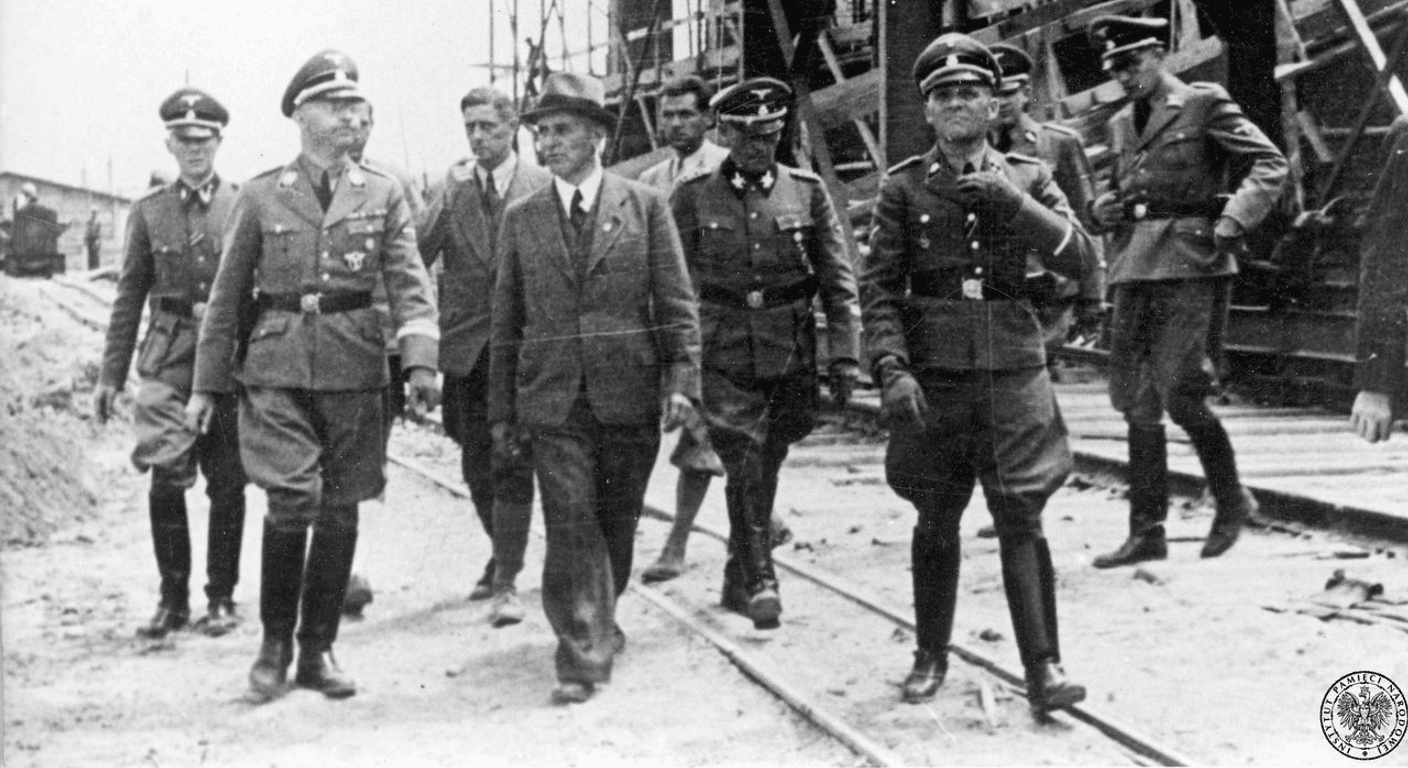
There is no neutral way to spend a day at Auschwitz-Birkenau. The site is a UNESCO World Heritage-listed memorial to the murder of more than 1.1 million people — the majority of them Jewish — and it functions as a place of historical record, mourning and witness simultaneously. For many Australians, particularly those with European heritage or a family connection to the war, the visit carries a weight that no amount of reading quite prepares you for.
It's worth naming this plainly before the logistics: some visitors find themselves unexpectedly undone, not by a single exhibit, but by the accumulation — a room of shoes, a length of fence, the sheer scale of Birkenau seen from the end of the railway platform. That's not a reason to stay away. It is a reason to go gently, to give the day its full space, and to resist the temptation to pack anything else around it.
For a solo traveller, there is something clarifying about making this visit alone. The pace is your own between stops. You can stand as long as you need to. A good guide will read the group and allow for silence. It's worth choosing that guide with care.
Getting from Krakow to Auschwitz-Birkenau — what are the real options?
The memorial is located near the town of Oświęcim, roughly 70 kilometres west of Krakow's Old Town. The most straightforward option for most travellers is a guided day tour departing from central Krakow — these are widely available, include return transport by minibus or coach, and typically incorporate an official licensed guide at the site. Prices are indicative; confirm current rates directly with operators.
Independent travel is also possible. Trains run from Krakow Główny station to Oświęcim, with the journey taking around 90 minutes; a local bus or taxi covers the short distance from the station to the memorial gates. Buses also run directly from Krakow's main bus station. The advantage of going independently is flexibility — you set your own pace and can linger. The disadvantage is that entry without a pre-booked guided tour can be restricted during peak hours, particularly between 10am and 3pm. Check current entry rules at auschwitz.org before finalising any plan.
For those who prefer the reassurance of an organised group — and for solo travellers who'd rather not navigate Polish public transport alone — a reputable guided day tour is a sound choice. Look for operators who use official, licensed guides registered with the Auschwitz-Birkenau Memorial and Museum, and who keep group sizes manageable. Confirm this before booking.
How is the site laid out — and what does the walking involve?
There are two distinct sites. Auschwitz I is the original camp, now a museum with preserved brick barracks containing the permanent exhibitions — documents, photographs, personal belongings, and the physical infrastructure of the camp itself. Auschwitz II–Birkenau is approximately three kilometres away, reached by a short shuttle bus included with most guided tours. Birkenau is vastly larger: an open expanse of remaining barracks, guard towers and ruins, with the railway tracks running to what was once the selection platform.
The walking across both sites is largely flat — gravel and paved paths — and seating is available at various points. The pace in a guided group is measured rather than rushed; a good guide understands that this is not a place to be herded. For travellers with hip or knee concerns, the terrain is generally manageable, though uneven gravel in parts of Birkenau warrants comfortable, supportive footwear. A walking stick is entirely practical here.
Allow a full day: a thorough visit to both sites takes four to five hours, not including transport. Tours departing Krakow in the morning typically return by mid to late afternoon, which leaves the evening free — and free is exactly what it should be.
What should you book in advance — and how far ahead?
This is not a destination where you turn up and see what's available. Entry to the Auschwitz-Birkenau Memorial during peak hours requires a pre-booked timeslot, and official guided tours fill well in advance, particularly from April through October. The memorial's own website — auschwitz.org — is the authoritative source for current booking rules, tour availability and entry requirements. Check it early in the planning process, not the week before departure.
If booking through a Krakow-based tour operator rather than directly with the memorial, confirm that the operator holds the appropriate official accreditation and uses licensed guides. Reviews on established travel platforms can help, but the simplest check is whether the operator's guides are registered with the museum itself.
Australian travellers should also factor in that this visit sits inside a longer international itinerary. A Europe trip typically involves a long-haul flight of 20-plus hours from Melbourne or Sydney, with at least one stopover — usually in the Middle East or Southeast Asia. Build in a genuine recovery night on arrival in Krakow before attempting any significant sightseeing, and certainly before a day as demanding as this one. Jet lag and emotional weight do not make good companions.
Practical considerations for Australian travellers over 50
Travel insurance is non-negotiable for this trip — not just for health cover but for trip disruption, which can affect any long-haul itinerary. For travellers over 50 with pre-existing conditions, ensure the policy covers those conditions explicitly and that medical evacuation is included. Compare policies carefully; the cheapest option rarely offers the broadest cover. Smartraveller.gov.au maintains current travel advice for Poland and is the right starting point for any official requirements.
Visa requirements for Australian passport holders travelling to Poland — which is a Schengen Area country — should be confirmed well before departure. As of mid-2025, Australians can enter the Schengen Area for up to 90 days in any 180-day period without a visa, but the European Travel Information and Authorisation System (ETIAS) is expected to come into effect; confirm the current status at smartraveller.gov.au or the Polish embassy website before booking.
Krakow itself is a genuinely comfortable base for older travellers. The Old Town is compact and walkable, with a broad range of accommodation from well-serviced hotels to smaller boutique properties. Restaurants are excellent and affordable by Australian standards. The city rewards a few days of quiet exploration before or after the Auschwitz visit — the Wawel Castle complex, the Jewish quarter of Kazimierz, and the Wieliczka Salt Mine (a UNESCO site) are all within easy reach and offer a very different kind of historical depth.
What to wear, carry and leave behind
Dress for the weather and the terrain. Spring and autumn in southern Poland can be cool — layers are sensible. Summer days can be warm but the open expanse of Birkenau offers little shade, so a hat, sunscreen and water are practical rather than optional. In winter, the site is open but cold; the grey landscape carries its own particular weight in those months.
Comfortable, closed-toe shoes with good support are the right call — not sandals, not fashion footwear. A small day bag with water, a light snack and any medication you may need during the day is sufficient. There are cafés and basic facilities at the main Auschwitz I site.
Photography is permitted in most areas of the memorial, though some exhibition rooms restrict it — follow the guidance of your guide and the posted signs. There is a natural instinct to document; there is also something to be said for putting the phone away for stretches and simply being present. Neither impulse is wrong. The memorial asks only for respect.
How to care for yourself after the visit
This sounds like an unusual thing to include in a travel guide, and it is the most important section in it. The experience of Auschwitz-Birkenau does not simply end when the minibus returns to Krakow. Many visitors find the afternoon and evening afterwards feel suspended — not sad exactly, but quieter, heavier, more interior than usual. That's a reasonable human response.
Plan for a slow evening. A good meal, a glass of wine, a walk along the Vistula River. Perhaps a call home. Krakow's Main Market Square is one of the largest medieval squares in Europe and, in the evening, has a calm that suits reflection. There is no obligation to process the day in any particular way or on any particular timeline.
Some travellers find it useful to read or revisit accounts of survivors — Primo Levi, Elie Wiesel, Viktor Frankl — in the days following the visit. Others prefer silence. Both are valid. What the memorial asks of visitors is not grief on demand, but genuine attention — and that, most people find, is something they can give.
Quick planning guide
| Ideal pace | Slow and unhurried, with nothing scheduled afterwards |
|---|---|
| Best months | April–May and September–October for mild weather and manageable crowds |
| Suggested stay | A full day for the memorial visit, within a longer Krakow stay |
| Mobility level | Moderate — largely flat gravel and paved paths, with some uneven sections at Birkenau |
| Cost level | Free entry, with affordable guided tours and Krakow accommodation |
| Comfort level | Emotionally heavy despite manageable physical conditions |
| Best for | Travellers with European heritage or family war history, and solo travellers seeking a guided, reflective experience |
| Main planning consideration | Pre-book official guided entry via auschwitz.org well in advance, especially for April–October travel |
Key takeaways
- Auschwitz-Birkenau is 70 kilometres from Krakow and accessible by guided tour, train or bus — book official guided entry well ahead, particularly for peak season.
- Walking across both sites covers several kilometres of largely flat terrain; the physical demand is Moderate, but the emotional demand is significant and should not be underestimated.
- Entry to the memorial is free, but timeslots and guided tours must be pre-booked through auschwitz.org — do not leave this until the week before arrival.
- Australian travellers face a 20-plus hour flight to reach Poland; build in a proper recovery night in Krakow before the visit and confirm current visa and ETIAS requirements at smartraveller.gov.au.
- April–May and September–October offer the most comfortable conditions — manageable crowds, mild weather, and good light for both sites.
- Leave the afternoon and evening after the visit completely unscheduled — this is not a day to follow with a dinner reservation or another attraction.
Recommended partners and links
Indicative prices only — always confirm with the operator before booking.
Frequently asked questions
Is Auschwitz-Birkenau free to enter?
Entry to the Auschwitz-Birkenau Memorial and Museum is free of charge. However, official guided tours carry a fee, and pre-booking a timeslot is required during peak hours. Confirm current entry and booking requirements at auschwitz.org before your visit.
How long does a visit to Auschwitz-Birkenau take?
A thorough visit to both Auschwitz I and Auschwitz II–Birkenau typically takes four to five hours on site, not including travel time from Krakow. Most guided day tours from Krakow depart in the morning and return by mid to late afternoon.
Is the site accessible for travellers with mobility concerns?
The paths across both sites are largely flat — paved and gravel — and seating is available throughout. The terrain is generally manageable for travellers with mild mobility limitations, though some areas of Birkenau have uneven gravel. Supportive footwear and a walking stick are practical. Those with significant mobility needs should contact the memorial directly at auschwitz.org to discuss specific requirements.
Do Australian travellers need a visa to visit Poland?
As of mid-2025, Australian passport holders can enter Poland — a Schengen Area country — for up to 90 days without a visa. However, the European Travel Information and Authorisation System (ETIAS) is expected to introduce a pre-travel authorisation requirement. Confirm the current status at smartraveller.gov.au or through the Polish embassy before booking your trip.
What is the best time of year to visit Auschwitz-Birkenau from Krakow?
April to May and September to October are the most comfortable months — crowds are more manageable than summer, temperatures are mild, and the sites are fully accessible. Summer (June to August) brings the largest visitor numbers and can feel crowded. Winter visits are possible but cold; the landscape carries its own atmosphere in those months.