Australia tours for seniors span five main styles: big coach brands (Insight, APT, Scenic), small-group cultural tours, iconic rail journeys (The Ghan, Indian Pacific), outback 4WD adventures, and wine region escursions. Most suit travellers aged 50-plus with moderate mobility; rail journeys and coach tours are the easiest on the body. Best months vary by region — avoid the Top End in the wet season (November–April). Budget from around $250 per person per day for quality-inclusive tours. Accessibility and single-supplement policies differ sharply between operators.
How to choose the right tour style before you look at a single itinerary
The single biggest mistake older Australians make when booking a tour is choosing a destination first and a format second. Book the Kimberley because it looks spectacular on Instagram, and you might find yourself on a 4WD track for nine hours with no toilet stop and a camp shower. Choose The Ghan because a friend went, and you might not realise you're essentially on a moving hotel with very little walking required — which could be exactly what you need, or could feel claustrophobic after day two.
Tour style determines your daily rhythm, your physical demands, your social environment and, bluntly, how tired you'll be by the end. The five main styles available to Australian seniors are: big coach tours (high-comfort, highly organised, group sizes of 20–45), small-group cultural tours (8–16 people, more flexible, more personal), iconic rail journeys (sedentary, spectacular, set schedule), outback 4WD expeditions (physically demanding, remote, often camping or glamping), and wine region touring (gentle pace, food-focused, usually short-haul from capital cities). Each is covered in detail below.
A word on the solo traveller question before anything else: coach and rail formats tend to attract the most companionable group dynamics for solo travellers, partly because the structure creates natural conversation and partly because these operators have the longest history of matching solo passengers. Small-group tours are often excellent for solo travellers too, but the quality of the group dynamic is harder to predict. Outback 4WD and wine region tours vary wildly — some are clearly designed for couples, others actively recruit singles. The single supplement section under each style is not a footnote. It's arguably the most important number on the quote.
Big coach tours: what you actually get for the money
Australia's premium coach brands — APT, Scenic, Insight Vacations, Globus, AAT Kings — have spent decades refining the over-50 product, and it shows. Motorcoaches are modern, seats recline properly, and the better operators build in comfort stops every 90 minutes or so. Tour directors on the established brands are generally experienced and know how to pace a group. Inclusions at the premium end typically cover accommodation, most meals, entrance fees and some tipping — which makes the headline price less alarming once you do the maths.
Example routes and indicative pricing: a nine-day 'Best of Queensland' coach tour from Brisbane through the Whitsundays and Cairns runs around $3,500–$5,500 per person twin-share with a mid-tier operator, depending on inclusions. A twelve-day 'Red Centre and Top End' circuit from Darwin to Alice Springs via Kakadu runs roughly $5,000–$8,000 per person twin-share at the premium end. Confirm all current pricing directly with operators — these figures are indicative and shift with fuel costs and seasonal demand.
Solo travellers on coach tours: most major operators charge a single supplement of 30–60 per cent on top of the twin-share rate, which can add $1,500–$3,000 to a ten-day trip. APT and Scenic both offer share-match programmes on selected departures, pairing solo travellers of the same gender. Insight Vacations has periodically run solo-supplement-free promotions on specific dates — worth asking about directly. The operators that quietly charge 100 per cent supplements (effectively charging you for two people) deserve to be called out, and you should ask the question plainly before you pay a deposit. Our detailed comparison of the major coach brands is covered in the Senior Travel Australia coach brand guide.
Small-group tours: fewer people, more flexibility, honest trade-offs
Small-group touring in Australia has grown substantially since 2022, with operators like Intrepid, G Adventures, and a handful of specialist Australian outfits running groups of eight to sixteen people on itineraries that tend to use local guides, smaller vehicles, and more locally owned accommodation. The appeal is real: you're not herded, the guide actually knows your name, and the itinerary can flex when something interesting turns up. A small-group tour through Tasmania's east coast, for example, might spend an extra afternoon at Freycinet because the light is extraordinary and the guide decides it's worth it.
Example routes and pricing: a seven-day Tasmania small-group tour typically runs $2,800–$4,500 per person twin-share, depending heavily on accommodation standard and inclusions. A ten-day Kimberley small-group tour from Broome (by 4WD or small plane, depending on the operator) sits around $6,000–$10,000 per person. A five-day Flinders Ranges and outback South Australia small-group run from Adelaide costs roughly $2,500–$4,000 per person twin-share. Always confirm what's included — some operators at the lower price point include very little beyond transport and guiding.
The honest trade-off: small-group tours can be brilliant or socially uncomfortable, and there's no way to know in advance which eight people you'll spend a week with. The best operators provide some pre-departure group communication or a private Facebook group so you can at least introduce yourselves. Accessibility is also less consistently managed than on the big coach brands — a small-group operator running a seven-seat 4WD doesn't have the same infrastructure for passengers with limited mobility. Ask specifically about step heights, walking distances, and whether there's an option to stay at the vehicle while others do a steep climb. For solo travellers, small-group tours often have more equitable single pricing — some operators charge no supplement at all on land-based tours, simply pricing by the room. Our small-group alternatives guide on Senior Travel Australia covers the leading operators in more detail.
Rail journeys: The Ghan, Indian Pacific and the Overland — what a day on board actually looks like
Australia's iconic rail journeys are genuinely unlike anything else in domestic travel. The Ghan runs Adelaide to Darwin (or the reverse) over roughly 54 hours; the Indian Pacific covers Sydney to Perth in about 65 hours; the Overland connects Melbourne and Adelaide in a day. Journey Beyond operates all three under its Rail Expeditions brand, with two main service classes: Gold Service (private cabin, all meals and most excursions included) and Platinum Service (larger cabin, more exclusive dining). There's no economy sleeper option on The Ghan or Indian Pacific — this is not budget travel.
The shape of the day on The Ghan (Adelaide–Darwin, Gold Service): the train departs Adelaide at approximately 12:15 pm on day one. You're settled into your cabin — small but cleverly designed, with a fold-down bed, a fold-away seat, and a shared shower in the corridor (Platinum has an ensuite) — before the outback proper begins. Lunch is served in the Queen Adelaide Restaurant from around 1:00 pm; it's a proper sit-down affair with wine included. By mid-afternoon you're in the red dirt north of Port Augusta. Dinner runs from around 6:30 pm in sittings. Day two brings the Alice Springs off-train excursion: the train stops for roughly five hours, and passengers join optional guided tours (Anzac Hill lookout, the Telegraph Station, a cultural centre). The walking is moderate — flat ground mostly, but it's the Red Centre and the heat in summer is serious. Toilet access during excursions is at the venues visited. The excursion is skippable; passengers who opt out can stay on board, and the train provides a quiet lounge and observation car. Day three arrives into Darwin in the late afternoon.
Pricing reality: Gold Service Adelaide–Darwin runs from around $1,800 per person twin-share (indicative; confirm with Journey Beyond). The single supplement for a solo traveller in a Gold Service cabin is effectively 100 per cent — you pay for the full cabin. There is no share-match on rail. That makes The Ghan one of the more expensive solo options in Australian travel. For a couple, though, the per-person cost is competitive once you factor in all meals, accommodation and excursions. Accessibility: Gold Service cabins are compact and require stepping up into the train. Journey Beyond has a limited number of accessible cabins on The Ghan — contact them directly and book early, as these go first. The Indian Pacific has similar dynamics and similar pricing. For a Victorian-based traveller, the classic sequence is Melbourne to Adelaide by the Overland (a day train, from around $100 in economy seat, worth upgrading to first class for around $180–$220), then board The Ghan the following morning after a night in Adelaide — which is sensible regardless, as the Overland arrives in the early evening.
Outback 4WD tours: honest about the physical demands
Outback 4WD touring is the most physically demanding style on this list, and the most rewarding if you're genuinely suited to it. Operators like Outback Spirit, Australian Outback Odyssey, and a handful of Western Australian specialists run multi-day expeditions into the Kimberley, the Pilbara, the Gibb River Road, the Strzelecki Track, and the Canning Stock Route. Vehicles are typically purpose-built expedition trucks or fleets of 4WDs. Accommodation ranges from remote station homesteads to permanent tented camps to genuine swag-under-the-stars.
Example routes and pricing: Outback Spirit's twelve-day Kimberley Wilderness Journey runs from Broome through the Gibb River Road and the Mitchell Plateau, with accommodation in permanent tented camps. Indicative pricing sits around $7,000–$9,000 per person twin-share all-inclusive — guides, meals, park fees, internal flights where applicable. A ten-day Flinders Ranges and Outback South Australia 4WD tour from Adelaide runs around $4,500–$6,500 per person twin-share. These are among the higher per-day prices in Australian touring, but the remoteness and the logistical complexity justify it. Confirm all current pricing with operators directly.
Who should consider this, and who probably shouldn't: if you have significant knee, hip or back issues, the corrugated outback roads will make them worse. A full day on the Gibb River Road means six to eight hours in a vehicle over unsealed surface. That said, Outback Spirit and similar operators design their programmes specifically for mature travellers — rest stops are built in, the guides are experienced in managing pace, and the group sizes are small enough that the itinerary can flex. Solo travellers: Outback Spirit charges a single supplement, but it's at the lower end for this category — roughly 20–30 per cent on some departures. Ask specifically. The social dynamic on a ten-day remote expedition tends to be naturally intimate, which many solo travellers find works very well.
Wine region touring: the gentlest style, and the most underrated
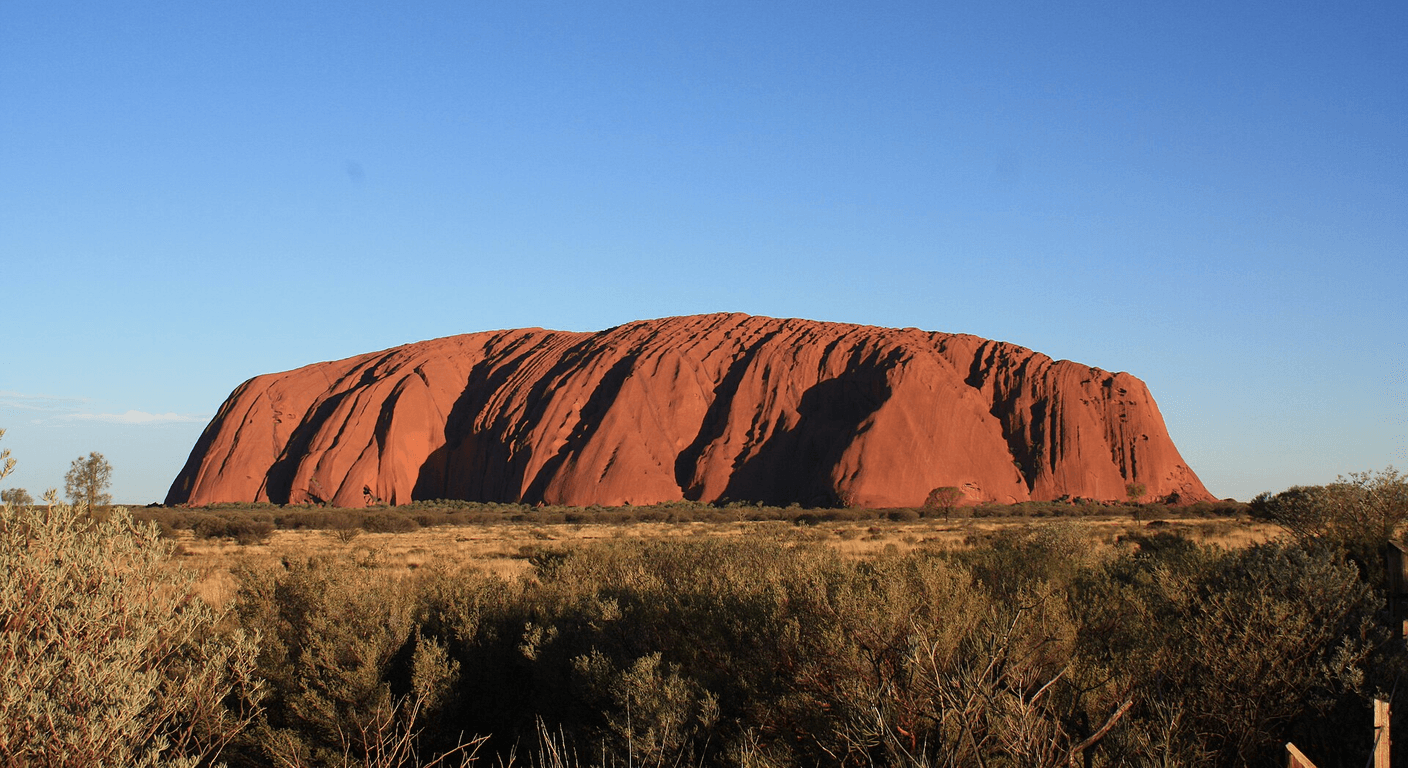
Wine region tours are consistently underbooked by Australian seniors relative to how well they suit the demographic. The pace is gentle, the distances are short, the food is serious, and the social element — shared tables, long lunches, producers who want to talk — is organic rather than forced. Victoria alone has the Yarra Valley, the Mornington Peninsula, Rutherglen, the King Valley and the Grampians within a day's drive of Melbourne. South Australia offers the Barossa, Clare Valley and McLaren Vale. Margaret River in WA has built one of the country's most polished wine tourism industries.
Format options vary more here than in other categories. Day tour operators like Yarra Valley Wine Tours and Barossa Experience Tours run single-day guided itineraries from the nearest capital city, typically picking up from CBD hotels in an air-conditioned vehicle, visiting three to four cellar doors, including a two-course lunch, and returning by early evening. These run around $150–$250 per person for a day tour. Multi-day wine region packages — a long weekend in the Barossa, say, staying at a boutique property and doing guided cellar door visits each day — run roughly $800–$1,800 per person twin-share for three nights, depending heavily on accommodation. Self-drive is entirely viable in most wine regions for couples with no mobility constraints; the benefit of a guided tour is not driving after a long lunch.
For a Melbourne-based couple, the Yarra Valley is under an hour by car or a short coach transfer; the Mornington Peninsula is similar. The King Valley, home to Italian varietals and a strong Greek-Australian winemaking community (Pizzini Wines is a name worth knowing), sits about three hours north-east of Melbourne and is worth a two-night stay. Solo travellers on day wine tours: no single supplement applies on most day tours — you simply pay the per-person rate. Multi-night packages at boutique properties will charge for a single room, which may or may not be the same as a twin-share rate. Ask before booking. The social atmosphere on a wine day tour is naturally convivial, and solo travellers generally find it easy.
Practical matters: what every over-50 Australian should sort before booking any of these
Travel insurance with pre-existing conditions coverage is non-negotiable on any tour style, and the older you are, the more carefully you need to read the policy. Australian seniors travelling domestically often assume Medicare covers everything — it doesn't cover medical evacuation from a remote outback location, and it doesn't cover trip cancellation. Comprehensive travel insurance for a two-week domestic tour typically runs $150–$400 per person depending on age and pre-existing conditions; get multiple quotes. For international extensions (some APT and Scenic programmes cross into New Zealand or Southeast Asia), check the DFAT Smartraveller advisories at smartraveller.gov.au before finalising.
Victorian seniors: your Victorian Seniors Card offers discounts on V/Line rail travel, which is useful for getting to a tour departure city without paying full airfare. The Overland Melbourne–Adelaide departs from Southern Cross Station and V/Line connections to regional Victoria feed into it. Check current Seniors Card rail concessions at seniorscard.vic.gov.au. In other states, equivalent cards (NSW Seniors Card, Queensland Seniors Card) carry their own public transport concessions — worth checking before you default to a flight.
The deposit and cancellation question: tour operators in 2026 are carrying more varied cancellation policies than they did pre-2020. Some require full payment 90 days out with limited refund provisions; others offer more flexible terms. Read the Product Disclosure Statement before paying a deposit. If you have any doubt about your health between booking and departure, ask specifically about medical cancellation provisions and whether your travel insurance policy covers the gap if the operator's refund is partial. This is not pessimism — it's the kind of planning that lets you book with confidence and actually enjoy the trip.
Quick planning guide
| Ideal pace | No more than two destination changes per week; build in at least one full rest day per four days of travel |
|---|---|
| Best months | April–October for most of Australia; June–August for the Top End and Red Centre; September–November for wine regions |
| Suggested stay | 10–21 days depending on style; rail journeys are self-contained (2–4 nights on board) |
| Mobility level | Moderate — Easy options exist in rail and coach; Active options in outback 4WD |
| Cost level | From around $250 pp/day (coach, twin-share) to $700-plus pp/day (luxury rail, single cabin) |
| Comfort level | High on rail and premium coach; variable on outback 4WD |
| Best for | Couples, solo travellers seeking companionship, culturally curious retirees, grey nomads wanting a guided break |
| Main planning consideration | Single supplements on coach and cruise-style rail can add 40–100% to the base price; always ask about share-match programmes before booking |
Key takeaways
- Match the tour style to how you want to spend your days before you look at a single destination or itinerary.
- The Ghan and Indian Pacific are effectively solo-traveller penalties — single supplement equals 100 per cent of the cabin cost, with no share-match option.
- Premium coach tours from APT, Scenic and Insight include most costs in the headline price; once meals and entrance fees are factored in, the per-day cost is often competitive with self-drive.
- Outback 4WD touring demands honest self-assessment of back, hip and knee resilience — corrugated roads are not comfortable regardless of how modern the vehicle is.
- Wine region day tours are the only style on this list where solo travellers typically pay no single supplement at all.
- Victorian Seniors Card holders can access V/Line rail concessions that reduce the cost of getting to a domestic tour departure city — check current entitlements before defaulting to airfares.
Recommended partners and links
Indicative prices only — always confirm with the operator before booking.
Frequently asked questions
What is the best type of Australia tour for seniors who want a relaxed pace?
Rail journeys — particularly The Ghan (Adelaide to Darwin) and the Indian Pacific (Sydney to Perth) — offer the most relaxed pace of any Australian tour style. You sleep in your cabin, all meals are included in Gold or Platinum Service, and off-train excursions are optional. Big coach tours from operators like APT and Scenic are the next most relaxed, with comfort stops built in and logistics fully managed. Wine region day tours are also very gentle on the body.
Do Australian tour operators charge a single supplement for solo seniors?
Most do. On big coach tours, single supplements typically run 30–60 per cent above the twin-share rate; some operators charge 100 per cent. The Ghan and Indian Pacific effectively charge solo travellers for the full cabin with no share-match available. Small-group land tours have the most variable policies — some charge no supplement at all. Wine region day tours rarely charge a supplement. Always ask the operator directly before paying a deposit, and ask specifically about share-match programmes on departures you're considering.
When is the best time to take an outback or Red Centre tour in Australia?
April to September is the recommended window for Red Centre and outback touring. Daytime temperatures in Alice Springs and Uluru average 20–25°C in June and July, making walking comfortable. Summer (November to February) brings extreme heat — regularly above 40°C — which makes outdoor activities genuinely risky for older travellers. The Top End (Darwin, Kakadu) is best visited May to October, outside the wet season.
How far in advance should seniors book popular Australian tours like The Ghan?
The Ghan's accessible cabins book out earliest — sometimes twelve or more months ahead for peak winter departures (June–August). Gold Service cabins in the busy season typically sell out six to nine months ahead. For major coach tour departures in peak season, four to six months is a reasonable lead time. Wine region day tours and small-group tours generally have more flexibility, but popular departures in September and October (spring, wine harvest season) fill faster than you'd expect.
Can seniors with limited mobility do Australian tours comfortably?
Yes, with careful matching of tour style to mobility level. Rail journeys and premium coach tours are the most accessible — Journey Beyond has a small number of accessible cabins on The Ghan (book early and confirm directly), and major coach operators can accommodate passengers who need extra time or cannot manage steep terrain. Outback 4WD tours are the least suitable for limited mobility. Always contact the operator before booking and ask specific questions about step heights, walking distances, and whether there's a seated alternative for physical excursions.