October is Australian shoulder season: southern gardens and vineyards bloom, jacarandas begin flowering across NSW and Queensland, and the outback offers its last comfortable window before summer heat sets in. Highlights range from Barossa cellar doors to Uluru sunsets and Hervey Bay whale sightings. Most activities are flat, walkable and unhurried, making this a Moderate-mobility month overall. Access is straightforward — domestic flights, coach links, or a short 9–10 hour flight to Japan for those extending the trip.
Why October Works So Well for Over-50 Travellers
October is the quiet achiever of the Australian travel calendar. School holidays are done, the Christmas rush is two months away, and the weather across the southern states is genuinely pleasant — warm enough for open-air dining and garden walks, cool enough to sleep well. For travellers who've done the summer scramble and the July-school-holiday crunch, October feels like the country finally exhaling.
Shoulder season also means prices are more honest. Accommodation in popular spots like the Barossa Valley, the Blue Mountains, and Hobart's waterfront tends to be more negotiable than in January, and restaurants are fully staffed without the frenzy. That matters when you're travelling with friends who want to linger over a long lunch rather than queue for a table.
There's a real pacing advantage here too. October days are long — sunset is pushing toward 7pm in most southern cities by month's end — which gives you unhurried mornings and genuine afternoon light for photography, walking, or simply sitting somewhere beautiful. No one's rushing you. That's not a small thing.
Southern Australia in Spring: Gardens, Colour and Good Timing
The Barossa Valley in South Australia is an October destination that earns its reputation without resorting to cliché. The vines are leafing out in fresh green, the cellar doors are welcoming rather than overwhelmed, and the light on the Seppeltsfield Road stone walls in the late afternoon is the kind of thing that stays with you. Most cellar doors are accessible and unhurried at this time of year — a significant contrast to the harvest-season crush of March and April. Allow at least two nights; three is better.
Victoria's northeast — particularly Bright and the surrounding Alpine valleys — transforms in October. The town itself is flat and walkable, the Ovens River trail is sealed and gentle, and the surrounding hills are green after winter rain. It's also within comfortable striking distance from regional Victoria by road or coach, which matters if you're based somewhere like Ballarat or Bendigo and want a trip that doesn't involve an airport. Check the V/Line website for coach connections from Melbourne, then hire a local car or join a small-group tour from Bright.
Hobart in October is underrated. The Dark Mofo madness is months away, the MONA crowds have thinned, and the Salamanca Market on Saturday mornings is doing what it always does: feeding people well and selling things worth bringing home. The Botanical Gardens are in full spring form, and the Cascade Brewery precinct is an easy walk from the city centre. Flights from Melbourne take roughly an hour. For friends travelling together, a self-contained cottage in Battery Point makes more sense than four separate hotel rooms.
The Jacaranda Moment: Timing, Locations, and Honest Expectations
Jacarandas are famously unreliable narrators. Their bloom timing shifts with the season — generally late October into November across most of New South Wales and Queensland — and the spectacular purple-carpet effect people photograph depends on a specific window of peak bloom followed by a good windless day. Grafton in northern New South Wales is the town most associated with the jacaranda festival, typically held in late October or early November; confirm exact dates with the Grafton Jacaranda Festival organisers before booking, as timing shifts year to year.
Sydney's jacaranda moment is centred around the University of Sydney grounds and the inner suburb of Kirribilli, and it draws a crowd. If you're Sydney-based or visiting, a weekday morning is far more pleasant than a weekend. The North Shore train line from Central gets you close without driving. For travellers coming from regional Victoria or South Australia specifically for the colour, it's worth timing a broader Sydney stay around it rather than making it the sole purpose — the city has enough to fill a week regardless.
A quieter alternative worth knowing: Toowoomba in Queensland typically hosts its Carnival of Flowers in late September into October, celebrating spring blooms including jacarandas, roses, and garden displays across the city. It's a legitimate reason to visit a regional city that doesn't otherwise feature heavily on tourist itineraries, and the surrounding Darling Downs are accessible and genuinely interesting. Confirm current festival dates at the Toowoomba Regional Council website before making plans.
The Outback in October: Last Comfortable Window
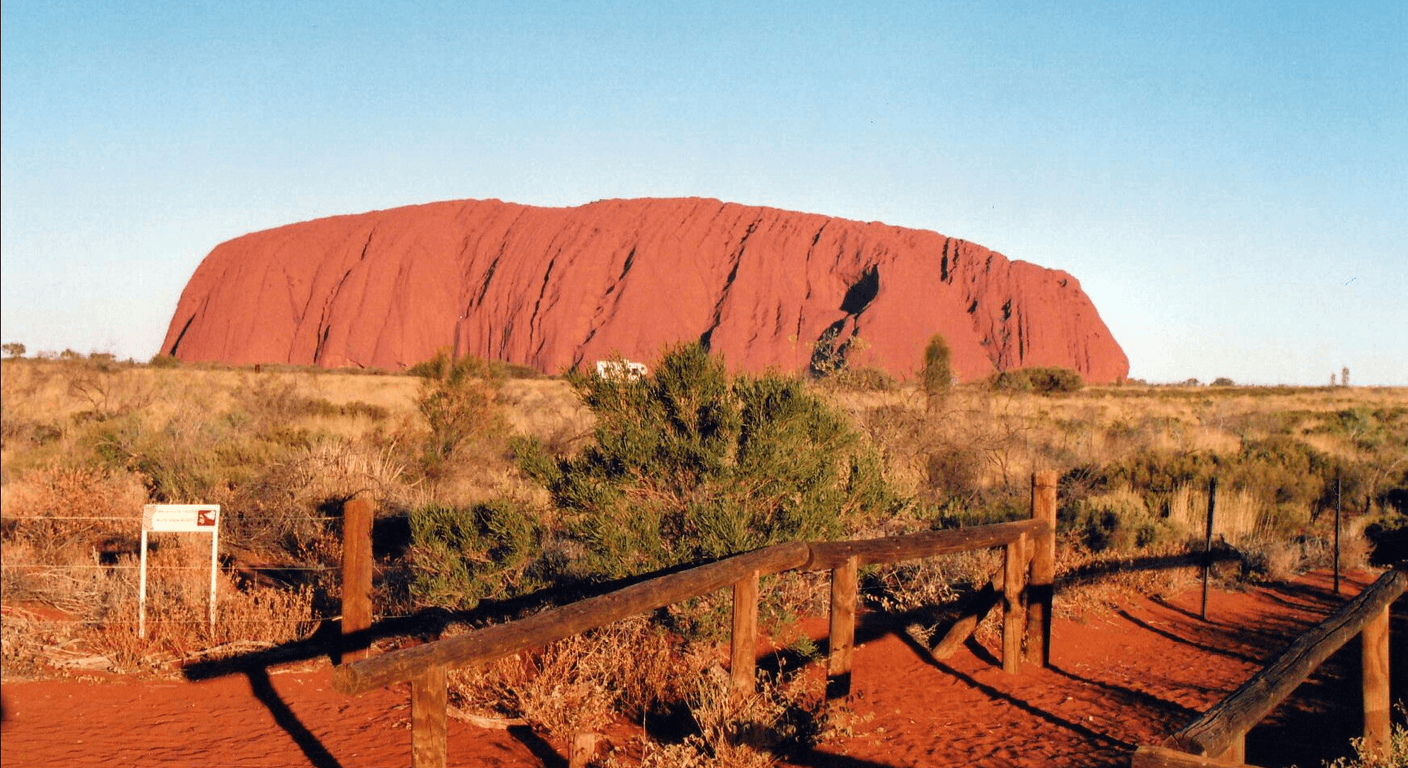
For travellers drawn to the red centre, October is the last genuinely comfortable month before summer heat makes Uluru and the surrounding landscape demanding. Daytime temperatures at Uluru-Kata Tjuta National Park can reach the mid-30s in October, but mornings and evenings are manageable and the light at sunrise and sunset is extraordinary in a way that photographs don't fully capture. Go early, go slow, and book accommodation in Yulara well in advance — the resort is the only option within the national park precinct, and October bookings fill.
The cultural experience at Uluru has deepened in recent years following the closure of the climb. Guided walks with Anangu rangers, the Field of Light installation (confirm current session availability with Ayers Rock Resort directly), and the Maruku Arts centre are all accessible and genuinely moving. This is not a destination that rewards rushing. Three nights minimum; four gives you the unhurried rhythm the place deserves.
Flinders Ranges in South Australia is another outback option that works well in October — cooler than the red centre, more varied in landscape, and accessible by road from Adelaide in under three hours. Wilpena Pound is the centrepiece, and the resort there has comfortable accommodation and guided options that suit travellers who want the landscape without the logistics of self-sufficient camping. The wildflower season is winding down by October, but the colours in the ranges are still rich. Confirm conditions and road access before departure at the South Australian National Parks website.
The North in October: Worth Knowing Before You Go
The Top End and the Kimberley are approaching the end of the dry season in October, and that transition matters. Darwin can be genuinely comfortable in early October, but by month's end humidity is climbing and the pre-wet restlessness — locals call it 'the build' — is real. It's not unpleasant, but it's not the crisp dry-season experience of July either. If Darwin is calling, aim for the first two weeks of October and prioritise early-morning activities.
The Kimberley in October is similar: the window is narrowing. Some remote roads and gorge walks that were accessible in August are starting to close or become less reliable. That said, the Bungle Bungles at Purnululu National Park are still extraordinary, and helicopter or light aircraft flights over the range remain available and genuinely worth the cost for those comfortable with small aircraft. Confirm road conditions with the relevant Western Australian parks authority before any self-drive plans.
Whale watching off Hervey Bay in Queensland is generally associated with the August–October window, with humpback whales moving through on their northward migration. October is toward the tail end of the season; sightings are less guaranteed than in peak August, but operators are still running tours and the bay itself is lovely. Check with licensed Hervey Bay whale-watching operators for current season status before booking.
One Overseas Option Worth Considering: Japan in October
Japan in October is one of those travel decisions that makes sense on almost every level for Australian travellers over 50. The summer heat has broken — Tokyo, Kyoto and Osaka are in the 18–24°C range through much of the month — and the autumn foliage (koyo) begins in the north and at higher elevations, moving south through November. It's not the full-colour spectacle of late November, but October in Japan offers the anticipation: temples quieter than spring cherry-blossom season, food culture in full swing, and a country that takes accessibility and public transport seriously.
The flight reality from Australia: Tokyo (Narita or Haneda) is roughly 9–10 hours direct from Sydney or Melbourne, and major carriers including Qantas, Japan Airlines, and ANA operate routes. A recovery night in Tokyo on arrival is not optional — it's sensible. Jet lag eastward is generally gentler than westward, but give yourself a first day that's slow: a walk, a meal, nothing scheduled. The Japan Rail Pass makes regional travel genuinely straightforward once you're oriented, and the Shinkansen (bullet train) network is flat-boarding, comfortable, and punctual in ways that restore your faith in public infrastructure.
Kyoto in October deserves at least four nights. The temples of Arashiyama, the Philosopher's Path, Nishiki Market — all are walkable and well-signposted, and the crowds are a fraction of what they are in cherry-blossom season. A day trip to Nara (deer, temples, flat ground) is easy by train. For travellers managing health conditions, Japan's pharmacy network is extensive and pharmacists are generally helpful; carry a translated list of your medications. Travel insurance covering pre-existing conditions is non-negotiable — confirm this with your insurer before departure, and check current visa requirements at the Japanese Embassy or Smartraveller website, as arrangements can change.
Practical Notes for October Travel: What to Actually Sort Out
Accommodation in October's popular spots — Bright, the Barossa, Hobart's Salamanca precinct, Uluru — books out earlier than people expect. This is not a pressure tactic; it's just true. A friends-group booking four rooms needs more lead time than a couple booking one. Start looking 10–12 weeks out for October travel, especially if your group has specific requirements around accessibility, ground-floor rooms, or proximity to town centres.
Travel insurance deserves a proper conversation in October, particularly for the international option. Standard policies often exclude or limit pre-existing conditions; specialist providers offer more comprehensive cover and are worth the difference in premium. The Council on the Ageing (COTA) Australia website has guidance on insurance considerations for older travellers, and Smartraveller is the authoritative source for destination-specific advice. Do this before you book flights, not after.
Packing for October in Australia means layering. Southern mornings can be cool (10–14°C in Hobart, Bright, and the Adelaide Hills) while afternoons reach the mid-20s. A light merino layer, a compact rain jacket, and comfortable walking shoes with genuine support cover most situations. For Japan, add a compact umbrella — October can bring brief afternoon showers in the south. Leave room in the bag for what you'll inevitably bring home.
Quick planning guide
| Ideal pace | Slow and unhurried, with time to linger over meals and scenery |
|---|---|
| Best months | October, spanning Southern Hemisphere spring shoulder season |
| Suggested stay | 2–4 nights per destination, longer for Uluru or Kyoto |
| Mobility level | Moderate — mostly flat, walkable towns with some guided outback walks |
| Cost level | Mid-range, with shoulder-season pricing more negotiable than summer |
| Comfort level | Comfortable — warm days, cool nights, manageable crowds |
| Best for | Older travellers seeking spring colour, gentle nature walks, or a quieter red-centre visit |
| Main planning consideration | Book accommodation 10–12 weeks ahead, especially in Bright, the Barossa, Hobart, and Uluru |
Key takeaways
- October is shoulder season across southern Australia — good weather, manageable crowds, and more competitive accommodation pricing than summer.
- The outback window closes in late October as heat builds; book Uluru or the Flinders Ranges for early-to-mid month and confirm conditions before departure.
- Jacaranda bloom timing is variable — confirm festival and peak-bloom dates with local organisers before building a trip around them.
- Japan in October offers post-summer comfort and the start of autumn colour, with direct flights from Sydney and Melbourne of around 9–10 hours.
- The Top End and Kimberley are transitioning out of dry season in October — humidity builds, so plan for early-month travel and check road conditions.
- Travel insurance covering pre-existing conditions is essential for international travel; sort this before booking flights, not after.
Recommended partners and links
Indicative prices only — always confirm with the operator before booking.
Frequently asked questions
Is October a good time to visit Australia for over-50 travellers?
Yes. October is one of the most comfortable and rewarding months for over-50 travellers across southern and central Australia. Spring weather is warm but not extreme, gardens are at their best, and accommodation is generally more available and competitive than in peak summer. The outback is still accessible in early-to-mid October before heat builds, and the north is approaching the end of its dry season.
When do jacarandas bloom in Australia?
Jacaranda bloom timing varies by location and season, but generally falls in late October through November across New South Wales and Queensland. Grafton's Jacaranda Festival is typically held in late October or early November; confirm exact dates with the festival organisers before booking, as timing shifts year to year. Sydney's peak jacaranda display is usually in late October around the University of Sydney and Kirribilli.
Is it too late to visit the Kimberley or Darwin in October?
October is the tail end of the dry season in northern Australia. Darwin is manageable in early October but humidity increases noticeably by month's end. The Kimberley is similar — some remote areas become less accessible as the pre-wet season builds. Early October is preferable, and travellers should confirm road and track conditions with the relevant parks authority before departing.
What overseas destination works well in October for Australian over-50 travellers?
Japan is an excellent October destination for Australians over 50. Summer heat has broken, temperatures in Tokyo, Kyoto and Osaka are typically in the 18–24°C range, and autumn foliage begins at higher elevations and in the north. Direct flights from Sydney and Melbourne take roughly 9–10 hours. The Japan Rail Pass and Shinkansen network make regional travel comfortable and straightforward. Confirm current visa requirements via Smartraveller or the Japanese Embassy before booking.
Do I need travel insurance for pre-existing conditions when travelling in October?
Yes, and this applies to both international and some domestic travel. Standard travel insurance policies frequently exclude or limit coverage for pre-existing medical conditions. Specialist insurers offer more comprehensive cover, often at a higher premium that is worth paying. The Smartraveller website provides guidance on insurance considerations, and it's important to arrange cover before booking flights rather than after.
- Tourism Australia — official travel inspiration and destination information
- Smartraveller — Australian Government travel advice
- Parks Australia — Uluru-Kata Tjuta National Park
- South Australian National Parks — Flinders Ranges and Wilpena Pound
- V/Line — regional Victoria rail and coach services
- Japan National Tourism Organization — Australia
- Toowoomba Regional Council — Carnival of Flowers
- MONA — Museum of Old and New Art, Hobart