For Australians over 50 weighing a domestic coastal break against the Cook Islands, both options suit different needs. A domestic trip — say the Mornington Peninsula, Sapphire Coast or Airlie Beach — means no passport, no jet lag, and Seniors Card concessions apply. The Cook Islands (Rarotonga or Aitutaki) is roughly a 5–6 hour direct flight from Sydney or Auckland, English-speaking, and genuinely low-pace. Mobility rating: Easy for both if chosen carefully. Best months domestically vary by region; Cook Islands peaks May–October. Ideal stay: 7–10 nights either way.
The real question: what kind of rest are you actually after?
Before comparing prices or flight times, it helps to be honest about what 'a holiday' means to you right now. For many Australians over 50 — particularly solo women who've spent decades organising everyone else's logistics — the most radical thing a trip can offer is the removal of decisions. No school-holiday crowds, no long transfers, no currency confusion, no anxiety about whether the travel insurance covers that old knee. A domestic coastal break delivers all of that by default.
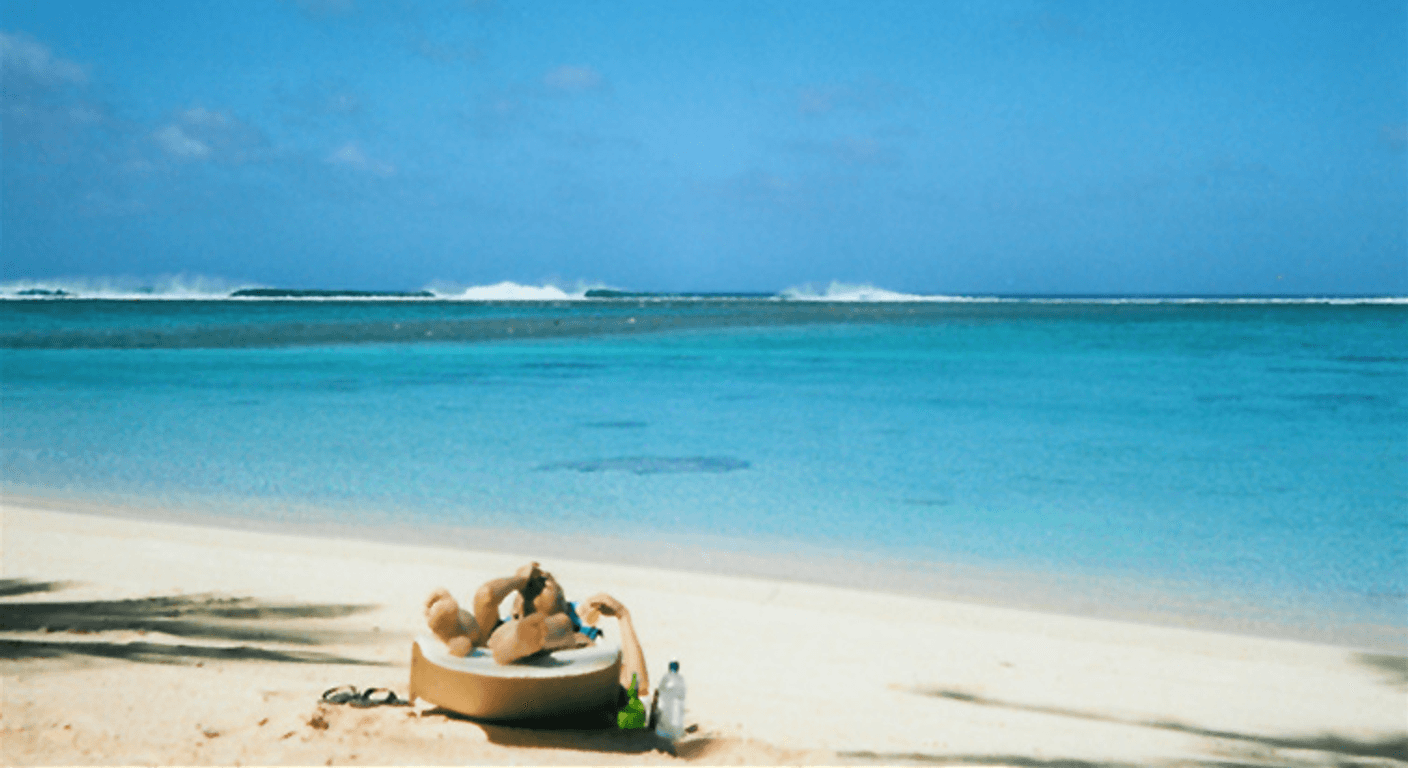
The Cook Islands offers something slightly different: genuine foreignness without genuine difficulty. Rarotonga and Aitutaki are English-speaking, the currency is tied to the New Zealand dollar (easy to understand, and your Australian card works at most resorts), the locals are warm in a way that doesn't feel performative, and the pace of the islands has a sedative quality that even the nicest Victorian beach town can't quite replicate. It's not dramatically different from Australia. That's rather the point.
The comparison only gets interesting when you look at the specific constraints and pleasures of being over 50 and travelling on your own terms. So: let's do it properly.
Getting there: flight times, stopovers and the jet-lag question
Domestically, the calculus is simple. Melbourne to the Sapphire Coast (NSW South Coast) is a 3.5-hour drive or a short flight to Merimbula. Melbourne to Airlie Beach is around 2.5 hours in the air. Sydney to the Mornington Peninsula is a 90-minute drive. You land, you're already in your own time zone, your own Medicare system, and if something goes wrong medically you know exactly what to do. That's not a small thing at 68.
The Cook Islands from Sydney is roughly 5 hours 40 minutes direct on Virgin Australia's Rarotonga service, which operates a few times a week (confirm current schedules — they shift seasonally). From Melbourne, you'll typically connect through Sydney, adding 2–3 hours including transit time. From Brisbane, around 5.5 hours direct when services run. From Perth, you're looking at 9–10 hours with a connection, which changes the calculus considerably — a Perth-based traveller might find a domestic long-haul flight to Queensland's Whitsundays more appealing than the Cook Islands routing. The Cook Islands runs on UTC-10, which puts it 20–22 hours behind Australian eastern time depending on daylight saving — confusing to explain, but in practice most travellers from the east coast find the adjustment gentle. You arrive, you sleep, you eat something, and by day two your body's sorted itself out.
There is no meaningful jet lag from Sydney or Melbourne to Rarotonga in the way there is from, say, Rome or Tokyo. The time difference is large on paper but the flight is short enough that your body doesn't suffer the same disruption. That said, take a recovery night seriously — book your first night at something comfortable and don't plan an activity for arrival day. The resort pool will still be there tomorrow.
What does it actually cost? Honest AUD figures for both options
Domestic coastal accommodation in a decent self-contained apartment or boutique guesthouse runs from around $150 to $280 a night in most shoulder-season periods — more in peak January school holidays, which you'll sensibly avoid. A week on the NSW South Coast or the Mornington Peninsula, self-catering for two to three meals a day and eating out twice, comes to roughly $2,000–$3,500 all up per person including fuel or flights, depending on how you travel. Solo travellers pay the same as couples per room (no single supplement on self-contained apartments — one of domestic travel's quiet advantages).
The Cook Islands is more expensive than its relaxed reputation suggests. A decent resort room on Rarotonga — air-conditioned, clean, with a pool — runs from around $250 to $400 AUD per night. Aitutaki, the lagoon island that appears on every screensaver, commands a premium: expect $400–$700+ per night at the better properties. Return flights from Sydney add roughly $900–$1,600 per person at indicative rates (always confirm with the airline — prices move). Factor in travel insurance (non-negotiable, and more on that below), airport transfers, a lagoon cruise or two, and meals, and a 10-night Cook Islands trip per person sits somewhere between $4,500 and $8,000 depending on choices. Confirm all current pricing directly with operators and resorts before booking.
Single supplement reality: resorts in the Cook Islands do charge single supplements, and some are steep — often 60–90% of the per-person double rate added to a solo booking. Ask directly before you commit. A handful of operators running group tours to Rarotonga offer share-match arrangements or designated solo departures; it's worth asking Cook Islands Tourism or a specialist Pacific travel agent what's currently available. The domestic option sidesteps this entirely — a self-contained apartment or a twin-share guesthouse room costs the same whether you're one person or two.
Accessibility, walking and the honest mobility picture
Both options rate Easy for mobility if you choose the right specifics. The danger is in the details. 'Coastal holiday' can mean a flat seafront promenade in Merimbula or it can mean the clifftop walks of the Great Ocean Road — very different propositions. Choose your domestic destination with the walking terrain in mind. The Mornington Peninsula's main towns are largely flat and manageable. Airlie Beach has some hills. The NSW South Coast towns vary enormously — Narooma and Merimbula are gentler than some.
Rarotonga's main road circles the island and is flat. The interior is mountainous and strictly for the actively fit. The resort strips along the western and southern coasts are genuinely easy to move around — many properties are a short, flat walk from restaurants and the beach. Aitutaki requires a domestic flight from Rarotonga (around 45 minutes, on small propeller aircraft — fine for most people, though worth knowing if you have any anxiety about small planes). The lagoon cruise involves boarding a small boat, which requires stepping down from a dock — manageable for most, but not for everyone. Ask the operator specifically about boarding access before you book.
Medical care: domestically, you're within the Australian public health system. In the Cook Islands, Rarotonga Hospital handles emergencies but the standard of care is limited compared to Australian hospitals, and medical evacuation to New Zealand is the protocol for serious cases. Travel insurance that covers medical evacuation is not optional — it's the baseline. If you have pre-existing conditions, read your policy with care and declare everything. Do not rely on a standard domestic travel policy for an international trip.
What does a day actually look like? The shape of each holiday
Domestic coastal day, Mornington Peninsula as the example: you wake without an alarm, which is already the point. A 9:00am walk to the esplanade and back — flat, around 40 minutes, benches along the way. Coffee and something good at a local café by 10:00. The afternoon is yours: a drive to a winery cellar door (most have comfortable indoor seating, no long walks required), back by 3:30, a rest. Dinner at 7:00 at a restaurant you booked yesterday. In bed by 10:00. There are no scheduled departures. Nothing leaves without you. The toilet situation is entirely under your control — you know where they are because you're in a familiar country.
Cook Islands day, Rarotonga resort stay: breakfast at the resort from around 7:30 — the fruit alone is worth the flight. By 9:30 you might join a guided island circle tour, which takes about 3 hours including stops at a cultural centre, a viewing point, and a black pearl shop (genuinely skippable — tell the guide you'd prefer to wait at the café nearby, and do so without guilt). Lunch back at the resort or at a local restaurant on the main road: around $25–$40 AUD for a good plate, cash or card accepted at most places (though card surcharges exist — yes, even here). Afternoon: the lagoon, a book, the pool. By 4:00 the light on the water is extraordinary. Dinner at 7:00. The pace is not enforced — it's just what happens when there's genuinely nothing urgent.
One thing worth naming: a Cook Islands resort holiday is, structurally, a self-contained experience. You don't need to do very much at all. For a solo traveller who wants to meet people, the organised lagoon cruise and the resort bar at sunset are the natural gathering points — they work. For someone who wants solitude and peace, the resort itself provides it. You're not obligated to be social. That flexibility is part of what makes it suit over-50 solo women particularly well.
Language, culture and the ease of being understood
Domestically, you're home. The language is yours, the bureaucracy is familiar, the road signs make sense, and if the accommodation isn't right you can say so clearly and expect to be understood. For Italian-Australian travellers who are comfortable in English but occasionally find navigating foreign bureaucracy tiring, the domestic option removes an entire layer of cognitive load that travel can impose.
The Cook Islands is genuinely easy for English speakers. Cook Islanders speak English fluently — it's an official language — and most resort staff are accustomed to Australian guests. Menus are in English. Signage is in English. The local language, Cook Islands Māori (Rarotongan), is spoken between locals, and a few words of greeting (kia orana — hello) are warmly received. There's no language barrier in any practical sense. This matters more than people admit: part of the exhaustion of European travel at any age is the low-grade effort of communicating across a language gap. The Cook Islands doesn't ask that of you.
Culturally, the Cook Islands is Polynesian and proud of it — the dance performances, the weaving, the tivaevae (patchwork quilting) are genuine traditions, not manufactured for tourists. The Sunday church services in Avarua are open to visitors and the choral singing is extraordinary. You're not required to engage with any of it. But if you're curious — and many travellers over 50 are, in a way they weren't when they were younger — it's there and it's accessible.
Passports, entry requirements and what to check before you book
Domestic: no passport required, no visa, no entry conditions. Your Medicare card is your most important document. Seniors Card (Victoria's version is administered through the Department of Families, Fairness and Housing — check seniorsonline.vic.gov.au for current participating businesses) may offer concessions on some tours, attractions and transport. It's worth carrying it and asking — you'd be surprised how often the discount exists but isn't advertised.
Cook Islands: you need a current Australian passport (valid for the duration of your stay — the Cook Islands doesn't require six months' validity beyond departure, but confirm this directly via smartraveller.gov.au before booking, as requirements can change). Australian citizens don't require a visa for stays up to 31 days, but you must hold a return or onward ticket and evidence of accommodation. Entry requirements are subject to change — always check the Australian Government's Smartraveller advisory at smartraveller.gov.au/destinations/pacific/cook-islands before confirming any booking. Travel insurance with medical evacuation cover is strongly advised.
One thing many travellers overlook: if you're on a pension or receive Centrelink payments, check the rules around overseas travel before you go. Extended stays overseas can affect some payment types. The Services Australia website (servicesaustralia.gov.au) has the current rules. A Cook Islands trip of 10 nights is well within any threshold, but it's worth knowing where the lines are if you're considering a longer stay.
Quick planning guide
| Ideal pace | Slow to moderate — this comparison favours rest-focused itineraries over sightseeing marathons |
|---|---|
| Best months | Domestic coastal: varies by region (avoid school holidays for quieter stays). Cook Islands: May–October (dry season, cooler humidity) |
| Suggested stay | 7–10 nights minimum for either destination to feel the benefit |
| Mobility level | Easy — both options chosen for flat terrain, gentle pace and manageable transfers |
| Cost level | Domestic from around $150–$280/night accommodation; Cook Islands from around $250–$500+/night depending on resort |
| Comfort level | High — both options prioritise comfort over adventure |
| Best for | Solo women, couples, empty nesters, anyone wanting genuine rest without punishing logistics |
| Main planning consideration | Cook Islands requires a current passport and return ticket; check smartraveller.gov.au before booking. Domestic trips: confirm Seniors Card eligibility and any state-specific concessions. |
Key takeaways
- The Cook Islands is roughly 5 hours 40 minutes direct from Sydney — short enough that jet lag is minimal for most eastern-state Australians.
- Domestic coastal holidays sidestep single supplements entirely; Cook Islands resorts often charge 60–90% solo surcharges, so ask before you book.
- A Cook Islands trip for 10 nights costs roughly $4,500–$8,000 per person all in; a comparable domestic week sits closer to $2,000–$3,500.
- Both options rate Easy for mobility if you choose flat terrain and avoid the Cook Islands' mountainous interior or domestic clifftop walks.
- Travel insurance with medical evacuation cover is non-negotiable for the Cook Islands — Rarotonga's hospital is limited and evacuation to New Zealand is standard for serious cases.
- Always check current Cook Islands entry requirements and travel advisories at smartraveller.gov.au before booking — conditions can change.
Recommended partners and links
Indicative prices only — always confirm with the operator before booking.
Frequently asked questions
Do Australians need a visa to visit the Cook Islands?
Australian passport holders do not require a visa for stays up to 31 days in the Cook Islands, but you must hold a valid return or onward ticket and proof of accommodation on arrival. Always confirm current entry requirements via smartraveller.gov.au before booking, as conditions can change.
Is the Cook Islands suitable for solo female travellers over 50?
Yes. The Cook Islands is widely considered one of the safer Pacific destinations for solo women. English is an official language, resort environments are secure, and the pace of island life suits independent travel. The main financial consideration is the single supplement charged by most resorts — ask operators directly about solo rates or share-match options before committing.
How does jet lag compare between a Cook Islands trip and a domestic Australian holiday?
A domestic Australian holiday involves no time-zone change at all. The Cook Islands sits at UTC-10, which is a large difference on paper from Australian eastern time, but the flight from Sydney is under six hours and most travellers from the east coast find the adjustment manageable within a day or two, especially with a planned rest day on arrival.
Can I use my Victorian Seniors Card for discounts on a domestic coastal holiday?
Yes, in many cases. The Victorian Seniors Card is accepted by a range of accommodation providers, tour operators and attractions across Australia, though not all. It's worth carrying the card and asking at each venue — discounts aren't always advertised. Check the current list of participating businesses at seniorsonline.vic.gov.au.
What travel insurance do I need for the Cook Islands?
You need a policy that covers overseas medical treatment and — critically — medical evacuation, since Rarotonga Hospital's capacity is limited and serious cases are typically evacuated to New Zealand. Declare all pre-existing conditions honestly when purchasing. A standard domestic travel policy will not cover an international trip, so don't assume your existing cover extends to the Cook Islands.