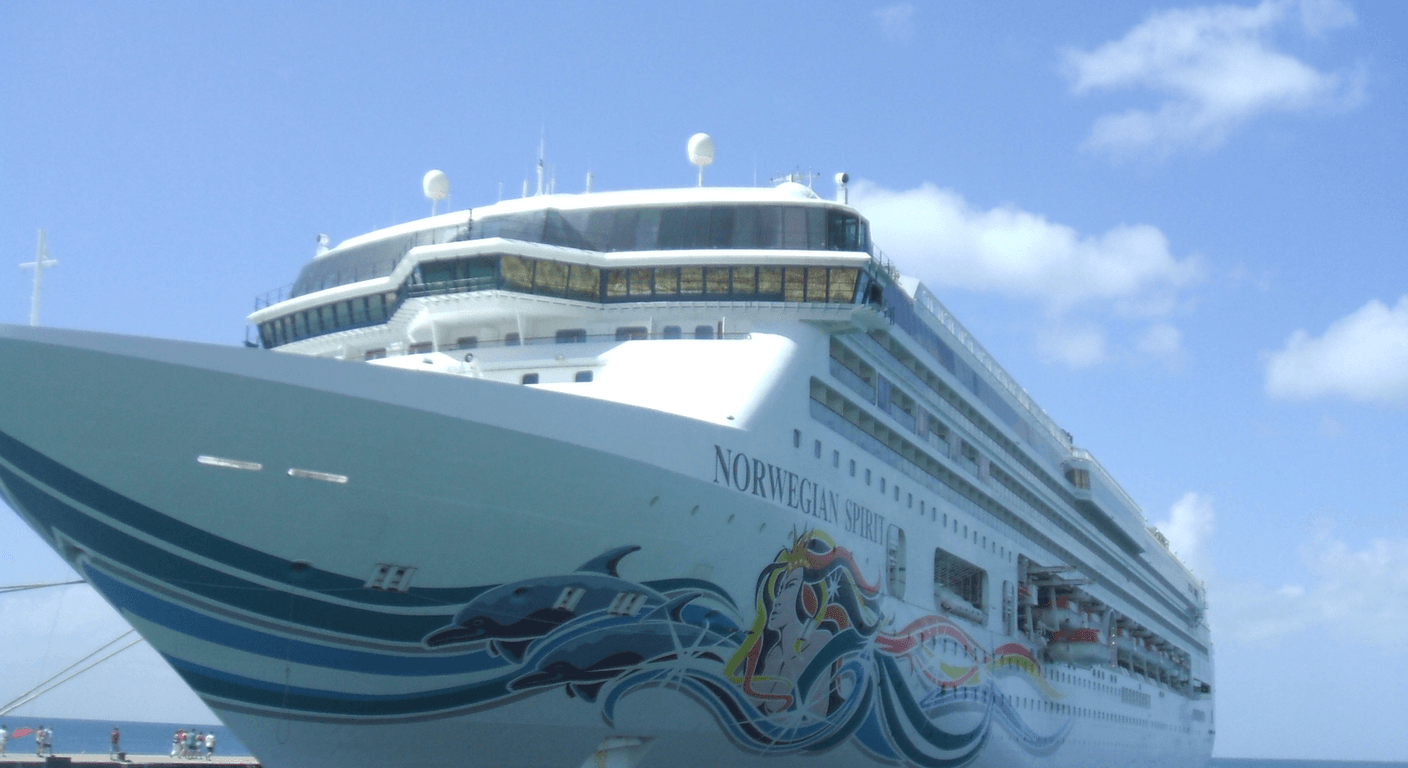
Domestic Australian flights are typically cheapest six to ten weeks before departure, while international fares are most competitive three to six months out — key timing facts for travellers over 50, including solo travellers and those with health considerations, planning flights, cruises or tours. Cruise Wave Season (January–March) often delivers genuine value through onboard credits and reduced single supplements. Confirm current fares and terms with a reputable, AFTA-accredited travel agent.
The Booking-Timing Myth Worth Unlearning First
There's a persistent idea that booking at the very last minute — or, conversely, booking the moment a product is released — always delivers the best price. Neither is reliably true. What's true is more useful: different travel products follow different pricing rhythms, and understanding which rhythm applies to what you're buying is worth more than any blanket rule.
For travellers over 50, and particularly for solo travellers managing a fixed income, the stakes of getting this wrong aren't just financial. A non-refundable flight booked at the wrong time, or a deposit lost because a tour's cancellation policy was skimmed rather than read, can sour an otherwise well-planned year. The goal isn't just saving money. It's booking with confidence.
The sections below deal with each product type honestly — what the data suggests, what operators themselves say, and where the genuine traps are. Nothing here is a guarantee. Prices shift constantly. But the patterns are real enough to be useful.
Flights: What the Price Patterns Actually Show
Airline pricing is dynamic, which is a polite way of saying it changes constantly based on demand, route, season and algorithms no human fully controls. That said, some broad patterns have held up over years of observation. For domestic Australian flights — Melbourne to Sydney, Adelaide to Brisbane, that kind of route — fares tend to be most competitive roughly six to ten weeks before departure. Earlier than that, the airline hasn't yet discounted unsold seats. Much later, and you're competing with last-minute business travellers.
For international flights, the window is wider. Booking three to six months ahead of departure generally gives access to reasonable fares on popular routes from Melbourne, Sydney or Brisbane. Routes to Europe via the Middle East or Southeast Asia — the ones most relevant to travellers with Italian or broader European heritage visiting family or ancestral regions — tend to release competitive fares in this window. Confirm current patterns with a reputable travel agent, because route-specific anomalies are common.
One thing worth knowing: Tuesday and Wednesday have historically shown slightly lower average fares than Friday or Sunday, though this is a tendency, not a rule. Setting a price alert through Google Flights or a similar tool is a practical, low-effort strategy. What it won't do is predict the future. Book when the fare feels fair for the route and the dates, not in anticipation of a lower price that may never appear.
Cruises: Wave Season Is Real — With Caveats
Wave Season — the period from January through to late March — is the cruise industry's version of a sale event, and unlike some retail 'sales', the discounts and inclusions are often genuine. Cruise lines use this period to fill cabins for the year ahead, and the incentives typically take the form of onboard credits, cabin upgrades, reduced single supplements, or complimentary beverage packages rather than headline price cuts. That distinction matters: the advertised fare may look similar to other times of year, but the value bundled into it is higher.
For solo travellers, the single supplement — the surcharge cruise lines add when one person occupies a cabin designed for two — has long been a frustration. During Wave Season, several major lines reduce this supplement, and a growing number of ships now offer dedicated solo cabins that carry no supplement at all. It's worth asking specifically about solo-cabin availability when comparing Wave Season offers. P&O Cruises Australia, Royal Caribbean and Silversea all have Australian-market offerings worth comparing; check their official sites directly for current terms.
The caveat: Wave Season deals almost always come with stricter cancellation terms than standard bookings. Read the fine print before the credit card comes out. A deal that saves $400 in onboard credits but costs $800 if you cancel for a covered medical reason is not, on balance, a deal.
Earlybird Tours: When the Discount Is Genuine
Reputable group tour operators — the kind that specialise in small-group or escorted travel — do offer genuine earlybird pricing, typically in the range of 10 to 25 per cent off the standard tour price. These discounts are real because operators need to confirm passenger numbers months ahead to secure accommodation, guides and transport at contracted rates. Your early commitment has genuine value to them, and they price accordingly.
The window for earlybird pricing varies by operator and destination. For popular European itineraries departing in the northern summer (May to September), earlybird releases often open the previous September or October, with pricing locked until a cut-off date — sometimes as early as six months before departure. For Australian domestic tours, the window is shorter: earlybird pricing might open three to four months ahead.
One thing to verify before booking any earlybird tour: what happens if you need to cancel, and at what point does the deposit become non-refundable? Some operators offer a fully transferable deposit — meaning you can shift your booking to another date or tour — while others treat the deposit as gone the moment the booking is confirmed. Travel insurance that covers cancellation for pre-existing medical conditions is not optional for this traveller group. It's the foundation on which any earlybird saving actually rests.
Last-Minute Bookings: The Real Risk for Travellers with Mobility Needs
Last-minute travel has a certain romantic appeal — the spontaneous escape, the drastically reduced fare. For a 35-year-old with a flexible schedule and no mobility considerations, it can work. For a solo traveller over 60 who uses a walking frame, needs a ground-floor cabin, or requires an aisle seat with extra legroom, last-minute booking is a gamble that rarely pays off.
The reason is straightforward: accessible cabins, rooms with walk-in showers, lower-deck berths and suitable seating configurations are the first to be allocated. By the time a last-minute deal appears, the inventory that suits your needs is usually gone — and the alternative is either a room that doesn't work for you or paying a premium to upgrade at the last moment, eliminating any saving. Airlines are similarly limited in what they can guarantee if you haven't pre-selected seating in advance.
There's also the practical matter of travel insurance. Most insurers require policies to be purchased within a defined period of booking — sometimes within 72 hours — to activate the cancellation benefit for pre-existing conditions. A last-minute booking compresses that window dangerously. If you're drawn to spontaneous travel, a better strategy is to identify a small pool of potential destinations and monitor prices, so that when a fare drops, you're already prepared to move quickly and insure immediately.
Deposits, Refunds and the Fine Print Nobody Reads
The deposit is where the emotional commitment to a booking happens. It's also where the financial risk begins. Australian consumer law provides some baseline protections, but travel products — particularly international tours and cruises — often operate under the terms of the country of origin, not Australian law. That's not a reason to panic; it is a reason to read.
Key questions to ask before paying any deposit: Is it refundable, and until what date? Can it be transferred to another departure? What constitutes a valid reason for cancellation under the policy? Does the operator carry its own insolvency protection or hold deposits in trust? The Australian Federation of Travel Agents (AFTA) accredits travel agents who meet professional standards and can help you work through these questions — worth knowing if you prefer a human conversation to a website's FAQ.
One practical approach: pay deposits by credit card where possible. Under Australian credit card chargeback rules, you may be able to dispute a charge if a service isn't delivered as promised. This isn't a substitute for travel insurance, but it adds a layer of protection. Confirm the specifics with your card provider before relying on it.
A Sensible Booking Sequence for the Over-50 Traveller
Rather than booking everything at once or waiting for some imagined perfect moment, a staged approach reduces both financial risk and planning stress. Start with the anchor: the tour, the cruise, or the accommodation with the most limited availability and the longest lead time. Confirm the dates, read the cancellation policy, pay the deposit, and purchase travel insurance within the required window — the same day if possible.
Flights come second. Once the tour or cruise dates are locked, you have the fixed endpoints you need to search for flights intelligently. Booking flights before a tour is confirmed is a common mistake that can cost significantly if dates shift. If flying internationally, factor in a recovery night at the destination before the tour begins — jet lag is real, and arriving in Rome or Dubrovnik exhausted on the morning of Day One of a 14-day itinerary is an avoidable own goal.
Finally, revisit your insurance policy once all bookings are confirmed, to ensure the total trip cost is covered and all pre-existing conditions are disclosed. Underdisclosing to save on premiums is a false economy. The goal of good booking timing isn't just the best price on any individual product — it's the best overall outcome for a trip that actually goes as planned.
Quick planning guide
| Who it's for | Travellers over 50 booking flights, cruises or tours, particularly solo travellers on a fixed income and those managing health or mobility considerations. |
|---|---|
| How to start | Book the anchor booking first — the tour, cruise or accommodation with the most limited availability and longest lead time — then build flight bookings around those confirmed dates. |
| Typical cost | Earlybird tour discounts typically run 10–25% off standard pricing; Wave Season cruise value comes via onboard credits, cabin upgrades or reduced single supplements rather than headline fare cuts; domestic flights are cheapest six to ten weeks out, international flights three to six months out. |
| Time required | Domestic flights: book 6–10 weeks ahead. International flights: 3–6 months ahead. Cruise Wave Season: January to late March. Earlybird tours: up to six months ahead for European summer departures, three to four months for Australian domestic tours. |
| Where to get help | An AFTA-accredited travel agent for booking and policy questions; official cruise line websites (e.g. P&O Cruises Australia, Royal Caribbean, Silversea) for current Wave Season terms. |
| Key documents needed | Travel insurance policy covering pre-existing conditions, purchased within the insurer's required window (sometimes within 72 hours of booking); written deposit and cancellation terms from the tour or cruise operator. |
| Main planning consideration | Read cancellation and deposit terms before paying, since Wave Season and earlybird deals often carry stricter conditions; travellers with mobility needs should avoid last-minute bookings, as accessible cabins, rooms and seating are allocated first. |
| Renewal or review | Revisit the insurance policy once all bookings are confirmed to ensure total trip cost is covered and all pre-existing conditions are disclosed. |
Key takeaways
- Wave Season (January–March) cruise deals often deliver genuine value through onboard credits and reduced single supplements, not just lower fares.
- Domestic flights are typically cheapest six to ten weeks before departure; international fares are often most competitive three to six months out.
- Earlybird tour discounts of 10–25% are real, but the deposit cancellation terms must be read before any money changes hands.
- Last-minute bookings are genuinely risky for travellers with mobility needs, as accessible inventory is allocated first.
- Travel insurance covering pre-existing conditions should be purchased on the same day as the deposit — the cancellation benefit window is that tight.
- Book the tour or cruise first, then build flights around confirmed dates — not the other way around.
Recommended partners and links
Indicative prices only — always confirm with the operator before booking.
Frequently asked questions
Is Wave Season for cruises actually worth it for Australian travellers?
Wave Season (January to March) genuinely delivers value for Australian cruise passengers, particularly through onboard credits, cabin upgrades and reduced single supplements rather than lower headline fares. The catch is that cancellation terms during Wave Season are often stricter than standard bookings, so travel insurance with cancellation cover should be purchased at the same time as the deposit. Check official cruise line websites directly for current Australian-market Wave Season terms.
How far in advance should I book an international flight from Australia?
For most international routes from Australia — including flights to Europe via the Middle East or Southeast Asia — booking three to six months before departure typically gives access to competitive fares. Booking much earlier than that often means paying close to the initial release price before discounting begins. Setting a price alert through a tool like Google Flights is a practical, low-effort way to monitor a route without obsessively checking.
Are earlybird tour discounts genuine, or just marketing?
Earlybird discounts from reputable group tour operators are generally genuine, typically ranging from 10 to 25 per cent off the standard tour price. Operators offer them because early bookings help secure accommodation and guide contracts at better rates. The discount is real — but the cancellation terms attached to earlybird deposits vary significantly between operators, and must be read carefully before booking.
Why is last-minute booking risky if I have mobility needs or use a walking aid?
Accessible cabins, ground-floor rooms, walk-in shower configurations and preferred airline seating are allocated earliest and are rarely available in last-minute inventory. By the time a last-minute deal appears, the options that actually suit a traveller with mobility considerations are usually gone. Booking early is not just a pricing strategy for this group — it's the only reliable way to secure suitable accommodation and seating.
When should I buy travel insurance relative to booking a tour or cruise?
Travel insurance should be purchased on the same day as the deposit, not at the time of final payment. Most insurers only activate the cancellation benefit for pre-existing medical conditions if the policy is purchased within a specified window after the initial booking — sometimes as short as 72 hours. Waiting until the trip approaches to buy insurance means this benefit may not apply if you need to cancel for a health reason.
- Australian Federation of Travel Agents (AFTA) — consumer information and accredited agents
- Australian Competition and Consumer Commission — travel and tourism consumer rights
- Cruise Passenger Australia — Wave Season deals and cruise news
- Intrepid Travel Australia — earlybird tour offers and booking terms
- Smart Traveller (DFAT) — travel insurance guidance for Australians