The Australian War Memorial in Canberra is free to enter, with the Last Post Ceremony held daily at closing time in the Commemorative Courtyard. Shoulder months (May, June, September and October) bring mild weather and quieter crowds; a half-day suits most visitors, a full day those tracing family history. The site is fully accessible, with lifts, wide paths and free wheelchairs, and is reached easily from central Canberra by bus or taxi, or by a short flight or drive from Melbourne and Sydney.
Why the Australian War Memorial Matters to Over-50 Visitors
For many Australians over 50, the Australian War Memorial isn't simply a museum — it's a family document. A father who didn't talk about what he saw in Korea. A great-uncle whose name appears on a headstone in France that no one has ever visited. The Memorial holds those stories in its galleries, its archives and, most tangibly, on the 102,000-plus names cast into the bronze panels of the Roll of Honour that line the walls of the Commemorative Courtyard.
There's a reason visitors slow down here in a way they don't at other institutions. The scale of the collection — aircraft, ships, personal letters, uniforms still carrying the shape of the person who wore them — is matched by an unusual emotional honesty. The Memorial doesn't flinch from the cost of what it documents. That makes it a more serious place than most, and a more rewarding one.
Finding a Name on the Roll of Honour
The bronze panels of the Roll of Honour run along both sides of the Commemorative Courtyard. Names are listed by conflict and then alphabetically. If you know a relative served, look them up before you arrive — the Memorial's online search tool at awm.gov.au lets you search by name, conflict and unit, and will tell you which panel your person appears on. Walking straight to that panel, rather than searching along hundreds of metres of bronze, makes for a more composed experience.
Staff at the Memorial are genuinely knowledgeable and unhurried. If you're unsure where to start, the visitor services desk inside the entrance is a good first stop. The Memorial's Research Centre can also assist with deeper family history enquiries, though access arrangements have changed during the redevelopment period — confirm what's currently available on the website.
Small red poppies are sometimes pressed into the letters of names by previous visitors. It's a quiet, unorganised tradition that says more about the place than any official signage could.
The Last Post Ceremony: What to Expect
Every single day of the year — including Christmas Day — the Memorial closes with a Last Post Ceremony in the Commemorative Courtyard. The ceremony begins roughly 15 minutes before closing time, which varies by season, so check the Memorial's website or ask at the desk when you arrive. It runs for around 20 minutes.
The ceremony follows a consistent structure: an ode, the Last Post played by a lone bugler, a minute's silence, Rouse, and then a short reading about one serviceman or woman whose name appears on the Roll of Honour. That biographical detail — age, hometown, what they did before the war, how they died — is what separates this from a generic commemoration. You leave knowing one person's name and something of their life.
Seating is available in the courtyard and fill up in the final few minutes before the ceremony begins, particularly in peak tourist season and around ANZAC Day. The courtyard is open to the sky, so a light jacket is sensible from April onwards. The atmosphere is respectful and quiet without being solemn to the point of discomfort — children attend, tourists attend, veterans attend. Everyone seems to understand instinctively what the occasion asks of them.
Navigating the Galleries: What's Open During Redevelopment
The Memorial's $550 million redevelopment, underway through the mid-2020s, means the visitor experience is in a state of genuine flux. Some major galleries have been closed or relocated during construction phases, and the situation is changing as new spaces open in stages. This is not a reason to avoid visiting — much of the collection remains on display — but it does make checking the current gallery status at awm.gov.au genuinely important before you travel.
Timed-entry bookings may be required during busy periods. Again, the website is the only reliable source for current arrangements. Don't rely on secondhand accounts from friends who visited 18 months ago; the picture has likely shifted since then.
What has remained constant throughout the redevelopment is the Commemorative Courtyard, the Roll of Honour, and the Last Post Ceremony. The Memorial's most affecting experiences are, fortunately, the ones least disrupted by construction.
Accessibility and Pacing Your Visit
The Memorial is one of the more accessible major institutions in Australia. Lifts connect all levels, paths through the galleries are wide and even, and seating is distributed throughout — both fixed benches and moveable chairs in many areas. Wheelchairs are available to borrow at no cost from the entrance. The Commemorative Courtyard itself is level and paved.
A half-day is the practical minimum for a meaningful visit — enough time to find a name on the Roll of Honour, move through the open galleries at a considered pace, and be settled in the courtyard for the Last Post. A full day suits anyone with a deeper interest in the collection or a more involved family history to trace. There's a café on site for a midday break, and the Memorial's bookshop carries a strong range of Australian military history titles.
For solo travellers, the pace of this place suits independent movement well. There's no pressure to keep up with a group, and the Memorial's layout makes it easy to sit, reflect and move on in your own time. The ceremony at the end of the day provides a natural, unhurried conclusion.
Getting There from Victoria and Beyond
Canberra is around 650 kilometres from Melbourne — a straightforward drive of roughly seven hours, or a comfortable overnight stop in Gundagai or Yass if you prefer to break the journey. NSW TrainLink operates a rail service from Sydney to Canberra (around four hours), and Murrays Coaches runs services from both Melbourne and Sydney. Flights from Melbourne are short — under an hour — with several carriers operating daily. Confirm current schedules and fares before booking.
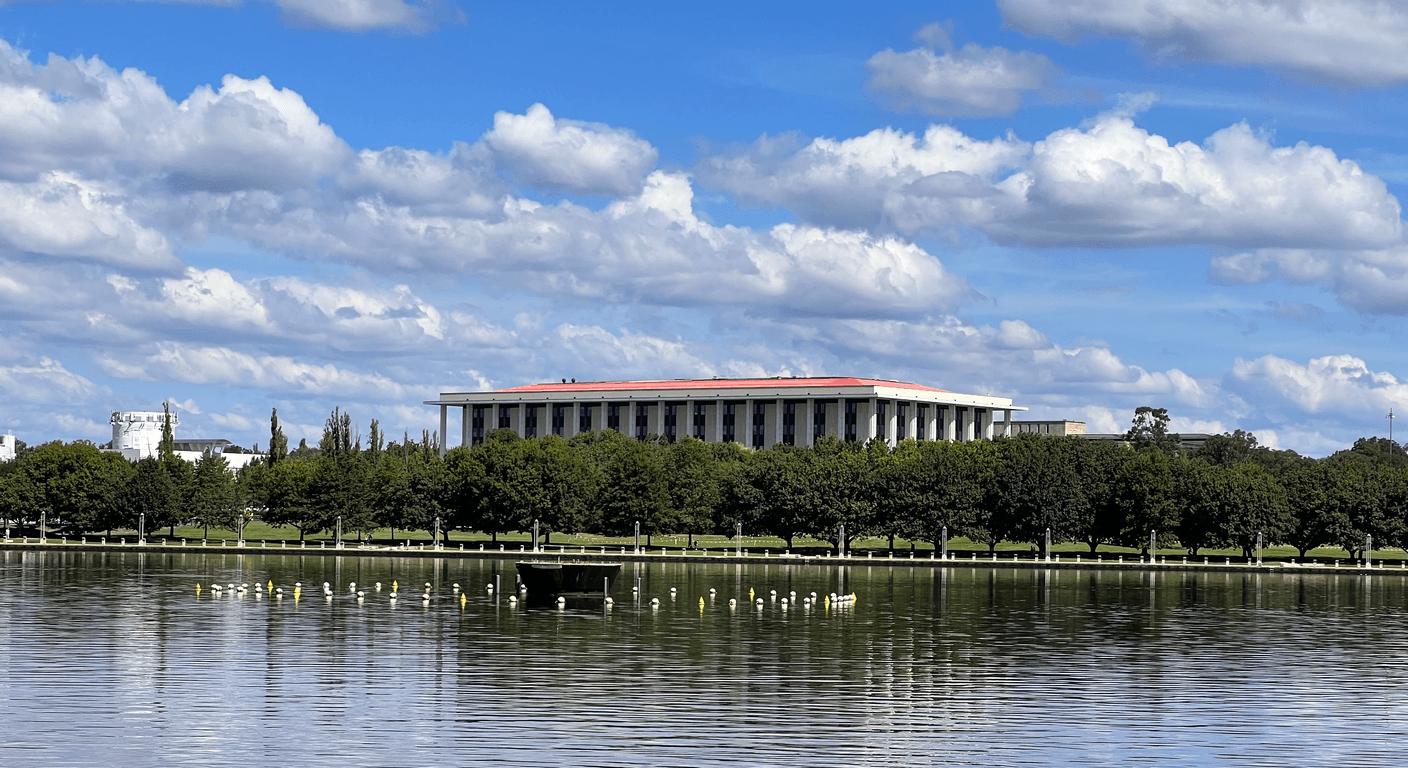
From central Canberra, the Memorial is easily reached by bus on the Transport Canberra network, or by taxi and rideshare. It sits at the head of ANZAC Parade, directly across Lake Burley Griffin from Parliament House — the symbolic axis of the national capital. A morning walk along the lake followed by an afternoon at the Memorial makes for a well-paced Canberra day.
Parking is available on site and is generally uncomplicated outside of major public holidays and the ANZAC Day period, when crowds are substantial and advance planning is essential.
When to Visit: Seasons and Crowds
Canberra has genuine seasons. Winters are cold — frosts are common, and the courtyard ceremony in July requires a proper coat. Spring (September to November) and autumn (March to May) offer mild days and clear light. Summer brings warmth but also the busiest school-holiday crowds. For a solo traveller who prefers a quieter, more contemplative visit, the shoulder months of May, June, September and October are worth considering.
ANZAC Day — 25 April — is the most significant date in the Memorial's calendar. The Dawn Service at the Memorial draws tens of thousands of people and is a genuinely powerful occasion, but it requires early rising, crowd navigation and advance planning for accommodation. If your interest is in the quieter, more personal experience of the Last Post Ceremony and the Roll of Honour, a visit in the weeks surrounding ANZAC Day rather than on the day itself often proves more reflective.
Quick planning guide
| Ideal pace | Slow, reflective pace with time to sit and absorb |
|---|---|
| Best months | May, June, September and October (mild weather, smaller crowds) |
| Suggested stay | Half-day minimum; full day for deeper family history research |
| Mobility level | Easy — lifts, wide even paths, free wheelchairs and ample seating |
| Cost level | Free entry every day of the year |
| Comfort level | High — café, bookshop, sheltered galleries and courtyard seating |
| Best for | Solo travellers, and visitors with family war service connections |
| Main planning consideration | Check awm.gov.au for current gallery closures and ceremony timing due to the ongoing redevelopment |
Key takeaways
- The Australian War Memorial is free to enter every day of the year, with no admission charge regardless of how long you stay.
- The Last Post Ceremony is held in the Commemorative Courtyard at closing time every single day, including Christmas Day — roughly 20 minutes, open to all visitors.
- Over 102,000 names are listed on the Roll of Honour; use the online search tool at awm.gov.au before you visit to locate a specific name and panel.
- A major redevelopment is ongoing through the mid-2020s — some galleries are closed and timed-entry bookings may apply; always check the official website before travelling.
- The Memorial is fully accessible with lifts, wide gallery paths, borrowed wheelchairs and courtyard seating — an Easy mobility rating for most visitors.
- Shoulder months (May, June, September, October) offer mild Canberra weather and smaller crowds than the peak ANZAC Day and summer holiday periods.
Recommended partners and links
Indicative prices only — always confirm with the operator before booking.
Frequently asked questions
Is the Australian War Memorial free to visit?
Yes. Entry to the Australian War Memorial is free of charge every day of the year. However, during the current redevelopment period, timed-entry bookings may be required at busy times — confirm the current arrangements at awm.gov.au before your visit.
What time is the Last Post Ceremony at the Australian War Memorial?
The Last Post Ceremony is held in the Commemorative Courtyard every day at closing time, which varies by season. The ceremony runs for approximately 20 minutes. Check the Memorial's website or ask staff when you arrive for that day's closing time.
How do I find a relative's name on the Roll of Honour?
The Memorial's website (awm.gov.au) has an online search tool that allows you to search by name, conflict and unit. It will tell you which bronze panel the name appears on, so you can go directly to the right location in the Commemorative Courtyard.
Is the Australian War Memorial accessible for visitors with mobility considerations?
Yes. The Memorial has lifts connecting all levels, wide and even gallery pathways, seating throughout, and wheelchairs available to borrow at no charge from the entrance. The Commemorative Courtyard, where the Last Post Ceremony is held, is level and paved.
Which galleries are currently open during the redevelopment?
The Memorial's $550 million redevelopment means gallery availability is changing in stages through the mid-2020s. The Commemorative Courtyard and Roll of Honour remain accessible. For current gallery status, check awm.gov.au — secondhand accounts from previous visitors may no longer be accurate.