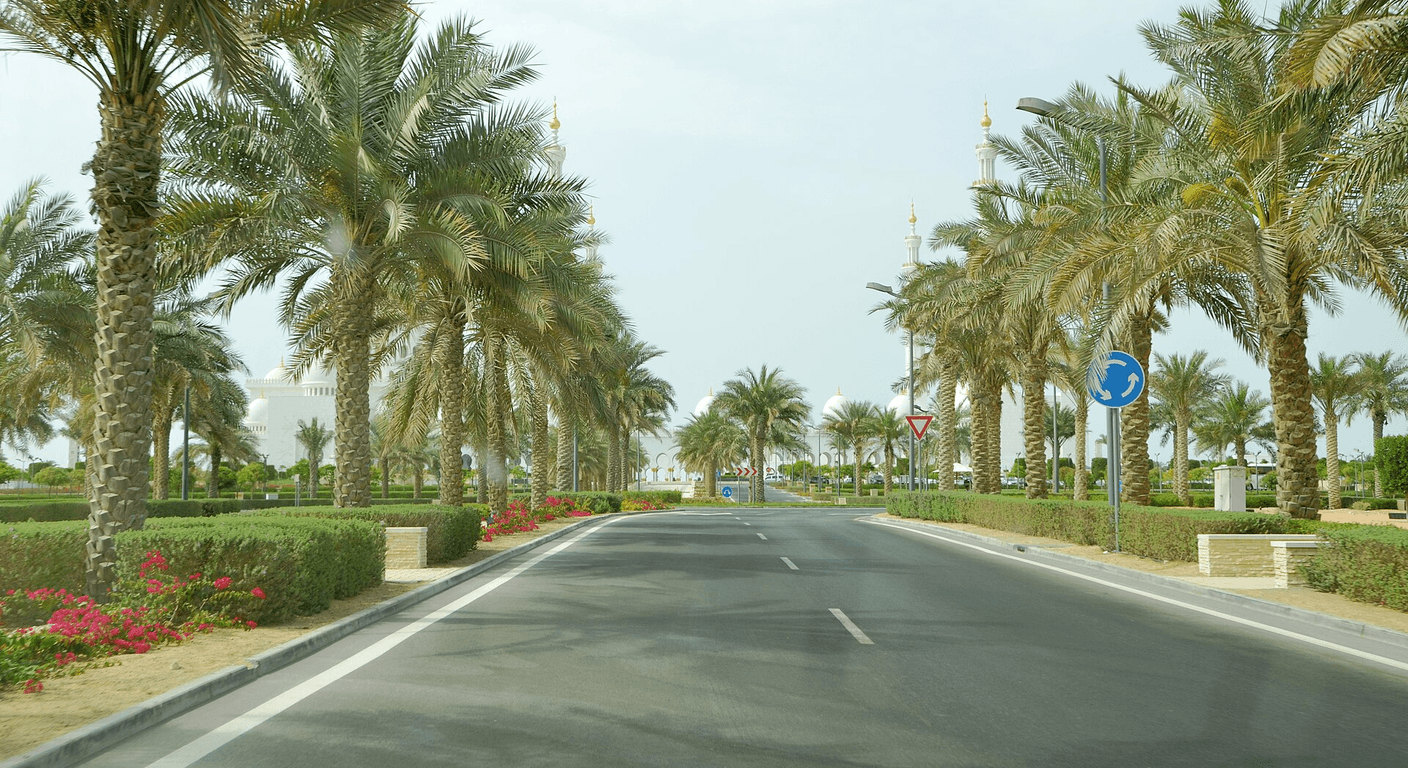
Bali suits Australians over 60 who choose their base carefully, travel in the drier months and keep the pace slow. Sanur and Nusa Dua are the gentlest bases, while Ubud suits those who can manage steps. Allow 8 to 10 days, aim for roughly May to September, and expect Moderate mobility demands: uneven footpaths, steps and heat. Check flight routes and schedules with airlines.
Is Bali a good choice for Australians over 60?
Yes, with conditions. Bali is close, warm and used to older visitors. Service is gentle and spa treatments cost far less than at home. The island also suits solo women, provided you choose the base with care.
It suits people who enjoy culture, gardens, markets and slow meals. It suits those comfortable with heat and with some uneven ground. It is a poor fit for anyone who relies on a wheelchair or walker, or who needs smooth, level paths. Traffic is heavy, and getting around depends on drivers rather than footpaths.
Flight times and routes from Melbourne, Sydney, Brisbane and Perth change with the airlines. Check current schedules with the carriers. Allow a quiet first night to recover, especially after an overnight or late-arrival flight. A stay of 8 to 10 days gives you time to settle without rushing between bases.
Which area suits which traveller?
Sanur is the easiest start. It has a long seafront path, calm water and a quieter feel, and many older visitors return there. It suits couples and solo travellers who want to walk without dodging motorbikes.
Ubud suits culture lovers who can manage steps. Expect dance performances, galleries, rice-terrace views and cooler evenings. The catch is the terrain. Streets are narrow, footpaths are patchy, and many sights involve steps. Pick accommodation close to where you want to eat and walk.
Nusa Dua and the Jimbaran area suit those who want resort comfort, smoother paths and an easy base with less street hassle. Seminyak and Canggu are busier and younger, and they involve more traffic. They can work for a day or an evening but are rarely restful bases.
How hot is it, and how should you pace the day?
Bali is hot and humid all year. Midday heat can be tiring even for fit travellers. Plan outings for the morning, rest from late morning to mid-afternoon, then go out again toward evening.
Drink water steadily and wear a hat and light, long sleeves for sun and temple dress. Carry any regular medication in its original packaging, and ask your doctor about managing it in heat. Aim for one main activity a day, not three.
The drier months, roughly May to September, are usually more comfortable for walking and day trips. Rain and humidity are heavier in the wet season. Check the current outlook before you book.
What are footpaths and steps really like?
Footpaths in many tourist areas are narrow, broken or blocked by parked scooters. Drains can be open. Walking at night needs a torch or phone light. Sanur's seafront path and the grounds of larger resorts are the smoothest options.
Many temples, rice-terrace walks and cafes have steps, and some have steep stairs with no rail. Official accessibility information for the airport, major temples and beaches was not confirmed for this guide, so ask your hotel or driver before you commit to a site.
When choosing accommodation, ask about steps to the room, bathroom access, pool entry and lifts. Ground-floor rooms are worth requesting. A private driver for the day, arranged through your hotel, often makes the whole island easier.
What about visas, the tourist levy and entry rules?
Foreign visitors to Bali pay a levy of Rp 150,000 per person. Official pages say it has applied since 14 February 2024 and covers every international tourist doing tourist activities. It is collected cashless through the Love Bali website, lovebali.baliprov.go.id, or the Love Bali app. Paying online before you fly is strongly encouraged.
Use only the official site. Lookalike sites exist and may overcharge. The levy is separate from the Indonesian visa fee. Check the current amount and any exemptions on the Love Bali site shortly before travel. Whether it is payable once per entry or per trip should also be confirmed there.
Visa type, fee, permitted stay and any arrival card or customs declaration were not confirmed for this guide. Check the Indonesian Immigration site and Smartraveller before booking, and confirm your passport's validity requirements.
What about health, insurance and hospitals?
Buy travel insurance before you pay for flights. Declare every pre-existing condition and check whether the policy covers them, plus medical evacuation, motorbike use and any activities you plan. Read the exclusions, since many older travellers find them in the fine print only after a claim.
Bali has private hospitals and international-standard clinics, mostly in the southern tourist areas. Care costs can be high without insurance, and facilities are thinner away from the south. Hospital details were not confirmed for this guide. Ask your insurer for its approved providers.
See your GP four to six weeks before you leave. Discuss vaccinations, medication supplies, and food and water precautions. Check Smartraveller for the current advice level, health notices and volcano or road warnings.
A solo traveller's perspective and a couple's perspective
A solo traveller's perspective: Bali is widely used by solo women, and a well-chosen base feels easy. Ask whether the operator charges a single supplement on tours, retreats or packages. Solo pricing was not found on an official page, so confirm it with each operator and ask about share-match or solo departures. Book a driver through your accommodation and keep contact details handy at night.
A couple's perspective: two people can split a driver's cost, which makes private day trips better value than for one. Villas with a private pool suit couples who want to rest during the heat. Check step access together before you book, since one person's easy path may be the other's obstacle.
Gentle day trips include the Tegalalang area and craft villages near Ubud, a morning at a quiet temple with a driver, and a spa afternoon. Keep each outing to a half day, and skip anything with long steps.
Quick planning guide
| Ideal pace | Slow. One main outing a day, with a long midday break out of the heat. |
|---|---|
| Best months | Generally the drier months, roughly May to September. Confirm current conditions with the Bureau of Meteorology and Smartraveller before booking. |
| Suggested stay | 8 to 10 days, split between two bases at most, such as Sanur then Ubud. |
| Mobility level | Moderate. Footpaths are often broken or missing, and many temples, cafes and villas have steps. |
| Cost level | Flexible. Accommodation ranges from budget guesthouses to luxury resorts, so set a nightly budget and confirm current rates with the property. |
| Comfort level | High at resort level, variable elsewhere. Heat, humidity and traffic are the main strain. |
| Best for | Travellers who like spa time, gardens, craft villages, ceremonies and unhurried dining, including solo women. |
| Main planning consideration | Travel insurance that covers pre-existing conditions and medical evacuation, plus current visa and entry rules from official Indonesian and Australian government pages. |
Key takeaways
- Sanur and Nusa Dua are the gentlest bases; Ubud suits those who can manage steps.
- Bali is hot and humid year-round; plan around the middle of the day.
- Footpaths are often uneven or missing, and many sites have steps.
- Foreign visitors pay a Rp 150,000 per person levy, paid via the official Love Bali site.
- The levy is separate from the Indonesian visa fee.
- Declare pre-existing conditions and confirm medical evacuation cover before you fly.
Recommended partners and links
Indicative prices only — always confirm with the operator before booking.
Frequently asked questions
What is the best part of Bali for seniors?
Sanur is often the easiest base for older travellers because of its calm seafront path. Nusa Dua suits those wanting resort comfort. Ubud suits culture lovers who can manage steps.
Do I have to pay the Bali tourist levy?
Foreign tourists to Bali are subject to a levy of Rp 150,000 per person, which applies to every international tourist doing tourist activities. Pay it through the official Love Bali website or app, and check for exemptions on that site.
Is Bali accessible for people with limited mobility?
Access is uneven: footpaths are often broken and many temples and cafes have steps. Large resorts are usually easier. Ask hotels and drivers about specific access before booking.
Do I need travel insurance for Bali?
Yes, you should have it before you go. Declare pre-existing conditions and check that medical evacuation is covered. Confirm the details with your insurer and Smartraveller.
When is the best time for Australians over 60 to visit Bali?
The drier months, roughly May to September, are usually more comfortable. Bali stays warm and humid all year, so plan rest breaks regardless of season.
Want the next guide like this?
Choose your state, the subjects you care about, or both. We will let you know when a new guide lands. Email once a week at most, or a quiet phone notification on the day it publishes. No advertising, no sponsored content, and we never pass your details to anyone.