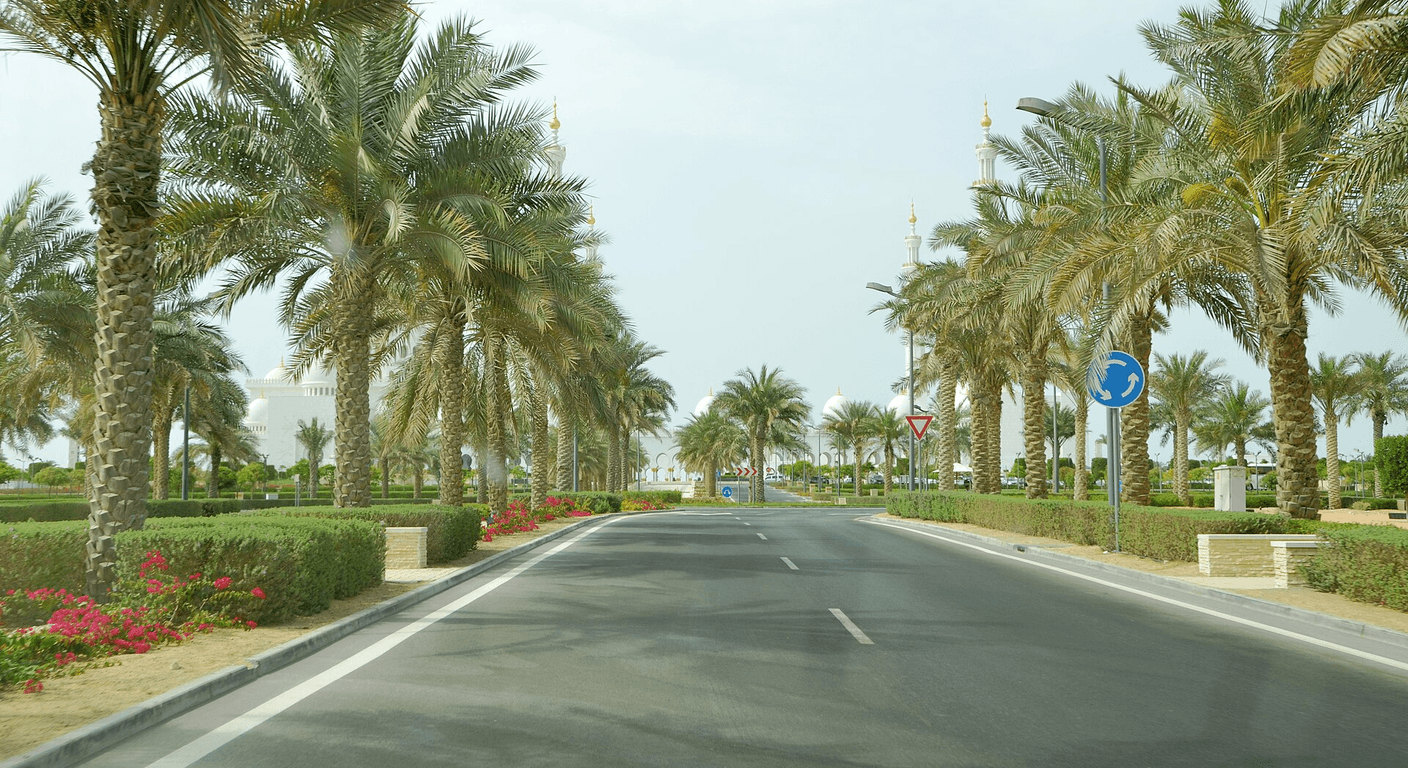
Dubai and Abu Dhabi suit over-60s who want comfort, air-conditioning and easy logistics, best visited in the cooler months, roughly November to March (confirm against a climate source). Allow five to seven nights across both cities. The highlights are the Sheikh Zayed Grand Mosque and the Louvre Abu Dhabi. Mobility: Easy to Moderate. Check Smartraveller before booking.
Is Dubai and Abu Dhabi a good trip for over-60s?
Yes, with some planning. Both cities are built around air-conditioning, taxis and short transfers. You can see a lot without much walking, which suits a pair who like their days organised and their evenings unhurried.
It doesn't suit everyone. If you want quiet villages, ruins or hill walks, look elsewhere. If heat drains you, or you dislike big malls, towers and engineered attractions, the appeal fades fast.
Sleep matters too. The flight from Melbourne, Sydney or Brisbane is long and usually involves a night in the air. Plan the first day as a recovery day, with a swim, a short stroll and an early dinner.
What does Smartraveller say, and what should you check first?
Smartraveller's United Arab Emirates page says DFAT has lowered the overall travel advice level. It still tells travellers to monitor developments closely, follow local authorities' advice and check airport and airline operations before travel. Read the live page for the current level and any regional warnings, because this guide can't show them.
Smartraveller also notes that dengue cases have been reported in the UAE. Insect repellent is sensible general advice, and it's worth asking your GP or a travel doctor about dengue well before departure.
Because Smartraveller tells travellers to check airport and airline operations, confirm your flights and airport arrangements with your airline directly. Subscribe to Smartraveller updates for your dates so changes reach you before you leave.
When is the best time to go, and how do you handle the heat?
The cooler months, roughly November to March, are the usual choice for visitors who don't enjoy extreme heat. Seasons are reversed from Victoria, so this is the northern winter. Check typical temperatures on a climate source before you lock in dates, as this guide has no official figure to quote.
Heat management is the real skill. Do outdoor sights early in the morning, then retreat indoors at midday. Drink water regularly, carry a hat and sunscreen, and use hotel pools in the afternoon. Taxis and indoor links beat walking in the sun.
Ramadan affects daily life, including restaurant hours and the rules on eating and drinking in public. Dates for 2027 and the exact rules weren't confirmed for this guide. Check the official UAE government and tourism sites before choosing dates.
What are the easiest sights, and how accessible are they?
Two sights suit most travellers. The Sheikh Zayed Grand Mosque in Abu Dhabi and the Louvre Abu Dhabi are both large, built for visitors and mostly indoors or covered. Hours, entry costs, dress codes and concession rules weren't confirmed, so check each official website before you go.
In Dubai, the Burj Khalifa observation decks are the headline draw, along with the old creek area and the large malls. Ticket prices, hours and accessibility details also need checking on the official sites. Book the time that suits you rather than the one that suits the crowd.
Accessibility information for wheelchairs, walkers and limited mobility wasn't found on an official page. Email or phone each venue and ask specifically about lifts, ramps, seating and distances. Also ask your hotel about step-free access from the car park to your room.
How do you get around, and what does a typical day look like?
For most over-60s, taxis and pre-arranged transfers are the simplest option. Dubai also has a metro and a tram, and Abu Dhabi has buses, but operating hours and fares weren't confirmed. Check the Dubai RTA website and the Abu Dhabi transport pages for current details before relying on them.
A sample day, with times indicative only: breakfast at 7:30, taxi out by 8:30 for a morning sight, and indoor coffee at 10:30. Lunch and a rest at the hotel from noon to 3:00, then a gentle evening walk or waterfront dinner from 5:30 once the heat eases.
Skip the second sight of the day if you're flagging. Sit in a café, or head back to the hotel. You lose little by skipping it, and you may enjoy dinner more. Dubai and Abu Dhabi are separate cities connected by road, so check journey times with your hotel and book the transfer in advance.
Dress, local rules and medicines: what do you need to know?
Smartraveller tells travellers to get local advice if they're in doubt about appropriate dress. Pack light, loose clothing that covers shoulders and knees, as it's practical in the heat and respectful at religious sites. The mosque's own dress requirements should be checked on its official site.
Local laws on public behaviour, alcohol and prescription medicines weren't confirmed for this guide. Some medicines that are routine in Australia may be restricted overseas. Ask your doctor, then check the official UAE government guidance and Smartraveller before you pack. Carry medicines in original packaging with a doctor's letter.
If you're unsure about a rule, ask your hotel concierge. Treat photography of people, government buildings and airports with care, and confirm what's permitted.
Stopover or longer stay, and what about insurance and solo pricing?
A stopover of two to three nights breaks up the flight and is better than a single exhausting hop. You'll see one or two highlights and little else, though. Five to seven nights lets you cover Dubai and Abu Dhabi without rushing. Ask Emirates and Etihad whether they currently offer stopover programmes, and check eligibility and offers on their sites, as none were confirmed here.
Smartraveller tells travellers to make sure their travel insurance covers them. Declare pre-existing conditions, and check cover for medical care, evacuation and cancellation. Ask the insurer in writing about heat-related illness and about any conditions you have.
On solo pricing, no operator figures were found, so none appear here. If you're travelling alone, ask hotels and tour operators about single supplements before paying, and compare a package with booking independently. A Seniors Card concession may apply on some Australian services, but overseas discounts vary, so ask before you pay.
Entry and visa rules for Australian passport holders weren't confirmed. Check the UAE government's official portal and Smartraveller for passport validity and any fees, as these can change.
Quick planning guide
| Ideal pace | Slow. One main outing a day, with the middle of the day indoors. |
|---|---|
| Best months | The cooler months, roughly November to March, are the usual choice. Confirm typical temperatures with a climate source such as the Bureau of Meteorology's overseas pages or the UAE tourism sites. |
| Suggested stay | Five to seven nights covers both cities without rushing. A stopover of two or three nights is possible but tight. |
| Mobility level | Easy to Moderate. Distances between sights are the issue, not hills. Confirm accessibility with each venue. |
| Cost level | Varies widely with hotel and season. Compare current rates directly with hotels and operators, and don't trust a figure that has no date on it. |
| Comfort level | High. Modern hotels, air-conditioned malls and metro stations, and plenty of taxis. Confirm details with each provider. |
| Best for | Couples and solo travellers who want a comfortable, low-effort break, or a proper rest on the way to Europe. |
| Main planning consideration | Heat, long-haul fatigue, entry and insurance paperwork, and local dress and behaviour rules. Check Smartraveller just before you book and again before you fly. |
Key takeaways
- Dubai and Abu Dhabi suit over-60s who value comfort, air-conditioning and easy transfers.
- The cooler months, roughly November to March, are the usual choice, but confirm temperatures with a climate source.
- Smartraveller has lowered the UAE advice level, but check the live page for the current level before booking.
- Smartraveller says dengue cases have been reported in the UAE, so see your doctor before you go.
- Confirm entry rules, opening hours, ticket prices and accessibility on official sites, as none were verified here.
- Five to seven nights covers both cities without rushing, while a two or three night stopover is a taster.
Recommended partners and links
Indicative prices only — always confirm with the operator before booking.
Frequently asked questions
Is Dubai and Abu Dhabi suitable for over-60s?
Yes, for travellers who want comfortable, air-conditioned travel with short transfers. It suits couples and solo travellers who pace themselves. It is less suited to people who dislike heat, crowds or large malls.
When is the best time for seniors to visit Dubai and Abu Dhabi?
Most visitors who dislike extreme heat choose the cooler months, roughly November to March. Confirm typical temperatures with a climate source. Also check Ramadan dates, as they affect daily life.
What does Smartraveller say about the United Arab Emirates?
Smartraveller says DFAT has lowered the overall advice level. It tells travellers to monitor developments, follow local authorities' advice and check airport and airline operations. It also notes dengue cases and says to confirm your travel insurance covers you.
Is a stopover or a longer stay better?
A two or three night stopover breaks up the flight and gives a taste of one city. Five to seven nights lets you see both Dubai and Abu Dhabi at a gentle pace. Check Emirates and Etihad for current stopover offers and eligibility.
What should over-60s know about dress and medicines in the UAE?
Smartraveller advises getting local advice if in doubt about dress, so pack loose clothing covering shoulders and knees. Rules on prescription medicines weren't confirmed here. Check official UAE guidance and carry medicines in original packaging with a doctor's letter.
Want the next guide like this?
Choose your state, the subjects you care about, or both. We will let you know when a new guide lands. Email once a week at most, or a quiet phone notification on the day it publishes. No advertising, no sponsored content, and we never pass your details to anyone.