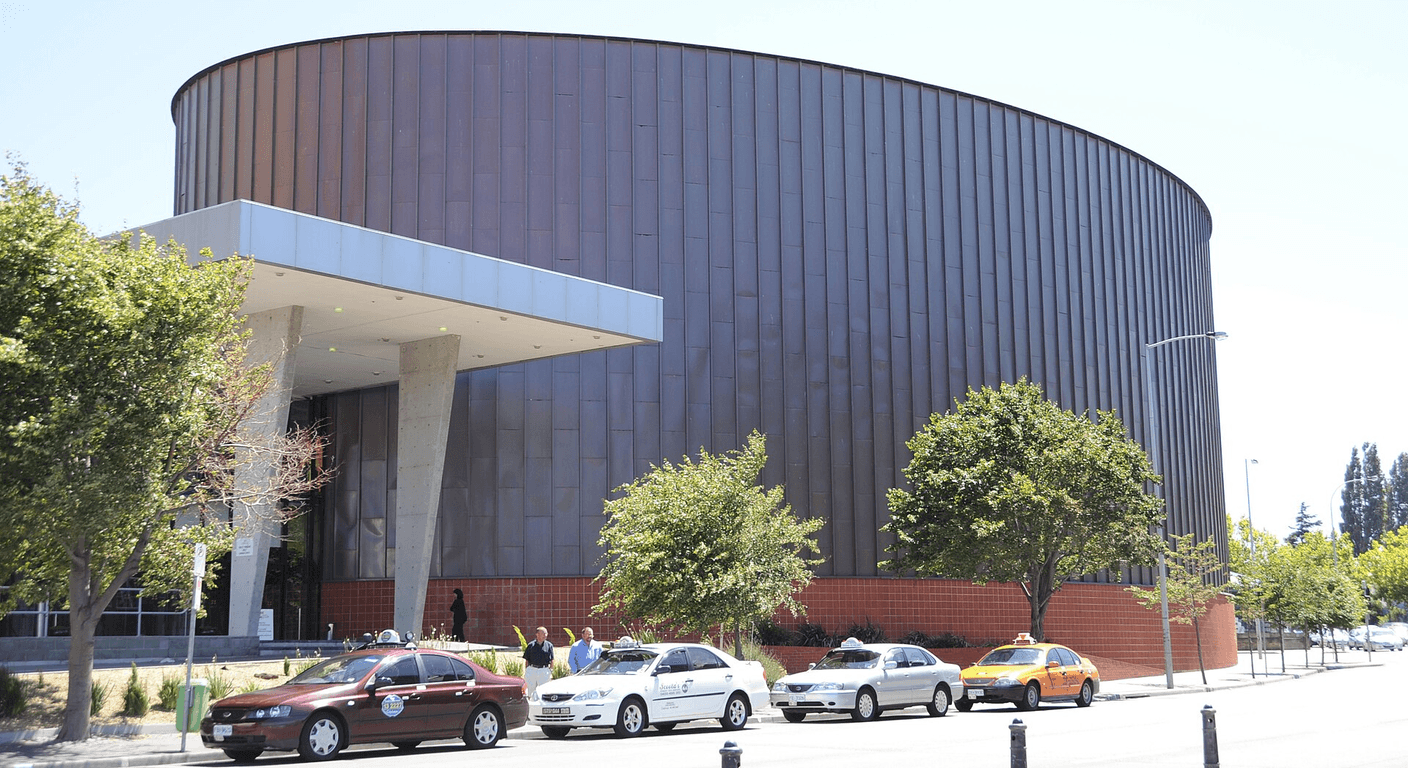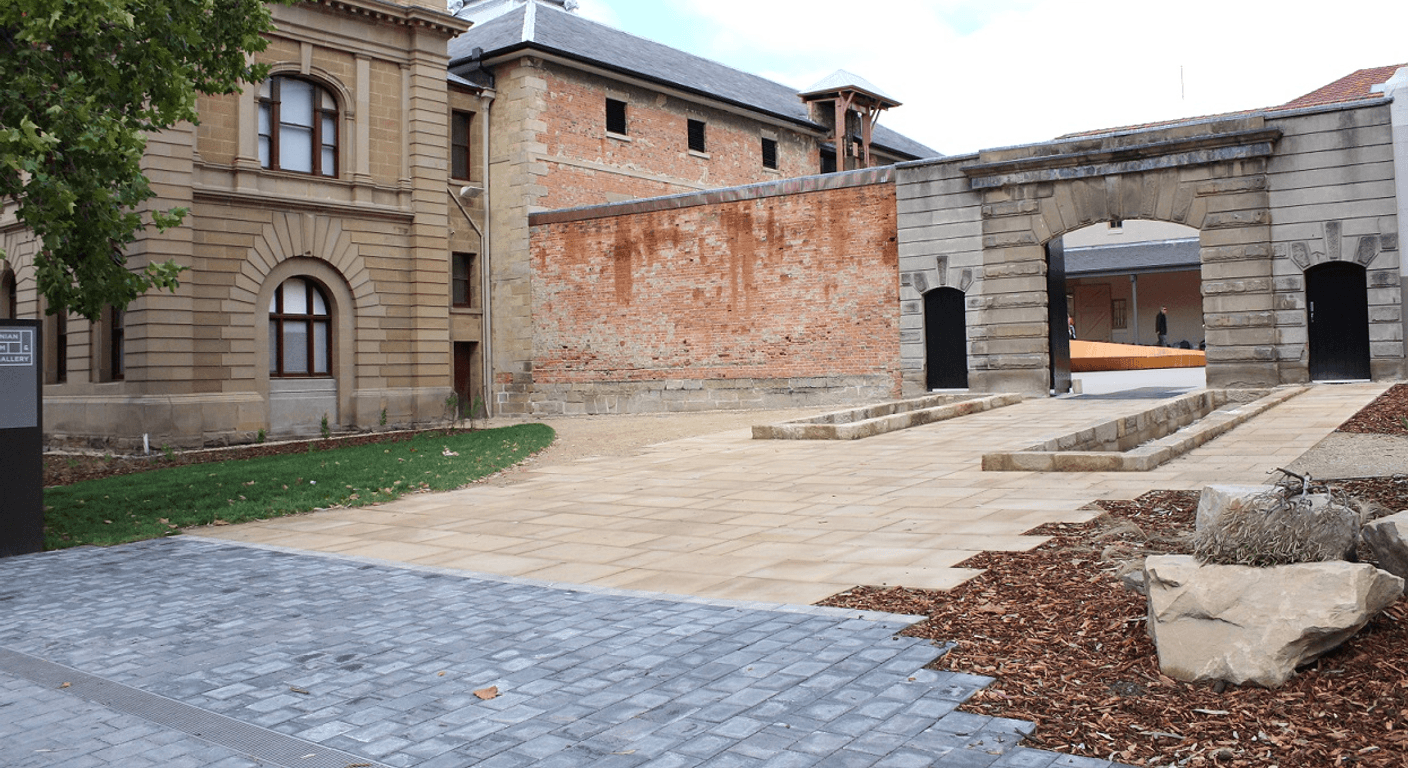
Beaker Street Festival transforms Hobart's Salamanca waterfront into an open-air science event each August, best suited to a long weekend of three to four days. Free light installations and ticketed talks draw a thoughtful, unhurried crowd rather than a festival mob, and a MONA ferry day trip pairs naturally with it. The precinct is flat and easy to walk, making this an easy-mobility outing. Hobart Airport offers direct flights from Melbourne, Sydney and Brisbane, with the MONA ROMA ferry departing Brooke Street Pier for the museum.
What is Beaker Street Festival and why does it suit the over-50 traveller?
Beaker Street is Hobart's annual celebration of science, curiosity and wonder — held across the Salamanca Arts Centre, the waterfront precinct and various inner-city venues each August. It was founded on a straightforward premise: that science is interesting, and interesting people deserve a good event. The result is a program that mixes public lectures by researchers, intimate panel conversations, hands-on demonstrations, light and sound installations, and food-and-drink experiences that use science as a lens. It is, in short, the kind of festival that rewards people who actually like to think.
For travellers in their 50s, 60s and beyond, the format is close to ideal. Sessions are ticketed and seated. The outdoor installations are walkable at any pace along a flat waterfront route. There are no mosh pits, no 2am finales, and no sense that you need to be twenty-five to belong. A group of friends who enjoy a good conversation over dinner will find the program genuinely stimulating — and the Salamanca precinct, with its sandstone warehouses and excellent restaurants, takes care of the rest of the evening rather well.
The festival typically runs across one to two weekends in August, with some weeknight programming. Confirm exact dates directly with the festival each year, as the calendar is finalised a few months in advance. Registering for the festival newsletter is the most reliable way to get early access to tickets — popular talks sell out, and the ticketing is not always widely advertised outside Tasmania.
Free outdoor installations versus ticketed events: what to expect
One of Beaker Street's genuine strengths is its two-speed program. The outdoor light and sound installations along the waterfront and Salamanca precinct are free and unticketed — you simply turn up after dark and walk. These installations have included large-scale projections on heritage sandstone, interactive light works responding to movement, and sound pieces that make the familiar waterfront feel quietly strange. They're designed to be experienced slowly, which suits a group that prefers to stop, look and talk rather than tick off a checklist.
Ticketed events are a different proposition. These include science talks in intimate theatre settings, 'science meets dining' experiences where researchers join small groups at the table, behind-the-scenes laboratory visits, and curated tastings that explore fermentation, flavour chemistry or distilling through a scientific frame. Prices are indicative at around $20 for a standard talk and up to $45 or more for a combined dining or tasting experience — confirm all current pricing on the official Beaker Street website before booking.
A sensible approach for a group visit is to book two or three ticketed sessions across the stay and fill the rest of the evenings with the free outdoor walk and a good dinner. That rhythm — structured event, then unstructured wandering — is what makes the festival work as a social experience rather than a schedule to be executed.
A lesser-known alternative to Dark Mofo: the honest comparison
Dark Mofo, MONA's winter solstice festival held in June, is deservedly famous and genuinely spectacular in parts. It's also crowded, occasionally confronting in its artistic choices, and centred on late-night programming that can feel relentless if you'd rather be in bed by eleven. Beaker Street is not a replacement for Dark Mofo — it's a different thing entirely. But for travellers who heard about Hobart's winter cultural scene and weren't sure Dark Mofo was quite right for them, Beaker Street is worth knowing about.
The crowd at Beaker Street skews curious rather than cool. You'll find researchers, teachers, science communicators and people who simply find the world interesting. The atmosphere is warm in the social sense even when it's cold in the meteorological one. There's no competitive edge to enjoying it — no sense that you missed the important thing by attending the wrong talk. Most people at Beaker Street are genuinely pleased to be there, which makes for excellent company.
Hobart in August is also quieter than in June during Dark Mofo. Accommodation is more available, restaurants are easier to book, and the city has a particular winter stillness that suits a slower kind of travel. The waterfront at dusk, with the light changing over kunanyi/Mount Wellington and the Derwent running dark and cold, is one of those sights that rewards patience.
Pairing Beaker Street with a MONA day trip
MONA — the Museum of Old and New Art — sits about twelve kilometres upstream from Hobart's CBD, and the ferry from Brooke Street Pier is the way to go. The MONA ROMA ferry takes roughly twenty-five minutes and delivers you directly to the museum's private dock. The crossing is pleasant even in winter, and the museum itself is built largely underground into sandstone cliffs, which means the cold outside is largely irrelevant once you're inside. Confirm ferry timetables and current pricing on the MONA website before travel.
A MONA visit pairs naturally with Beaker Street because the museum's permanent collection occupies the same intellectual territory — art that asks questions, challenges assumptions and occasionally makes you uncomfortable in productive ways. MONA's 'O' device (an iPod-based interpretation tool, now updated) replaces traditional labels with artist commentary and staff opinions, which tends to generate exactly the kind of conversation that Beaker Street talks also produce. The two experiences reinforce each other.
For a group, the practical approach is to dedicate one full day to MONA — ferry there mid-morning, lunch at the on-site restaurant (book ahead; it's popular), spend three to four hours in the galleries, and ferry back in time to freshen up before an evening Beaker Street session. Don't try to rush MONA. It's a large collection across multiple levels, some of which involve stairs and narrow passages; if mobility is a consideration, check MONA's accessibility information directly on their website before visiting.
Winter in Hobart: what the cold actually means for your visit
August is Hobart's coldest month. Average daytime temperatures sit around 7–12°C, and evenings drop to 3–5°C or lower. It rains. The light fades early — sunset is around 5pm — which is actually part of the festival's appeal, since the outdoor installations are designed for darkness. But it does mean that cold, damp evenings are not occasional; they're the baseline.
The layering approach that works well is merino wool as a base layer, a mid-layer fleece or down vest, and a waterproof outer shell with a hood. Waterproof walking shoes or ankle boots with grip matter more than style. A good hat, gloves and a scarf are not optional if you plan to spend time outdoors after dark — and you will. The Salamanca waterfront can be exposed when a southerly comes through, and a southerly in August means business.
The upside of winter Hobart is that it's genuinely beautiful in a way the summer photos don't capture. kunanyi/Mount Wellington often carries snow on its upper slopes. The light, when it appears, is low and golden. Salamanca's sandstone glows in a particular way on cold clear mornings. Cafés are warm and unhurried. Hobart in August rewards travellers who dress for it and slow down enough to notice it — which, for a group travelling at their own pace, is precisely the point.
Getting to Hobart and getting around during the festival
Hobart Airport is served by direct flights from Melbourne (roughly one hour), Sydney (around two hours) and Brisbane (around three hours), with Qantas, Jetstar and Virgin Australia all operating routes — confirm current routes and availability before booking. Regional Victorian travellers flying from Albury or Ballarat will typically connect through Melbourne; allow enough connection time at Tullamarine to be comfortable rather than rushed. Hobart Airport is compact and easy to navigate.
Within Hobart during the festival, the Salamanca precinct and waterfront are entirely walkable from most central accommodation — flat terrain, well-lit at night, and only a few minutes from the main waterfront hotels and apartments. Taxis and rideshare (Uber operates in Hobart) are readily available for evenings when the cold makes walking less appealing. The Metro Tasmania bus network covers the broader city; the MONA ferry is the obvious choice for the museum day trip.
Accommodation options in the Salamanca and Battery Point area range from boutique hotels and serviced apartments to heritage B&Bs. For a group of friends, a self-contained apartment with a proper kitchen and living area is often the most comfortable and sociable choice — you can debrief over a glass of Tasmanian pinot after the evening's talk without negotiating a restaurant booking. Book early for August; the city is smaller than it looks on a map and good central accommodation fills.
Making the most of Hobart beyond the festival program
Beaker Street doesn't program every hour of your stay, which is a feature rather than a gap. Hobart's winter cultural calendar is broader than most visitors expect. The Tasmanian Museum and Art Gallery (TMAG) on Dunn Place is free, well-curated and warm — a natural morning option on a cold day. Salamanca Market runs every Saturday morning, rain or not, and is one of the more genuine weekly markets in Australia: local producers, Tasmanian craft, and excellent coffee. The market winds down by early afternoon, leaving the rest of the day free.
The Cascade Brewery, Australia's oldest operating brewery, sits about twenty minutes from the city centre and offers tours and tastings that would sit comfortably alongside Beaker Street's science-meets-food-and-drink sensibility. Confirm tour availability and current pricing directly with the brewery. For something quieter, Battery Point — Hobart's oldest residential precinct, a short walk from Salamanca — is best explored on foot on a clear morning, when the Georgian cottages and narrow lanes are at their most appealing.
Eating well in Hobart in winter is no hardship. The city's restaurant scene has matured considerably, with a strong focus on Tasmanian produce — oysters from the east coast, ocean trout, local cheeses, and some of the country's better cool-climate wines. Salamanca Place and its surrounding streets offer a range of options from casual to genuinely excellent. Book ahead for dinner, particularly on festival evenings when the precinct is livelier than usual.
Quick planning guide
| Ideal pace | Slow and unhurried, mixing structured talks with free wandering |
|---|---|
| Best months | August, during the festival's one to two weekends |
| Suggested stay | A long weekend of three to four days |
| Mobility level | Easy — flat, well-lit waterfront and seated ticketed sessions |
| Cost level | Budget-friendly for outdoor installations; moderate for ticketed talks and tastings (indicatively $20–$45) |
| Comfort level | Cold and damp after dark; comfortable indoors and with proper layering |
| Best for | Curious couples and friend groups who prefer conversation and ideas over crowds |
| Main planning consideration | Confirm dates and book popular tickets early via the festival newsletter, and pack waterproof layers for cold evenings |
Key takeaways
- Beaker Street Festival runs in August across Hobart's Salamanca and waterfront precinct, mixing free outdoor light installations with ticketed science talks and tasting events.
- Outdoor installations are free and unticketed; ticketed sessions run indicatively around $20–$45 — confirm current pricing at beakerstreet.com.au before booking.
- The festival suits an unhurried group pace: book two or three ticketed sessions and fill the rest with free walks, MONA, and good Tasmanian food.
- A MONA day trip pairs naturally with the festival — take the MONA ROMA ferry from Brooke Street Pier and allow a full day for the collection.
- August in Hobart is cold, with temperatures around 3–12°C and early sunsets — waterproof layers, merino wool and good boots are essential, not optional.
- For travellers who found Dark Mofo too intense or too crowded, Beaker Street offers Hobart's winter cultural scene at a more considered, sociable pace.
Recommended partners and links
Indicative prices only — always confirm with the operator before booking.
Frequently asked questions
When does Beaker Street Festival take place in Hobart?
Beaker Street Festival is held annually in August in Hobart, typically across one to two weekends with some weeknight programming. Exact dates vary each year — check beakerstreet.com.au for the current year's schedule and sign up to the festival newsletter for early ticket access.
Are there free events at Beaker Street, or do you need to buy tickets for everything?
A significant portion of the Beaker Street program is free — particularly the outdoor light and sound installations along the Salamanca waterfront, which are unticketed and open to all after dark. Ticketed events include science talks, panel sessions, and combined dining or tasting experiences; indicative prices run around $20–$45 per session, though you should confirm current pricing on the official website.
How do you get from Hobart to MONA?
The MONA ROMA ferry departs from Brooke Street Pier on Hobart's waterfront and takes roughly twenty-five minutes to reach MONA's private dock. It's the most enjoyable way to make the journey. Confirm current timetables and fares on mona.net.au before travel; return ferry tickets are purchased separately.
How cold is Hobart in August, and what should you pack?
August is Hobart's coldest month, with daytime temperatures typically 7–12°C and evening temperatures dropping to around 3–5°C or below. Pack a merino wool base layer, a mid-layer fleece or down vest, a waterproof hooded outer shell, waterproof walking shoes or ankle boots, and warm accessories — hat, gloves and scarf. The outdoor festival walk is exposed in places and the evenings are long after dark.
How is Beaker Street different from Dark Mofo?
Dark Mofo is MONA's June winter solstice festival — large-scale, often confronting in its artistic choices, and heavily programmed late into the night. Beaker Street, held in August, is smaller, quieter and centred on science communication, curiosity and conversation. It draws a more intimate crowd, runs at a more manageable pace, and is generally easier to navigate for travellers who prefer culture without the intensity of a major festival.