The Tasmanian Museum and Art Gallery (TMAG) is free to enter and sits one flat block from Hobart's waterfront, with lifts and no entrance stairs making it Easy for mobility. A half-day suits the collection, anchored by the world's most comprehensive thylacine exhibits alongside colonial art and Antarctic galleries. Weekday mornings are calmest; frequent Metro buses and a short walk from the CBD or Salamanca Place mean no car is needed.
What makes TMAG worth a morning of your time?
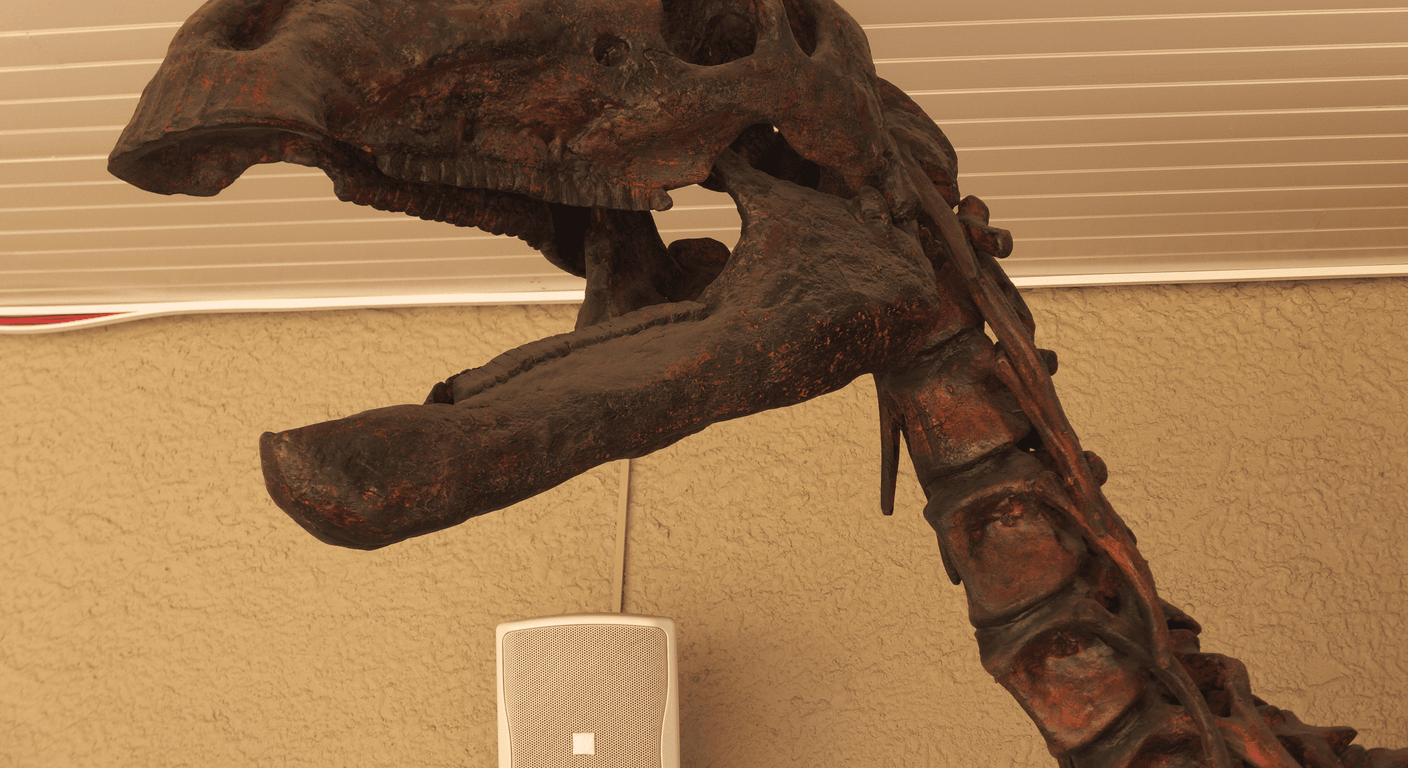
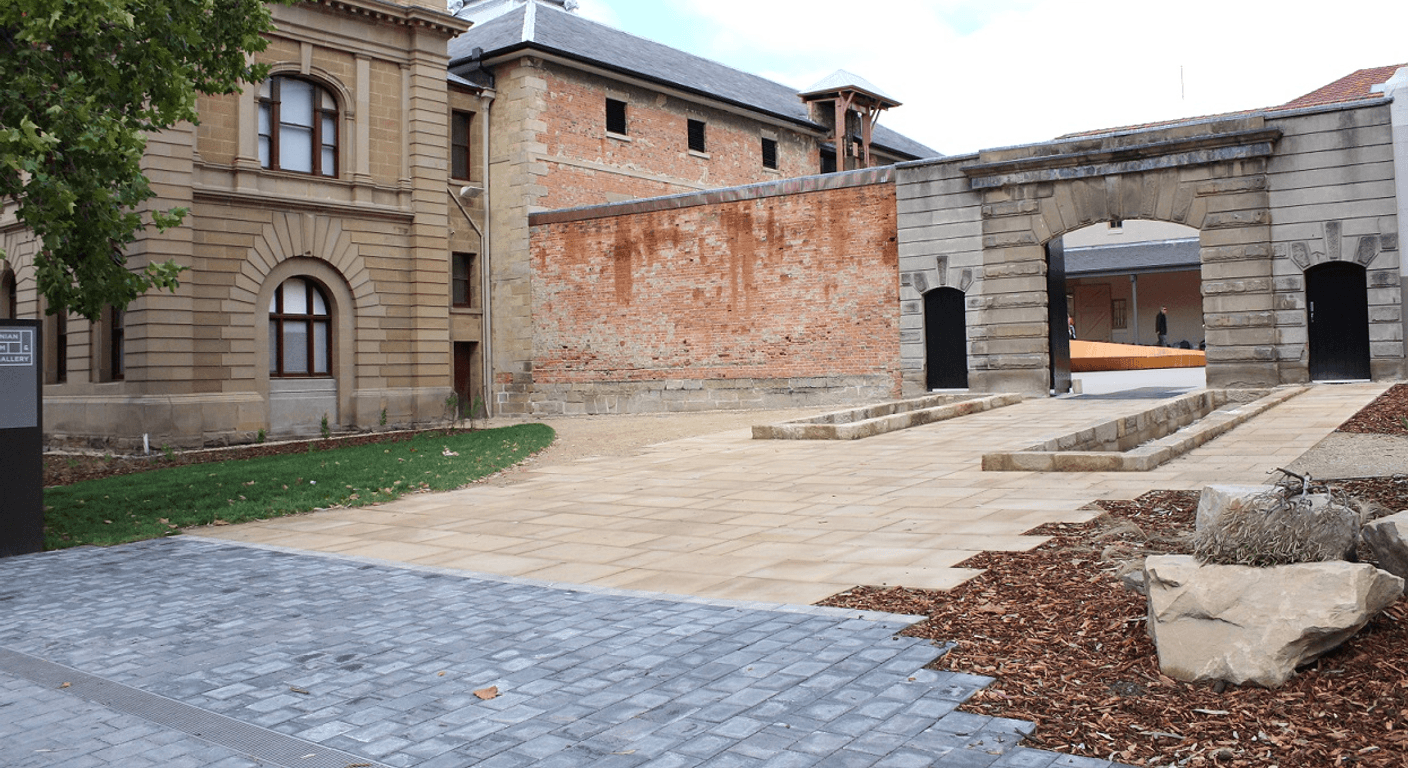
There's a particular satisfaction in walking into a serious museum and paying nothing for it. TMAG — the Tasmanian Museum and Art Gallery — sits at the southern end of Hobart's CBD in a precinct of Georgian sandstone buildings that date to the 1840s. The collection inside is far more substantial than its modest public profile might suggest. This is where you'll find the most comprehensive account of the thylacine anywhere in the world, colonial-era paintings that reframe the Australian landscape, and a dedicated gallery on Antarctica that puts Tasmania's role as the gateway to the ice in genuine perspective.
For a solo traveller with a morning free, the appeal is straightforward: no ticket queue, no time pressure, no tour bus to keep up with. You set the pace. The galleries are laid out logically, the signage is clear and considered, and there are places to sit in almost every room — not as an afterthought, but as part of the design. That matters more than most guides will admit.
Getting there: flat, easy and close to everything
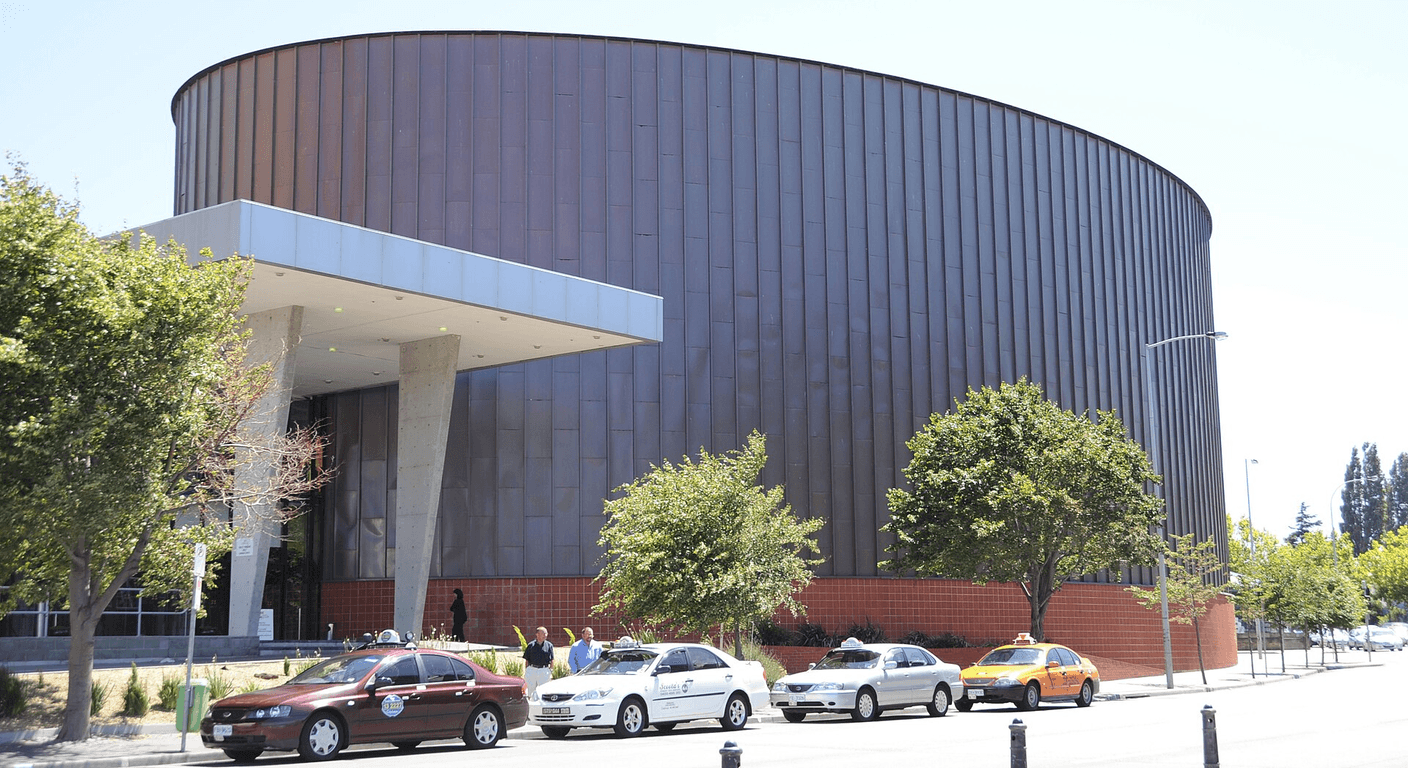
TMAG's address is Dunn Place, off Davey Street — about a one-block walk from the Hobart waterfront and Constitution Dock. From Salamanca Place, it's a gentle five-minute walk uphill through the Salamanca arts precinct, though 'uphill' is almost too strong a word for the grade involved. From the CBD, it's flat all the way. There's no need to navigate stairs at the entrance, and the building has lifts connecting its levels.
Metro Tasmania runs frequent services along Macquarie and Elizabeth Streets, stopping within easy walking distance. If you're staying in the CBD or at one of the waterfront hotels, you may not need transport at all. Parking is available nearby on Davey Street and in the Cat and Fiddle Arcade car park, though Hobart's weekend parking fills quickly during summer — arriving on foot or by bus is the easier call.
For travellers flying in from Melbourne or Sydney, Hobart Airport is roughly 20 kilometres from the city. A pre-booked transfer or taxi takes around 20–25 minutes, depending on traffic. There's no direct rail link, but shuttle services operate to the CBD — confirm current options with your accommodation or through the Tourism Tasmania website.
The thylacine galleries: honest, affecting and unlike anything elsewhere
The thylacine — Tasmania's extinct marsupial predator, often called the Tasmanian tiger — is everywhere in Hobart's cultural life, but TMAG is where you encounter it with real depth. The museum holds specimens, footage, First Nations perspectives and the colonial history of the government bounty that drove the species to extinction by 1936. The last known thylacine died in Hobart's Beaumaris Zoo. TMAG doesn't sentimentalise the story; it tells it straight, which makes it more affecting.
There's a particular detail that stays with visitors: the footage. Grainy, brief and silent, the film of the last captive thylacine pacing its enclosure is among the most melancholy two minutes in Australian natural history. The museum contextualises it well, placing it within broader discussions of species loss and conservation that feel contemporary rather than merely archival. It's the kind of exhibit that earns the walk.
Colonial art and the Antarctic galleries
TMAG's art collection spans colonial-era landscape painting through to contemporary Tasmanian work. For a traveller with an interest in Australian art history, the colonial galleries offer paintings that shaped — and sometimes distorted — how the continent was seen and understood by European settlers. Several works depict landscapes that are still recognisable today, which gives them an odd, layered quality: historical document and artistic interpretation at once.
The Antarctic gallery is less expected and more rewarding than most visitors anticipate. Hobart is the closest Australian city to Antarctica and one of the world's principal departure points for Antarctic research expeditions. The gallery makes that connection tangible — through equipment, personal accounts, scientific instruments and imagery that conveys the scale and strangeness of the southern continent. If you've never thought much about Australia's Antarctic territory, this is the room that changes that.
First Nations collections are also represented throughout the museum, with Tasmanian Aboriginal history and cultural material given considered, respectful treatment. The museum has worked with Aboriginal communities on interpretation, and it shows in the tone and framing of the displays.
Free guided tours: how to get more from the collection
TMAG offers free guided tours on most days, typically led by volunteer guides with genuine knowledge of the collections. These are worth planning around if you prefer a more structured experience — a good guide will draw your attention to details you'd otherwise walk past, and in a museum of this depth, that's not a small thing.
Tour times and availability change seasonally, and some tours focus on specific collections or themes. The practical advice: check the current schedule on tmag.tas.gov.au before your visit, and note that the museum has traditionally closed on some Mondays outside the summer peak season. That's the one scheduling wrinkle worth confirming. Turning up to a closed door on a quiet Tuesday morning is the kind of small frustration that a quick check of the website prevents entirely.
Pacing yourself: seating, the café and what comes after
A half-day is a comfortable allocation — enough to move through the main galleries without rushing, take a break and catch a guided tour if timing works out. The museum has a café on site, useful for a mid-morning coffee before you commit to the full circuit. Seating is genuinely well-distributed through the galleries; this isn't a museum that assumes you can stand for two hours.
When you're done, Salamanca Place is five minutes away on foot. The Saturday market draws crowds, but on a weekday morning the cafes and galleries along the precinct are calm and easy to navigate. A late breakfast or early lunch at one of the Salamanca cafes — Jackman & McRoss bakery is a long-standing local favourite, though always confirm it's still trading — rounds out the morning neatly.
For solo travellers, there's also something quietly enjoyable about Hobart's scale. The city doesn't overwhelm. TMAG, the waterfront and Salamanca form a compact triangle that you can cover without a car, without a map app and without much effort. That's rarer than it sounds.
Planning your Hobart visit around TMAG
TMAG works as an anchor for a broader Hobart cultural day, not just a standalone tick. Combine it with a walk along the waterfront to Constitution Dock, a browse through the Salamanca arts precinct, and — if timing allows — an afternoon at the Museum of Old and New Art (MONA), which runs its own ferry service from the waterfront and charges a separate admission. MONA and TMAG together make a full cultural day; they're different in tone and ambition, but complementary.
Accommodation near the waterfront puts you within easy reach of all of this. Hobart has a good range of options from boutique hotels to serviced apartments — the latter particularly useful for longer stays where having a kitchen makes the budget go further. Travel insurance is worth reviewing before any interstate trip, particularly for travellers managing pre-existing health conditions; confirm what your policy covers for trip interruption or medical costs.
Flights from Melbourne to Hobart run around an hour — one of the more civilised domestic connections. From Sydney it's roughly 90 minutes direct. Both Qantas and Virgin Australia operate the route regularly; confirm current schedules and fares directly with the airlines.
Quick planning guide
| Ideal pace | Slow and unhurried, self-guided or with a free tour |
|---|---|
| Best months | Comfortable year-round; weekday mornings are quieter than weekends and summer peak |
| Suggested stay | A half-day |
| Mobility level | Easy — flat approach, lifts, and seating throughout the galleries |
| Cost level | Free entry, budget-friendly |
| Comfort level | High, with plentiful seating and an on-site café |
| Best for | Solo travellers and anyone wanting a relaxed cultural morning |
| Main planning consideration | Check tmag.tas.gov.au for guided tour times and confirm the museum isn't closed for its traditional off-season Monday closure |
Key takeaways
- TMAG is free to enter and sits one flat block from Hobart's waterfront, making it one of the most accessible cultural experiences in the city.
- The thylacine galleries are the most comprehensive account of the extinct Tasmanian tiger anywhere in the world.
- Free guided tours run most days — check tmag.tas.gov.au for current times before visiting.
- The museum traditionally closes some Mondays outside summer; confirm opening days before you go.
- Lifts, plentiful seating and a flat approach make TMAG genuinely Easy-rated for mobility.
- Salamanca Place and its cafes are a five-minute walk away, making a combined morning straightforward to plan.
Recommended partners and links
Indicative prices only — always confirm with the operator before booking.
Frequently asked questions
Is entry to TMAG really free?
Yes. The Tasmanian Museum and Art Gallery does not charge an entry fee for its permanent collection. Some temporary exhibitions may carry a separate charge — confirm at tmag.tas.gov.au before visiting.
Is TMAG suitable for someone with mobility concerns?
TMAG is well-suited to visitors with mobility considerations. The approach from the waterfront is flat, the building has lifts connecting its levels, and seating is available throughout the galleries. It carries an Easy mobility rating.
What days is TMAG closed?
TMAG has traditionally closed on some Mondays outside the summer peak season, as well as on Christmas Day and Good Friday. Opening days and hours can change, so check the current schedule at tmag.tas.gov.au before your visit.
How long does a visit to TMAG take?
A relaxed half-day — roughly two to four hours — is enough to move through the main galleries, take a break and join a free guided tour if one is running. The pace is yours to set.
How do I get to TMAG from Hobart's CBD or waterfront?
TMAG is about a one-block walk from Hobart's waterfront and Constitution Dock, and roughly five minutes on foot from Salamanca Place. From the CBD it's a flat, straightforward walk. Metro Tasmania buses run along nearby Macquarie and Elizabeth Streets — check metrotas.com.au for current routes and fares.