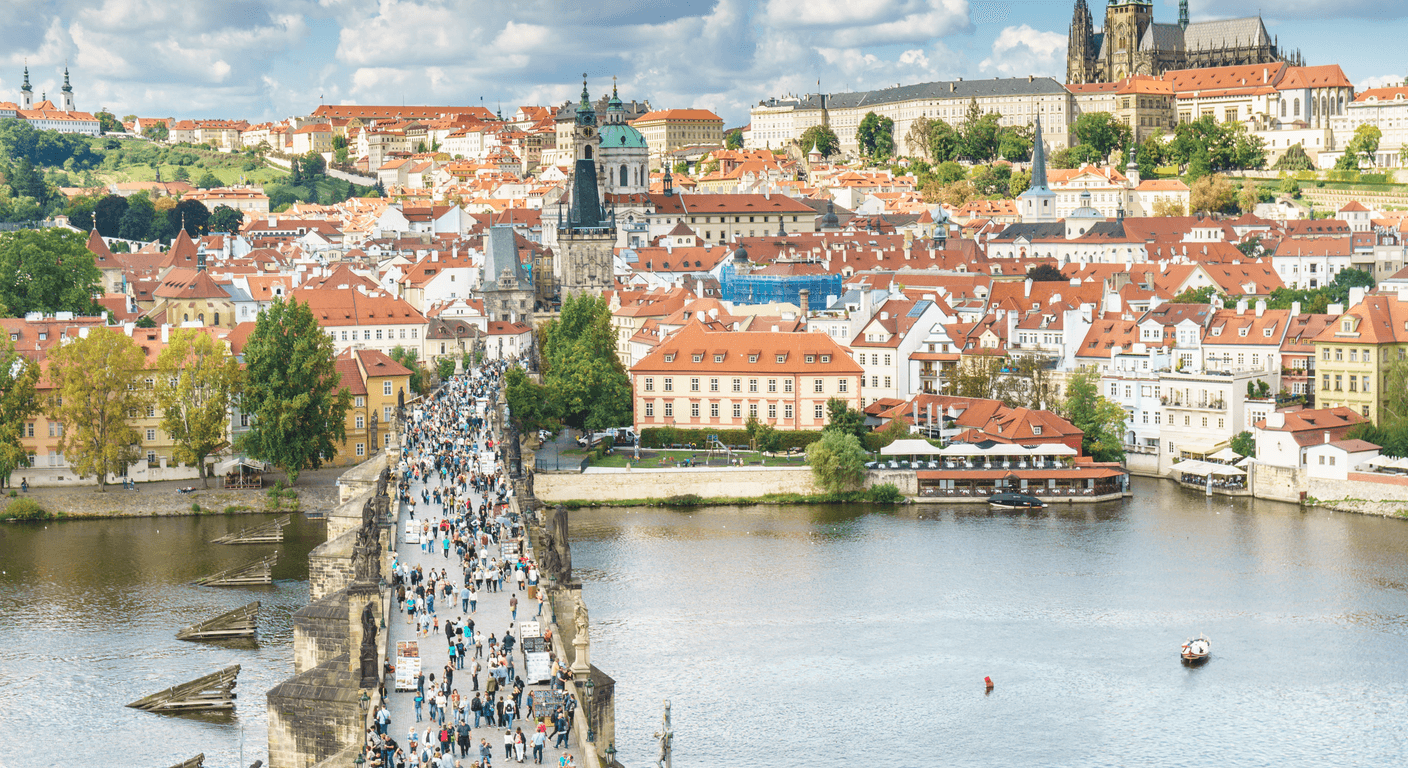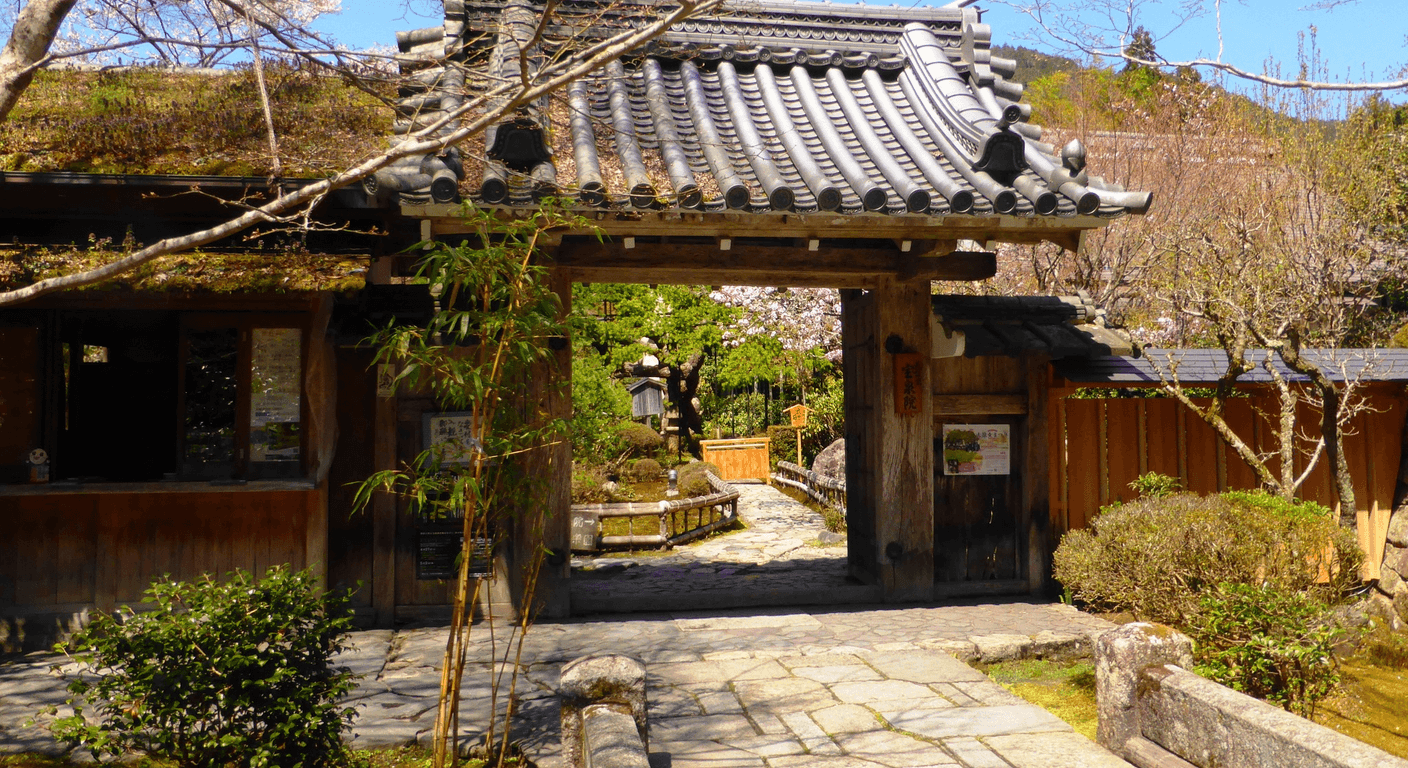
For Australians over 50 travelling solo in 2025–26, Japan, Portugal, New Zealand, Thailand (Chiang Mai focus), Vietnam and Costa Rica consistently rank as the most rewarding choices — balancing safety, healthcare access, solo-friendly infrastructure and genuine cultural depth. Best months vary by destination but shoulder seasons (April–May, September–October) suit most. Allow 10–14 days minimum per country. Mobility ratings range from Easy (Japan's trains, Portugal's cities) to Moderate (Costa Rica). All require direct or one-stop flights from Australian east-coast cities.
Why this shortlist is different from the one you watched on YouTube
A popular YouTube video by Kemoy Martin (youtube.com/watch?v=A_zoMBgmJUo) rounds up top solo travel destinations with genuine enthusiasm. Worth a watch. But it's worth knowing upfront that the video is Viator-sponsored — Viator is a large tour-booking platform owned by Tripadvisor — which means destination recommendations skew toward places with high Viator booking volumes, not necessarily the best fit for a 60-something Australian woman travelling alone. That's not a criticism of the video; it's just context you deserve before you start planning.
The destinations that appear most often across reputable solo-travel shortlists — Japan, Portugal, New Zealand, Thailand, Vietnam and Costa Rica — genuinely do deserve their reputations. The question isn't whether they're good. It's whether the version of those destinations being sold to a 24-year-old with a 15-kilogram pack and a 20-hour layover tolerance is the same version that works for you. Spoiler: it's not. Same countries, very different itineraries.
This guide applies a specific filter to each destination: Is solo female safety genuinely strong, or just 'fine if you're careful'? What's the real healthcare situation if something goes wrong? Does a gentler, slower version of the classic itinerary exist? And what does it actually cost from Sydney, Melbourne, Brisbane or Perth — flights included, jet lag accounted for, single supplement called out?
Japan: The easiest long-haul solo destination for Australians over 50
Japan is as close to a consensus answer as solo travel over 50 gets. The reasons are practical, not romantic. Crime rates are extraordinarily low by international standards. Solo dining is not just accepted — it's designed for, with counter seats at ramen bars, conveyor-belt sushi and solo-traveller meal sets that remove the awkwardness entirely. Signage in major cities is in English and pictogram. The train system is precise. And the cultural emphasis on leaving people to their own business means a solo woman in her 60s is neither conspicuous nor a target.
Healthcare access is another reason Japan sits at the top. Hospitals in Tokyo, Osaka and Kyoto are well-equipped by any standard, with international patient services available at major facilities. You'll want travel insurance with solid medical evacuation cover regardless — Japan's healthcare costs for uninsured foreigners are not cheap — but the standard of care if something does go wrong is genuinely reassuring. Confirm your insurer covers pre-existing conditions before you depart; most standard policies exclude them unless you declare and pay the additional premium.
From Sydney or Melbourne, Tokyo (Narita or Haneda) is roughly 9–10 hours direct on Qantas or Japan Airlines — one of the more manageable long-hauls to Asia. From Brisbane, similar. From Perth, expect a one-stop via Singapore or a longer direct routing. Build in a full recovery day on arrival before you attempt anything involving trains or temples. Cobblestones and steps are the honest mobility note here: Kyoto's older temple precincts involve uneven stone paths and steep staircases. Stick to flat-access temples like Fushimi Inari's lower section or Arashiyama's bamboo walk, and your knees will thank you. The Japan Rail Pass remains the logistics backbone for multi-city travel — confirm current pricing and purchasing rules via jrpass.com or japan-guide.com before booking, as conditions have changed in recent years.
Portugal: Europe's most sensible base for solo Australian travellers
Portugal has earned its reputation and then some. Lisbon and Porto are walkable cities with genuine café culture, excellent public transport and a population that's broadly welcoming to solo older women in a way that some other Southern European cities are not. Solo dining is unremarkable — you'll find a table without drama at almost any restaurant. The food is good and reasonably priced by European standards, and the wine is exceptional at a fraction of what you'd pay in France.
The flight reality from Australia is the main consideration. There are no direct Australia-to-Portugal flights. The most common routing is via Singapore, Dubai, Abu Dhabi or Doha — meaning a minimum of two flights and roughly 22–26 hours of total travel time from Sydney or Melbourne, often more from Brisbane or Perth. That's a serious haul. A recovery night in your hub city (Dubai, Singapore) is worth the extra cost — roughly $150–$250 AUD for a decent airport-adjacent hotel — rather than arriving in Lisbon after 30 hours in transit and immediately hauling luggage to an Airbnb up a cobblestone hill. Lisbon's famous hills, by the way, are genuinely steep. The Alfama district is beautiful and exhausting in equal measure. The city's historic trams help, but they're often crowded. Taxis and rideshares are cheap by Australian standards.
Single supplement reality in Portugal: if you're booking a small-group tour (say, an Alentejo wine and food tour or a Sintra day trip), many Portuguese operators offer solo-traveller pricing without the brutal surcharge common on larger coach tours. It's worth asking directly. Mid-range solo hotel rooms in Lisbon run roughly $120–$200 AUD per night in shoulder season; Porto is slightly cheaper. The Alentejo and Algarve offer excellent value at roughly $90–$150 AUD for a well-reviewed guesthouse. Confirm all current rates with operators directly.
Thailand — and why Chiang Mai beats Bangkok for solo travel over 50
Thailand is the destination where the gap between the backpacker version and the over-50 version is widest — and most worth paying attention to. The full-throttle Southeast Asia circuit (Khao San Road, full-moon parties, overnight buses) is irrelevant here. What Thailand offers a solo traveller in their 60s is something quite different: Chiang Mai, specifically, which has evolved into one of the most genuinely liveable and visitor-friendly cities in Southeast Asia for mature independent travellers.
Chiang Mai's Old City is compact, relatively flat, and tuk-tuk or Grab-rideshare accessible for anything that involves hills. The food scene is extraordinary — the Sunday Walking Street on Wualai Road alone justifies the flight. The city has a large expat and long-stay community that means English is spoken widely, international-standard hospitals are available (Bangkok Hospital Chiang Mai is well-regarded for international patients), and the general pace is slower than Bangkok by a significant margin. Solo dining is completely comfortable in Chiang Mai's mix of local restaurants, café-restaurants and hotel dining rooms. For a genuinely thorough cost breakdown and day-to-day logistics, the Senior Travel Australia guide to wintering in Chiang Mai over 60 is the best deep-dive available — it covers monthly accommodation costs, healthcare, transport and the social reality of long stays.
From Sydney or Melbourne to Chiang Mai, the most common routing is via Bangkok (Suvarnabhumi), with Thai Airways, Qantas or Singapore Airlines via their hubs — total travel time typically 13–18 hours including the domestic connection or a direct Bangkok leg. From Perth, the routing is often shorter via Singapore. A Bangkok overnight on arrival is a reasonable buffer before the Chiang Mai leg. Single supplement on organised Thailand tours varies enormously — budget operators often charge 40–80% above twin-share for solo occupancy, which can add $600–$1,400 AUD to a 10-day tour. Operators like Intrepid Travel offer solo-departure pricing on some Thailand itineraries, which removes the surcharge entirely. Always ask before booking.
Vietnam, Costa Rica and New Zealand: The rest of the shortlist, honestly assessed
Vietnam is genuinely compelling for solo travellers over 50, with the caveat that it rewards those who've done some research. Hanoi and Hoi An are the standout bases — Hanoi for its French-quarter café culture and Old Quarter street food (chaotic but manageable), Hoi An for its lantern-lit streets, tailor shops and relatively gentle pace. Ho Chi Minh City is energetic to the point of overwhelming for a first visit. Healthcare in major Vietnamese cities has improved significantly, with FV Hospital in Ho Chi Minh City and Vinmec in Hanoi being the go-to international facilities. That said, for anything serious, medical evacuation to Bangkok or Singapore is the realistic plan — which is exactly why travel insurance with evacuation cover is non-negotiable, not optional. Flights from Sydney or Melbourne are typically 9–11 hours via Singapore or Kuala Lumpur. Solo hotel rooms in Hoi An's mid-range run roughly $70–$130 AUD per night — genuinely good value.
Costa Rica is the outlier on this list: it's the one destination where 'Active' rather than 'Moderate' is the honest mobility rating, and where the classic itinerary (zip-lining, white-water rafting, jungle treks) is largely irrelevant unless that's specifically your thing. What Costa Rica does offer a solo over-50 traveller is wildlife, cloud forest lodges, hot springs and the kind of organised eco-tourism infrastructure that handles logistics well. Monteverde and the Arenal Volcano area are the most accessible bases. Healthcare outside San José is limited — this is a destination where travel insurance with medical evacuation is essential, not a hedge. Flights from Australia involve at least two stops (typically via Los Angeles or another US hub), with total travel times of 24–30 hours from Sydney or Melbourne. That's a significant commitment. It suits someone who genuinely wants Central America and is prepared for the journey.
New Zealand is the easy win for Australians who want solo travel without the long-haul fatigue. Two to three hours from Sydney or Melbourne, no jet lag, no visa, familiar healthcare standards and a country that's genuinely easy to self-drive or tour independently. The South Island's Queenstown-to-Milford Sound circuit is the classic, but for solo travellers over 50 who want culture and comfort over adrenaline, Marlborough's wine country, Nelson's arts scene and the Otago Peninsula around Dunedin are underrated alternatives. Car hire as a solo traveller in New Zealand is straightforward and reasonably priced — around $60–$120 AUD per day for a comfortable automatic, confirm current rates with operators. New Zealand's ACC (Accident Compensation Corporation) covers visitors for accident-related treatment, which is a genuine safety net, though your travel insurance still covers illness and other risks.
The single supplement reality — and how to avoid it
The single supplement is the travel industry's most persistent tax on solo travellers, and it hits hardest on the kind of small-group tours that suit older independent travellers. On coach tours and cruise-adjacent land packages, the surcharge typically runs 20–80% above the twin-share per-person rate — meaning a tour priced at $3,000 AUD per person (twin share) might cost a solo traveller $3,600–$5,400 AUD for the same experience. Those numbers are indicative and vary widely by operator and itinerary. Always ask for the solo rate explicitly before assuming the advertised price applies to you.
The practical alternatives are worth knowing. Some operators — Intrepid Travel, G Adventures and a handful of specialist over-50 tour companies — offer guaranteed share-match programs (pairing solo travellers in twin rooms) or dedicated solo departures where the supplement is waived. These programs vary by itinerary and season; availability changes. Others build solo pricing into their base rate transparently. The destinations on this list where solo travel is cheapest to self-organise — Vietnam and Thailand — are also the ones where mid-range guesthouses and boutique hotels offer single rooms at genuinely reasonable rates, so the supplement question is less acute if you're travelling independently rather than on a guided tour.
For a 66-year-old travelling solo, the calculus often shifts toward guided tours precisely because they handle logistics, provide built-in social contact and reduce the cognitive load of self-managing everything in an unfamiliar language. That's a smart choice, not a compromise. The trick is finding operators who don't punish you financially for making it. Check operators' current solo policies directly — the landscape has shifted since COVID, with more operators now offering solo-friendly pricing in response to demand from exactly this demographic.
A solo traveller's perspective vs a couple's perspective
Solo traveller's perspective: Japan and Portugal are the standout picks for solo women over 50, specifically because solo dining is genuinely comfortable (not just tolerated), safety walking alone at night is strong by international standards, and the social infrastructure — cooking classes, walking tours, café culture — makes it easy to have conversations and connections without requiring a companion. Vietnam's Hoi An is a close third for the same reasons, with the added advantage of being substantially cheaper. Chiang Mai deserves special mention for long stays: the expat community means it's entirely possible to build a social life within a week. Costa Rica is harder solo — not unsafe, but the eco-lodge circuit is heavily couple- and family-oriented, and solo dining in smaller towns can feel conspicuous.
Couple's perspective: every destination on this list works well for couples, with a few nuances. Japan rewards couples who enjoy sharing experiences quietly — it's not a destination that forces interaction with strangers, which suits some couples perfectly. Portugal's Douro Valley wine tours and Alentejo food-and-wine circuits are built for two and feel genuinely romantic without being clichéd about it. In Thailand and Vietnam, couples benefit from the cost structure: twin rooms are almost always better value per person than solo rooms, the single supplement disappears entirely, and shared logistics (one hire car, one tour booking, split taxi costs) make the daily budget noticeably lighter. New Zealand self-drive as a couple is one of the great underrated Australian travel options — the freedom of your own vehicle, the scenery, and the lack of language or logistics friction make it an exceptionally low-stress trip.
Quick planning guide
| Ideal pace | Slow and deliberate — two to three nights per base, not one-night rushes |
|---|---|
| Best months | Japan: March–May or October–November; Portugal: April–June or September–October; Thailand: November–February; Vietnam: October–April; Costa Rica: December–April; New Zealand: year-round |
| Suggested stay | 10–21 days per country depending on distance and jet lag recovery |
| Mobility level | Moderate overall — Easy in Japan and Portugal cities, Active in Costa Rica |
| Cost level | Thailand and Vietnam: roughly $80–$150 AUD per day mid-range solo; Japan, Portugal, NZ: roughly $150–$280 AUD per day; Costa Rica: $120–$200 AUD per day |
| Comfort level | High — this guide prioritises mid-range hotels, not hostel dormitories |
| Best for | Solo women over 50, culturally curious travellers, anyone wanting structured independence without a group tour |
| Main planning consideration | Single supplement on tours (commonly 20–80% above twin-share rate — confirm with each operator), travel insurance covering pre-existing conditions, and flight fatigue on hauls over 10 hours |
Key takeaways
- Japan is the most practical long-haul solo destination for Australians over 50 — low crime, solo-dining culture, strong healthcare and a direct flight from Sydney or Melbourne of around 9–10 hours.
- Portugal requires 22–26 hours of travel from Australia but rewards the effort with walkable cities, affordable mid-range accommodation and a café culture that's genuinely comfortable for solo women.
- Chiang Mai is a better base than Bangkok for solo travellers over 50 — slower pace, international-standard hospitals, English widely spoken, and genuinely affordable mid-range hotels.
- Single supplements on guided tours commonly add 20–80% above the twin-share rate for solo travellers — always ask for the solo price explicitly, and look for operators offering share-match or solo-departure pricing.
- Travel insurance covering pre-existing conditions and medical evacuation is non-negotiable for destinations like Vietnam and Costa Rica, where local healthcare outside major cities is limited.
- New Zealand is the easiest win for Australian solo travellers over 50 — two to three hours from Sydney or Melbourne, no visa, familiar healthcare standards and straightforward self-drive touring.
Recommended partners and links
Indicative prices only — always confirm with the operator before booking.
Frequently asked questions
Which country is the safest for solo female travel over 50 from Australia?
Japan consistently ranks as the safest destination for solo female travellers over 50. Crime rates are very low, solo dining is culturally normalised, and major cities have excellent public transport and English signage. Portugal and New Zealand are also considered very safe by international standards. For Southeast Asia, Chiang Mai in Thailand and Hoi An in Vietnam are the recommended bases — both have strong solo-traveller safety records, though standard travel precautions still apply.
How much does a single supplement add to the cost of a solo tour?
Single supplements on guided tours and cruise-adjacent land packages typically add 20–80% above the twin-share per-person rate, though this varies significantly by operator and itinerary. On a tour priced at $3,000 AUD per person twin-share, a solo traveller might pay $3,600–$5,400 AUD for the same trip. Always request the solo rate explicitly before booking. Some operators — including Intrepid Travel and G Adventures — offer share-match programs or solo-departure pricing that removes or reduces the supplement. Confirm current policies directly with each operator.
What are the flight times from Australia to these destinations?
From Sydney or Melbourne: Japan (Tokyo) is roughly 9–10 hours direct; Thailand (Bangkok, then connecting to Chiang Mai) is around 9–10 hours to Bangkok; Vietnam (Hanoi or Ho Chi Minh City) is 9–11 hours via Singapore or Kuala Lumpur; New Zealand is 2–3 hours. Portugal has no direct flights from Australia — total travel time is 22–26 hours via Singapore, Dubai, Abu Dhabi or Doha. Costa Rica requires two or more stops via the US or Europe, with total travel times of 24–30 hours from Sydney. From Perth, Asia routes are generally shorter; European and Americas routes may be similar or slightly longer depending on routing. Confirm current routes and schedules with your airline before booking.
Do I need travel insurance that covers pre-existing conditions for these destinations?
Yes — and this is non-negotiable for any international trip. Standard travel insurance policies frequently exclude pre-existing medical conditions unless declared and covered for an additional premium. For destinations like Vietnam and Costa Rica, where healthcare outside major cities is limited, medical evacuation cover is particularly important. Japan and New Zealand have high-quality healthcare, but treatment costs for uninsured visitors can be significant. Always disclose pre-existing conditions to your insurer and confirm in writing that they're covered before you depart. The Australian Government's Smartraveller website (smartraveller.gov.au) provides current destination-specific health and safety advisories.
Is Thailand still a good destination for solo Australian women over 50, or is it better suited to younger backpackers?
Thailand is an excellent destination for solo Australian women over 50, provided you focus on the right bases. Chiang Mai — not the Bangkok backpacker circuit — is the recommended starting point. Chiang Mai's Old City is compact, relatively flat, has international-standard hospitals, wide English-language use, and a large community of long-stay travellers and expats that makes social connection easy. The Sunday Walking Street food market, cooking classes, temple visits and day trips to nearby villages suit a slower, more deliberate travel style. Bangkok is manageable for a few days but is more demanding. The full-throttle Southeast Asia backpacker trail is a different product entirely.
- Kemoy Martin — Best Countries for Solo Travel (YouTube, Viator-sponsored)
- Smartraveller — Australian Government Travel Advisories
- Intrepid Travel — Solo Travel Tours Australia
- Japan National Tourism Organization — Official Travel Information
- Tourism New Zealand — Official Site
- Tourism Portugal — Official Site
- Tourism Authority of Thailand — Official Site
- Vietnam National Authority of Tourism — Official Site
- Costa Rica Tourism Board (ICT) — Official Site
- Senior Travel Australia — Wintering in Chiang Mai Solo Over 60: AUD Costs Guide