Vietnam is generally safe for solo female travellers over 50, with millions of women travelling independently each year. The best months are October to April for the north and centre, and November to April for the south. Allow at least 14 days for a north-to-south run. The defining highlight is the sheer variety — ancient towns, river deltas, limestone bays — at a pace you control. Mobility rating: Moderate. Fly direct or one-stop from Sydney, Melbourne or Brisbane; internal flights and trains handle city-to-city movement well.
The honest safety picture — what the statistics actually say
Vietnam consistently ranks among the safer countries in Southeast Asia for solo women. Violent crime against tourists is rare. The risks that do exist are almost entirely petty: bag snatching from motorbikes, overcharging in unlicensed taxis, short-changing at markets, and scams targeting people who've just landed and haven't yet found their bearings. None of that is trivial, but none of it is the kind of threat that should stop a capable, well-prepared woman from travelling alone.
Smartraveller currently rates Vietnam as 'Exercise normal safety precautions' — the same rating as France and Japan. Check smartraveller.gov.au before you book and again two weeks before you fly, because ratings can shift. Register your travel details on the Smartraveller portal too; it's free and means the Australian embassy can contact you quickly if something goes wrong regionally.
The cultural context matters. Vietnamese society is conservative in some ways — public drunkenness is frowned upon, modest dress in temples is expected — and that conservatism also means overt harassment of solo women is far less common than in parts of Europe or South America. You will attract curiosity, particularly in smaller towns where foreign visitors are less frequent. That curiosity is almost always benign, and often leads to the most memorable conversations of a trip.
Choosing your neighbourhoods — where to stay in Hanoi, Hoi An and Ho Chi Minh City
In Hanoi, the Old Quarter is the obvious choice for atmosphere, but it's also the noisiest and the most chaotic for footpaths. For solo women over 50 who want charm without the 2am karaoke, the streets around Hoan Kiem Lake's southern edge — closer to the French Quarter — offer the same walkability with noticeably better sleep. Hotels here run around AUD $100–$180 a night for something genuinely comfortable with reliable air-conditioning and hot water. Confirm current rates with the property.
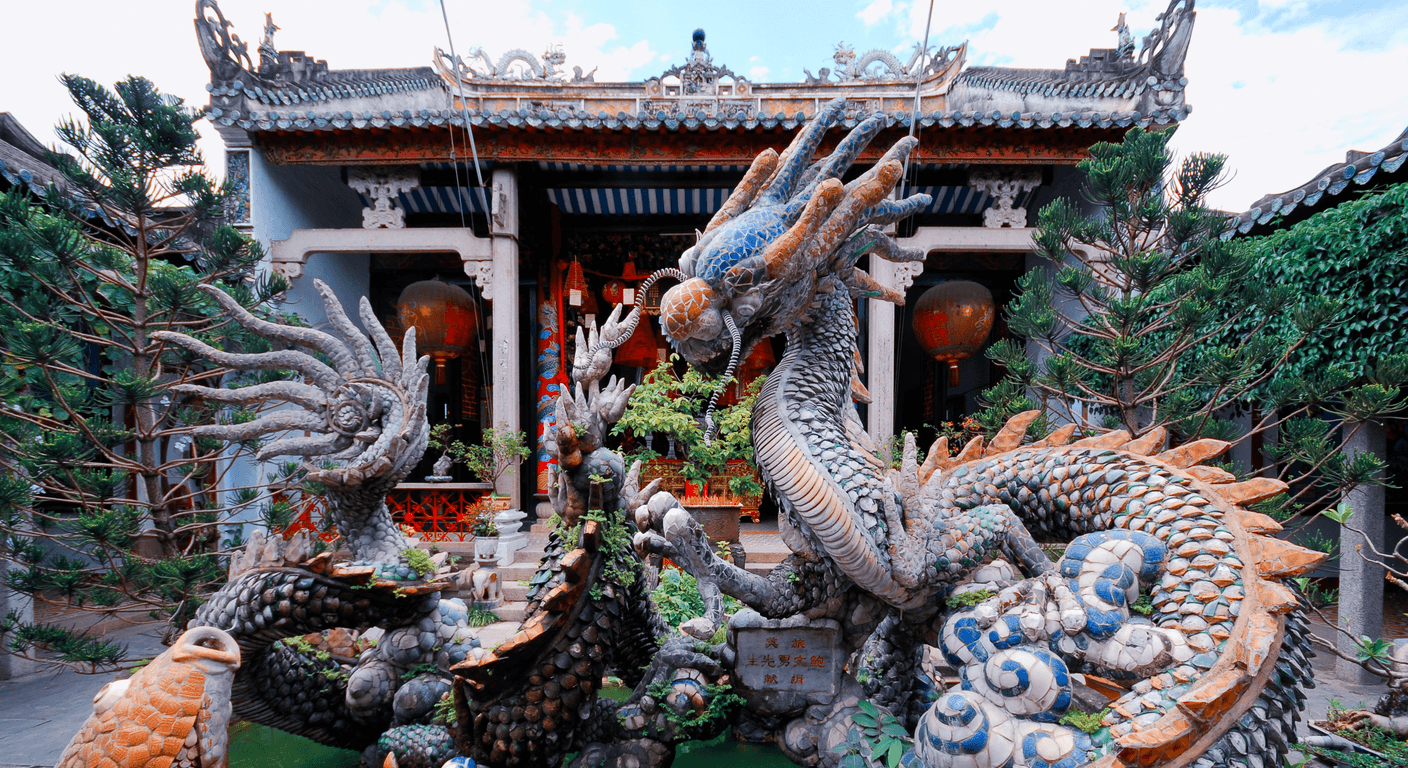
Hoi An is widely considered the most relaxed stop on a Vietnam itinerary, and the consensus is earned. The Ancient Town is a UNESCO World Heritage site, and while the lantern-lit streets are genuinely lovely, the cobblestones are real and unforgiving on unsteady knees — particularly after rain. Stay inside or within a five-minute walk of the Ancient Town to avoid negotiating traffic on foot after dark. The An Bang Beach area, a short taxi ride away, suits travellers who want to decompress between sightseeing days.
Ho Chi Minh City (still called Saigon by most locals, and that's fine to use) is the most intense of the three. District 1 is the tourist hub — safe, central, well-served by rideshare apps — but the footpaths demand full attention. Kerbs are high, motorbikes park on pavements, and the traffic crossings operate on an unwritten set of rules that takes a day or two to read. District 3 is slightly calmer, still central, and often a few dollars cheaper per night. Avoid Districts far from the centre for a first visit.
Getting around without getting taken — transport that actually works
Grab (the regional equivalent of Uber, operating across Vietnam) is the single most useful tool for getting around Vietnamese cities safely. Download it before you land, link a card or use cash payment, and you'll have a fixed price, a named driver, a tracked route and a rating system. It eliminates the most common taxi scam — the metered cab that takes the scenic route or claims the meter is broken. In 2026, Grab remains reliable in Hanoi, Ho Chi Minh City, Da Nang and Hoi An.
For city-to-city travel, Vietnam's train network is genuinely good, particularly the Reunification Express running from Hanoi south to Ho Chi Minh City. The Hanoi to Da Nang leg (the gateway to Hoi An) takes roughly 16 hours on an overnight sleeper — around AUD $30–$55 for a four-berth soft sleeper, confirm on baolau.com. Book a lower berth. Getting up to a top bunk at 2am in a moving train is uncomfortable at any age. The scenery through the Hai Van Pass in daylight is genuinely worth the daytime option if your schedule allows.
Internal flights are cheap and fast. Vietnam Airlines, Bamboo Airways and VietJet all operate routes between major cities for AUD $30–$90 per leg, confirm current fares. Flying saves hours of ground travel and, frankly, the airports are manageable. The catch: budget carriers in Vietnam charge for checked luggage separately and the fee structures change. Read the fine print before you check out. For the journey from Australia, Vietnam Airlines flies direct Sydney to Ho Chi Minh City (roughly 9.5 hours) and direct Melbourne to Ho Chi Minh City (around 9 hours). Hanoi requires a stopover from most Australian cities — plan a recovery night at your first destination before you commit to anything demanding.
Common scams and how to sidestep them calmly
The motorbike bag-snatch is the most reported incident affecting tourists in Ho Chi Minh City. It's fast, it's targeted, and it happens to people who carry their bag on the street side of their body. The fix is simple: wear a crossbody bag worn across the front, or use a small anti-theft style bag. Leave your passport in the hotel safe — carry a photo of it on your phone instead. Don't walk while looking at your phone on a main road.
The 'friendly local' scam takes a few forms. Someone strikes up a warm conversation, invites you for tea or to meet their family, and the visit ends with a hard sell — jewellery, silk, a gallery. It's rarely threatening, just tedious and occasionally expensive if you're caught off guard. The version that escalates into a card game with mounting 'debts' is more serious, and it does still operate in tourist areas. If a new acquaintance is pushing you toward a venue rather than simply chatting, trust that instinct and move on. Politely, but firmly.
Cyclo and xe om (motorbike taxi) drivers at tourist sites will sometimes agree a price and then demand more on arrival. Always agree the price before you get in, write it down on your phone and show them if necessary, and have small notes ready so you're not handing over a large bill and waiting for change that may not come. Xe om is not recommended for solo women at night — Grab is the better option after dark. The surcharge on Grab at peak hours is real (and yes, occasionally outrageous), but it's still the safer and more transparent choice.
What does a well-paced day in Hoi An actually look like?
This is the question most articles skip. Here's a realistic shape for a day in the Ancient Town for a solo woman who wants to see the highlights without exhausting herself. Breakfast at your hotel or a café near your accommodation from around 7:30am — the morning light in Hoi An is soft and the streets are genuinely quieter before 9am. That's your window for the Japanese Covered Bridge and the surrounding lanes. By 10am the tour groups have arrived.
From around 9:00 to 11:30am, walk the Ancient Town at your own pace. The entry ticket (around AUD $7–$9 at current rates, confirm with the Hoi An Centre for Monuments Management) covers five sites — you choose five from a list. You do not have to use all five. If the Tan Ky Merchant House doesn't appeal, skip it. The ticket is yours; the itinerary isn't fixed. Public toilets exist inside the Ancient Town near the covered market — they're functional, not luxurious. Sit-down spots with shade are easier to find on the side streets than on the main tourist drag.
Lunch from 12:00 to 1:30pm — Hoi An's white rose dumplings and cao lau noodles are the local dishes worth seeking out, and a proper sit-down lunch at a mid-range restaurant runs around AUD $10–$18. Rest through the hottest part of the afternoon (1:30 to 3:30pm) — this is not laziness, it's sense. Hoi An in February is warm; in July it's punishing. A short Grab ride to An Bang Beach, a book and a sun lounger (usually around AUD $3–$5 to hire) is a completely legitimate afternoon plan. Back by 5:30pm for the golden hour lantern light, which is genuinely pretty and not overrated. Dinner by 7pm; the town quietens after 9pm on weeknights. This is a comfortable, full day that doesn't require you to be anywhere by 8am sharp or keep up with a group.
Staying connected — SIM cards, apps and emergency contacts
Buy a local SIM card at the airport on arrival. Viettel and Vietnamobile both sell tourist SIMs with data for around AUD $8–$15 for 30 days — confirm current plans at the airport kiosks, and make sure your phone is unlocked before you leave Australia. Data is fast, coverage is good in cities and main tourist corridors, patchier in rural areas. With a local SIM and Grab installed, you've solved the two biggest practical problems of Vietnamese city travel in one move.
WhatsApp and Zalo (Vietnam's dominant messaging app) both work without restriction. Facebook and Google services operate normally. Some VPN services are blocked intermittently — if you rely on one, test it before you travel. The Australian Embassy in Hanoi is at 8 Dao Tan Street, Ba Dinh; the Consulate-General in Ho Chi Minh City is at 25 Le Duan Boulevard, District 1. Save both numbers in your phone. The 24-hour Consular Emergency line for Australians overseas is +61 2 6261 3305.
Travel insurance is non-negotiable, and for travellers over 50 with any pre-existing conditions, the policy wording needs careful reading before purchase. Vietnam's private hospitals in Hanoi and Ho Chi Minh City — places like Vinmec and FV Hospital — are genuinely good, but they expect upfront payment or a direct insurance guarantee. Carry your insurer's 24-hour emergency number separately from your policy documents. The Council on Australian Latin American Relations (CALAR) and community networks can be useful for Spanish-speaking Australians wanting peer advice on overseas travel, though official medical and consular channels remain the primary resource.
Solo traveller vs friends-group: how Vietnam plays differently
A solo traveller's perspective: Vietnam is one of the more comfortable solo destinations in Asia, precisely because the tourist infrastructure is so well-worn. You're never truly alone in a busy guesthouse common room or on a cooking class with twelve strangers. The freedom to linger in a market for two hours or skip the temple tour entirely is real. The downside is single-room pricing — most Vietnamese hotels price per room rather than per person, so the solo surcharge is essentially built in. Budget around the same nightly rate as a couple, and you'll have accurate expectations. Some small-group tour operators (Intrepid's 'Adventure for Women' series, for example) run Vietnam itineraries specifically without single supplements on selected departures — ask directly before booking, and get it in writing.
A friends-group perspective: Two or three women travelling together in Vietnam cuts costs meaningfully (split a double room, share a hired driver for a day), and the social dynamic in markets and at restaurants shifts — vendors are slightly less persistent with a group, and the general feeling of confidence in unfamiliar places is higher. The challenge is agreeing on pace. Vietnam is a country where one person wants to be at the temple at dawn and another wants to sleep until eight — have that conversation before you land, not on the morning. A loose daily structure with one or two fixed anchor points works better than a minute-by-minute plan.
Quick planning guide
| Ideal pace | Slow: two to four nights per stop, not one |
|---|---|
| Best months | Oct–Apr overall; avoid typhoon season (Sept–Nov) in central Vietnam |
| Suggested stay | 14–21 days minimum for a meaningful north-to-south journey |
| Mobility level | Moderate — cobblestones in Hoi An old town, steps on boat excursions, uneven footpaths in Hanoi |
| Cost level | Budget to mid-range: around AUD $80–$160 per night for a comfortable, centrally located hotel; street meals from $3, restaurant dinners $15–$35 |
| Comfort level | Good, once you've chosen the right neighbourhood and accommodation tier |
| Best for | Culturally curious solo women, small friend-groups, those who want independence without a full group tour |
| Main planning consideration | Visa, travel insurance with pre-existing condition cover, and a clear plan for the first 48 hours in each city — that's when most confusion and most scams happen |
Key takeaways
- Smartraveller currently rates Vietnam 'Exercise normal safety precautions' — always check smartraveller.gov.au before and close to departure.
- Grab rideshare is the safest and most transparent way to move around Vietnamese cities, day or night.
- Book a lower berth on overnight trains — the Hanoi to Da Nang sleeper costs around AUD $30–$55 and is a legitimate, comfortable option.
- The single-room premium in Vietnam is real but manageable; some small-group operators waive the single supplement on select departures — ask before you book.
- A local SIM card from Viettel or Vietnamobile costs around AUD $8–$15 and, combined with Grab, solves the two biggest practical challenges of city travel immediately.
- The Hoi An Ancient Town entry ticket covers five sites of your choosing — you are not obliged to tick every box, and skipping one to rest in the afternoon is a perfectly sound decision.
Recommended partners and links
Indicative prices only — always confirm with the operator before booking.
Frequently asked questions
Is Vietnam safe for solo female travellers over 50?
Yes, with sensible precautions. Vietnam has a low rate of violent crime against tourists. The main risks are petty theft — particularly motorbike bag-snatching in Ho Chi Minh City — and tourist scams targeting new arrivals. Using Grab for transport, keeping bags worn across the front, and staying in well-reviewed central accommodation addresses most of the real risks. Check the current Smartraveller advisory at smartraveller.gov.au before booking.
Do Australian women need a visa for Vietnam?
Australian passport holders can apply for a 90-day e-visa online through Vietnam's official immigration portal. The process currently takes around three business days. Always confirm current visa requirements and processing times at smartraveller.gov.au and the official Vietnamese immigration authority before booking flights.
What is the best time of year for an Australian woman to travel solo in Vietnam?
October to April suits the north (Hanoi, Ha Long Bay) and central regions (Hoi An, Hue) best. November to April is the driest and most comfortable period in the south (Ho Chi Minh City, Mekong Delta). Central Vietnam is vulnerable to typhoons between September and November. Flying from Australia, the shoulder months of October and March offer better airfare availability than the peak December–January period.
How steep is the single supplement for Vietnam tours?
It varies significantly by operator. Some small-group tour companies charge 20–50% above the per-person twin-share price for solo travellers; others offer share-match programmes or designate certain departures as single-supplement-free. Always ask for the solo total price in writing before paying a deposit. Operators that refuse to name the supplement upfront are worth approaching with caution.
What travel insurance do I need for Vietnam if I have pre-existing conditions?
You need a policy that explicitly covers your pre-existing conditions, includes medical evacuation, and provides a 24-hour emergency assistance line. Vietnam's private hospitals in Hanoi and Ho Chi Minh City are capable but expect payment guarantees upfront. Compare policies from Australian insurers that specialise in over-50 and pre-existing condition cover, read the exclusion clauses carefully, and carry your insurer's emergency number separately from your policy documents.