Bothwell, an hour north of Hobart via the Midland Highway, suits a relaxed day trip built around the Australasian Golf Museum and Ratho Farm, home to golf played since the 1820s and regarded as the oldest course in the southern hemisphere. Summer offers the most reliable opening hours and dining; a full day covers golf, museum and lunch. The flat Georgian streetscape is easy walking, and getting there requires a rental car or private tour, as there's no regular public transport.
Why Bothwell makes sense as a day trip from Hobart
Bothwell sits roughly 75 kilometres north of Hobart along the Midland Highway, then a short turn west — a drive of around an hour to an hour and fifteen minutes depending on conditions. The road is straightforward and mostly flat once you leave the city, passing through open farming country that feels genuinely different from the Hobart waterfront scene. For a couple looking to spend a day away from the tourist crowds without covering enormous distances, that balance of accessibility and distinctiveness is hard to beat.
The town itself is small — a few hundred residents — and built largely from local sandstone in the Georgian style that characterises much of Tasmania's colonial-era architecture. The streetscape along Alexander Street and Market Place is quiet and flat, which matters if either traveller has any preference for easy walking. There are no steep laneways or cobbled climbs here. You can move at your own pace, stop when you like, and not feel rushed by crowds.
Plan for a full day rather than a half-day if you intend to play golf at Ratho, visit the museum, and have a proper lunch. If the museum and a walk through the village is the focus, a half-day from Hobart is comfortable. Either way, confirm museum opening hours before you leave — they are genuinely limited in the cooler months and the town has no large visitor information centre to fall back on if it is closed.
What is the Australasian Golf Museum and is it worth the entry?
The Australasian Golf Museum occupies a building in the centre of Bothwell and tells the story of golf's arrival and development in Australia and New Zealand, with particular emphasis on the Tasmanian chapter. Entry is modest — around $5 to $10 per person is indicative, but confirm the current fee and opening days directly with the museum before visiting, particularly outside the summer season. The museum is run on limited resources and winter hours can be quite restricted.
Inside, the collection covers early clubs, balls, and equipment, along with historical photographs and documents that trace the game from its Scottish origins to the colonial settlements of Van Diemen's Land. For someone with a genuine interest in golf history — rather than just the sport itself — there is real depth here. The displays are not flashy, but they are carefully assembled and the context given to Bothwell's place in that history is credible and well-sourced.
Even for a traveller who is not a golfer, the museum works as a window into colonial Tasmanian social life. The Scottish settlers who came to the Southern Highlands brought their customs with them, and golf was among them. That cultural thread — the persistence of a game across the other side of the world, played on rough ground with handmade equipment — is genuinely interesting regardless of whether you have ever swung a club.
Ratho Farm: what makes it the southern hemisphere's oldest golf course?
Ratho Farm's claim rests on documented play dating to the 1820s, when Alexander Reid, a Scottish settler, laid out a course on his property near Bothwell. The claim to being the oldest golf course in the southern hemisphere is widely accepted among golf historians, though as with many colonial-era records, some details depend on interpretation. What is not in dispute is that this is an extraordinarily old piece of golf history on any continent, and that the course is still played today.
The course at Ratho is not a manicured championship layout. It is a working farm property, and the greens are fenced to keep sheep off the putting surfaces — which is exactly the kind of detail that makes the place memorable. The fairways roll across open highland country, and the experience of playing there is more about connection to history than about scoring well. For a golfer who has played courses across Australia and perhaps internationally, Ratho offers something genuinely different: a sense of the game's origins rather than its modern polish.
Ratho Farm also operates as accommodation, so an overnight stay is an option for those who want more time on the course or in the region. For a day trip, contact the property in advance to book a tee time — turning up unannounced and expecting to play is not reliable. Green fees are indicative only; confirm current rates directly with Ratho Farm at rathofarm.com. The terrain is open and mostly walkable, though the highland climate means weather can change quickly, so layers are sensible regardless of the season.
Walking the Georgian streetscape: what to look for in Bothwell village
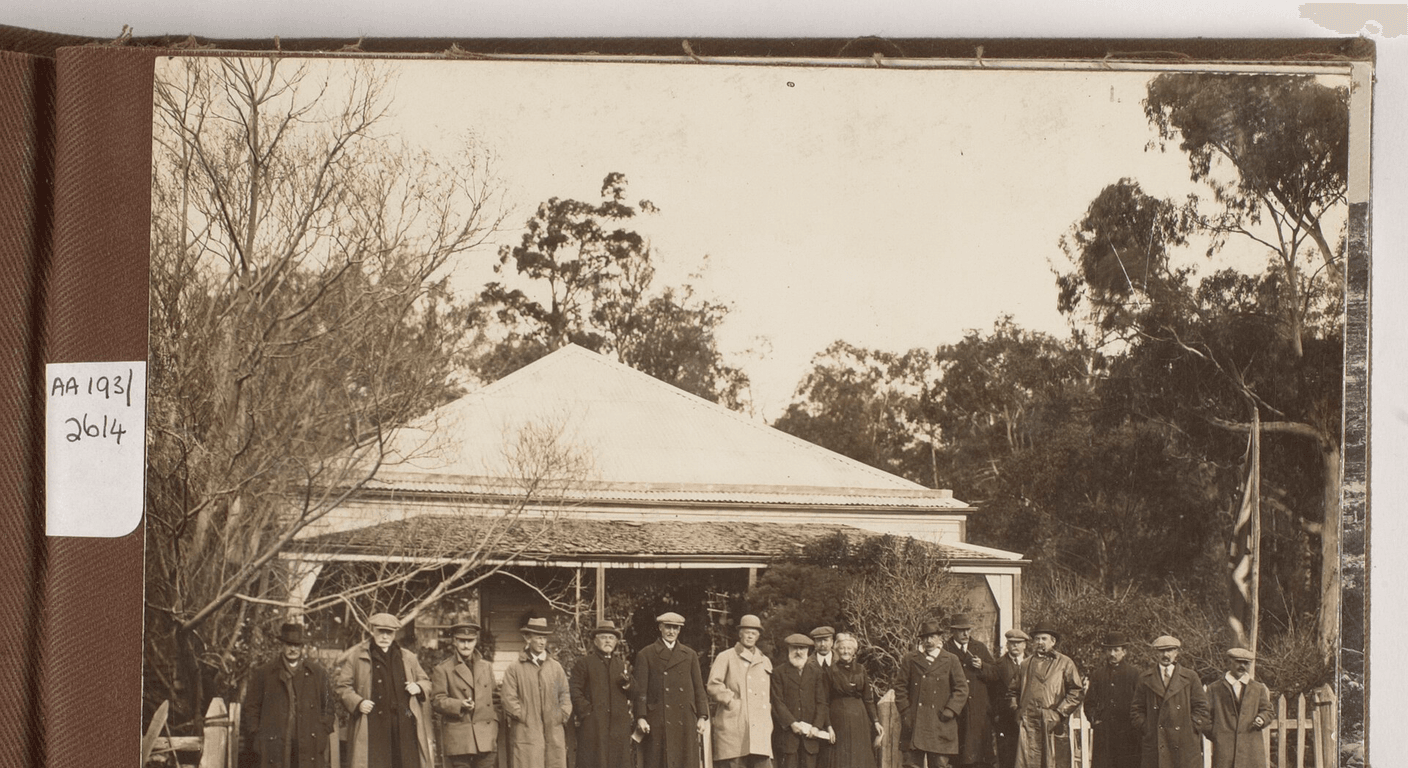
Bothwell's town centre is compact enough to cover on foot in an hour or two without any sense of effort. The sandstone buildings along the main streets date largely from the 1820s to 1840s and are among the best-preserved examples of Georgian colonial architecture in Tasmania outside of Richmond. The scale is human and unhurried — there are no major tourist attractions competing for your attention, which is part of the appeal.
The Castle Hotel is one of the older licensed premises in Australia and worth a look even if you are not stopping for a drink. St Luke's Church of England, built in the 1820s, is another landmark worth a few minutes. The Bothwell Heritage Gateway and various plaques around town provide historical context as you walk. None of this requires a guided tour, though if the museum is open, staff there can point you toward the most significant sites.
Accessibility across the village is generally good — the footpaths are flat and the distances short. There are no significant kerb issues on the main streets. For anyone who uses a walking stick or prefers firm, level ground, Bothwell is one of the more manageable historic villages in the state. Parking is easy and free near the town centre.
Where to eat and what to expect for lunch in Bothwell
Bothwell is a small town and dining options reflect that. The Castle Hotel has historically served meals and is the most reliable option for a sit-down lunch, but hours and menus in small Tasmanian towns can change, particularly outside the summer season. It is worth ringing ahead or checking current reviews before building your day around a specific venue. A backup option is to bring a packed lunch from Hobart, which is entirely practical given the town's open spaces and picnic areas.
There are occasional cafes and small businesses in the town, but do not assume they will be open on a weekday in winter. The Southern Highlands region generally trades on a seasonal and weekend rhythm. If you are travelling mid-week between May and August, the village can be quite quiet, which is peaceful but does require a little more planning around food.
For couples who enjoy a self-catered style of travel, picking up provisions at a good deli or bakery in Hobart before leaving and eating at Ratho Farm or a roadside stop is a perfectly comfortable approach. The drive back to Hobart along the Midland Highway passes through Kempton and other small towns that occasionally have cafes open, providing a fallback option on the return leg.
Practical matters: driving, timing, and what to bring
The drive from Hobart follows the Midland Highway north — one of Tasmania's main routes — before turning off toward Bothwell. The road to Bothwell is sealed and in reasonable condition, though the final stretch into town is rural and narrower than the highway. A standard passenger car handles it without difficulty. If you are renting a vehicle in Hobart, confirm with the rental company that the car is appropriate for rural Tasmanian roads, which is standard practice anyway.
Timing matters in a couple of ways. The Australasian Golf Museum's opening hours are limited and should be confirmed before you travel — checking their website or calling ahead is not optional if the museum is the main purpose of the trip. If you are planning a round at Ratho, book the tee time in advance. Arriving in Bothwell around mid-morning gives you time for the museum, a walk through the village, and lunch before a late-afternoon golf round or the drive back.
The Southern Highlands sits at elevation and the weather can be several degrees cooler than Hobart, particularly in winter and spring. Wind is common on the open farmland around Ratho. Bringing a warm layer and waterproof jacket is sensible in any season. Comfortable walking shoes are sufficient for the village; golf shoes are obviously useful at Ratho. There is no significant physical challenge involved in the day, which makes it accessible for a wide range of fitness levels.
Getting there without a car: is it practical?
Bothwell does not have a regular public transport service from Hobart in the way that larger Tasmanian towns do. The most practical approach for most visitors, including those based in Victoria who are travelling Tasmania by rental car, is to drive. For those who prefer not to drive or do not have access to a vehicle, a private tour or charter from Hobart is the realistic alternative — several Hobart-based tour operators include the Southern Highlands in their itineraries, and this can be a comfortable option for a couple who want someone else to handle the navigation.
Checking with the Tasmanian Visitor Information Network or Tourism Tasmania's website at discovertasmania.com.au is the best starting point for identifying current tour operators covering Bothwell. The details of specific operators change over time and it is more reliable to check current listings than to rely on any fixed list. For Victorian travellers spending a week or more in Tasmania, renting a car from Hobart Airport and including Bothwell as one day of a broader Southern Tasmania itinerary is the most flexible and cost-effective approach.
Quick planning guide
| Ideal pace | Relaxed, unhurried day trip |
|---|---|
| Best months | Summer for reliable museum hours and open dining; check ahead in winter |
| Suggested stay | Half-day for museum and village walk; full day if adding golf at Ratho |
| Mobility level | Easy — flat streetscape and mostly walkable course terrain |
| Cost level | Budget-friendly (museum entry under $30; green fees confirmed separately) |
| Comfort level | Comfortable, low-effort walking with cooler highland weather to plan for |
| Best for | Couples and golf history enthusiasts wanting a heritage-rich escape from Hobart |
| Main planning consideration | Confirm museum opening hours and book a Ratho tee time in advance, as facilities are limited outside summer |
Key takeaways
- Bothwell is around an hour north of Hobart and combines a flat, walkable Georgian streetscape with genuine golf history in a single day trip.
- Ratho Farm's golf course is documented to the 1820s and is widely regarded as the oldest in the southern hemisphere — still playable today, with sheep-fenced greens.
- The Australasian Golf Museum charges a modest indicative entry fee of around $5–$10, but opening hours are limited especially in winter, so confirm before you travel.
- The village is accessible and flat, making it one of the more manageable historic towns in Tasmania for travellers who prefer easy walking terrain.
- Dining options in Bothwell are limited and variable by season — ringing ahead or bringing food from Hobart is a practical approach, particularly on weekday visits.
- There is no regular public transport to Bothwell from Hobart; a rental car or private tour is the realistic option for most visitors.
Recommended partners and links
Indicative prices only — always confirm with the operator before booking.
Frequently asked questions
Is Bothwell worth visiting if you are not a golfer?
Yes. The Georgian sandstone streetscape, the colonial history, and the Australasian Golf Museum's broader cultural story about Scottish settlers and their customs make Bothwell interesting to non-golfers. The village is quiet, flat, and easy to explore at a relaxed pace.
How much does it cost to play golf at Ratho Farm?
Green fees at Ratho Farm are indicative only and change over time. Contact Ratho Farm directly at rathofarm.com to confirm current rates and to book a tee time before you visit.
What are the opening hours of the Australasian Golf Museum in Bothwell?
Opening hours are limited and vary by season, with reduced or restricted access in winter. Confirm current opening days and times directly with the museum before making it the centrepiece of your trip. The museum's website is australasiangolfmuseum.com.
How far is Bothwell from Hobart and how do you get there?
Bothwell is roughly 75 kilometres north of Hobart, about an hour to an hour and fifteen minutes by car via the Midland Highway. There is no regular public bus service; a rental car or private tour from Hobart is the practical option for most visitors.
Is Bothwell accessible for travellers with limited mobility?
The main streets of Bothwell are flat and compact, making it one of the more accessible historic villages in Tasmania for those who prefer level ground and short walking distances. Ratho Farm's course is open farmland and uneven underfoot, which is worth considering before booking a round.