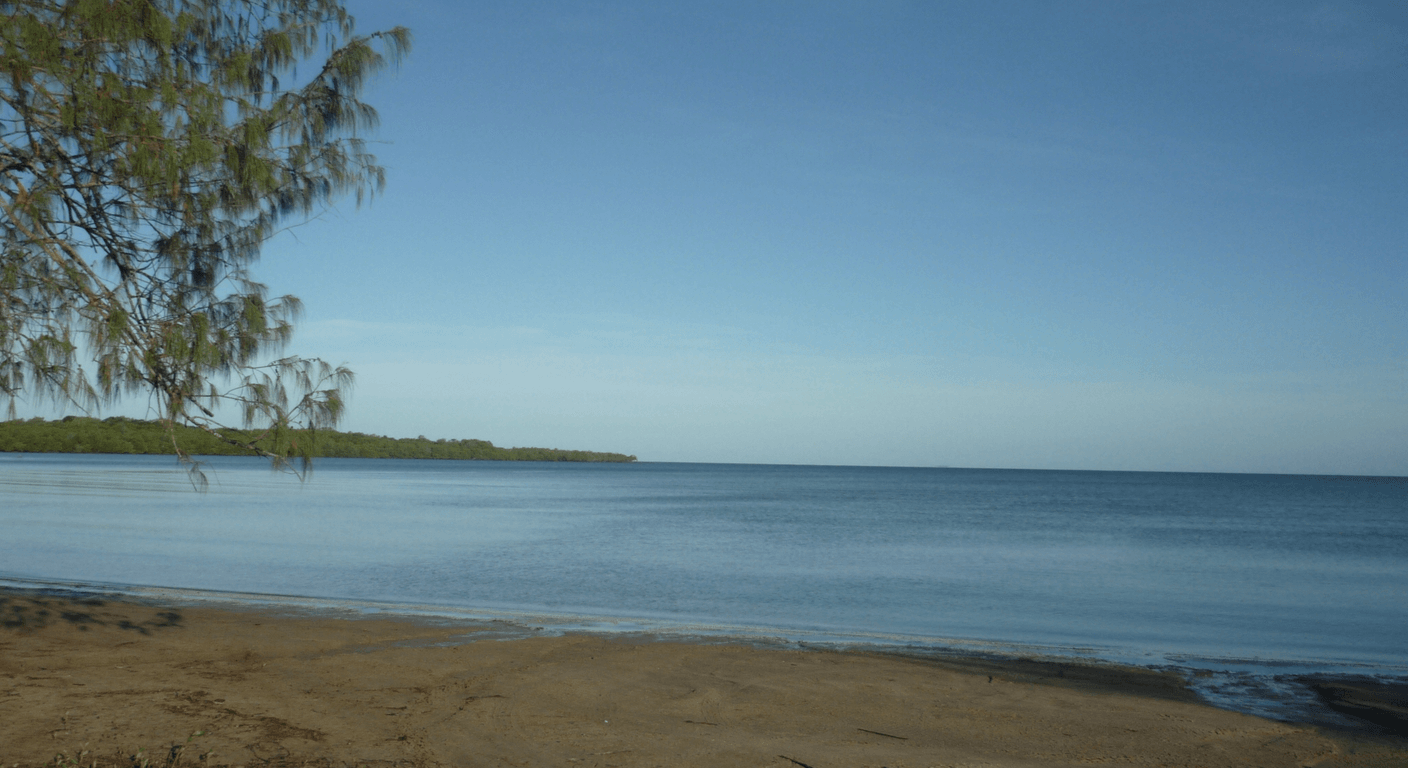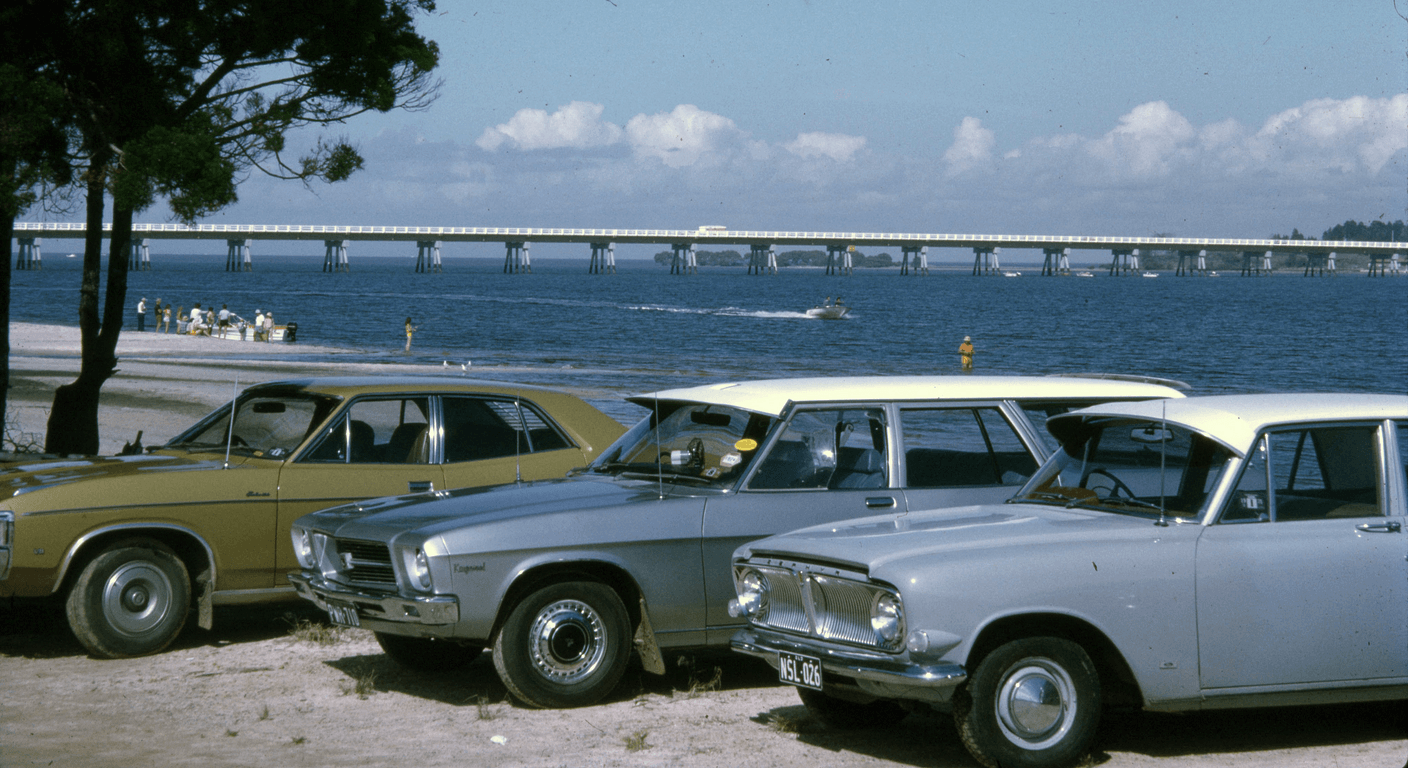
Bribie Island is the only Queensland island reachable by road, linked to the mainland by bridge, or by train to Caboolture and Translink bus 640 from Brisbane. The flat, shaded Bongaree foreshore along the calm Pumicestone Passage offers gentle swimming and views to the Glass House Mountains. Rated easy for mobility, it suits a relaxed half-day to full-day visit, best enjoyed in the shoulder seasons or mild winter months.
Why Bribie Island Suits Over-50 Travellers So Well
Most Queensland islands require a ferry, a water taxi, or a certain tolerance for salt spray and luggage logistics. Bribie asks none of that. The Bribie Island Bridge — opened in 1963 and now thoroughly unremarkable in the best possible way — connects the island to Sandstone Point on the mainland. You drive, or you catch the bus. Either way, you're there in minutes.
What makes it particularly well-suited to travellers who prefer substance over spectacle is the western foreshore. The Pumicestone Passage is a narrow, sheltered waterway between the island and the mainland — tidal, calm, and shallow enough that you can stand well out from shore. The water is warm for much of the year, the current is gentle, and the view across to the Glass House Mountains is the kind of thing you find yourself staring at for longer than expected. Those ancient volcanic plugs — Beerwah, Tibrogargan, Coonowrin — rising from the flat coastal plain have a quietly dramatic quality.
The island is also genuinely flat. Bongaree, the main township on the western side, has a foreshore esplanade that runs for several kilometres without a significant incline. Benches appear at sensible intervals. There's shade from the she-oaks and pandanus. For a solo traveller who wants to walk at her own pace and stop when she feels like it, this is exactly the right kind of infrastructure.
Getting There Without a Car: Trains and Buses from Brisbane
The car-free route is more straightforward than many people assume. From Brisbane's Central or Roma Street stations, the Caboolture line runs north — the journey to Caboolture Station takes roughly an hour, depending on your starting point and the service. From Caboolture, Translink bus route 640 continues out to Bribie Island, crossing the bridge and stopping at various points along the western foreshore, including Bongaree. The whole journey from central Brisbane is typically under two hours.
The go card makes the fare seamless — tap on in Brisbane, tap off on the island, and the system calculates the right zone fare automatically. Indicative costs vary with distance and time of day; confirm current fares at translink.com.au before you travel. Timetables are the main thing to check. Services run regularly during the day, but confirm the last return bus from Bongaree before you commit to a long lunch. Missing the final bus to Caboolture on a Sunday afternoon would be the kind of adventure nobody actually wants.
For travellers visiting from interstate — say, flying into Brisbane from Melbourne or Adelaide — Bribie works well as a day trip during the middle of a Queensland stay. The train departs from near the international and domestic terminals via Airtrain to the city, and you're into the Caboolture line from there. No hire car, no navigation, no parking anxiety.
Walking the Bongaree and Bellara Foreshore
The Bongaree foreshore path is the heart of a day on Bribie. It follows the Pumicestone Passage edge for a couple of kilometres, paved and flat, with the water on one side and the township's low-key mix of fish and chip shops, a bakery, and a park on the other. Early morning, the light on the passage is extraordinary — the kind of soft, silvery Queensland light that makes everything look slightly more significant than it is. By mid-morning, the she-oaks are providing shade and the benches are filling with people who've figured out a good thing.
Bellara, just north of Bongaree, extends the foreshore walk and has a slightly quieter feel. The path continues along the passage edge, with views opening up further toward the Glass House Mountains as you move north. The two townships together give you a comfortable morning's walking without ever feeling like you're pushing yourself. Stop when the view's good. There's no particular destination — that's rather the point.
Dogs are common on the foreshore, friendly locals even more so. Solo travellers generally find Bribie an easy place to have a brief conversation — with a retired couple walking a labrador, with the woman running the museum, with the man behind the fish and chip counter who's been there since before the bridge was widened. Small-town Queensland has a particular ease to it that larger coastal resorts have lost.
Swimming: The Passage Side Versus the Ocean Beach
This is genuinely worth understanding before you pack your swimmers. The western (passage) side and the eastern (ocean) side of Bribie Island are entirely different swimming experiences, and for most over-50 day-trippers, the passage side is the clear choice.
Pumicestone Passage swimming is calm, shallow, and largely free of surf. You wade out gradually over a sandy bottom, the water is warm for most of the year, and there's no wave action to knock you sideways. Jellyfish can appear seasonally — as they do along most of Queensland's coast — so check local conditions before you get in. The foreshore near the Bongaree Jetty has a designated swimming area; look for the flags and the small beach park.
The ocean beach on the eastern side is a different proposition entirely: exposed, surf-affected, and more suitable for confident swimmers who want that kind of energy. It's also a longer walk or a short drive from the township. For a relaxed day trip focused on the foreshore and the views, the passage side delivers everything you need. The national park occupies much of the island's northern end — if you want to explore further, parks.des.qld.gov.au has current access information and any applicable fees.
The Seaside Museum: Small, Genuine, Worth Half an Hour
The Bribie Island Seaside Museum sits on the Bongaree foreshore, run by volunteers from the Bribie Island Historical Society. It's the kind of place that larger tourist destinations don't have — modest in scale, local in character, and full of photographs and objects that tell you something real about how this community developed. The displays cover the island's history from its Jinibara and Kabi Kabi custodians through to the fishing industry, the arrival of the bridge, and the slow transformation of a working island into a retirement and holiday destination.
Entry is low-cost — indicative pricing has historically been a small gold coin donation, but confirm current arrangements directly with the museum or at the door before your visit, as volunteer-run venues can change their hours and entry arrangements. It's worth checking the Moreton Bay Regional Council or local tourism sites for current opening days. The museum isn't open every day, so a quick check before you travel saves disappointment.
It's the kind of place that rewards curiosity over efficiency. If you find yourself in conversation with one of the volunteers about the island's early fishing families or the wartime history of the passage, let it run. Those conversations are the actual exhibit.
Fish and Chips by the Jetty: The Correct Lunch
The Bongaree Jetty extends out into the passage and has been a fixture of island life for generations. Fishing from the jetty is free and common — you'll often find a companionable mix of retirees, families, and people who've simply decided the fish aren't biting but the view is acceptable anyway. The jetty gives you a different perspective on the passage: looking back toward the foreshore, the Glass House Mountains visible beyond the township, the water moving gently underneath you.
Fish and chips from one of the foreshore shops — eaten at a picnic table or on a bench overlooking the passage — is the correct lunch for this day. It's not a complicated recommendation. The combination of fresh seafood, calm water, mountain views, and no particular schedule is a reliable form of contentment. Prices vary; expect indicative costs in line with Queensland coastal fish and chip shops generally. Bring cash as a precaution, though most shops now accept card.
The foreshore also has a small playground and barbecue areas if you've brought family — grandchildren make this kind of day considerably noisier but not necessarily worse.
Practical Notes: Timing, Comfort and What to Bring
Queensland's subtropical climate means summer (December to February) brings heat and humidity that can make a long foreshore walk uncomfortable by late morning. The shoulder seasons — September to November and March to May — offer warm, clear days that are genuinely pleasant for walking. Winter (June to August) is mild by most Australian standards, with daytime temperatures often in the low-to-mid twenties. It's also the least crowded period, and the light on the passage in winter has a particular clarity.
Sun protection is non-negotiable. The foreshore has shade, but the path sections near the jetty and swimming area are exposed. A wide-brimmed hat, SPF 50+ sunscreen, and a light long-sleeved shirt will carry you comfortably through the middle of the day. The passage-side breeze can make it feel cooler than it is — Queensland sun is effective regardless of the wind.
Comfortable walking shoes rather than sandals are advisable if you plan to extend the walk north toward Bellara or explore any of the park access tracks. The foreshore path itself is sealed and sandal-friendly, but the ground beyond the esplanade can be sandy and uneven. A small bag with water, snacks, and a light layer for the return bus journey covers most contingencies. Bribie is an easy day — the preparation needn't be elaborate.
Quick planning guide
| Ideal pace | Slow-paced, no fixed itinerary |
|---|---|
| Best months | September–November and March–May; winter (June–August) also mild and quiet |
| Suggested stay | Half-day to full day trip |
| Mobility level | Easy — flat, sealed foreshore paths with shade and benches |
| Cost level | Budget-friendly — free access, low-cost museum donation, affordable meals |
| Comfort level | Comfortable, with shade along most of the walking route |
| Best for | Solo travellers, couples, and those who prefer calm swimming and gentle walking over strenuous activity |
| Main planning consideration | Check Translink bus timetables (especially the last return service) and confirm museum opening days before travelling |
Key takeaways
- Bribie Island is Queensland's only drive-on island, connected to the mainland by bridge — no ferry required.
- The Pumicestone Passage foreshore at Bongaree is flat, shaded, and accessible, with calm shallow swimming and Glass House Mountains views.
- A car-free day trip from Brisbane is practical: train to Caboolture Station, then Translink bus 640 directly onto the island.
- The volunteer-run Seaside Museum offers genuine local history — confirm opening days and entry before visiting.
- Passage-side swimming is sheltered and gentle; the ocean beach on the eastern side is surf-exposed and a different experience entirely.
- September to November and March to May offer the most comfortable conditions; winter is mild, quiet, and underrated.
Recommended partners and links
Indicative prices only — always confirm with the operator before booking.
Frequently asked questions
Can you visit Bribie Island without a car?
Yes. Take a train from Brisbane to Caboolture Station on the Caboolture line (roughly one hour from central Brisbane), then Translink bus route 640 continues across the bridge onto the island, stopping at Bongaree and other foreshore locations. Confirm current timetables at translink.com.au before you travel, and check the last return bus time.
Is Bribie Island suitable for travellers with limited mobility?
The Bongaree and Bellara foreshore paths are sealed, flat, and have regular seating and shade — they're among the most accessible foreshore walks in south-east Queensland. The passage-side swimming area is also gently graded. The eastern ocean beach and national park tracks involve softer ground and are less suitable for those with significant mobility limitations.
Is it safe to swim at Bribie Island?
The passage side (western foreshore) offers calm, shallow, sheltered swimming with gentle tidal movement — generally safe and well-suited to older swimmers. Jellyfish can be present seasonally, as along most of Queensland's coast. The eastern ocean beach is surf-exposed. Always swim between the flags where present, and check local conditions on the day.
What is the Bribie Island Seaside Museum and is it worth visiting?
The Bribie Island Seaside Museum is a volunteer-run local history museum on the Bongaree foreshore, operated by the Bribie Island Historical Society. It covers the island's Indigenous history, fishing heritage, and development. Entry has historically been by small donation. Confirm current opening days and any entry arrangements before visiting, as hours can vary.
What is the best time of year to visit Bribie Island as a day trip?
September to November and March to May offer warm, clear days with lower humidity — ideal for foreshore walking and swimming. June to August is mild, uncrowded, and underrated for those who don't mind slightly cooler water. December to February is hot and humid; visits are more comfortable with an early start and a plan to be off the exposed foreshore by late morning.