Busselton Jetty stretches 1.8 kilometres into Geographe Bay, Western Australia, ending in a permanent underwater observatory eight metres below the surface—no snorkelling required. Best visited October to April for clearest water, it suits a night or two, or a quick morning stop. The flat, railed deck and jetty train make it easy for most mobility levels. From Perth it's a two-hour drive or coach; east coast travellers typically fly into Perth or Busselton.
What makes Busselton Jetty worth the journey from the east coast?
There's a certain satisfaction in finding something genuinely unusual that also happens to be easy to get to. Busselton Jetty is that place. Built from jarrah and ironbark in 1865 and extended several times since, it now reaches 1.841 kilometres into Geographe Bay — long enough that the jetty head feels like a different world from the shore. The water changes colour as you move out. The town recedes. And then, at the end, you go down.
The underwater observatory was added in 2003 and remains a one-of-a-kind structure on the Australian coast. Eight metres below the surface, a cylindrical chamber with large viewing windows lets you sit and watch the reef ecosystem that has colonised the jetty piles over more than a century and a half. Coral formations, schools of fish, the occasional ray. No wetsuit. No snorkel. Just a quiet room and a lot of water around you.
For travellers flying over from Melbourne or Sydney, Busselton sits roughly two hours south of Perth by car or coach. It's a logical anchor for a south-west Western Australia trip — comfortable accommodation at a range of price points, good food, and the kind of pace that suits a week rather than a frantic weekend.
How do you get to Busselton Jetty — and how accessible is it really?
From Perth, the most comfortable option for a couple travelling together is to hire a car at the airport and drive south via the Kwinana Freeway and Forrest Highway — a straightforward two-hour run, mostly freeway, with a stop at Harvey if you want a flat white and a stretch. Transwa also runs a coach service from Perth to Busselton; confirm current timetables and fares at transwa.wa.gov.au before you book.
The jetty itself is about as accessible as a long outdoor structure gets. The deck is flat, wide, and railed the full length on both sides. There are no steps to navigate. For anyone who'd rather not walk the near two-kilometre return journey — and that's a perfectly reasonable call — the jetty train runs along the deck to the observatory and back. It's a small, open-sided carriage, unhurried, and it gives you time to look at the water rather than watch your footing.
The observatory entry is via a lift, which means the descent is accessible for most mobility levels. The chamber itself has bench seating around the windows. There's no scrambling, no ladders, no awkward angles. The café at the jetty head is a decent spot for lunch after the tour — the fish and chips have a loyal following, and the views back to shore are pleasantly wide.
What will you see in the underwater observatory?
The jetty piles have been in the water long enough to become a proper reef system. Coral, sponges, and encrusting organisms have turned the old timber and concrete into habitat, and the fish life reflects that. Depending on the season, you might see baldchin groper, western blue groper, snapper, sweep, and various species of wrasse moving through the structure. The observatory guides know the regulars by sight, which adds a nice layer of character to the tour.
Tours are conducted on a timed schedule, typically running for around 30 to 45 minutes, and the guide commentary is well-paced — informative without being relentless. Visibility in the observatory depends on weather and water conditions; calm days in the October-to-April window generally offer the clearest views. After heavy swells, visibility can drop. It's worth checking conditions if you're planning around a specific date.
One detail worth knowing: the observatory tour is a shared experience, and groups are kept to a manageable size. On busy days — school holidays, long weekends, and peak summer — tours can sell out. Pre-booking online through the official Busselton Jetty site is strongly recommended. There's no particular drama in doing so; the booking system is straightforward.
How to plan the day — a practical shape for the visit
Arrive at the jetty precinct by around 9.30am, before the day-tripper traffic builds. The shore end has a visitors centre, ticketing, and a café. Book your observatory tour time first — either in advance online or at the counter — then decide how you'll make your way to the jetty head. Walking the full length takes roughly 20 to 25 minutes at an easy pace; the train takes considerably less. Many couples do one direction on the train and the other on foot, which gives you both the leisure of the ride and the satisfaction of the walk.
The observatory tour itself is the centrepiece, but the jetty head has enough to hold you for an hour or so beyond it. There's a small interpretive display on the jetty's history, the café for lunch, and simply the pleasure of being out over open water with a view that extends across the bay to Cape Naturaliste. On a clear day, the Dunsborough coastline is visible to the north-west.
Back in Busselton town, the foreshore area along Geographe Bay is flat, pleasant, and good for a late-afternoon walk. The main street has a reasonable selection of restaurants for dinner if you're staying overnight. If you're based in Margaret River — about 40 minutes south — the jetty fits neatly into a morning, leaving the afternoon free for a winery or two. That's a perfectly civilised way to spend a day in the south-west.
When is the best time to visit Busselton Jetty?
The south-west of Western Australia has a Mediterranean-style climate — warm, dry summers and mild, wet winters. For the underwater observatory, the clearest water and most comfortable conditions fall between October and April. January and February are the warmest months and also the busiest; if you prefer a quieter experience, October, November, and March are worth considering.
Winter visits (June to August) are perfectly possible, and the jetty is striking in overcast light, but underwater visibility can be reduced after winter swells, and the observatory tours still run — just check conditions ahead of time. The jetty precinct itself is sheltered enough that a winter walk is rarely unpleasant. Perth-based travellers often find the off-peak months the most relaxed time to make the drive.
For east coast travellers factoring in the flight, a week in the south-west spread across late October or early November tends to hit the sweet spot — warm enough for comfort, not yet crowded, and the wildflowers of the inland are still visible in the Wheatbelt if you're driving back through. Flights from Melbourne to Busselton Airport (operated by Rex, confirm current routes) take around three hours direct; alternatively, fly into Perth and hire a car.
Costs, tickets and what to confirm before you go
Busselton Jetty charges separately for the jetty walk, the train, and the observatory, but combined tickets are available and represent the better value for most visitors. As of the time of writing, the combined train and observatory experience sits in a moderate range — indicative figures suggest under $50 per adult for the full package, but pricing is subject to change. Always confirm current ticket prices at busseltonjetty.com.au before your visit. Concession rates are available; bring relevant cards.
The observatory tours are timed, so factor that into your day's shape. If you arrive without a booking and your preferred time is full, you may need to wait for the next available slot — not a disaster, but worth avoiding on a tight schedule. The official website allows advance booking. A phone call to the jetty precinct is also an option for anyone less comfortable with online booking.
Travel insurance is worth reviewing before any interstate trip, particularly for travellers managing pre-existing health conditions. Domestic travel insurance for Western Australia is relatively straightforward, but it's worth confirming what your policy covers for trip interruption, medical, and any activities. The jetty itself is low-risk — the observatory descent is via lift, and there's nothing strenuous involved — but good insurance is simply good sense.
Staying longer: Busselton and the Margaret River region
Busselton rewards a night or two rather than a pure day trip, particularly if you're flying in from the east coast. The town has a good spread of accommodation — from well-appointed apartments along the foreshore to smaller boutique properties in the surrounding area. The foreshore itself is a genuine asset: a long, calm beach with a shallow bay that's warm enough for swimming from November through March.
The Margaret River wine region begins about 40 kilometres south of Busselton, and the combination of the two makes for a natural four-to-five day itinerary. The wineries along Caves Road are well set up for visitors — cellar doors with seating, good food, no pressure to buy. For a Greek Australian traveller with an appreciation for good table wine, the Margaret River cabernet sauvignon and chardonnay offer serious competition to anything produced in the Yarra Valley or Barossa.
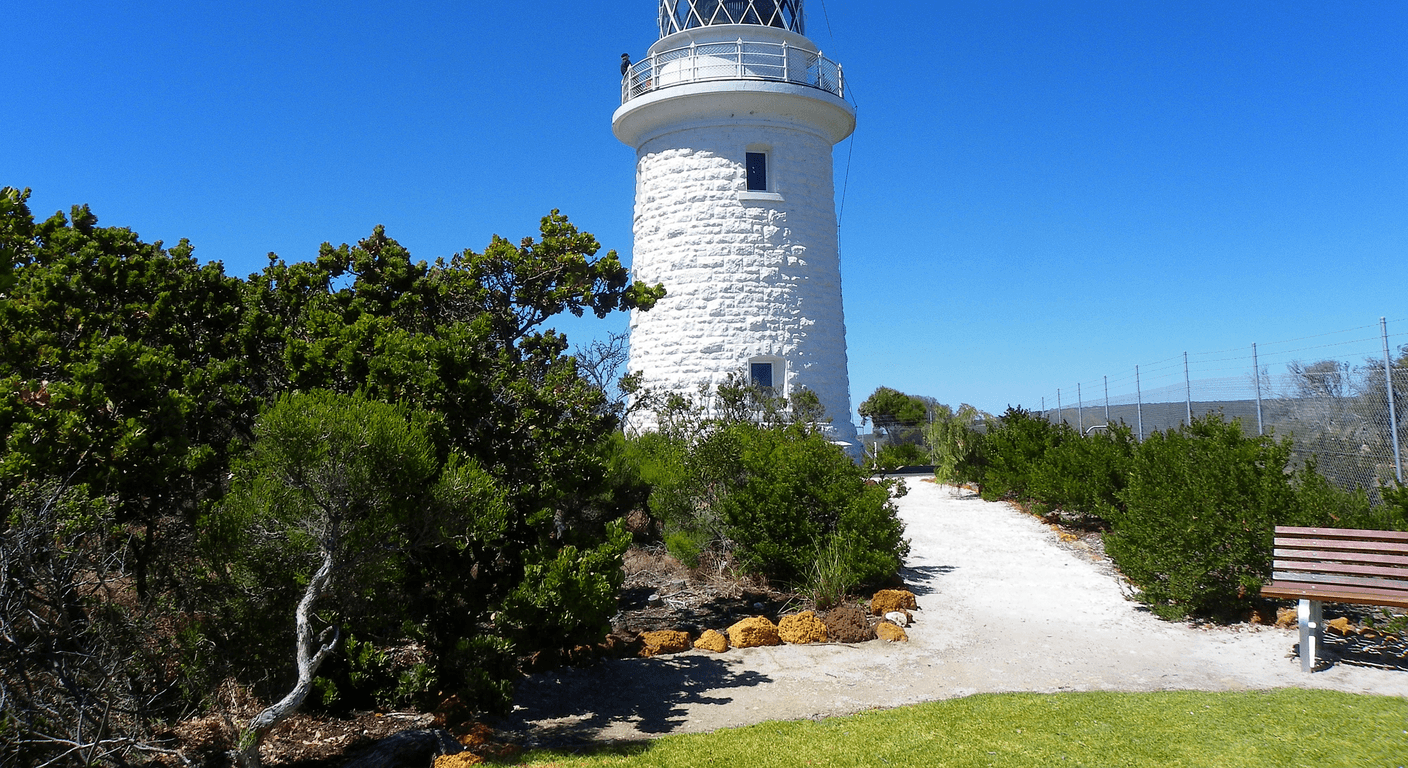
Dunsborough, 25 kilometres north-west of Busselton, is a quieter alternative base with excellent cafés and proximity to Meelup Beach — a sheltered bay that's among the calmest swimming spots on the south-west coast. Cape Naturaliste Lighthouse, operated by Tourism Western Australia, is accessible by car and offers a short walk with wide views across the Indian Ocean. The overall geography of this corner of WA is generous with rewarding, low-effort experiences.
Quick planning guide
| Ideal pace | Relaxed, one to two days |
|---|---|
| Best months | October to April, with late October/early November the sweet spot |
| Suggested stay | A night or two in Busselton, or a morning visit within a longer south-west itinerary |
| Mobility level | Easy — flat, fully railed deck, jetty train option, and lift access into the observatory |
| Cost level | Budget-friendly — combined train and observatory ticket indicated under $50 |
| Comfort level | High — no strenuous walking required, bench seating in the observatory |
| Best for | Over-50 travellers, especially couples, wanting an easy day trip with a genuine point of difference |
| Main planning consideration | Pre-book the timed observatory tour online, particularly in peak periods, and check water visibility conditions beforehand |
Key takeaways
- Busselton Jetty's underwater observatory lets you watch coral and fish life eight metres below Geographe Bay without snorkelling, diving, or getting wet.
- The jetty deck is flat and fully railed for its near two-kilometre length, with a jetty train available for those who prefer not to walk.
- Observatory tours run on a timed schedule and can sell out on busy days — pre-booking via the official Busselton Jetty website is strongly recommended.
- Combined train and observatory tickets are indicative under $50 per adult; confirm current pricing at busseltonjetty.com.au before visiting.
- October to April offers the clearest water visibility and most comfortable conditions for the observatory experience.
- Busselton is roughly two hours south of Perth by car or coach, making it a natural anchor for a south-west Western Australia itinerary.
Recommended partners and links
Indicative prices only — always confirm with the operator before booking.
Frequently asked questions
Is Busselton Jetty accessible for travellers with limited mobility?
Yes. The jetty deck is flat and railed the full length, and a jetty train runs from the shore end to the observatory at the jetty head, eliminating the need to walk. The underwater observatory is accessed by lift, and the viewing chamber has bench seating. It's one of the more genuinely accessible marine experiences on the Australian coast.
Do you need to book the Busselton Jetty underwater observatory in advance?
Pre-booking is strongly recommended, particularly during school holidays, long weekends, and the October-to-April peak season. Tours run on a timed schedule and can fill on busy days. Book via the official Busselton Jetty website at busseltonjetty.com.au, or call the precinct directly.
How much does the Busselton Jetty underwater observatory cost?
Combined train and observatory tickets are indicative and subject to change. At the time of writing, the full package is roughly in the under-$50 range per adult, with concession rates available. Always confirm current pricing at busseltonjetty.com.au before your visit, as prices are updated by the operator.
How do you get from Perth to Busselton Jetty?
By car, Busselton is around two hours south of Perth via the Kwinana Freeway and Forrest Highway — a straightforward drive. Transwa operates a coach service from Perth to Busselton; confirm current timetables and fares at transwa.wa.gov.au. Busselton Airport also has direct flights from Melbourne via Rex; confirm current routes before booking.
What is the best time of year to visit Busselton Jetty?
October to April offers the warmest conditions and generally the clearest underwater visibility in the observatory. January and February are the busiest months; October, November, and March tend to be quieter while still offering good conditions. Winter visits are possible but water visibility can be affected by seasonal swells.