Cape Naturaliste Lighthouse, eight kilometres from Dunsborough in Western Australia, is best visited September through December, with October and November the most reliable months for spotting humpback and southern right whales from the headland. A flat, ten-minute lookout walk makes this an easy day trip, while the optional lighthouse tower tour adds a moderate staircase climb. Most visitors drive, roughly two and a half to three hours from Perth, with coach services also available to Dunsborough.
Why Cape Naturaliste Works So Well as a Day Trip
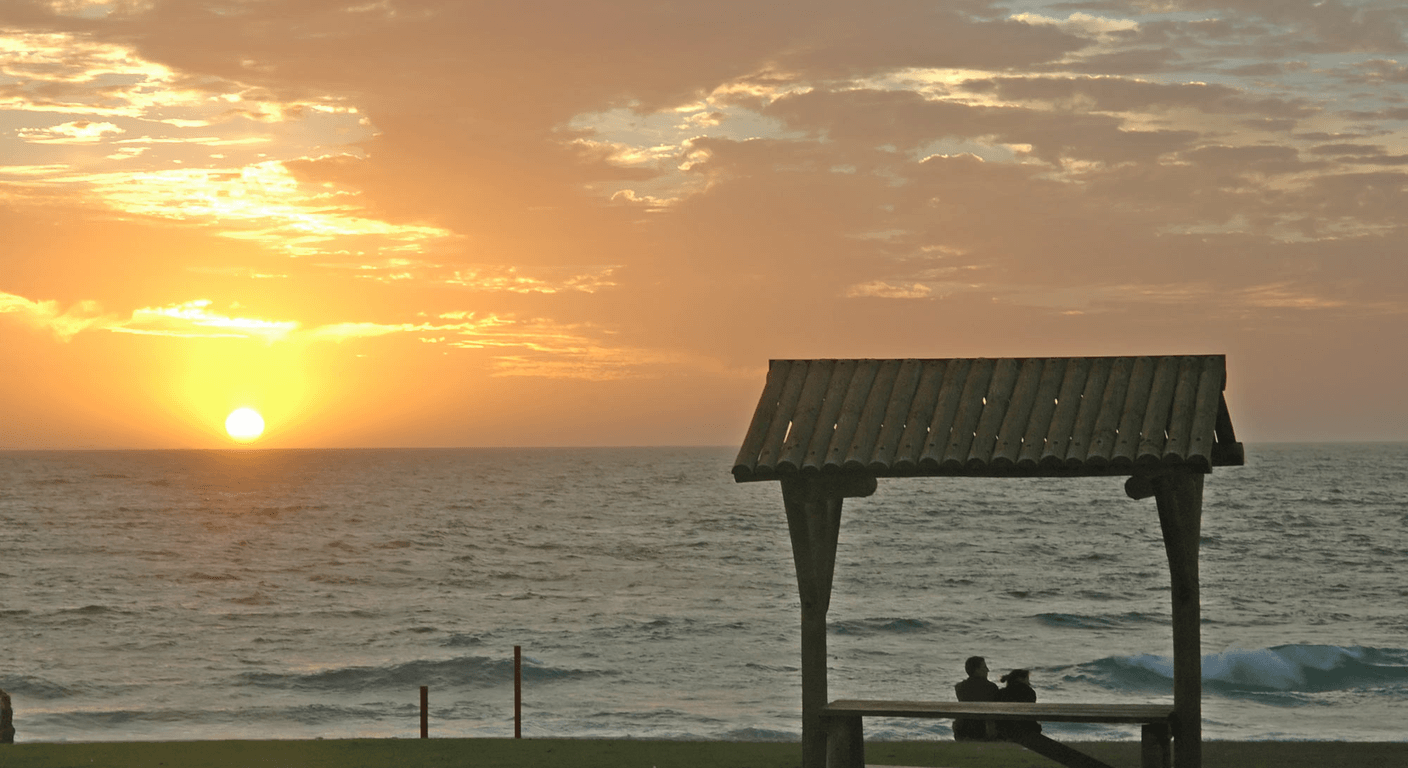
There's a particular pleasure in arriving somewhere by car, stepping out into sea air, and finding that the best vantage point is a ten-minute stroll away. Cape Naturaliste delivers exactly that. The car park sits close to the lighthouse precinct, the path to the coastal lookout is well-formed and largely flat, and the views across Geographe Bay open up quickly. For a solo traveller who wants a rewarding day without logistical complexity, it's close to ideal.
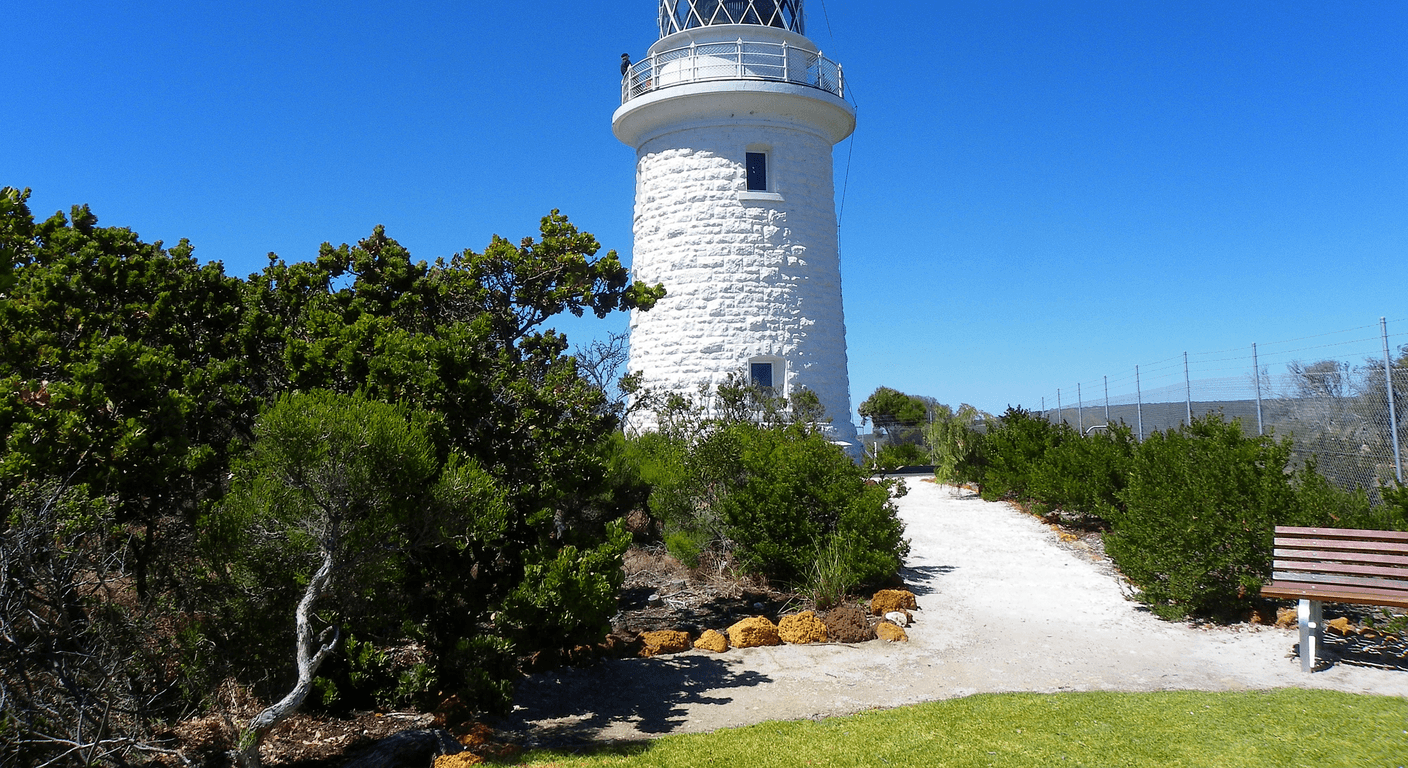
The lighthouse itself dates to 1903 and is one of the better-preserved examples in the state. Guided tower tours run on a scheduled ticketed basis — confirm current times directly with the site before you go, as they vary by season. The tour involves a staircase climb, so if steps are a consideration, the lookout and grounds are genuinely worthwhile on their own. The heritage interpretation at the base of the tower is thoughtful, and the keeper's cottage gives a clear sense of the isolation this posting once meant.
When Do the Whales Arrive — and What Should You Realistically Expect?
The southern humpback migration moves north through Australian waters from around June, but it's the southward return journey — from roughly September through December — that brings whales close to the Cape Naturaliste headland. Humpbacks are the most commonly seen species; southern right whales also appear, though less predictably. October and November tend to be the most reliable months, when numbers are highest and the animals are often travelling with calves.
Honesty matters here: no land-based whale watching site can guarantee a sighting on any given day. Wind, swell, and the whales' own schedules don't follow a timetable. That said, the headland's position — jutting into the bay rather than sitting behind it — gives observers a genuine advantage. Patience and a pair of binoculars are the main tools. Arriving in the morning, when light is lower and conditions are often calmer, improves your chances. Allow at least an hour at the lookout rather than a quick scan.
The experience of watching a humpback breach or roll at distance, from a stable clifftop with a cup of coffee, is genuinely different from a boat tour. It's quieter, it's entirely at your own pace, and there's no seasickness. For travellers who've done the boat option before, this land-based perspective offers something complementary rather than lesser.
Getting There from Dunsborough and from Perth
Cape Naturaliste Lighthouse is about eight kilometres from Dunsborough town centre along Cape Naturaliste Road — a sealed, straightforward drive. If you're staying in Dunsborough, it's a quick trip. From Margaret River it's around 35 kilometres north. Most visitors drive; the road is easy and there's adequate parking at the lighthouse precinct.
From Perth, the journey is around 250 kilometres south-west, roughly two and a half to three hours depending on traffic through Mandurah and Bunbury. Transwa operates coach services from Perth to Busselton and Dunsborough — confirm current routes, timetables and fares at transwa.wa.gov.au. If you're travelling without a car, a taxi or rideshare from Dunsborough to the lighthouse is the practical option for the final leg; confirm availability locally as services in regional areas aren't always on-demand.
For Victorian travellers flying in specifically, Perth is a direct three-hour flight from Melbourne — one of the easier interstate hops. A night in Perth or Bunbury to settle before continuing south is sensible rather than rushing straight to the Capes. Build in that buffer and the whole trip feels more considered.
What to Bring and How to Pace the Day
The headland is exposed. Even on a warm spring day, the wind off Geographe Bay can be brisk, so layers are worth packing regardless of the forecast. Sunscreen and a hat are non-negotiable in this latitude — the WA sun has a particular intensity. Comfortable, closed walking shoes are fine for the flat lookout path; nothing technical is needed.
A morning start suits the light and the wildlife best. Arrive by nine or ten, take the guided tower tour if timing aligns, then spend time at the lookout before heading back to Dunsborough for lunch. The town has a solid range of cafés and restaurants along the main strip — nothing pretentious, but good produce and reliably good coffee. If you're making a full day of it, the drive along Caves Road south toward Margaret River in the afternoon is one of the more satisfying drives in the country: karri and marri forest, cellar doors, and the occasional roadside kangaroo.
Solo female travellers will find the site and Dunsborough town itself comfortable and well-visited during whale season. It's the kind of place where staff at the lighthouse are genuinely helpful, and other visitors tend to be of a similar vintage and disposition — curious, unhurried, happy to share a pair of binoculars.
The Tower Tour: What to Expect Inside
The guided tour takes visitors up through the lighthouse tower for views across the cape and out to the Indian Ocean. The guide covers the history of the light, the keepers who lived here, and the role the lighthouse played in navigation along this stretch of coast. It's the kind of storytelling that rewards a curious traveller — not a perfunctory recitation but a genuine account of a working life at the edge of the continent.
The tower involves a staircase, and the climb is moderate — not arduous, but worth knowing about if stairs are a consideration. If the tower isn't on your list, the grounds and interpretive displays at the base are free to explore, and the keeper's cottage has been restored with period detail that gives a clear sense of the isolation this posting once meant. The overall fee for the tower tour is modest — indicatively under $20 for adults — but confirm current pricing directly with the site before you visit, as it can vary by season.
The precinct is well-maintained and clean. There are toilet facilities at the site, which matters more than it might sound when you're planning a morning on an exposed headland.
Where to Stay Nearby
Dunsborough has a good spread of accommodation — from self-contained apartments and boutique guesthouses to a handful of larger resort-style properties. For a solo traveller, a self-contained studio or apartment in town gives independence and the option to prepare your own breakfast before heading out early. The town is compact enough to walk to dinner without needing to drive.
Margaret River, about 35 kilometres south, offers a wider range of accommodation and a livelier restaurant scene if you're extending the trip. Staying there and driving north to the lighthouse for the day is a comfortable option, particularly if you're combining the visit with winery lunches or the Margaret River region's broader attractions.
Confirm accommodation availability and pricing directly with properties or through established booking platforms. School holiday periods and long weekends in October and November fill quickly in this region — plan ahead rather than leaving it to chance.
Practical Considerations for Over-50 Travellers
Travel insurance is worth mentioning plainly. For any interstate trip, particularly if you have pre-existing conditions, ensure your policy covers medical evacuation and any activities you're planning. The Capes region has good medical facilities in Busselton, but it's not a city. Sort your insurance before you travel rather than assuming your existing cover is sufficient.
The drive from Perth can be long if you're not used to it. Breaking the journey in Bunbury — about two hours from Perth — is a sensible option, particularly if you're driving alone. Bunbury has a pleasant foreshore, good coffee, and perfectly adequate accommodation. It turns a potentially tiring drive into a more relaxed two-day journey south.
The whale season coincides with Western Australia's spring, which means the wildflowers in the surrounding bush are often at their peak in September and early October. The Leeuwin-Naturaliste National Park, which surrounds the lighthouse, has walking trails of varying length — most of the shorter ones are accessible and well-marked. Even a twenty-minute walk through the coastal scrub before reaching the lookout adds texture to the day.
Quick planning guide
| Ideal pace | Slow-paced — morning arrival, unhurried lookout time, optional tower tour |
|---|---|
| Best months | September to December, with October–November the peak whale-watching window |
| Suggested stay | Half-day to full day trip, or an easy overnight in Dunsborough or Margaret River |
| Mobility level | Easy on the flat lookout path; the tower tour adds a moderate staircase climb |
| Cost level | Budget-friendly — tower tour indicatively under $20, grounds free to explore |
| Comfort level | Comfortable but exposed headland — layers, sunscreen and a hat recommended |
| Best for | Solo travellers and over-50s wanting low-exertion, land-based whale watching |
| Main planning consideration | Confirm tower tour times and current pricing directly with the site, and arrange transport from Dunsborough if travelling without a car |
Key takeaways
- Cape Naturaliste Lighthouse's coastal lookout is a flat, short walk from the car park — one of the most accessible land-based whale watching vantages in Western Australia.
- Humpback and southern right whales pass the headland during the southward migration from roughly September through December, with October and November the most reliable months.
- Whale sightings are never guaranteed on any given day — allow at least an hour at the lookout and bring binoculars.
- The guided lighthouse tower tour is ticketed and involves stairs; the grounds and interpretive displays are accessible without the tower climb.
- Cape Naturaliste is around eight kilometres from Dunsborough and roughly two and a half to three hours by car from Perth — a comfortable day trip or easy overnight.
- Morning visits offer better light and typically calmer conditions, improving both whale visibility and the experience of the headland itself.
Recommended partners and links
Indicative prices only — always confirm with the operator before booking.
Frequently asked questions
When is the best time to see whales at Cape Naturaliste Lighthouse?
The southern humpback migration passes Cape Naturaliste from roughly September through December, with October and November generally offering the highest whale numbers. Sightings are more likely in calm conditions and during morning hours when the light is lower. No specific day can guarantee a whale sighting, so building flexibility into your visit improves the odds.
Is Cape Naturaliste Lighthouse suitable for travellers with limited mobility?
The path from the car park to the coastal lookout is short and largely flat, making it accessible for most travellers. The lighthouse tower tour involves a staircase and is not suitable for those who find stairs difficult, but the grounds, interpretive displays, and lookout can be enjoyed without climbing the tower.
How much does the Cape Naturaliste Lighthouse tower tour cost?
The guided tower tour is ticketed at a modest fee — indicatively under $20 for adults — but pricing and tour times vary by season. Confirm current costs and schedules directly with the lighthouse operator before your visit.
How do you get to Cape Naturaliste Lighthouse without a car?
Transwa operates coach services from Perth to Busselton and Dunsborough; confirm current routes and timetables at transwa.wa.gov.au. From Dunsborough, the lighthouse is about eight kilometres and not walkable — a local taxi or rideshare is the practical option for the final leg. Confirm rideshare availability in the area before relying on it.
Can you see whales from the lookout at Cape Naturaliste without taking the tower tour?
Yes. The coastal lookout is separate from the lighthouse tower and accessible to all visitors. It sits on the headland with clear sightlines across Geographe Bay and is where most whale watching takes place. The tower tour offers elevated views but is not required to observe whales from the cape.