Cape Jervis sits around 110 kilometres south of Adelaide via sealed roads, roughly a 1 hour 40 minute drive, and suits a visit any time of year, with October to April best for travellers continuing on to Kangaroo Island. A half-day is enough to see the cape itself, centred on the short but unsealed, uneven walk to the 1871 lighthouse and views across Backstairs Passage. Mobility is moderate, food options are limited to the ferry terminal café, and there's no reliable public transport — access is by private car or the SeaLink ferry.
What exactly is Cape Jervis?
Cape Jervis is a small coastal settlement at the very southern tip of the Fleurieu Peninsula, roughly 110 kilometres south of Adelaide. Its primary function is practical: it's the mainland departure point for the SeaLink ferry to Penneshaw on Kangaroo Island. For most travellers, that's the entire story — park, board, go. But the cape itself has its own quiet character worth half a morning.
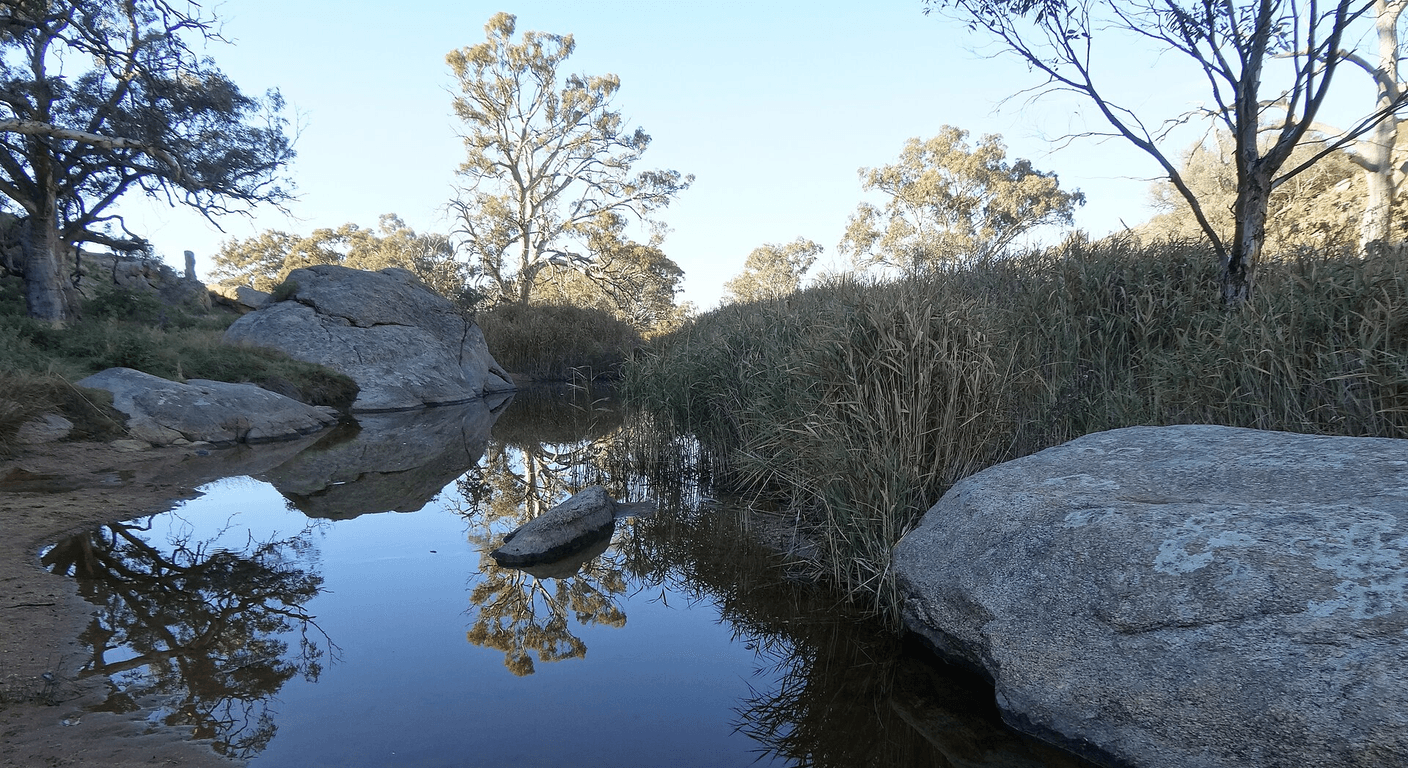
The landscape here is distinctly South Australian: dry scrub rolling down to rugged cliffs, the Southern Ocean doing what the Southern Ocean does, and Kangaroo Island sitting on the horizon close enough to feel attainable. On a clear day, the island looks almost within swimming distance across Backstairs Passage. It isn't, obviously, but the illusion is part of the appeal.
For a solo traveller arriving from Victoria, Cape Jervis offers something the more polished tourist towns of the Fleurieu don't quite manage: a genuine sense of arrival at the edge of things. There's no boutique shopping strip, no wine bar with a view. Just coast, sky, and the low hum of a ferry terminal doing its job.
Getting there from Adelaide — and from Victoria
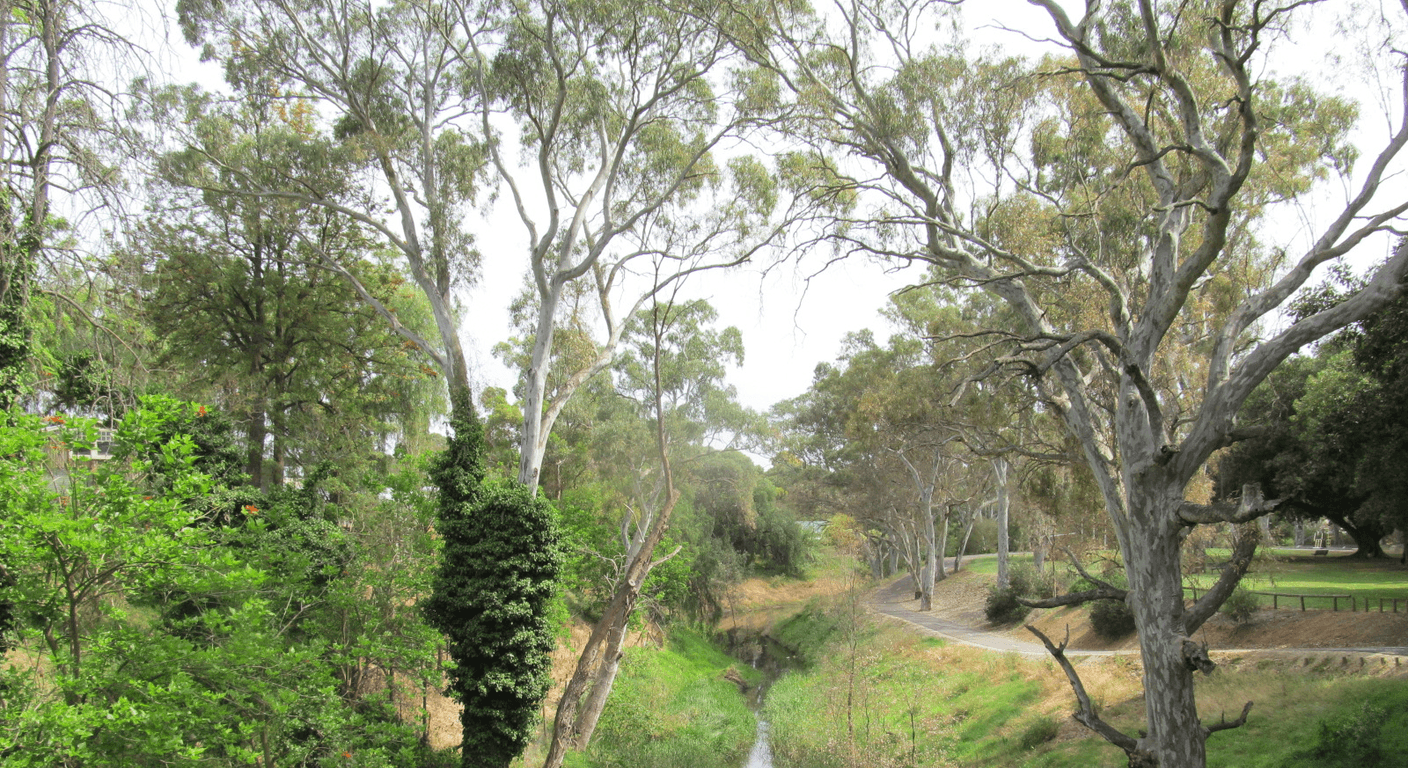
From Adelaide, Cape Jervis is around 110 kilometres via the Main South Road and then the Cape Jervis Road — sealed the entire way, well-signposted, and genuinely pleasant to drive. Allow around 1 hour 40 minutes in normal conditions, though many travellers take longer by stopping through McLaren Vale or Victor Harbor. The road south of Yankalilla narrows and winds through Delamere and Parawa, so it's worth taking your time rather than treating it as a highway run.
For a Victorian visitor flying into Adelaide, hiring a car from the airport makes the most sense. The drive down through McLaren Vale and the Fleurieu is one of the more satisfying in South Australia — rolling hills, vineyard country, then a shift to coastal scrub as you descend toward the cape. If you prefer not to drive, Adelaide's public transport does not reach Cape Jervis. The Fleurieu Connector bus service has operated seasonally; confirm current routes and schedules at adelaidemetro.com.au or with the South Australian Visitor Information Centre before relying on it.
One practical note for travellers arriving from Melbourne by air: Adelaide Airport is compact and easy to navigate, which matters after a short but tiring flight. A recovery night in Adelaide before heading south is sensible if you've had an early start or connecting flight. The drive is enjoyable, not demanding — but there's no reason to rush it.
The Cape Jervis Lighthouse — is the walk worth doing?
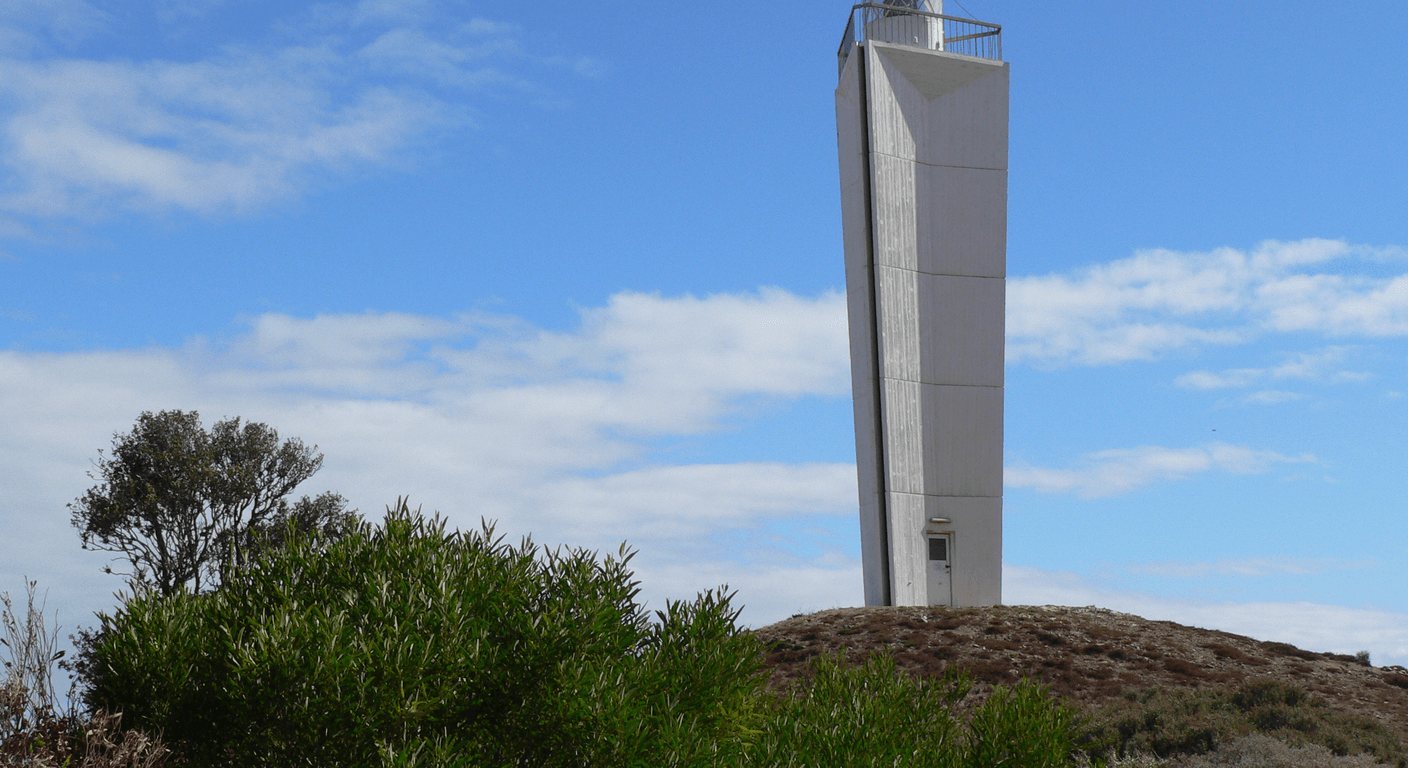
Yes, with caveats. The Cape Jervis Lighthouse sits on the headland above the ferry terminal and dates from 1871. It's a handsome white stone structure in the manner of South Australian colonial lighthouses, and the views from the surrounding headland across Backstairs Passage are genuinely worth the effort. The lighthouse itself is heritage-listed and managed by the National Trust of South Australia.
The walk from the terminal area to the lighthouse is short — under a kilometre — but the track is unsealed and can be uneven underfoot, with some gentle gradient. For a reasonably fit traveller with no significant mobility concerns, it's straightforward. For anyone with balance issues or relying on a walking stick, the surface warrants caution, particularly after rain. Wear closed shoes; thongs are not the right call here.
The lighthouse is not always open for interior access — confirm current visiting arrangements with the National Trust (nationaltrust.org.au) or the local council before building your day around an interior tour. The exterior and headland views are available regardless, and on a clear day that's the real reward. Early morning light on the passage, with Kangaroo Island on the horizon, is the kind of thing that stays with you.
Eat before you arrive — where to stop on the way
This is the most important practical detail about Cape Jervis: food options at the cape itself are limited to the ferry terminal café, which operates primarily to serve passengers boarding or disembarking the SeaLink ferry. It's functional rather than memorable. Don't plan to arrive hungry and find a good lunch.
Normanville, about 20 kilometres north of the cape, is the sensible stop for a proper meal. The town has a relaxed coastal feel, a decent pub, and a handful of cafés that suit a long, unhurried breakfast or lunch without any fuss. Yankalilla, a few kilometres inland from Normanville, is smaller but has its own appeal and a bakery that's been feeding locals and travellers for years. Either town makes an excellent staging point.
If you're driving down from Adelaide via McLaren Vale, you'll pass through some of Australia's most celebrated wine and food country. A late morning stop in McLaren Vale for coffee and something from a local bakery or cellar-door kitchen sets up the day well. The Fleurieu is not short of good food — it's just concentrated in the towns, not at the tip.
Using Cape Jervis as a gateway to Kangaroo Island
For many travellers, Cape Jervis is the beginning of a Kangaroo Island visit rather than a destination in its own right. The SeaLink ferry crossing takes around 45 minutes and runs multiple times daily, though schedules vary by season. Crossing times and frequencies are worth checking well in advance at sealink.com.au, particularly if you're taking a vehicle — vehicle spaces fill faster than passenger seats, especially in peak season.
For a solo traveller considering Kangaroo Island, taking a vehicle across is expensive but gives complete independence on the island, where distances between attractions are significant and public transport is essentially non-existent. Kangaroo Island is large — about 155 kilometres end to end — and the key wildlife areas at Flinders Chase National Park are in the island's west, a solid drive from Penneshaw. A minimum of two nights on the island is realistic; three is more comfortable.
A practical approach for a solo Victorian traveller: fly into Adelaide, spend a night, drive the Fleurieu south the next morning with a stop in Normanville, then take the afternoon ferry to Penneshaw. This paces the journey sensibly and avoids arriving on the island tired and rushed. Book the ferry well in advance, particularly if travelling between October and April.
What else is worth seeing along the way?
The drive down the Fleurieu is genuinely rewarding if you allow time for it. McLaren Vale is an obvious stop — South Australia's most accessible wine region from Adelaide, with cellar doors that welcome drop-ins and a food scene that punches well above the town's size. For a morning visit, the main strip has good coffee and the surrounding countryside is attractive without demanding strenuous walking.
Victor Harbor, on the Encounter Bay side of the peninsula, is a worthwhile detour if you're not on a strict schedule. The Granite Island causeway walk is flat and accessible, the town has good food options, and the whale-watching season (June to September) can be exceptional. It adds perhaps 30 to 40 minutes to the journey toward Cape Jervis depending on your route, but the coastal road between Victor Harbor and Yankalilla via Waitpinga and Inman Valley is one of the better drives on the peninsula.
Carrickalinga, between Normanville and the cape, has a beach that's worth a brief stop on a calm day — sheltered, clean, and rarely crowded mid-week. The Fleurieu Peninsula, unlike the Barossa or McLaren Vale, hasn't been overrun by tourism infrastructure, which is precisely its appeal for travellers who find crowded attractions tiring.
Practical notes for solo travellers over 50
Cape Jervis has limited mobile coverage in places — this is worth knowing if you rely on navigation apps or need to stay in contact. Download offline maps before leaving Normanville or Yankalilla. The road down is straightforward but the final section from Delamere is winding; if you're not comfortable with narrow rural roads, simply take it slowly. There's no pressure to hurry.
Travel insurance is worth reviewing carefully before any South Australian trip that includes a Kangaroo Island crossing. Ferry crossings in rough weather can be uncomfortable, and the island's roads — many unsealed in the national park — carry a higher vehicle risk than city driving. Check that your policy covers both the ferry crossing and driving on unsealed roads if you plan to venture beyond the island's main sealed routes.
For a day trip without the ferry crossing, a half-day is ample. Arrive mid-morning after breakfast in Normanville, walk the lighthouse track, take your time on the headland, then drive back north at a comfortable pace with an afternoon stop in McLaren Vale. It's a satisfying day with very little that can go wrong, which — for a solo traveller — is quietly its own recommendation.
Quick planning guide
| Ideal pace | Slow-paced, half-day stop |
|---|---|
| Best months | Year-round; October–April suits a Kangaroo Island ferry connection |
| Suggested stay | Half a day at Cape Jervis itself; two to three nights if continuing to Kangaroo Island |
| Mobility level | Moderate — short walk on unsealed, uneven ground with gentle gradient |
| Cost level | Budget-friendly by road; adding a vehicle ferry crossing raises the cost |
| Comfort level | Basic — limited food at the cape and patchy mobile coverage |
| Best for | Solo travellers over 50 wanting a quiet coastal stop or a gateway to Kangaroo Island |
| Main planning consideration | Eat in Normanville or Yankalilla beforehand and book Kangaroo Island ferry vehicle spaces well in advance |
Key takeaways
- Cape Jervis is around 110 kilometres south of Adelaide via sealed roads — allow 1 hour 40 minutes driving time.
- The Cape Jervis Lighthouse walk is short but on unsealed, uneven ground — closed shoes and reasonable balance are needed.
- Food at the cape is limited to the ferry terminal café; eat in Normanville or Yankalilla before arriving.
- The SeaLink ferry to Kangaroo Island departs from Cape Jervis and takes around 45 minutes — book vehicle spaces well in advance.
- A minimum of two nights on Kangaroo Island is realistic given distances; three nights is more comfortable for a relaxed visit.
- Mobile coverage can be patchy near the cape — download offline maps in advance.
Recommended partners and links
Indicative prices only — always confirm with the operator before booking.
Frequently asked questions
How long does it take to drive from Adelaide to Cape Jervis?
The drive from Adelaide to Cape Jervis is around 110 kilometres and takes approximately 1 hour 40 minutes under normal conditions via the Main South Road and Cape Jervis Road. The roads are sealed the entire way, though the final section south of Yankalilla narrows and winds through rural country, so allow extra time if you prefer a relaxed pace or plan to stop along the way.
Is the Cape Jervis Lighthouse walk suitable for older travellers?
The walk from the ferry terminal area to the lighthouse is short — under a kilometre — and manageable for reasonably fit travellers. The track is unsealed and uneven in sections, with some gentle gradient, so closed shoes are essential. Travellers with balance concerns or significant mobility limitations should take care, particularly after rain. The headland views are the main reward and are accessible without entering the lighthouse itself.
Are there good places to eat at Cape Jervis?
Food options at Cape Jervis are minimal. The ferry terminal café serves basic meals and snacks primarily for ferry passengers, but it's not a destination for a proper meal. Normanville, around 20 kilometres north, has cafés and a pub suited to a relaxed lunch or breakfast. Yankalilla, a few kilometres inland from Normanville, also has a bakery and local options. It's strongly advisable to eat before arriving at the cape.
How do I get from Cape Jervis to Kangaroo Island?
SeaLink operates a regular passenger and vehicle ferry service between Cape Jervis and Penneshaw on Kangaroo Island. The crossing takes around 45 minutes. Multiple sailings run daily, though schedules vary by season. Passenger and vehicle fares apply separately. Book in advance — particularly for vehicle spaces, which fill quickly in peak months. Current schedules and fares are at sealink.com.au.
Can you visit Cape Jervis without a car from Adelaide?
Public transport from Adelaide to Cape Jervis is very limited. The Adelaide Metro network does not extend to the cape. A seasonal Fleurieu Connector bus service has operated on some routes; confirm current availability with Adelaide Metro (adelaidemetro.com.au) or the South Australian Visitor Information Centre before relying on it. For most travellers, a hire car from Adelaide Airport is the practical choice.