Gawler, South Australia's first country town, is best visited between April and October when temperatures are mild rather than the 35°C summer heat. A half-day covers the flat, free Para River Trail and nearby bluestone heritage sites like St George's Anglican Church, with a full day possible if the National Trust Museum is added. Mobility demands are easy, and the town is reachable without a car via Adelaide's metro rail, roughly 50 to 60 minutes from Adelaide Parklands Terminal.
Why Gawler Deserves More Than a Passing Glance
Founded in 1839, Gawler holds the distinction of being South Australia's first country town — a fact that tends to get buried under the more photogenic reputation of the Barossa Valley, which begins just up the road. That's partly Gawler's good fortune. It hasn't been polished for tourism in quite the same way, which means the bluestone churches and colonial streetscapes still feel inhabited rather than curated.
For a solo traveller arriving by train from Melbourne or Adelaide, the town offers something genuinely useful: a place to spend four or five hours without needing a car, a guide, or a plan more complicated than 'follow the river'. The Para River Trail is the quiet centre of that experience — unhurried, free, and largely shaded.
Getting There From Victoria — and From Adelaide
From Melbourne, the practical approach is an overnight train or a short flight to Adelaide, then the metro rail to Gawler. The Adelaide to Gawler Central line runs from Adelaide Parklands Terminal (near the old Adelaide Railway Station) and takes roughly 50 to 60 minutes depending on the service. It's a proper metropolitan train — not a heritage excursion — and it runs regularly throughout the day. A Metrocard brings the fare down considerably; indicative cost is around $3–$5 each way, but confirm current pricing on the Adelaide Metro website before you go.
There's no need to hire a car. The trail, the main heritage churches, and the National Trust Museum are all within comfortable walking distance of Gawler Central station. That's worth stating plainly for anyone who's spent years assuming South Australian towns outside Adelaide require wheels.
The Para River Trail: What the Walk Is Actually Like
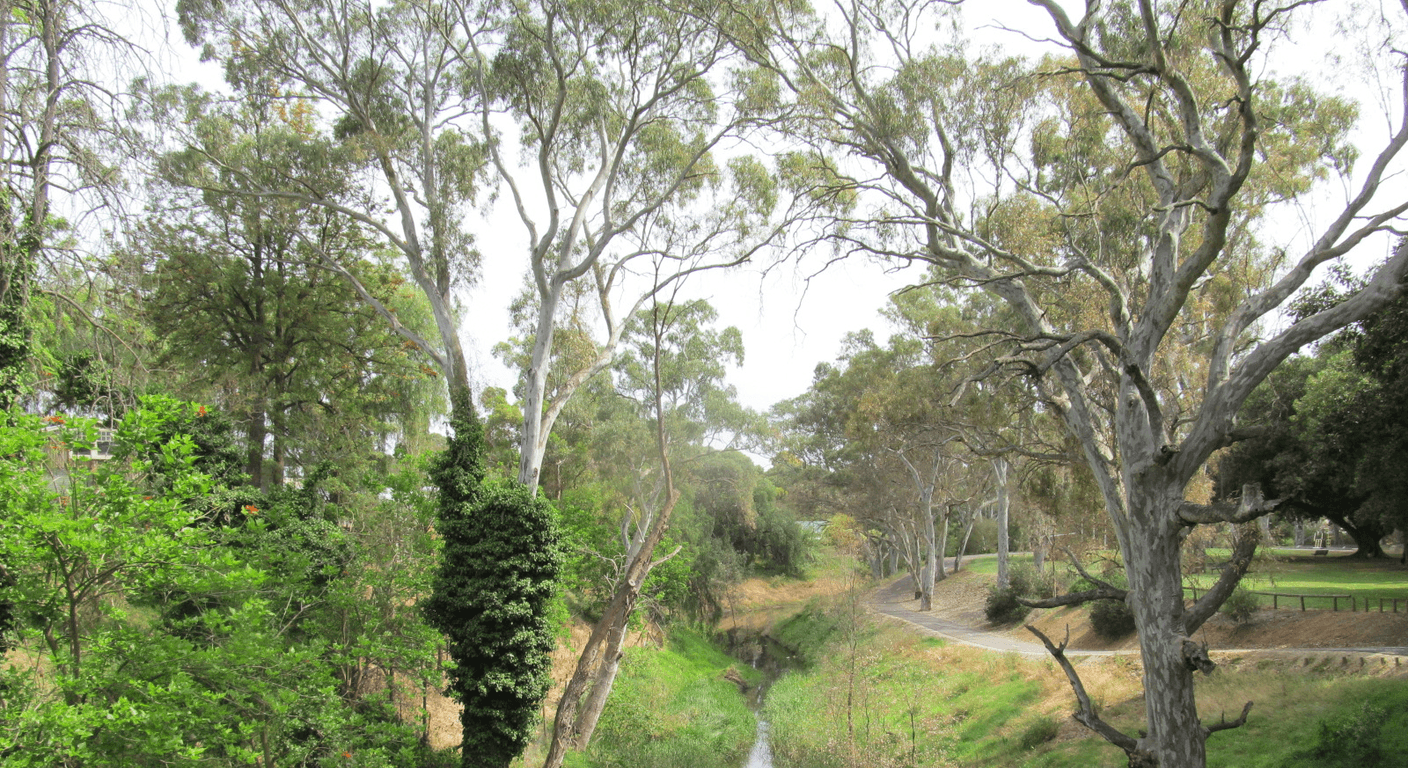
The trail follows the North Para River through a ribbon of public parkland that winds through the heart of Gawler. It's flat — genuinely flat, not 'mostly flat with one awkward section' flat. The surface varies between paved paths and packed gravel, and while some sections are more manicured than others, none of it presents difficulty for a walker of ordinary fitness. Benches appear at sensible intervals. There's shade from river red gums and other established trees, which matters considerably if you're visiting on a warmer autumn day.
The trail can be walked in sections or as a longer loop depending on energy and inclination. Most people find two to three kilometres covers the most rewarding stretch through the central parkland. It's the kind of walk where you set your own pace without any sense of obligation — no guided group, no ticket, no entry point. You simply walk along the river and watch Gawler go about its business.
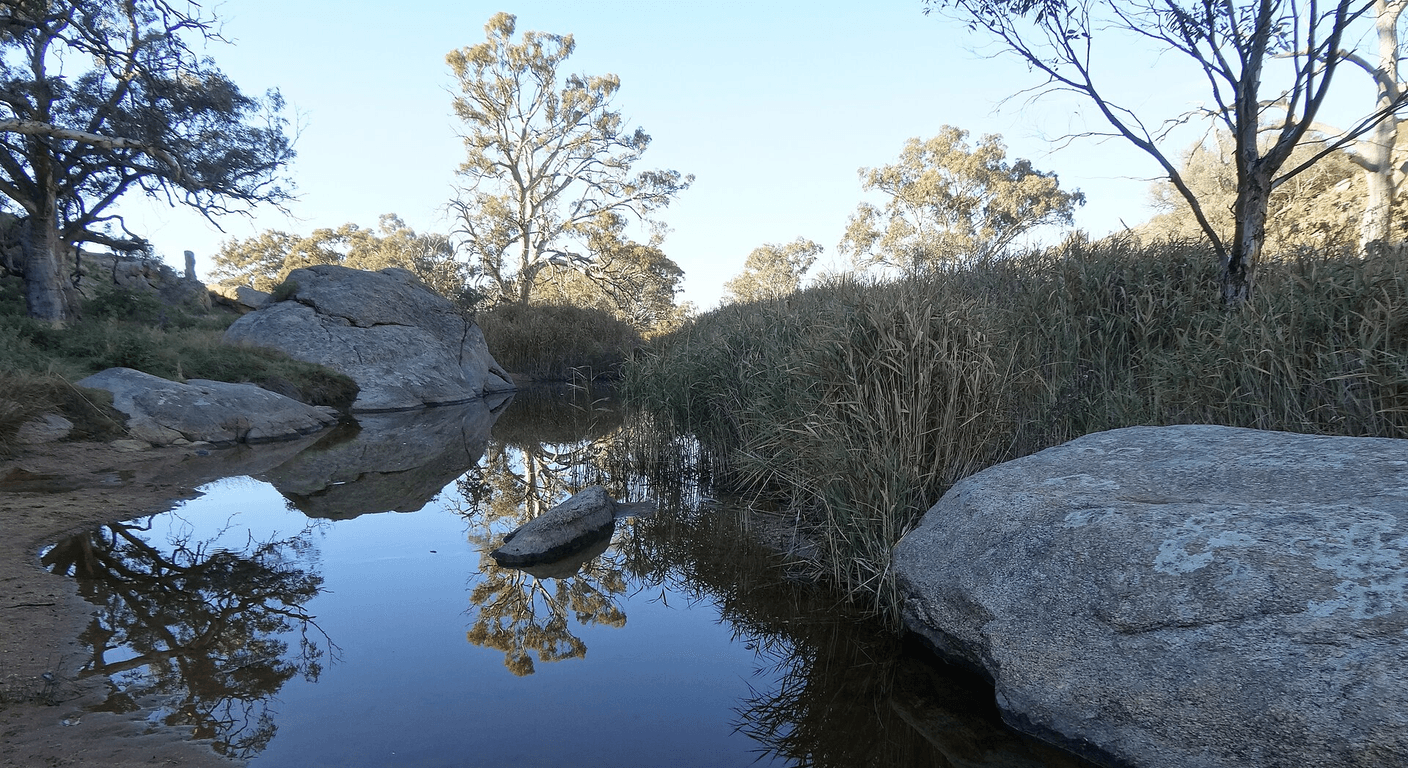
The surroundings shift between open grassy parkland and denser riverside vegetation. Native birds are a reliable presence. On a weekday morning in May, you're likely to share the path with a handful of locals out for their own walk — a pleasant contrast to the managed busyness of some heritage trails elsewhere in Australia.
St George's Anglican Church and the Stone Heritage Along the Way
St George's Anglican Church stands close to the river precinct and is one of the more striking buildings in a town that has no shortage of them. Built in bluestone in the 1850s, it has the solid, unornamented quality that characterises early South Australian colonial architecture — built to last rather than to impress. The churchyard is worth a slow circuit if the gate is open; the headstones tell a compressed version of early Gawler history.
Several other historic churches and public buildings are within easy reach of the trail. Gawler was settled by people who built in stone from the start, which gives the town a visual coherence that weatherboard towns rarely achieve. A short detour off the riverbank brings you into the main heritage streetscape, where you can take stock of the town's scale before heading back to the water.
The Gawler National Trust Museum: Worth the Detour
The Gawler National Trust Museum is a natural extension of a morning on the trail. It's housed in a historic building and focuses on the social and civic history of the town — the kind of local museum that rewards curiosity without demanding a lot of time. Entry is a modest fee; confirm the current price and opening hours with the National Trust directly before visiting, as hours can vary and the museum is volunteer-staffed.
For a solo traveller with an interest in how Australian towns actually developed — land grants, early industry, the particular texture of colonial civic life — this is a more satisfying hour than many larger institutions manage. It's not trying to be anything other than what it is, which is a recommendation in itself.
Practical Comfort: Food, Rest and the Right Time of Year
Gawler's town centre is compact and has a reasonable spread of cafes and bakeries within a short walk of the station and the trail entry points. For a solo traveller, a counter lunch or a good coffee and a sandwich at a local cafe is easy to arrange without a booking. The town has the relaxed rhythm of a place that feeds its own residents rather than performing for visitors.
April through October is the window that makes the most sense for this kind of walk. Gawler summers are genuinely hot — 35°C days are common from December to February, and the riverside shade only helps so much. A clear autumn morning or a mild spring day transforms the same walk considerably. If you're arriving from Melbourne on an overnight train, factor in a slow start and give yourself until mid-morning before heading out onto the trail.
Fitting Gawler Into a Broader South Australian Trip
Gawler slots neatly into a longer South Australian itinerary without requiring any logistical gymnastics. A few days in Adelaide, a day in Gawler, then north to the Barossa — it's a logical arc that covers very different experiences. Alternatively, Gawler works as a standalone day trip from Adelaide for travellers who want to break up a longer city stay with something quieter and more physical.
For a Victorian traveller spending a week in South Australia, the absence of driving is a genuine relief. The train handles the transit, the trail handles the exercise, and the town handles the history. That combination is rarer than it should be.
Quick planning guide
| Ideal pace | Slow and self-directed — walk sections of the trail at your own speed |
|---|---|
| Best months | April to October, avoiding the hot summer months (35°C+ from December to February) |
| Suggested stay | Half a day for the trail and heritage streetscape; a full day if combined with the museum |
| Mobility level | Easy — flat paved and gravel paths suited to walkers of ordinary fitness |
| Cost level | Budget-friendly — the trail is free, with only modest costs for the museum and cafes |
| Comfort level | Comfortable — shaded riverside walking with benches and a compact, unhurried town centre |
| Best for | Solo or independent travellers who prefer walking and history over guided tours |
| Main planning consideration | No car needed — access is via Adelaide's metropolitan rail line to Gawler Central station |
Key takeaways
- The Para River Trail is flat, free, and fully accessible from Gawler Central station without a car.
- Gawler sits on Adelaide's metropolitan rail network — the journey from the CBD takes around 50 to 60 minutes.
- April to October offers the most comfortable walking conditions; Gawler summers regularly exceed 35°C.
- St George's Anglican Church and the surrounding bluestone streetscape are a short detour from the riverbank trail.
- The Gawler National Trust Museum is volunteer-staffed — confirm opening hours and current entry fee before visiting.
- A half-day covers the trail and key heritage sites comfortably; combining both makes a satisfying full day.
Recommended partners and links
Indicative prices only — always confirm with the operator before booking.
Frequently asked questions
Is the Para River Trail in Gawler suitable for older walkers or those with mobility considerations?
Yes. The Para River Trail is flat and mostly follows paved or compacted gravel paths through riverside parkland. There are no significant hills or steps on the main trail sections. It's one of the more accessible heritage walks in regional South Australia, and benches are available along the route. Those using walking poles or who tire easily can walk as short a section as they like and turn back at any point.
How do you get from Adelaide to Gawler by public transport?
Gawler is served by the Gawler Central line on the Adelaide Metro rail network, departing from Adelaide Parklands Terminal near the city centre. The journey takes roughly 50 to 60 minutes depending on the service. A Metrocard reduces the fare; indicative cost is around $3–$5 each way. Check current timetables and fares at adelaidemetro.com.au before travelling.
Is the Para River Trail free to walk?
Yes. The Para River Trail is a public walking path through Gawler's riverside parkland and there is no entry fee or registration required. The Gawler National Trust Museum, which is a separate detour from the trail, charges a modest entry fee — confirm the current amount with the National Trust before visiting.
What are the opening hours for the Gawler National Trust Museum?
The Gawler National Trust Museum is volunteer-staffed and its opening hours can vary seasonally. It's essential to confirm current days and times directly with the National Trust before making it a centrepiece of your visit. Details are available at nationaltrust.org.au or by contacting the museum directly.
Can a day trip to Gawler be done from Melbourne without an overnight stay in Adelaide?
Technically possible but not recommended as a day trip from Melbourne. The flight from Melbourne to Adelaide takes roughly 90 minutes, and then you'd need the 50–60 minute train to Gawler — leaving limited time and a tiring day. The better approach is to include Gawler as part of a few days based in Adelaide, using it as a relaxed day out on the metro rail.