Carrick Hill is a 1930s heritage manor house and English-style garden in Adelaide's eastern foothills, best visited in spring or autumn for garden colour and to avoid summer heat. A half-day is ideal, built around the free gardens, a National Trust house tour, and the on-site cafe. Mobility is moderate, with gravel paths and gentle slopes. It's about 7km from the CBD, reached by car, bus, or rideshare.
What is Carrick Hill and why does it matter?
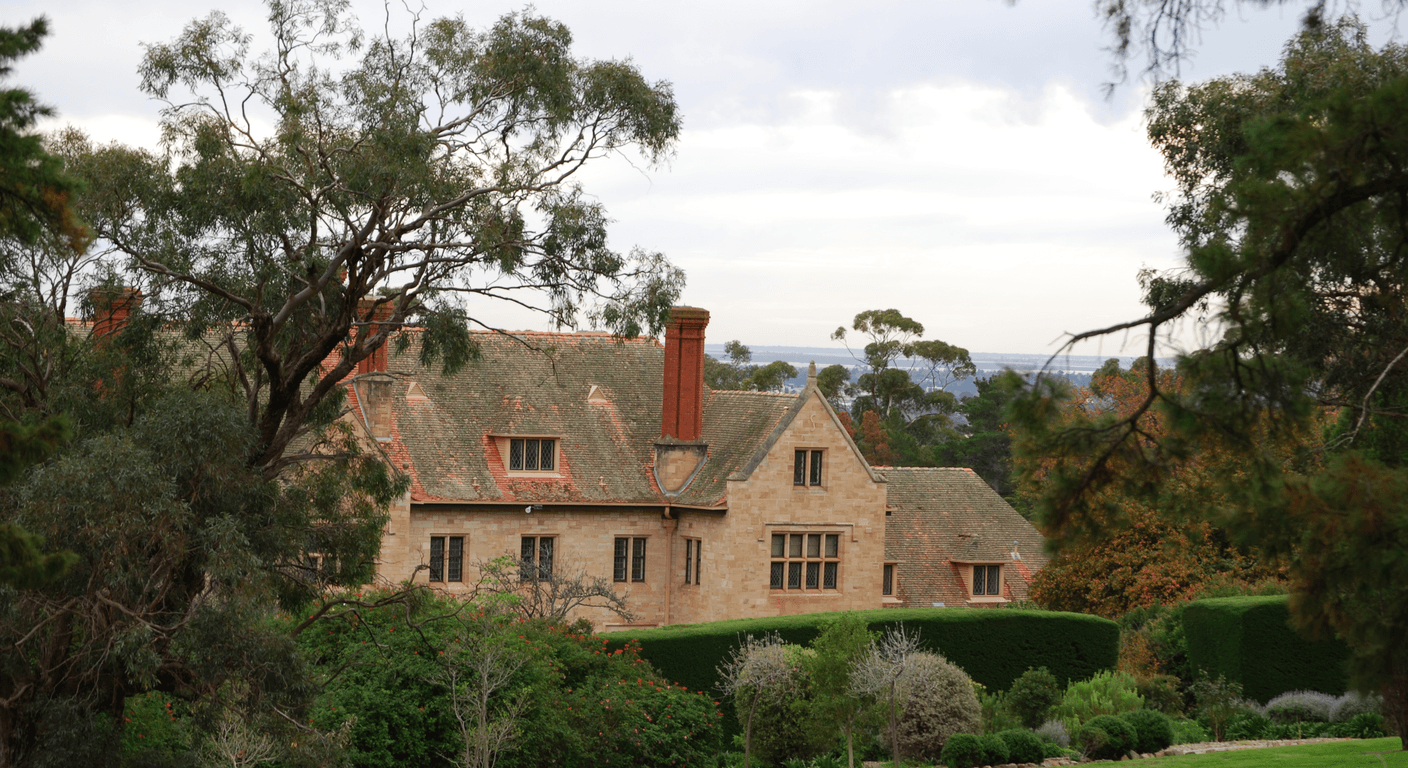
Carrick Hill is a heritage manor house set on around 4 hectares of formal and productive gardens in Springfield, in the eastern foothills of Adelaide. Built between 1938 and 1939 for lawyer Sir Edward and Lady Ursula Hayward, the house was designed by architect Herbert Jory and is notable for incorporating original fittings salvaged from a 17th-century Jacobean manor in England — including carved oak panelling, fireplaces, and stone detailing that give the interior a warmth and authenticity rarely found in Australian homes of that era.
The property is now managed by the National Trust of South Australia and operates as a house museum and garden open to the public. It sits in a residential pocket of the foothills, which means the surrounding streetscape is quiet and low-key — not a tourist precinct. That suits travellers who prefer depth over spectacle. The house tells a story about mid-century Adelaide society, collecting, and the lasting influence of English design traditions on Australian domestic life.
For a group of women travelling together, Carrick Hill offers exactly the kind of place where you can linger without feeling rushed. There is genuine conversation to be had here — about the architecture, the garden philosophy, and the lives of the people who shaped the property — rather than simply ticking off a landmark.
How do you get to Carrick Hill from central Adelaide?
Carrick Hill is located at 46 Springfield Avenue, Springfield, approximately 7 kilometres from the Adelaide CBD. By car, the drive takes around 15 to 20 minutes via Glen Osmond Road, with parking available on site. This is probably the most straightforward option for a group, and the foothills road is pleasant rather than demanding.
By public transport, Adelaide Metro bus services run through the Springfield and Glen Osmond corridor. Check the Adelaide Metro website at adelaidemetro.com.au for the most current route and timetable information, as services and stop locations can change. The walk from the nearest stop to the property is manageable but does include some footpath variation, so it is worth confirming the exact stop before you travel if anyone in your group has mobility considerations.
A rideshare or taxi from the city is also a practical choice, particularly if you are travelling as a small group and can split the cost. Indicative fares to the foothills from the CBD are roughly $20–$30 one way, but confirm with your provider. Given the limited public transport frequency on some days, having a return plan sorted before you arrive is sensible.
What can you see and do at Carrick Hill?
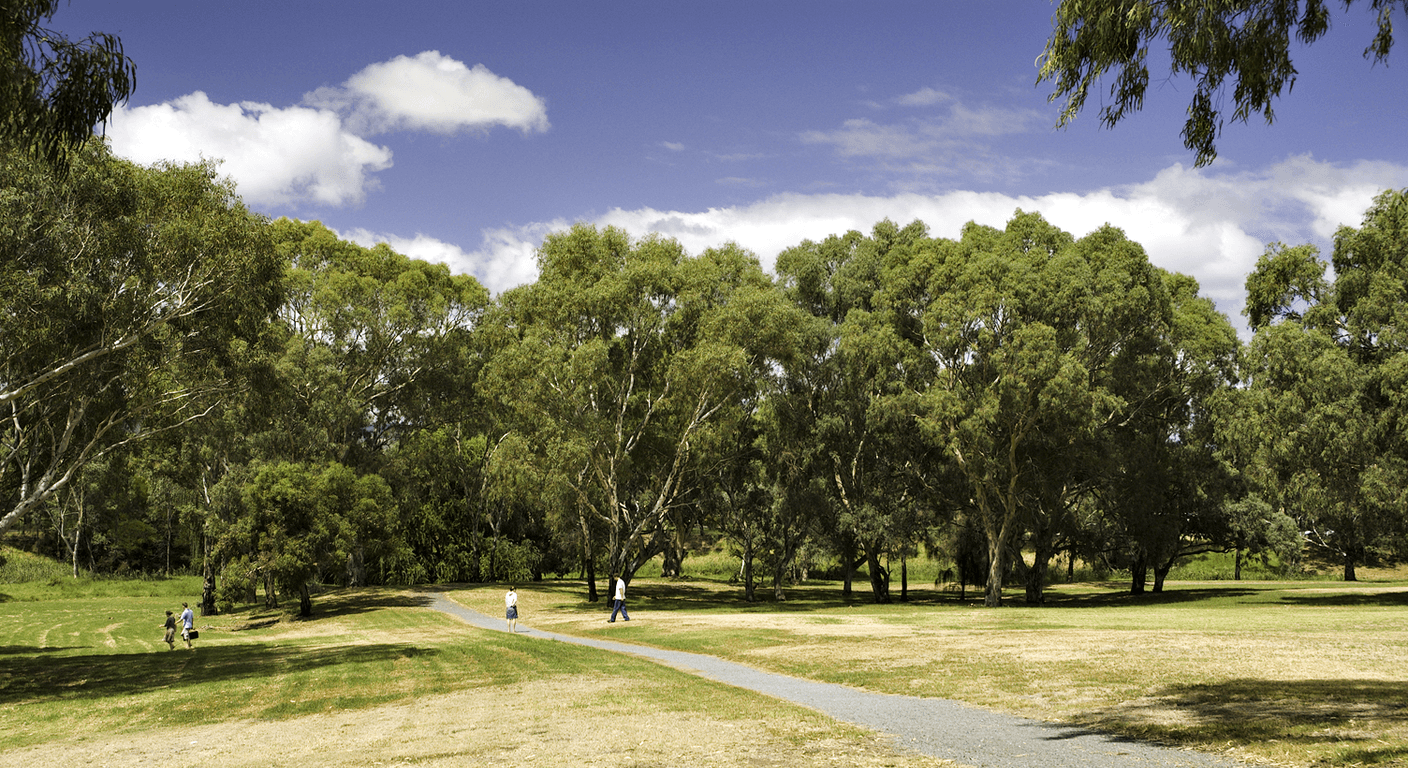
The gardens are the first thing most visitors encounter, and they are free to enter. Designed in a structured English style with hedged rooms, a rose garden, a productive kitchen garden, and orchard areas, they sit on gently sloping ground with views across Adelaide toward the coast on a clear day. The planting is seasonal, so the experience shifts noticeably between visits — autumn colour, spring blossom, and the productive kitchen garden in summer all offer something different.
House tours take visitors through the principal rooms of the manor, where the Jacobean woodwork, original furnishings, and family collections are presented in context. The National Trust guides are knowledgeable and tend to give tours that feel like genuine storytelling rather than a recitation of dates. Tour durations vary, so check with the National Trust SA when you book or confirm your visit. The house is not open every day of the week — closures on some weekdays are common — so confirming opening days before you travel is essential.
The on-site cafe is a genuine draw. It operates within the property and offers a good reason to extend your half-day into a more relaxed morning or afternoon. For a group, it is a natural gathering point before or after the house tour, and the setting — surrounded by the garden — makes it more than a functional stop.
What are the access and mobility considerations?
The garden paths at Carrick Hill are predominantly gravel with some gentle slopes reflecting the natural foothills terrain. This is honest, practical information: gravel paths require a little more attention underfoot than smooth paving, and the slopes, while not steep, are consistent. Comfortable, flat-soled walking shoes are strongly recommended. Most of the garden is navigable at a steady pace, but anyone using a walking frame or who finds uneven surfaces tiring should factor in more time and rest points.
The house itself is a heritage building, which means full wheelchair accessibility throughout is not guaranteed. The National Trust SA is the best contact for specific accessibility questions before your visit — they can advise on which areas are accessible and whether any temporary provisions are in place. It is worth making that call or sending an email ahead of time rather than discovering limitations on the day.
For the group traveller who moves at a comfortable pace and enjoys spending time in a place rather than rushing through it, Carrick Hill is well suited. The site rewards a slow walk. There are benches and seating areas in the garden, and the cafe provides a proper rest point. A half-day allocation is realistic; you could extend to a longer morning with a leisurely lunch if the group prefers.
What does it cost and when should you visit?
Entry to the grounds is free, which makes Carrick Hill an accessible option regardless of budget. House tours are ticketed, with indicative prices in the range of around $15 to $20 for adults and concession rates available — but these figures are indicative only and you should confirm current pricing directly with the National Trust SA at nationaltrust.org.au before your visit, as admission costs can change.
The house does not open every day. Weekday closures are a known pattern, though the specifics can vary by season and event scheduling. The National Trust SA website lists current opening days and hours, and checking this before you plan your trip will save disappointment. Arriving to find the house closed but the gardens open is still a worthwhile visit, but if the interior is your main interest, confirming hours is non-negotiable.
Seasonally, spring and autumn tend to offer the most rewarding garden visits — spring for blossom and new growth, autumn for colour and the productive garden at its end-of-season abundance. Summer can be warm in the foothills, so an early morning start is sensible in the hotter months. Winter visits are quieter and the garden has its own stripped-back character, though check cafe hours as they may be reduced.
How does Carrick Hill fit into a broader Adelaide day trip?
Carrick Hill works well as a morning anchor for a day that extends into the Adelaide Hills or the inner southern suburbs. The foothills location puts you within easy reach of Stirling and Hahndorf to the east, both of which have good lunch options and their own heritage character. Alternatively, heading back toward the city opens up the Unley and Goodwood strips, which have independent cafes, bookshops, and the kind of unhurried shopping that suits a relaxed afternoon.
For travellers coming from interstate — and regional Victorian visitors making an Adelaide trip — Carrick Hill pairs naturally with a visit to the Art Gallery of South Australia or the South Australian Museum in the city, giving the day a cultural thread that moves from domestic heritage in the foothills to the broader public collections in the CBD. The contrast between the intimate, personal scale of Carrick Hill and the grandeur of the city institutions is itself interesting.
If your group is staying in central Adelaide, a morning at Carrick Hill followed by lunch in the suburbs and an afternoon in the city is a well-paced day that does not involve excessive walking or rushing. It is the kind of itinerary that leaves everyone feeling satisfied rather than exhausted — which, for a group of friends travelling together, is exactly the point.
What makes Carrick Hill particularly worth the trip for over-50 travellers?
There is something about Carrick Hill that tends to resonate with travellers who have reached a stage of life where they value quality of experience over volume of sights. The property is not trying to be everything. It is a single, well-considered place with genuine historical layers — the English salvage, the Australian setting, the mid-century social world of Adelaide — and it rewards the kind of attention that comes with travelling slowly and choosing carefully.
For women travelling in a group, the site also has a conversational quality. The rooms prompt questions. The garden invites comparison and memory. The cafe provides the kind of unhurried space where a morning can extend naturally into a longer visit without anyone feeling they should be somewhere else. That is rarer than it sounds in heritage tourism, where the tendency is often to move people through quickly.
Coming from regional Victoria, the trip to Adelaide itself is part of the experience — whether by air, by the Overland train service, or by road. Carrick Hill is the kind of destination that justifies building an Adelaide itinerary around it rather than treating it as a passing stop. It is quiet, honest, and genuinely interesting, which is a combination worth travelling for.
Quick planning guide
| Ideal pace | Slow-paced and unhurried |
|---|---|
| Best months | Spring and autumn; summer mornings to avoid heat |
| Suggested stay | Half-day, extendable to a full morning or afternoon |
| Mobility level | Moderate — gravel garden paths with gentle slopes; heritage house not fully wheelchair accessible |
| Cost level | Budget-friendly (free garden entry; modest house tour fees) |
| Comfort level | Comfortable, with garden seating and an on-site cafe |
| Best for | Over-50 groups who prefer depth and conversation over ticking off sights |
| Main planning consideration | Confirm house opening days, tour times, and current pricing with National Trust SA before visiting |
Key takeaways
- Carrick Hill's grounds are free to enter; house tour fees are modest with concession rates — confirm current prices with National Trust SA before visiting.
- The house does not open every day of the week, so checking current opening hours at nationaltrust.org.au before you travel is essential.
- Garden paths are gravel with gentle foothills slopes — comfortable flat shoes are strongly recommended, and anyone with mobility concerns should contact the National Trust SA about accessibility in advance.
- Allow a half-day minimum: the garden, house tour, and on-site cafe together warrant an unhurried visit rather than a quick stop.
- Spring and autumn offer the most rewarding garden visits; summer mornings are preferable to avoid the heat of the Adelaide foothills.
- Carrick Hill pairs well with the Adelaide Hills to the east or the inner southern suburbs for lunch, making it a natural anchor for a full Adelaide day trip.
Recommended partners and links
Indicative prices only — always confirm with the operator before booking.
Frequently asked questions
Is Carrick Hill free to visit?
Entry to the Carrick Hill gardens is free. The house itself requires a tour ticket, with indicative prices around $15 to $20 for adults and concession rates available. These figures are indicative only — confirm current pricing with the National Trust SA at nationaltrust.org.au before your visit.
Is Carrick Hill open every day?
No. Carrick Hill house is not open every day of the week; closures on some weekdays are common. The gardens may be accessible when the house is closed. Always check current opening days and hours on the National Trust SA website before planning your visit.
How accessible is Carrick Hill for travellers with mobility considerations?
The garden paths are gravel with gentle slopes, which requires more care underfoot than smooth paving. The house is a heritage building and full wheelchair accessibility throughout is not guaranteed. Contact the National Trust SA directly before your visit to ask about specific accessibility provisions.
How long should you allow for a visit to Carrick Hill?
A half-day is a realistic and comfortable allocation. This allows time for the gardens, a house tour, and the on-site cafe without rushing. The site rewards a slow pace, and the cafe is a genuine reason to linger.
How do you get to Carrick Hill from Adelaide city centre?
Carrick Hill is at 46 Springfield Avenue, Springfield, about 7 kilometres from the Adelaide CBD. By car the drive takes roughly 15 to 20 minutes. Adelaide Metro bus services run through the corridor — check adelaidemetro.com.au for current routes and stops. A rideshare or taxi from the city is also straightforward, with indicative fares roughly $20 to $30 one way.