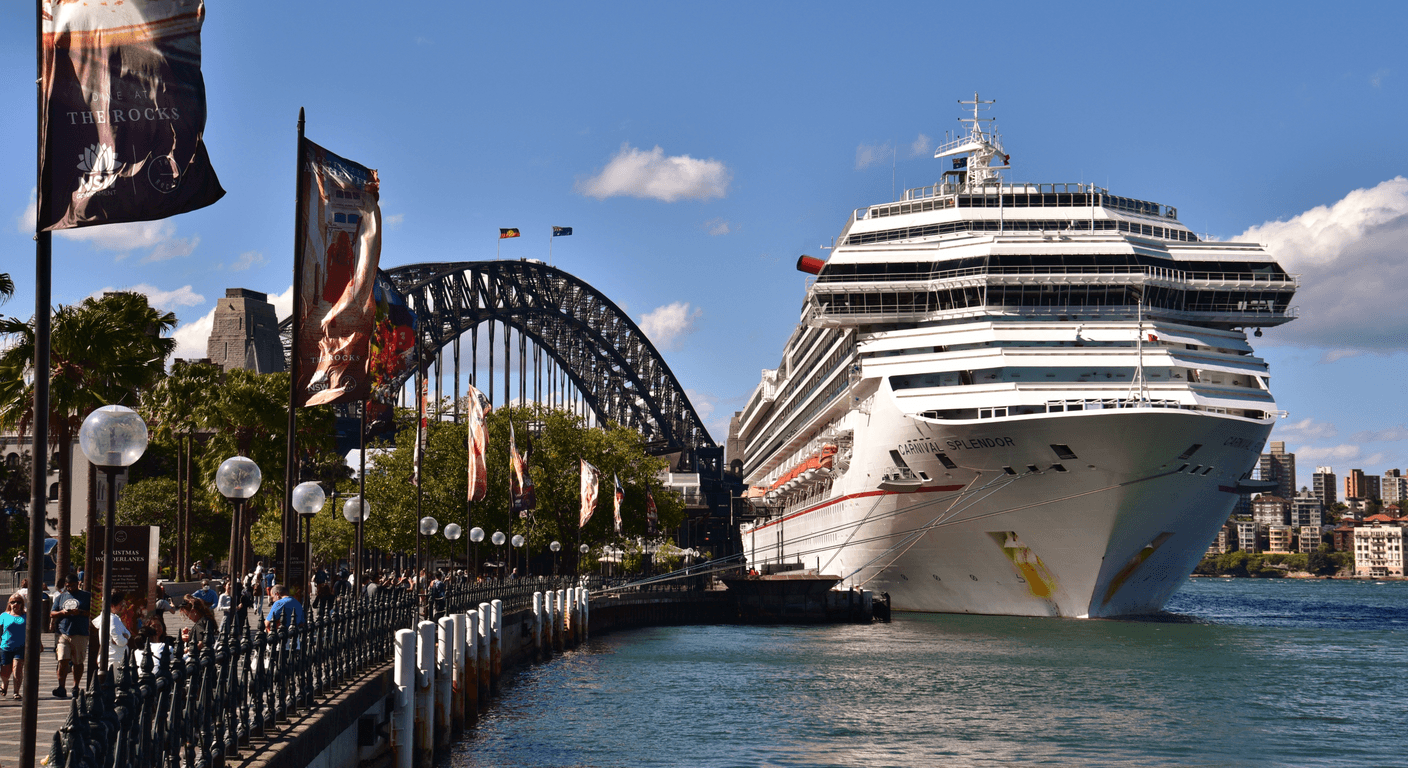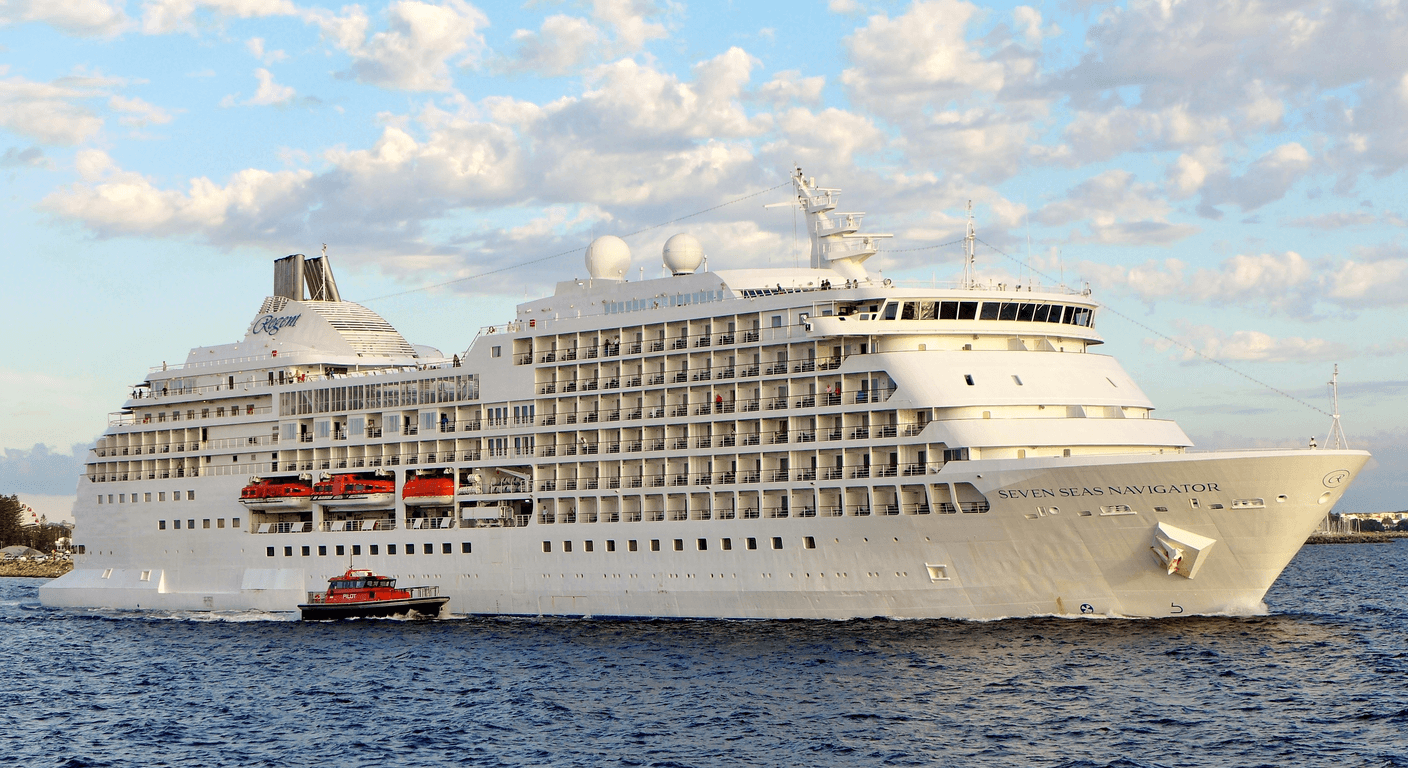
Clean Cruising is an Australian online cruise booking specialist that lets travellers compare fares across multiple cruise lines, often with bundled extras such as onboard credit, drinks packages or gratuities. For over-50s, the key advantage is consolidated comparison rather than visiting each cruise line separately. Mobility rating: Easy to navigate online. Accessible from any Australian city by phone or web. Best used alongside direct cruise-line checks to confirm the best net price before committing.
What exactly is Clean Cruising, and how does it work?
Clean Cruising is an Australian-owned online cruise retailer headquartered in Queensland. It's not a cruise line — it doesn't own ships. Instead, it holds booking agreements with a wide range of cruise lines, from the mainstream giants (Royal Caribbean, Norwegian, MSC, P&O, Carnival) through to the premium and luxury tier (Celebrity, Holland America, Silversea, Regent, Seabourn, Ponant). The idea is straightforward: rather than visiting eight separate websites with eight separate loyalty sign-ins and eight separate pricing structures, you search one platform and compare what's available across the fleet.
The mechanics are fairly standard for an online travel retailer. You search by destination, departure port, cruise length or cruise line, select a cabin category, and receive a price. What distinguishes Clean Cruising from a bare-bones booking engine is the extras it frequently bundles — onboard credit, pre-paid gratuities, drinks packages, specialty dining credits or shore excursion allowances. These bundles are negotiated between the retailer and the cruise lines and change constantly, so the bundle on offer when you browse on a Tuesday may not be the same one available on Friday. Always screenshot what you see and confirm it's still active before paying a deposit.
The platform has a phone team based in Australia, which matters more than it sounds. Cruise bookings for over-50 travellers frequently involve questions that a checkout form cannot answer: whether a specific cabin is close to the lift, whether the ship has step-free tender-port access, whether a connecting cabin is available for a family travelling together. A local phone team in your time zone, speaking Australian English, is genuinely useful. That said, wait times during peak booking periods can stretch; calling mid-morning on a weekday is generally more productive than a Monday rush.
Is booking through Clean Cruising actually cheaper than booking direct?
This is the question that deserves a straight answer rather than a promotional one. Sometimes yes, sometimes no, and sometimes it's the same price with different extras attached. Cruise lines operate under a retail pricing structure that typically means a third-party retailer cannot legally undercut the line's own published fare — what varies is what gets bundled in. If Clean Cruising is offering $300 onboard credit and the cruise line's own site is offering a drinks package for the same cabin, you need to calculate which extra is worth more to you personally. A couple who drink little will value the onboard credit far more than a drinks package.
The clearest wins for Clean Cruising tend to come during its own sale events, when negotiated bundle values stack in ways the cruise line's direct site doesn't match, and on sailings where the line's own promotions have lapsed. The clearest wins for booking direct come when you're enrolled in a cruise line's loyalty programme and the direct booking earns you tier points, or when the line is running a limited-time promotion — a free cabin upgrade, a reduced deposit — that isn't available through third-party retailers. Check both. It takes an extra twenty minutes and it can save hundreds of dollars.
One genuine advantage of booking through an aggregator is price-drop protection. Some retailers, including Clean Cruising, have policies around re-pricing if the fare drops after you book — but the terms vary, apply only within certain windows, and may not cover all cabin categories. Read the policy carefully before treating it as a safety net. And yes, confirm current terms on cleancruising.com.au rather than relying on anything written here, because these policies do change.
Cabin selection: what the booking platform won't tell you (but you should ask)
The cabin grid on any booking platform is a blunt instrument. It'll tell you the deck, the category and the price. It won't tell you that the cabin directly below the pool deck will have sun-lounger scraping sounds at six in the morning, that the aft cabins on that particular ship vibrate noticeably at cruising speed, or that the forward-facing balcony cabins on deck seven have a partially obstructed view from a lifeboat davit. These are the things that experienced cruisers know and first-timers discover on day two.
For over-50 travellers prioritising comfort and sleep quality, a few principles hold across most ships. Midship cabins on middle decks tend to feel the least motion in rough seas — relevant for anyone prone to seasickness or simply wanting uninterrupted sleep. Cabins close to the lifts are convenient if walking long corridors is tiring, but they also attract corridor noise and the mechanical hum of lift machinery at night. Ask the Clean Cruising phone team specifically which cabins they'd recommend for quietness on the ship you're considering — a good consultant will have this knowledge or will find out.
Balcony versus interior is a genuinely meaningful choice for over-50 travellers, not just a budget call. A balcony gives you a private outdoor space that matters enormously on sea days and on river-style itineraries where the scenery is the point — ask for a port-side cabin if you want the riverbank as you pull out of a port rather than open water. Interior cabins, meanwhile, are genuinely dark and quiet, which some travellers find makes for the best sleep they've had in years. If you're someone who rises with the light, an interior cabin at sea will feel like a sensory deprivation tank by day four. Know yourself.
Bundled extras decoded: what's worth having and what's padding
Onboard credit (OBC) is the most flexible extra and generally the most useful. It's a credit applied to your onboard account that can be used for almost anything charged to the cabin — specialty dining, spa treatments, shore excursions booked through the ship, drinks, Wi-Fi. The catch is that unused OBC typically doesn't convert to cash at the end of the cruise (some lines refund it, most don't — confirm the line's policy). If the bundle includes $400 OBC and you're the kind of traveller who books all shore excursions independently and brings your own wine aboard, that $400 may evaporate on things you'd have bought anyway, or not at all.
Pre-paid gratuities are increasingly valuable as cruise lines move to automatic daily gratuity charges, which on American-flagged ships can run to USD $18–22 per person per day. On a 14-night sailing for two, that's a meaningful sum. If the bundle includes pre-paid gratuities, calculate the total and factor it against the cabin price differential. Drinks packages are trickier — they're profitable for the cruise line for a reason. A couple who share a bottle of wine at dinner and have a coffee each in the morning will rarely drink enough to break even on an all-inclusive drinks package. A couple who enjoy cocktails before dinner, wine with the meal and nightcaps will likely come out ahead.
Specialty dining credits and Wi-Fi packages are the two extras most often oversold in bundles. Specialty dining on modern ships is genuinely good — the main dining room is not the only option it once was — but a credit for one specialty dinner on a 10-night cruise is a modest extra, not a transformative one. Wi-Fi packages have improved markedly on newer ships using satellite technology, but speeds remain variable at sea and the packages are often sold in tiers. If staying connected is important to you, confirm the ship's Wi-Fi technology (Starlink connectivity is now available on some lines) and whether the bundle covers the tier you'd actually use.
The solo traveller reality: single supplements and what Clean Cruising offers
Solo over-50 travellers face the cruise industry's most persistent and least justifiable pricing structure: the single supplement. Most cruise lines price cabins on double occupancy and charge solo travellers a supplement of between 50 and 100 percent of the per-person fare to occupy the same cabin alone. On a balcony cabin priced at $4,000 per person, a solo traveller may pay $6,000–$8,000 for the same space. This is not a Clean Cruising policy — it's a cruise-line policy that any booking channel will apply — but it's worth naming plainly because it catches a lot of solo travellers by surprise.
The partial remedies are worth knowing. Some cruise lines offer designated solo cabins — Norwegian Cruise Line pioneered this with its Studio cabins, which are purpose-built single-occupancy spaces with access to a dedicated social lounge. These are priced at or near the per-person double rate, making them genuinely fair. Other lines offer periodic solo supplements as low as 10–25 percent on specific sailings, usually to fill inventory. P&O Australia has run solo promotions worth watching. Check the Clean Cruising website's solo cruising section and ask the phone team specifically which sailings currently have reduced or waived single supplements — this changes frequently and is not always prominently advertised.
Share-match programmes, where the cruise line pairs two solo travellers of the same gender in a twin cabin, are less common than they once were but do still exist on some lines. Azamara and some river cruise operators offer this. It's a meaningful cost saving if you're comfortable with the arrangement and the line manages the matching responsibly. Ask specifically — don't assume it's available. And for solo travellers using a Victorian Seniors Card, it's worth checking whether any bundled extras or partner discounts apply through affiliated travel clubs, even if the card itself doesn't directly discount cruise fares.
What does a day of cruise-ship life actually look like for an over-50 traveller?
This is the information most booking platforms don't provide, and it's the information that determines whether you enjoy the cruise or endure it. A typical sea day on a mainstream cruise ship runs roughly like this: breakfast is available from around 7:00 in the main dining room (table service, slower) or from 6:30 in the buffet (faster, louder, more crowded). If you prefer a proper sit-down breakfast without the scrum, the main dining room at 7:30 is usually quieter than the 9:00 peak rush. By 9:00 the pool deck is already claimed — sun-lounger culture is real, and it starts early.
Morning programming on sea days typically includes trivia from around 10:00, enrichment lectures (the quality varies enormously by ship and itinerary — expedition-style cruises tend to attract better speakers), cooking demonstrations and low-impact fitness classes. Lunch runs from roughly 12:00 to 1:30. The afternoon is genuinely unstructured — the ship is not a tour bus, and no one will collect you for the next event. This is either the great appeal of cruising or its great trap, depending on your temperament. For over-50 travellers who've spent decades in structured working lives, the permission to do nothing on a sea-day afternoon is one of the genuine pleasures. For those who need stimulation, a sea day with no port stop can feel long by 3:00.
Port days run differently. The ship typically docks or anchors between 7:00 and 9:00. If you've booked a ship-organised shore excursion, you'll be assigned a departure group and called by number — buses tend to leave between 8:30 and 9:30. The advantage is that the ship waits for its own excursions if the bus is delayed; it will not wait for independent travellers caught in traffic. The disadvantage is that ship excursions are almost always more expensive than equivalent independent options, and the group size is often 40-plus. Independent travellers who miss the ship's departure time are responsible for their own transport to the next port — this is a meaningful risk in some itineraries and a minor one in others. Ask the Clean Cruising team specifically about tender ports on any itinerary you're considering: tendering (transferring from ship to shore by small boat) requires stepping across a gap onto a moving vessel, which can be genuinely difficult for travellers with balance issues or limited mobility. Some ships have step-free tender access; many don't.
Travel insurance, pre-existing conditions and what to sort before you book
Travel insurance for cruise travel deserves its own section because it's materially different from standard travel insurance and the stakes are higher. Cruise lines operate under maritime law, not Australian consumer law, and if you have a medical event at sea you may be treated in the ship's medical centre (at significant cost, charged to your cabin account) and potentially evacuated to a port-side hospital. Medical evacuation from a ship at sea is extraordinarily expensive without insurance coverage.
For over-50 Australians with pre-existing conditions — and statistically, that's most of the over-60 cohort — finding adequate cruise travel insurance requires more than buying the first policy that appears in a Google search. You need a policy that explicitly covers your pre-existing conditions, covers cruise-specific scenarios (missed port, itinerary change, cabin confinement due to illness, ship-based medical treatment), and has a medical coverage limit high enough for the region you're sailing. The Australian Government's Moneysmart website and comparison sites like Canstar list policies, but read the product disclosure statement rather than just the headline coverage figure. Some policies exclude conditions diagnosed within the past 12 months; others require a medical certificate. Start this process early — ideally before paying a cruise deposit, because some insurers require the policy to be purchased within a set number of days of the initial booking to cover cancellation.
The Smartraveller website at smartraveller.gov.au carries destination-specific advice for every country your itinerary visits, including current health advisories and entry requirements. Register your trip on Smartraveller before departure. It's free, it takes five minutes, and it means the Australian Government knows you're in the region if something goes wrong. For international sailings, also confirm visa requirements for every port of call — not just the embarkation port. Some itineraries pass through ports that require a visa even for a day visit, and these requirements change. Clean Cruising's team can advise generally, but confirm visa rules with the official embassy or consulate of each country, not solely with a booking agent.
Quick planning guide
| Ideal pace | Self-directed — browse at your own speed, call their team for complex itineraries |
|---|---|
| Best months | Book 9–18 months ahead for peak-season sailings; shoulder seasons often yield better value |
| Suggested stay | N/A — this is a booking platform, not a destination |
| Mobility level | Easy (online and phone booking; accessibility of the cruise itself depends on the ship and itinerary chosen) |
| Cost level | Varies by cruise line and cabin grade — indicative balcony cabins from around $3,000 per person for a 7-night sailing; confirm current fares on cleancruising.com.au |
| Comfort level | High — bundled extras and single point of contact reduce booking friction |
| Best for | Couples and solo travellers over 50 comparing multiple cruise lines without starting from scratch on each line's website |
| Main planning consideration | Always compare the Clean Cruising bundle price against the cruise line's own current promotion before paying a deposit; the better deal shifts depending on the sailing date and cabin category |
Key takeaways
- Clean Cruising is an Australian cruise aggregator, not a cruise line — it compares fares across multiple lines and often bundles extras that the lines charge separately.
- Always compare the Clean Cruising bundle price against the cruise line's own current promotion before paying a deposit; the better deal shifts constantly.
- Single supplements on most cruise lines run 50–100 percent of the per-person fare for solo travellers — ask specifically which sailings currently offer reduced supplements or solo cabins.
- Onboard credit is the most flexible bundle extra; drinks packages are only worth having if you drink enough to break even — calculate this honestly before choosing.
- For over-50 travellers, the cabin's position on the ship (midship, mid-deck, proximity to lifts, tender-port access) matters more than the category name alone.
- Cruise-specific travel insurance covering pre-existing conditions and medical evacuation is essential — sort this before, not after, paying a deposit.
Recommended partners and links
Indicative prices only — always confirm with the operator before booking.
Frequently asked questions
Is Clean Cruising a legitimate Australian company?
Yes. Clean Cruising is an Australian-owned online cruise retailer with a phone-based customer team operating in Australia. It holds booking agreements with major international and domestic cruise lines and has been operating in the Australian market for a number of years. Confirm current accreditation and terms directly at cleancruising.com.au.
Does booking through Clean Cruising cost more than booking direct with the cruise line?
Not necessarily. Cruise lines typically set a minimum retail price that third-party retailers must honour, so the base fare is usually the same. The difference lies in bundled extras — onboard credit, gratuities, drinks packages — which can make the Clean Cruising price better value on some sailings and the direct price better value on others. Always check both before committing.
Does Clean Cruising charge a single supplement for solo travellers?
The single supplement is a cruise-line policy, not a Clean Cruising policy, so it applies regardless of where you book. Most cruise lines charge solo travellers 50–100 percent above the per-person double-occupancy fare. Ask the Clean Cruising team specifically which sailings currently have reduced or waived single supplements, as these change regularly and aren't always prominently listed.
Can Clean Cruising help choose the right cabin for someone with limited mobility?
The phone team can advise on accessible cabin categories, proximity to lifts, and ship layout for specific vessels. However, for detailed accessibility information — step-free tender access, bathroom grab-rail configurations, wheelchair-accessible shore excursions — it's worth also contacting the cruise line directly, as cabin-level accessibility details are held at the line level. Always confirm before paying a deposit.
What travel insurance do I need for a cruise booked through Clean Cruising?
You need a dedicated cruise travel insurance policy that covers pre-existing medical conditions, ship-based medical treatment, medical evacuation, missed ports and itinerary changes. Standard domestic or basic international policies often exclude these. Compare policies through an Australian comparison site and read the product disclosure statement carefully. Purchase the policy as early as possible after booking, as some cancellation covers have time-limited windows from the initial deposit date.