Cleland Wildlife Park, in the Mount Lofty Ranges about 20 to 25 minutes' drive from Adelaide, is best visited in the morning when animals are most active and the air is cooler. A half-day of two to three hours suits most visitors, built around free-range kangaroo encounters and a bookable koala close-up experience. Paths are unsealed but gentle, with seating throughout, making the park manageable for most over-50 travellers, though grip-soled shoes help on uneven ground. Public transport is impractical, so driving is the sensible way in.
What makes Cleland Wildlife Park worth the drive?
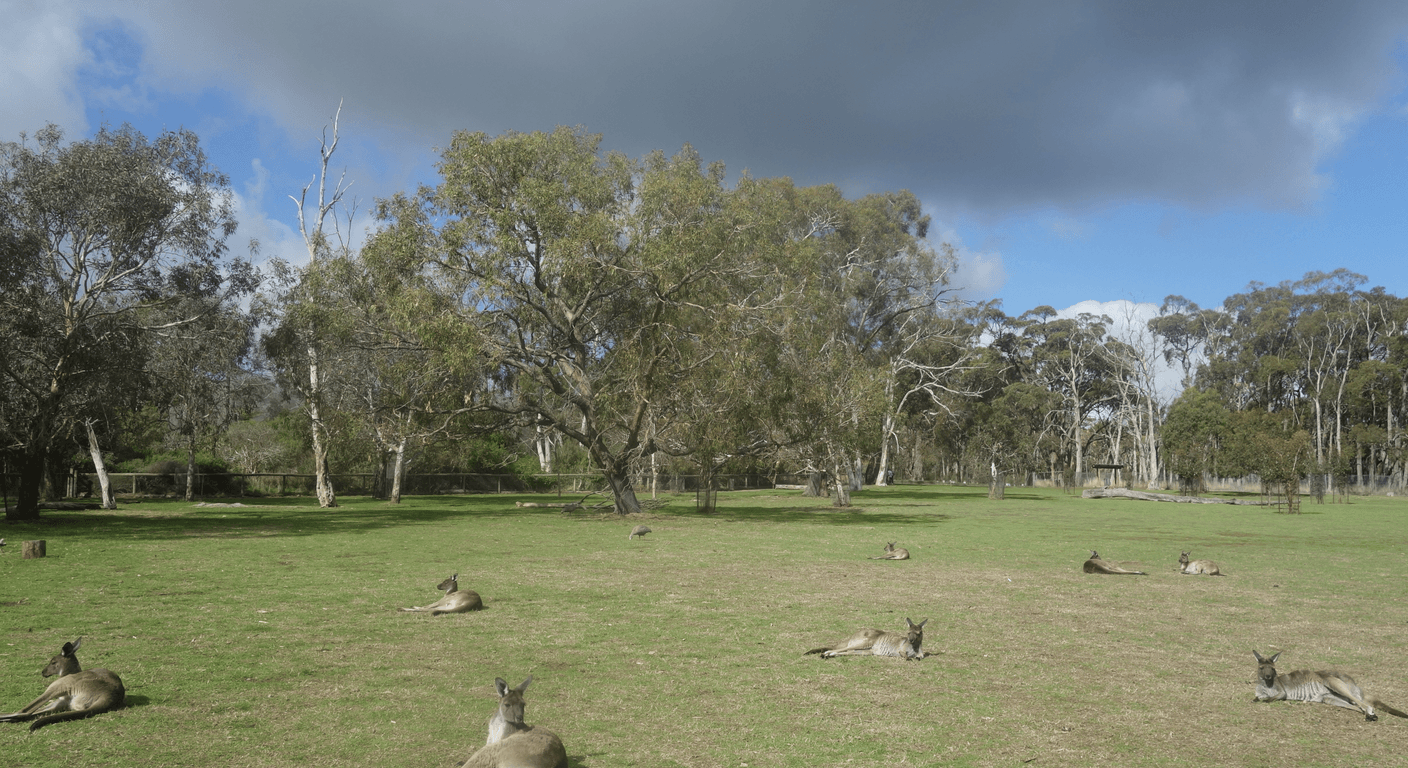
There's a meaningful difference between watching animals through glass and having a grey kangaroo sniff your hand while you pour grain from a little paper bag. Cleland delivers the latter. The park operates as a free-range environment — kangaroos and wallabies wander the grounds at their own pace, which means encounters feel unscripted rather than staged. Some mornings a mob will be lounging near the main path before you've even reached the first turn.
The setting helps. Cleland sits within Cleland Conservation Park in the Mount Lofty Ranges, surrounded by native bush, and the air up here is noticeably cooler and cleaner than the Adelaide plains on a warm day. For a group of friends who've made the journey from regional Victoria or interstate, it's the kind of place that generates its own conversation — someone spots a wombat, someone else is photographing a tawny frogmouth, and before long an hour has passed pleasantly.
The koala close-up experience is the headline extra. Numbers per session are capped, and you'll stand beside a koala held by a keeper for a photograph — you don't hold the koala yourself, in line with South Australian animal welfare guidelines, but the proximity is genuinely close. Book this ahead of your visit; it sells out on weekends and school holidays.
Getting there: driving is the sensible choice
Cleland Wildlife Park is located on Mount Lofty Summit Road, roughly 20 to 25 minutes by car from central Adelaide via the South Eastern Freeway and Crafers. The drive itself is pleasant — the road curves up through the Hills, and the change in landscape from suburban Adelaide to eucalypt bushland happens quickly. Parking at the park is available and free.
Public transport is technically possible but genuinely awkward. Adelaide Metro bus services run to the Hills area, but the connection to the park involves walking on roads without footpaths — not ideal, and not recommended unless you're confident and the conditions are right. Check the Adelaide Metro website for current timetables if you want to explore the option, but for a group of friends sharing a hire car or travelling from a Hills accommodation, driving is simply the better call.
If you're flying in from Victoria, Adelaide Airport is well-serviced from Melbourne. Car hire from the airport is straightforward; alternatively, rideshare services operate in Adelaide and can get you to the Hills, though the return fare from a fairly remote park mid-afternoon is worth factoring into your planning. A hire car for the day gives you the freedom to extend into the broader Hills wine and food trail — Hahndorf is only a few kilometres further along the ridge.
Paths, pacing and what to expect on your feet
The paths at Cleland are unsealed — compacted gravel and natural surfaces — which is worth knowing before you pack your shoes. They're generally gentle in gradient and well-maintained, but uneven surfaces can be tiring over a few hours for anyone with knee or hip concerns. Good walking shoes with grip make a real difference. Flat sandals or thongs are a risk.
Seating is distributed throughout the park, which is a thoughtful detail. There's no pressure to keep moving; sitting quietly near a feeding area often produces better animal encounters than walking past. The park isn't enormous — a full circuit at a comfortable pace takes around two to three hours, but there's no obligation to cover every section. Many visitors find a favourite spot and simply let the animals come to them.
Shade is available in most areas, though the open meadow sections can be exposed in summer. On warm days, plan to arrive when the park opens in the morning, when animals are active and the temperature is manageable. A hat, sunscreen and water are non-negotiable in the Adelaide Hills from November through March.
Costs, concessions and what to book ahead
Entry to Cleland Wildlife Park is ticketed, with concession rates available — broadly around $20 to $25 for concession holders, and around $30 to $35 for full adult entry at the time of writing, though these are indicative figures and prices should be confirmed directly with the park before your visit. The koala close-up experience carries an additional fee on top of entry; again, confirm the current rate when booking.
The koala session is the one thing worth organising before you arrive rather than on the day. Weekend sessions in particular fill early, and if the close-up with the koala is the reason you've made the trip, securing your spot online removes any anxiety on the morning. The park's official website is the place to check availability and book.
A café operates on site for light meals and coffee, and there are picnic facilities if you'd prefer to bring your own lunch. Combining a morning at Cleland with a late lunch in Hahndorf — about 15 minutes by car — makes for a well-rounded day without overloading the schedule.
What else is in the Adelaide Hills on the same day?
The Adelaide Hills region rewards a leisurely approach, and Cleland pairs naturally with a few other stops without turning the day into a forced march. Hahndorf, the oldest surviving German settlement in Australia, is a short drive away and offers a genuinely good main street for browsing, coffee and lunch. The Hahndorf Inn and several local galleries make it easy to extend the afternoon.
For those with a particular interest in the landscape, the Mount Lofty Summit lookout is close to Cleland and accessible by car — the views across the Adelaide Plains are worth a few minutes, particularly on a clear morning. The Summit Café operates there as well. If the group has a wine inclination, the Piccadilly Valley and Lenswood areas of the Hills produce cool-climate drops worth investigating, with several cellar doors open through the week.
The Hills also have strong walking trail networks for those who want more activity, including sections of the Heysen Trail. That said, Cleland itself provides more than enough for a half-day, and there's genuine pleasure in not cramming too much into a single outing.
Practical tips for a comfortable visit
Arrive at opening time — animals are most active in the morning, the car park is quieter, and you'll have the paths largely to yourself before school groups arrive mid-morning on weekdays. The kangaroo feeding stations provide grain bags for purchase; having one per person makes the experience more interactive, and the kangaroos are well-accustomed to visitors.
Wear layers in spring and autumn — the Hills sit at elevation and can be several degrees cooler than Adelaide. In summer, a light long-sleeved shirt offers sun protection without being stifling. The café is a reasonable option for morning tea, but quality varies; if you're particular about your coffee, a flat white in Hahndorf on the way home is a reliable fallback.
Travel insurance is worth reviewing before any interstate trip, particularly for travellers managing pre-existing health conditions. Standard policies vary significantly in what they cover, so reading the product disclosure statement carefully is time well spent. South Australia's emergency services are excellent, but the Hills are a rural setting — knowing you're covered is simply sensible.
Is Cleland the right choice for your group?
Cleland works particularly well for mixed groups where not everyone shares the same physical pace. The free-range format means you're never locked into a guided schedule — those who want to linger can linger, and those who want to keep moving can do so. It's genuinely accommodating of different energy levels, which matters when you're travelling with friends who might be at different fitness points.
Solo women travellers and small groups of friends will find the park safe, well-staffed and easy to navigate. It's not a vast wilderness experience — the park is contained and managed — but that's precisely what makes it comfortable. You're there for the animals, the fresh air and the company, not to test your endurance.
For a group based in regional Victoria, Adelaide is a solid interstate destination in its own right, and Cleland adds a distinctive half-day that feels meaningfully different from the usual city itinerary. It's the sort of morning that people tend to mention months later — the kangaroo that wouldn't leave, the koala who yawned at exactly the wrong moment for the photograph.
Quick planning guide
| Ideal pace | Slow and unhurried, with no fixed route |
|---|---|
| Best months | Year-round with morning visits preferred; extra sun precautions needed November to March |
| Suggested stay | Half-day, around two to three hours |
| Mobility level | Moderate - unsealed but gentle gravel paths, seating distributed throughout |
| Cost level | Budget-friendly, with concession entry available |
| Comfort level | Comfortable, with shade in most areas and an on-site café |
| Best for | Mixed-ability groups, friends and couples wanting a relaxed wildlife morning |
| Main planning consideration | Book the koala close-up session ahead and drive, since public transport access is impractical |
Key takeaways
- Cleland Wildlife Park offers free-range kangaroo and wallaby encounters plus a bookable koala close-up experience, with concession entry available — confirm current rates before visiting.
- Unsealed but gentle paths with seating throughout make the park accessible for most over-50 travellers, though good walking shoes with grip are essential.
- Driving from Adelaide takes around 20 to 25 minutes; public transport to the park is impractical and not recommended.
- Book the koala close-up session in advance — it has limited capacity and fills quickly on weekends and during school holidays.
- Morning visits are best: animals are more active, temperatures are lower, and the park is quieter before school groups arrive.
- Cleland pairs naturally with Hahndorf for lunch, making a complete and unhurried day in the Adelaide Hills without overloading the itinerary.
Recommended partners and links
Indicative prices only — always confirm with the operator before booking.
Frequently asked questions
Is Cleland Wildlife Park suitable for seniors or travellers with mobility concerns?
Cleland Wildlife Park is rated Moderate for mobility. Paths are unsealed and natural underfoot, with gentle gradients through most of the park and seating available throughout. Good walking shoes with grip are recommended. Travellers with significant knee, hip or balance concerns should check with the park directly about the most accessible routes before visiting.
Can you hold a koala at Cleland Wildlife Park?
No — South Australian animal welfare regulations do not permit visitors to hold koalas. The koala close-up experience at Cleland allows you to stand beside a koala held by a keeper for a photograph. The experience is bookable for an additional fee on top of park entry; confirm availability and current pricing on the park's official website.
How do you get to Cleland Wildlife Park without a car?
Getting to Cleland Wildlife Park without a car is difficult. Adelaide Metro bus services run to the Hills area, but the final stretch to the park involves road walking without footpaths, which is not practical for most visitors. Rideshare services from Adelaide are an option but may be unreliable for the return journey. Driving — whether a hire car or a friend's vehicle — is strongly recommended. Check adelaidemetro.com.au for current timetable information.
What is the best time of year to visit Cleland Wildlife Park?
September to May is generally the most comfortable window for visiting Cleland. The Adelaide Hills can be very hot in January and February, and heat affects both visitor comfort and animal activity. Spring (September to November) and autumn (March to May) offer mild temperatures and active wildlife. Arrive at opening time for the best animal encounters regardless of season.
Is there a seniors or concession discount at Cleland Wildlife Park?
Yes, Cleland Wildlife Park offers concession entry pricing. Indicative concession rates are around $20 to $25, with full adult entry around $30 to $35 at the time of writing — but these figures should be confirmed directly with the park before your visit, as prices are subject to change. The koala close-up experience carries an additional fee above entry.