The Cobdogla Irrigation and Steam Museum, near Barmera in South Australia's Riverland, houses the world's last working Humphrey pump, a gas-powered irrigation engine installed in 1927. Visit on a scheduled steam-up open day, ideally between April and October to avoid summer heat, and allow half a day, extending it with a walk through the nearby Loveday internment camp site. The flat gravel-and-concrete grounds are easy underfoot, though reaching Cobdogla requires a private vehicle, as no public transport serves the town.
Why Cobdogla deserves a place on the Riverland itinerary
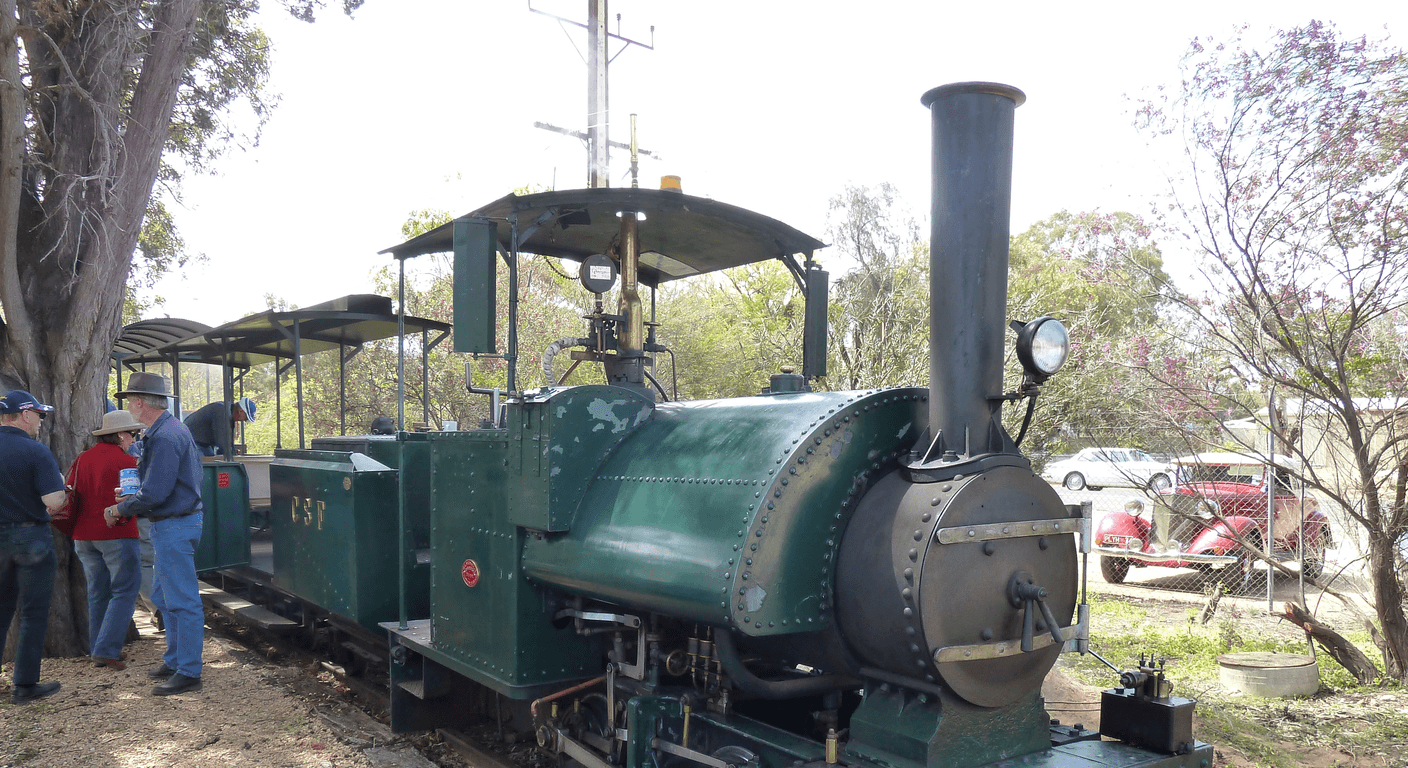
The Riverland is not short of things to do — river cruises, wineries, wetlands. But Cobdogla, a quiet town of a few hundred people east of Barmera, offers something harder to find: a piece of working industrial history that exists nowhere else in the world. The Cobdogla Irrigation and Steam Museum houses the only operational Humphrey pump remaining on the planet, and on steam-up open days, it runs. That alone is worth the detour.
For travellers who have spent years watching heritage sites display machinery behind glass with a laminated card, there is something satisfying about a place where the thing actually works. The museum is volunteer-run and feels it — in the best sense. The people who maintain and operate the Humphrey pump do so with the quiet pride of those who understand exactly what they're preserving.
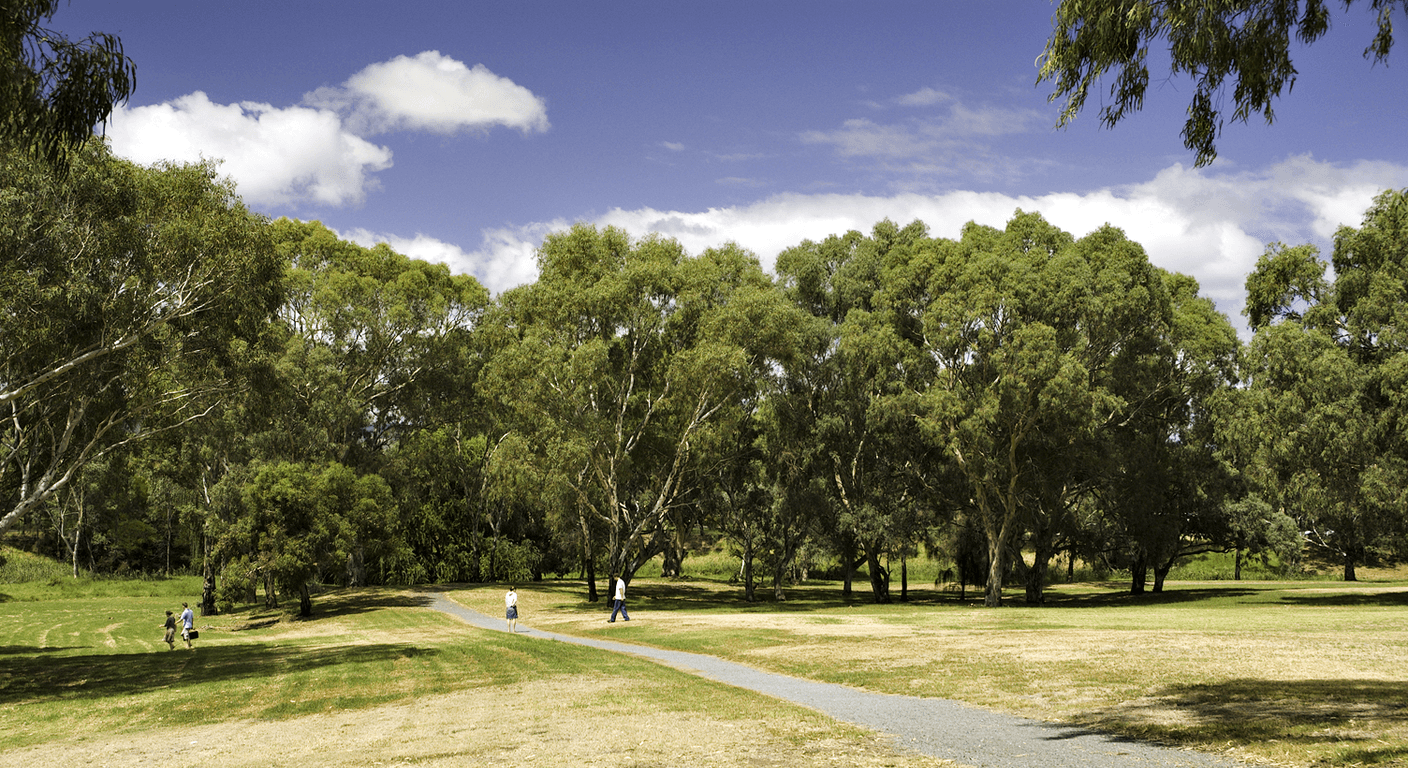
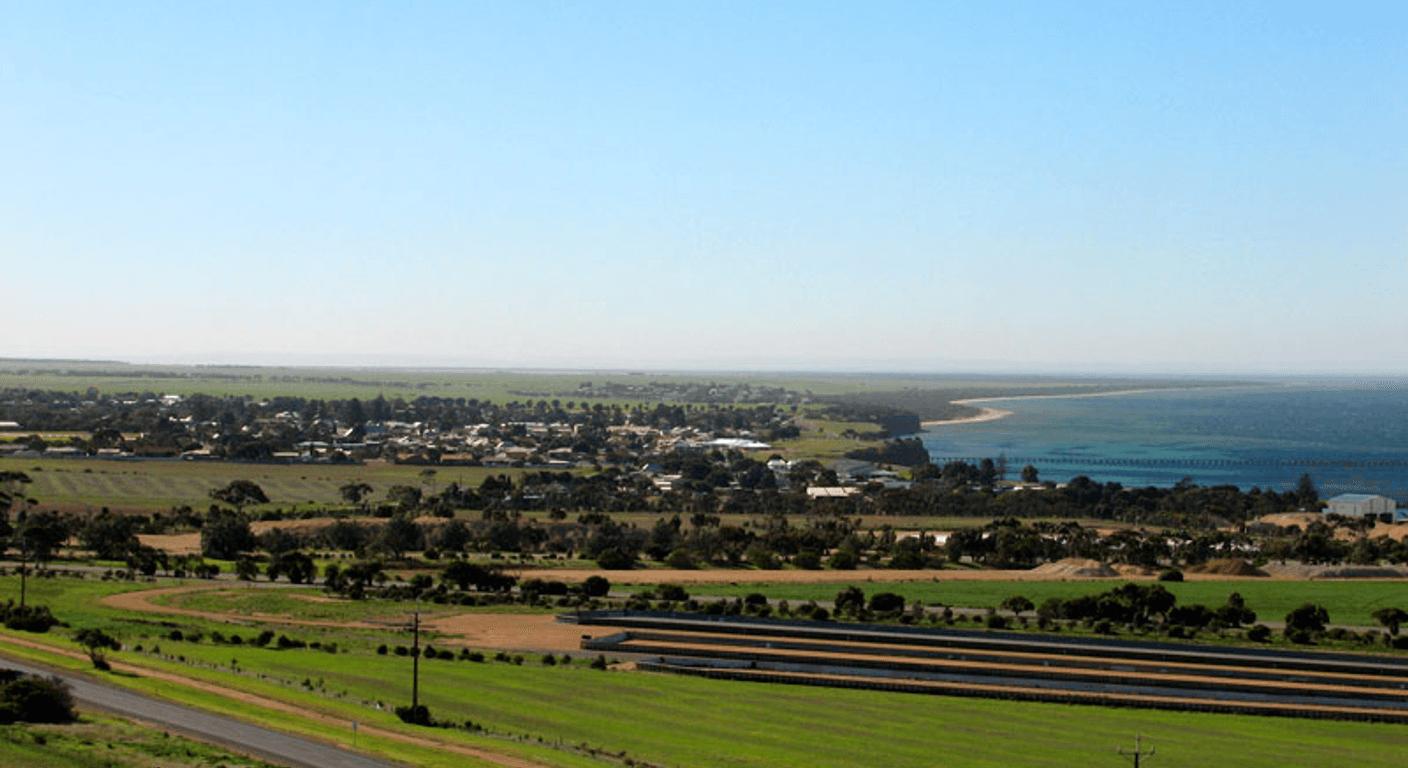
The surrounding Riverland landscape adds context. This flat, sun-bleached country was transformed by irrigation schemes in the early twentieth century, and the Humphrey pump was central to that transformation. Coming here isn't just about engineering; it's about understanding why this part of South Australia looks the way it does.
What is the Humphrey pump, and why does it matter?
The Humphrey pump is a type of internal combustion pump — gas-driven, with no pistons — invented by Herbert Alfred Humphrey in the early 1900s. It works by exploding gas inside a large combustion chamber, pushing water directly without conventional moving parts. The design was elegant, efficient for its era, and used extensively in irrigation systems across Australia and Britain. Most have long since been decommissioned and scrapped.
Cobdogla's pump was installed in 1927 to lift Murray River water into the irrigation channels that fed surrounding orchards and farms. It operated for decades before being retired and eventually preserved. What makes the Cobdogla example extraordinary is that it remains in full working order. On open days, visitors can watch the full ignition and pumping cycle — a deep, rhythmic thump that you feel as much as hear.
For travellers with an engineering background, or simply a curiosity about how things work, the pump is genuinely arresting. The museum's volunteers are knowledgeable and generous with explanation. Don't hesitate to ask questions — they've heard most of them, and they enjoy the ones they haven't.
Planning your visit: open days, timing, and what to expect on arrival
This is a volunteer-run museum, which means open days are not daily. Steam-up events are typically held on selected weekends throughout the year, with higher frequency in the cooler months. Before making the trip — particularly if travelling from Adelaide or interstate — confirm the next scheduled open day directly with the museum. Their website or a phone call will give you certainty. Arriving to a closed gate is a real possibility without that step.
Entry fees are modest, indicatively around $10 to $15 per adult, though these should be confirmed as they may change. The site itself is compact: machinery sheds, interpretive displays about the irrigation history of the Riverland, and the pump itself. Underfoot is mostly flat gravel and concrete, which makes the visit accessible for travellers who prefer a relaxed pace. There are no significant slopes or uneven surfaces to navigate around the main exhibits.
Wear comfortable shoes regardless — gravel is gravel. If the day is warm, bring water and a hat. The Riverland in summer can be genuinely fierce, which is one reason the April-to-October window is the sensible choice for this kind of visit. Mornings are cooler and the light is better for photographs.
The Loveday internment camp: a sombre stop nearby
A short distance from the museum, interpretive signage marks the site of the Loveday internment camp — Australia's largest internment facility during the Second World War. At its peak, Loveday held thousands of people: Italian and German civilians, Japanese prisoners of war, and others deemed security risks under wartime policy. The camp operated from 1941 to 1946 and left a complicated legacy.
Very little of the physical camp remains. What the site offers instead is context — through the signage and the flat, open landscape itself. For travellers with any family connection to wartime migration or internment, or simply a serious interest in Australian history, this is a place that rewards quiet attention. It's not a conventional heritage attraction with reconstructed buildings. It asks you to use your imagination, and that can be more powerful.
The proximity of the museum and the Loveday site makes for a pairing that is historically coherent. Both speak to the same period and the same landscape — one through the machinery of agricultural development, the other through the human cost of wartime policy. Together they make a half-day that lingers.
Getting there from Victoria and South Australia
Cobdogla sits roughly 15 kilometres north of Barmera and around 240 kilometres from Adelaide — about two and a half hours by car along the Sturt Highway. From Victoria, travellers coming from Mildura cross into South Australia and reach Barmera in under an hour; from Melbourne the drive is closer to five hours, making an overnight stop in Mildura or Barmera a sensible choice rather than attempting it in a single day.
There is no practical public transport to Cobdogla itself. A private vehicle, campervan, or hire car is the realistic way to get there. The Sturt Highway is well-maintained and straightforward to drive. Grey nomads travelling the Riverland circuit will find Cobdogla fits naturally into a route that might also include Renmark, Berri, and the Murray River National Park.
Barmera has accommodation options including caravan parks with powered sites, motels, and a lakeside setting on Lake Bonney — the same lake where Donald Campbell attempted a water speed record in 1964. It's a reasonable base for a night or two if you want to take the Riverland at a proper pace rather than rushing.
Eating, resting, and what else is nearby
Cobdogla itself is small, so plan to eat in Barmera or Berri. Both towns have cafes, bakeries, and casual dining options that suit a relaxed midday stop. The Riverland is wine country — Angove Family Winemakers in Renmark and other cellar doors are within easy reach if the afternoon allows. Confirm opening hours before heading out, as regional cellar doors can keep variable schedules.
Lake Bonney in Barmera is worth a short walk if conditions suit. The foreshore is flat and pleasant, and the lake's association with Campbell's speed record attempts gives it a quiet historical footnote that appeals to travellers who like that kind of layering. The town's visitor information centre can point you toward local highlights.
For travellers interested in broader Riverland heritage, the Berri Riverfront and the National Trust properties in the region are worth investigating via nationaltrust.org.au. The Murray River itself is always present — a constant, unhurried backdrop to everything in this part of South Australia.
Practical notes for travellers over 50
The museum's flat, hard-surface paths make it one of the more accessible heritage sites in regional South Australia. There are no steep ramps or long walking distances between exhibits. If mobility is a consideration, this is genuinely a comfortable visit — though the sheds are not climate-controlled, so temperature matters more here than at an air-conditioned gallery.
The volunteer-run nature of the museum means the experience is personal and unhurried. There's no timed entry, no audio guide to keep pace with, and no pressure. For travellers who prefer depth over speed, that informality is an asset. If you want to spend forty minutes talking to someone who has spent years restoring a century-old pump, you can.
Travel insurance is always advisable for regional travel, particularly for travellers with pre-existing health conditions. Medical facilities in the Riverland are more limited than in Adelaide or Melbourne — Renmark and Berri have hospitals, but for anything complex, Adelaide is the destination. Factor that into your planning, not as a deterrent, but as a sensible awareness.
Quick planning guide
| Ideal pace | Slow and unhurried, with time to talk to volunteers |
|---|---|
| Best months | April to October, cooler months preferred over summer |
| Suggested stay | Half a day, extendable to a full day with Loveday and Barmera |
| Mobility level | Easy - flat gravel and concrete paths, no steps or steep ground |
| Cost level | Budget-friendly - entry indicatively under $30, around $10-15 per adult |
| Comfort level | Casual and informal, though sheds are not climate-controlled so summer heat matters |
| Best for | Grey nomads, history and engineering enthusiasts, travellers seeking a relaxed regional day trip |
| Main planning consideration | Confirm the next scheduled steam-up open day before travelling, and arrange private transport as there is no public transport to Cobdogla |
Key takeaways
- Cobdogla Irrigation and Steam Museum holds the world's only working Humphrey pump — a genuine, one-of-a-kind piece of operational industrial history.
- The museum is volunteer-run with irregular open days; confirming steam-up dates before visiting is essential, not optional.
- Entry is indicatively under $30 per person, making it one of the most affordable heritage experiences in the Riverland.
- The site is flat, compact, and accessible, with gravel and concrete paths suitable for travellers who prefer a relaxed pace.
- The nearby Loveday internment camp site adds a sobering historical layer — Australia's largest WWII internment facility once stood on this quiet Riverland plain.
- Cobdogla is best reached by private vehicle; it sits around two and a half hours from Adelaide and fits naturally into a broader Riverland grey nomad circuit.
Recommended partners and links
Indicative prices only — always confirm with the operator before booking.
Frequently asked questions
When is the Cobdogla Irrigation and Steam Museum open?
The museum operates on selected open days, typically weekends, rather than daily. Because it is volunteer-run, the schedule varies. Confirm the next steam-up date directly with the museum via their website or by phone before making the trip — particularly if travelling from interstate.
How much does it cost to enter the Cobdogla museum?
Entry on steam-up days is indicatively around $10 to $15 per adult, making it a low-cost heritage experience. Prices are set by the volunteer committee and may change, so confirm current pricing when you check open day dates.
Is the Cobdogla museum suitable for travellers with mobility considerations?
Yes. The paths around the machinery sheds are flat gravel and concrete, with no significant slopes or uneven surfaces. It is one of the more accessible regional heritage sites in South Australia for travellers who prefer a relaxed, unhurried pace.
What is the Loveday internment camp, and can you visit the site?
Loveday was Australia's largest Second World War internment camp, located near Barmera and Cobdogla. It held Italian and German civilians, Japanese prisoners of war, and others under wartime policy from 1941 to 1946. The physical structures are largely gone, but interpretive signage marks the site and provides historical context. It is accessible and free to visit.
How do you get to Cobdogla from Adelaide or Victoria?
From Adelaide, Cobdogla is approximately 240 kilometres along the Sturt Highway — around two and a half hours by car. From Mildura in Victoria, it is under an hour across the South Australian border. There is no practical public transport to the town itself; a private vehicle, hire car, or campervan is required.