Cockatoo Island, a UNESCO World Heritage-listed convict site in Sydney Harbour, is free to enter and reached by a 20-minute Sydney Ferries crossing from Circular Quay's Wharf 5. Autumn and spring offer the most comfortable conditions, and a full day allows time to explore at a relaxed pace. The lower island is flat and easy, but the convict-era upper precinct requires climbing steep stairs with no lift, making the site moderately accessible overall.
Why Cockatoo Island is worth the ferry ride
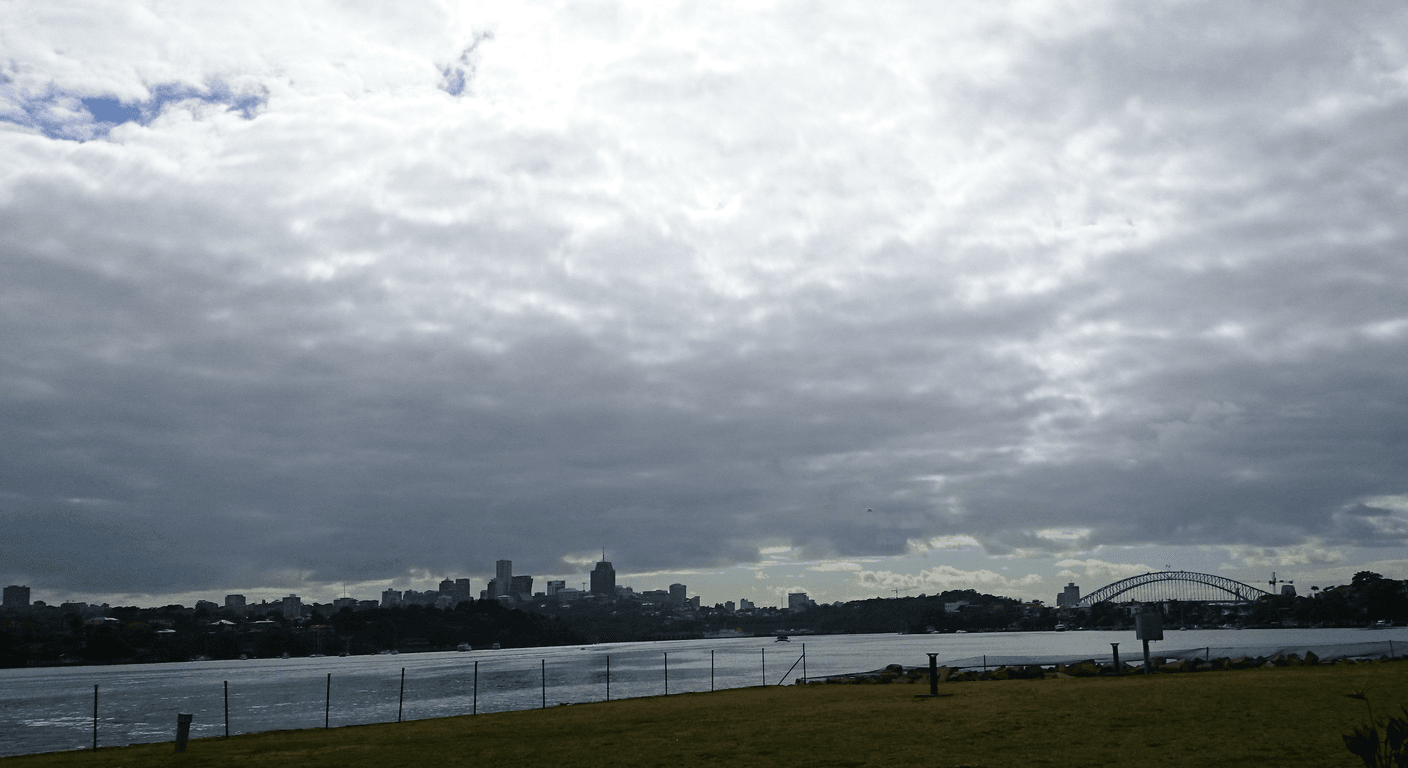
There is something particular about stepping off a ferry onto an island that once held convicts, industrial workers, and naval shipbuilders — all within sight of the Opera House. Cockatoo Island is the largest of Sydney Harbour's islands and carries UNESCO World Heritage listing as part of the Australian Convict Sites group. That listing is not just a plaque on a wall; it reflects the depth of what survives here: sandstone barracks, solitary confinement cells, convict-built granaries, and the remnants of a working dry dock that once built warships.
For a couple travelling from Victoria, this makes for a genuinely different kind of day out compared with a museum or a botanical garden visit. The island is open to the public daily, entry to wander is free, and the ferry connection is straightforward from Circular Quay. It rewards a slow pace and curiosity, and it does not demand that you rush from one attraction to the next. That suits travellers who prefer to linger, read the interpretive panels at their own speed, and find a shaded bench when the harbour breeze drops.
Getting there: the ferry from Circular Quay
Sydney Ferries runs services to Cockatoo Island from Circular Quay's Wharf 5, on the F3 Parramatta River route. The crossing takes around 20 minutes and the ferry also stops at Balmain East and other wharves along the way, which means the journey itself is part of the harbour experience. Check the current timetable at transportnsw.info before you travel, as departure times vary on weekdays, weekends, and public holidays.
If you hold a Gold Opal card — available to eligible seniors from interstate as well as NSW residents, though eligibility rules differ, so check transportnsw.info — the fare is heavily discounted. Even on a standard adult Opal card, a ferry journey of this distance falls into a modest price band, and the daily cap means you can do a Circular Quay loop in the afternoon without paying again. Tap on and off with your Opal card at the wharf terminals; there are no paper tickets on Sydney Ferries.
The ferry wharf on Cockatoo Island is at the lower, flat end of the island, which is the good news for anyone who finds steep terrain difficult. Disembarking is straightforward, and the main ferry pontoon has reasonable accessibility for travellers with mobility aids, though conditions at the wharf can vary with tide and vessel. Contact Sydney Ferries or the island trust in advance if you have specific mobility requirements, as they can advise on the current setup.
The flat lower island versus the upper convict precinct
This is the practical point that matters most before you plan your day. The lower island — the area immediately around the ferry wharf, the café, the campground, and the industrial dry dock precinct along the waterfront — is largely flat and walkable at a comfortable pace. The heritage signage here covers the island's shipbuilding era, the dock infrastructure, and the workers who lived on the island in the twentieth century. You can spend a couple of hours at this level without tackling any significant gradient.
The convict-era barracks, granaries, and the solitary confinement cells sit in the upper precinct, reached by a series of staircases and a steep path that climbs through the middle of the island. The steps are substantial and the path is not suitable for anyone who finds stair-climbing difficult or painful. There is no lift or ramp alternative to the upper area at the time of writing — confirm current accessibility arrangements with the Sydney Harbour Federation Trust at cockatooisland.gov.au before your visit, as these things can change.
If one person in a couple is comfortable with the climb and the other is not, a practical approach is to split for an hour: one explores the upper precinct while the other stays at the café or the flat dock area. The views from the top over the harbour are genuinely rewarding for those who make the effort, and the convict-era stonework up there is the most historically striking part of the island. But the lower island is not a consolation prize — the dry dock alone tells a long and layered story.
Audio guides, guided tours, and what they cost
Wandering the island with the free interpretive panels is entirely viable, and many visitors do exactly that. But the self-guided audio tour adds a layer of context that the panels alone cannot provide — voices, period detail, and the kind of narrative that helps you understand what you are looking at rather than simply reading a date and a fact. Audio guides are available for hire from the island's visitor centre near the wharf, at an additional cost. Confirm current pricing at cockatooisland.gov.au, as hire fees are subject to change.
Guided tours are also offered periodically, led by heritage guides who know the island well and can answer questions. These run on a schedule that varies by season and day of the week, so check the events and tours section of cockatooisland.gov.au well before your visit. Guided tours carry a separate fee. For a traveller who enjoys having someone to talk to about what they are seeing — and who wants to ask the kinds of questions that panels do not answer — a guided tour is worth the extra cost and the forward planning.
The audio guide is the more flexible option if you prefer to set your own pace, stop when you want, and not feel rushed by a group. Both options are worth considering rather than dismissing on cost grounds; the island's history is genuinely complex, and the context makes the experience considerably richer.
The café, shade, and planning around summer heat
There is a café on the lower island, positioned near the wharf area, which serves coffee, cold drinks, and food during operating hours. It is a straightforward, functional café rather than a destination in itself, but it matters: on a warm day, having somewhere to sit with a cold drink and a meal is not a small thing. Check current opening hours directly with the island or via cockatooisland.gov.au, as café hours can vary with the season and staffing.
Shade is limited across much of Cockatoo Island, and this is worth taking seriously. The upper convict precinct in particular is exposed, and the dock area along the waterfront catches the full sun through the middle of the day. In summer — roughly November through March — a mid-morning arrival and a plan to be back at the ferry wharf by early afternoon is sensible. Carry water, wear a hat, and apply sunscreen before you leave the ferry.
Autumn and spring are the most comfortable seasons to visit. Cooler temperatures mean you can take your time on the upper path without the sun beating down, and the harbour light in those months is particularly clear. If you are visiting in summer and the heat builds, the café and the covered areas near the wharf provide retreat. Do not underestimate how exposed the island is — it is surrounded by water, which can make the reflected glare significant even on a mild day.
Pairing Cockatoo Island with a Circular Quay ferry loop
One of the pleasures of travelling on Sydney Ferries is that the journey itself is part of what you see. If you are based near the CBD — many visitors from Victoria stay in the city centre or Darling Harbour — a day built around a ferry loop makes good use of the Opal card's daily capping structure. You pay per journey up to the daily cap, after which further journeys on the same card that day are free.
A practical loop might run like this: depart Circular Quay mid-morning on the F3 to Cockatoo Island, spend three to four hours on the island at a relaxed pace, return to Circular Quay in the early afternoon, and then take a short ferry across to Manly or Watsons Bay for a late lunch before returning to Circular Quay by late afternoon. This keeps you on the water for most of the day without requiring any significant walking or navigation beyond the ferry wharves.
Circular Quay itself is a comfortable base between ferry legs — there are benches, cafés, shade structures near the Opera House, and easy access to the nearby Royal Botanic Garden if you want a short walk on flat ground. The ferry wharves are clearly signed and the staff are generally helpful. For a couple who want a full Sydney day out without hiring a car or navigating unfamiliar train lines, the ferry network is an underused and genuinely enjoyable option.
Practical notes for the day
Wear comfortable, closed shoes with grip — the convict-era stone surfaces on the upper island can be uneven, and the path is not always smooth. A small daypack with water, sunscreen, a hat, and a light layer for the ferry crossing (the harbour breeze can be cool even in warmer months) covers most conditions. The island does not have an ATM, so carry cash or ensure your card works for café purchases.
There are public toilets on the island near the wharf area. The ferry crossing itself is around 20 minutes each way, during which you can sit inside the vessel or on the open deck — the deck gives better views but is exposed to wind and sun. If either traveller has balance concerns, sitting inside for the crossing is perfectly sensible, and the views through the windows are still worthwhile.
Allow a full day rather than half a day if you want to take your time, use the audio guide, have a proper café stop, and still catch the afternoon ferry back without feeling hurried. The island is not large, but it is the kind of place that rewards not rushing. Checking the ferry timetable in advance and knowing the last afternoon departure time from the island is straightforward planning that avoids any stress at the end of the day.
Quick planning guide
| Ideal pace | Slow-paced, no need to rush |
|---|---|
| Best months | Autumn and spring for cooler, more comfortable conditions |
| Suggested stay | A full day |
| Mobility level | Moderate — flat and easy on the lower island, but steep stairs with no lift to the upper convict precinct |
| Cost level | Free entry; optional paid audio guide or guided tour |
| Comfort level | Café and shaded spots near the wharf, but limited shade elsewhere and exposed sun on the upper island |
| Best for | Couples wanting genuine convict history and harbour views at a relaxed pace |
| Main planning consideration | Whether both travellers can manage the steep stairs to the upper precinct, and planning around summer heat and limited shade |
Key takeaways
- Cockatoo Island is free to enter and reached by regular Sydney Ferries service from Circular Quay Wharf 5 on the F3 route.
- The lower island is largely flat and accessible; the upper convict precinct requires climbing stairs and a steep path with no lift alternative.
- Audio guides and guided tours are available at extra cost — confirm current pricing at cockatooisland.gov.au before visiting.
- Shade is limited across the island; summer visits are best planned for a mid-morning start with an early-afternoon departure.
- A Gold Opal card or standard Opal card with daily fare capping makes a Circular Quay ferry loop an economical and enjoyable way to structure the day.
- The island holds UNESCO World Heritage listing as part of the Australian Convict Sites group, alongside sites such as Port Arthur and Norfolk Island.
Recommended partners and links
Indicative prices only — always confirm with the operator before booking.
Frequently asked questions
Is Cockatoo Island free to visit?
Entry to wander Cockatoo Island is free. There is no admission fee to access the island's public areas. Additional costs apply for audio guide hire and guided tours — confirm current pricing at cockatooisland.gov.au.
How do you get to Cockatoo Island from Circular Quay?
Sydney Ferries runs services to Cockatoo Island from Wharf 5 at Circular Quay on the F3 Parramatta River route. The crossing takes around 20 minutes. Check current timetables at transportnsw.info before travelling.
Is Cockatoo Island accessible for older travellers or those with limited mobility?
The lower island around the wharf, café, and dry dock is largely flat and manageable. The upper convict precinct requires climbing stairs and a steep path; there is no lift or ramp alternative. Contact the Sydney Harbour Federation Trust at cockatooisland.gov.au to confirm current accessibility arrangements before your visit.
Can you use an Opal card to get to Cockatoo Island?
Yes. Sydney Ferries uses the Opal card ticketing system, and you tap on and off at the wharf terminals. Eligible seniors may qualify for a Gold Opal card with reduced fares, though interstate eligibility rules apply — confirm your eligibility and current fare rates at transportnsw.info.
Is there somewhere to eat or drink on Cockatoo Island?
There is a café on the lower island near the wharf that serves coffee, cold drinks, and food. Operating hours vary by season, so check current hours via cockatooisland.gov.au before your visit. The island does not have an ATM, so carry cash or a payment card.