Best visited in autumn or spring when conditions are gentlest, this western Canberra river loop—taking in the Cotter Dam picnic reserve, Casuarina Sands on the Murrumbidgee, and Tidbinbilla Nature Reserve—suits a half-day or full-day outing. Its defining highlight is watching eastern grey kangaroos graze at dusk beside the river. Mobility is easy, with flat lawns and gravel paths, though a car is essential, as public buses don't reach the Cotter or Casuarina Sands and travellers from Victoria typically arrive by train before hiring a vehicle in Canberra.
Why Canberra's western rivers suit over-50 travellers so well
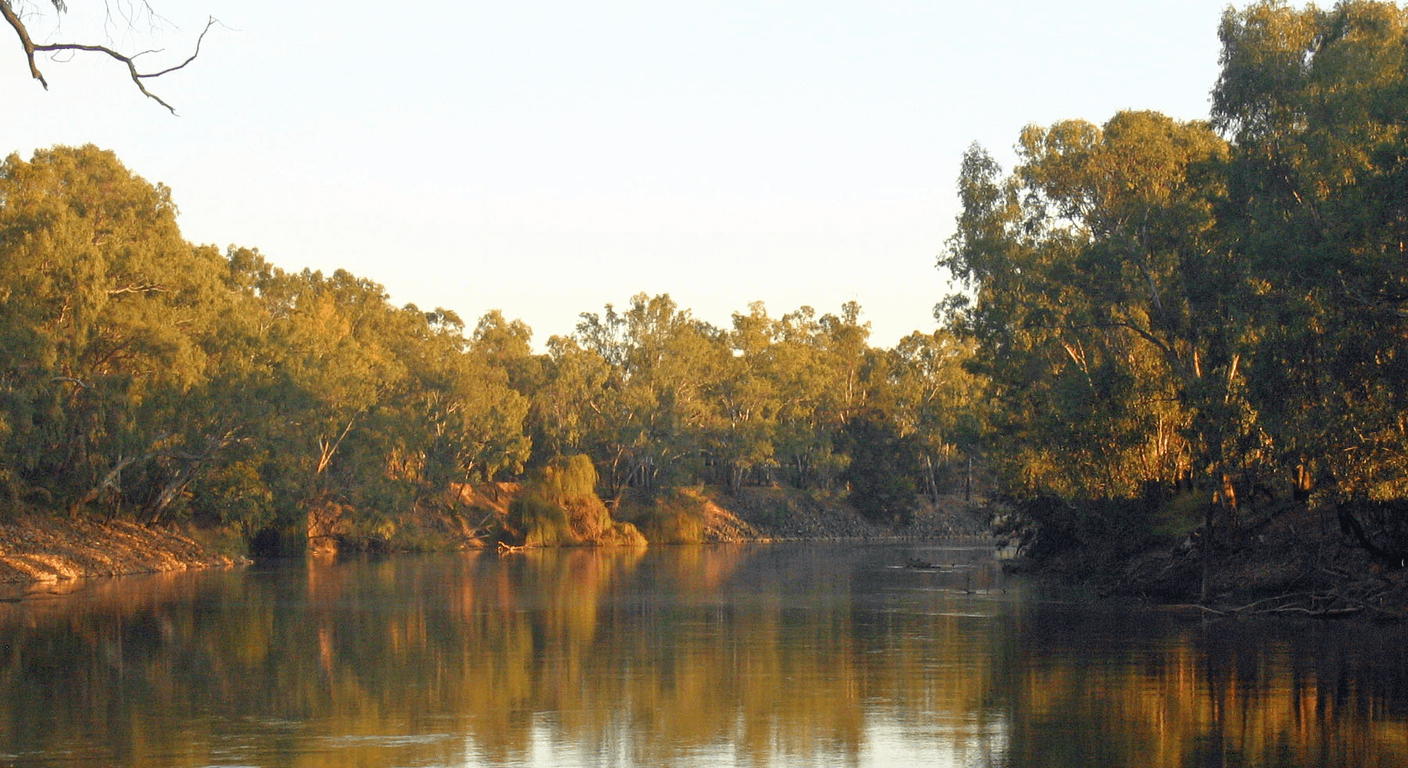
Canberra is often thought of as a city of museums and political monuments, and those things are worth your time. But the city's western edge tells a quieter story — one of river country that has been set aside as public reserve land for generations. The Cotter River joins the Murrumbidgee just below the Cotter Dam wall, and the land around both rivers is largely flat, shaded by river she-oaks and wattles, and genuinely peaceful on a weekday.
For travellers in their sixties and seventies, the appeal is practical as much as scenic. The picnic lawns at the Cotter are mown and level. The riverside paths at Casuarina Sands are compacted gravel and easy underfoot for most walkers. You do not need to be fit or fast to enjoy this country — you need a good hat, a packed lunch, and a willingness to sit still long enough to watch a kangaroo move through the late afternoon light.
Visitors travelling from Victoria — whether driving the Hume and cutting across via Yass, or taking the NSW TrainLink service from Southern Cross to Canberra — will find the western river reserves are roughly 20 to 30 minutes by car from Civic. That makes them a natural half-day excursion that pairs well with a morning at the National Gallery or a rest day mid-trip.
The Cotter Dam precinct: what to expect when you arrive
The Cotter Dam sits at the end of Cotter Road, about 25 kilometres west of central Canberra. The road itself is well-sealed and pleasant to drive, winding through dry eucalypt bush with occasional glimpses of the Brindabella Ranges ahead of you. The dam wall — a gravity arch structure that dates from the early twentieth century and was significantly raised in the 2010s — is visible from the picnic area below, and it gives the place a sense of scale and history that most visitors do not expect.
The Discovery Trail is a short, mostly flat interpretive walk that loops around the picnic precinct and explains the dam's construction history and the ecology of the Cotter River. Panels are well-spaced and readable. The path surface is compacted gravel and suitable for walkers using a walking pole; it is not suitable for wheelchairs throughout, though the main picnic lawn and amenities block are accessible. Confirm current trail conditions with ACT Parks before visiting, particularly after wet weather.
The picnic lawns here are genuinely lovely — broad, shaded by mature trees, and equipped with barbecues and toilets. There is no café on site, so bring everything you need. On a warm Canberra day (and Canberra can be warm from October through March), the river flats are cooler than the city by a few degrees, and the sound of the Cotter moving over its rocky bed is a reliable antidote to the week's noise.
Casuarina Sands: the Murrumbidgee at its most unhurried
A short drive back along Cotter Road and then south on Tuggeranong Parkway brings you to the Casuarina Sands reserve on the Murrumbidgee River. The name describes the place accurately: broad sandy river bends, stands of river she-oak (casuarina), and the wide, olive-green Murrumbidgee moving slowly through country that feels further from the city than it actually is. Entry is free and there are no gates or booking requirements — you simply park, walk down to the river, and settle in.
The flat ground between the car park and the river is easy walking, and the sandy banks themselves are gentle enough that most travellers can reach the water's edge without difficulty. The river here is not a swimming spot — currents can be unpredictable and the water is cold — but it is a fine place to sit, eat, read, and watch the birdlife. Azure kingfishers are a regular sighting. So are eastern rosellas and, in the late afternoon, grey kangaroos moving down to drink.
Recent path improvements along the Murrumbidgee Corridor have made parts of the Casuarina Sands access route more even underfoot. That said, some sections remain informal bush track, and travellers with significant mobility limitations should check current conditions with ACT Parks before making the trip. The reserve has no toilet facilities on site, which is worth knowing before you leave the Cotter Dam precinct, where amenities are available.
The Tidbinbilla link: making a full day of the western loop
From Casuarina Sands, the Tidbinbilla Nature Reserve is roughly 15 minutes further south along Paddys River Road — a quiet sealed road through farmland and low hills. Tidbinbilla is one of the ACT's best wildlife reserves, home to koalas, platypus, eastern bettongs, and a range of wetland birds. It charges a per-vehicle entry fee (around $15 per day is indicative; confirm the current rate with the reserve directly at tidbinbilla.act.gov.au before you go).
The reserve's accessible boardwalk network has been extended in recent years and is a genuine highlight for travellers who want wildlife encounters without rough terrain. The Sanctuary boardwalk, in particular, passes through wetland habitat where you can observe waterbirds at close range from a flat, well-maintained surface. The visitor centre is staffed and has clean facilities, a small display area, and rangers who are genuinely helpful about where animals are active on any given day.
If you are pacing the day carefully — which is sensible in summer when temperatures rise — a practical approach is to spend the cooler morning hours at the Cotter Dam, take a long lunch at Casuarina Sands, and arrive at Tidbinbilla in the mid-afternoon when the park is quieter and wildlife tends to be more active near the waterholes. Allow at least 90 minutes in the reserve; rushing it misses the point.
Getting there: driving, transport options, and practical notes
The western river loop is most comfortably done by car. From central Canberra, Cotter Road runs directly west from the suburb of Weston Creek and is well-signposted. A GPS or Google Maps will manage the navigation without difficulty. The full circuit — Cotter Dam, Casuarina Sands, Tidbinbilla, and back to Civic — covers roughly 80 to 90 kilometres of driving and takes around 40 minutes of travel time in total, not counting stops. The roads are quiet, the speed limits are sensible, and there are no significant hills or tight bends.
For travellers who prefer not to drive, the options are more limited. Transport Canberra buses serve the western suburbs but do not extend to the Cotter or Casuarina Sands. A taxi or rideshare from central Canberra to the Cotter Dam and back would be a practical alternative for those without a car; confirm current rideshare availability in Canberra through the relevant apps before your trip, as coverage can vary. Some private tour operators in Canberra offer tailored nature day trips — check VisitCanberra's operator listings for current options.
Travellers arriving from Victoria by train — NSW TrainLink operates a daily service between Southern Cross Station in Melbourne and Canberra, with a travel time of around eight hours — will want to arrange a hire car in Canberra for this excursion. Several national hire car companies operate from the Canberra city centre and the airport. Confirm availability and current rates directly with providers.
Pacing the day: honest advice for over-50 travellers
Canberra's climate deserves respect. In summer (December through February), temperatures can reach the mid-30s and the UV index is high even in the morning. The river reserves offer shade, but not consistently — the Cotter picnic lawns have good tree cover, while Casuarina Sands is more exposed. A wide-brimmed hat, SPF 50+ sunscreen, and at least two litres of water per person are not optional in summer. In autumn and spring, the conditions are gentler and the light on the river country is at its best.
Winter visits are possible and have their own rewards — the Brindabella Ranges hold snow on their upper slopes and the air is clear — but morning temperatures around the rivers can drop below zero, and the picnic lawns are less inviting. If you are visiting in winter, plan to arrive mid-morning once the frost has lifted and pack warm layers even if the forecast looks mild.
For couples travelling together, it is worth having a quiet conversation before the day about what each person wants from it. One person might want to walk the full Discovery Trail; the other might prefer to sit at a picnic table with a thermos and a book. Both are entirely reasonable, and the Cotter precinct accommodates both without anyone feeling they have held the other back. That kind of flexibility is part of what makes this corner of Canberra genuinely restful.
Kangaroos at dusk and what else to watch for
Eastern grey kangaroos are common throughout the western reserves and are often visible near the Cotter picnic area in the late afternoon, particularly in the cooler months. They are not tame and should not be approached or fed, but they are accustomed to people and will generally continue grazing as long as you move slowly and keep a respectful distance. Watching a mob of eight or ten move through the long grass as the light drops is one of those quiet pleasures that does not require a photograph to justify it.
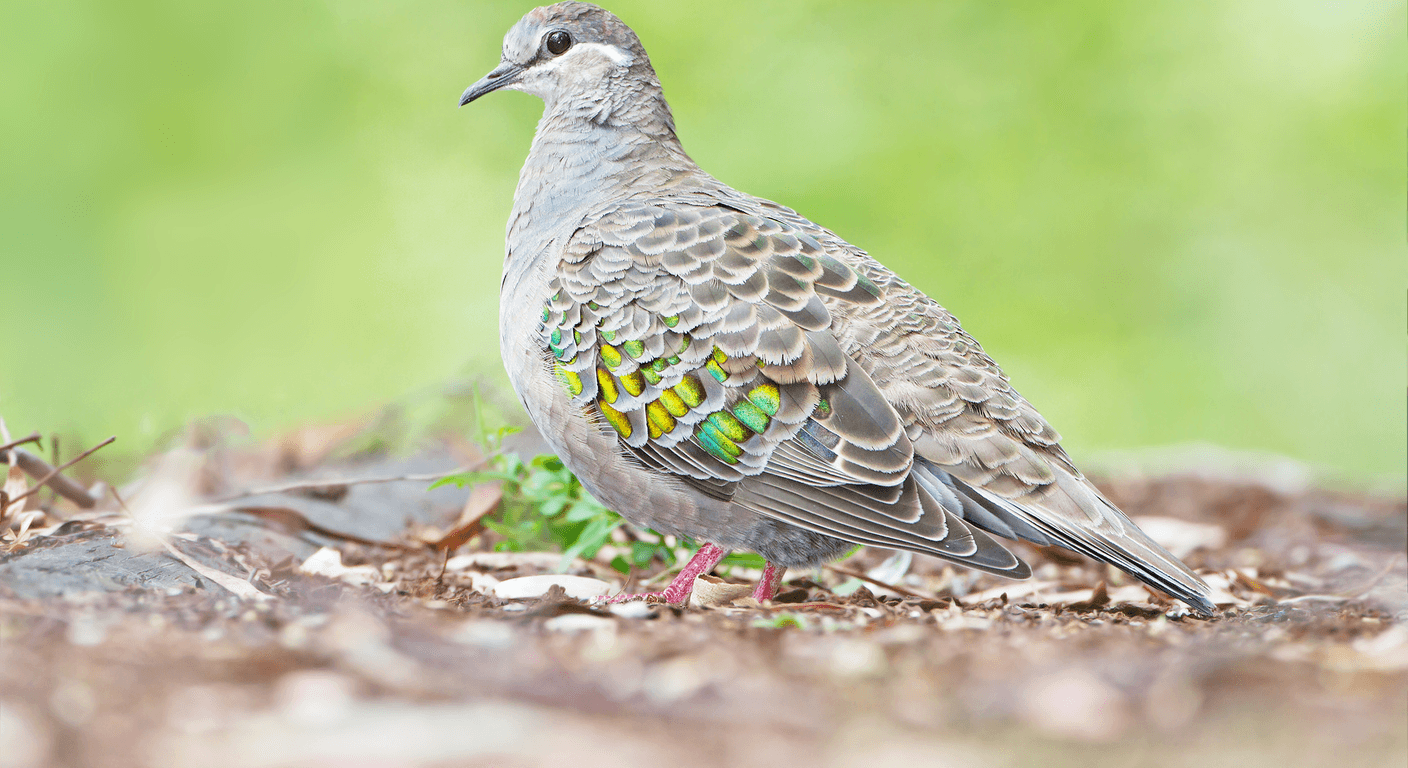
Birdwatching along both rivers is rewarding for those who carry binoculars. The Murrumbidgee corridor is noted habitat for superb parrots (a threatened species), as well as more common bush birds including gang-gang cockatoos in the cooler months. The wetlands at Tidbinbilla attract royal spoonbills, great egrets, and a range of duck species. A basic field guide — the Australian field guides published by New Holland or CSIRO are reliable — is worth tucking into a day bag.
The Cotter Reserve also sits at the beginning of the longer Murrumbidgee River Corridor, which extends downstream through Canberra's suburbs and is managed by ACT Parks as a continuous greenway. Travellers who want to explore further on a second day could follow sections of the corridor closer to the city, where the paths are more consistently sealed and accessible. The ACT Parks website has current trail information and maps.
Quick planning guide
| Ideal pace | Slow-paced and relaxed |
|---|---|
| Best months | Autumn and spring for the most comfortable conditions |
| Suggested stay | Half-day for a single stop, full day for the whole loop |
| Mobility level | Easy — flat lawns and gravel paths, though some sections are informal bush track |
| Cost level | Budget-friendly — most reserves are free; Tidbinbilla charges a small per-vehicle fee |
| Comfort level | Good shade at the Cotter picnic lawns, less shade at Casuarina Sands |
| Best for | Couples or solo travellers wanting quiet nature, birdlife and kangaroo sightings without crowds |
| Main planning consideration | Requires a car — public buses do not reach the Cotter or Casuarina Sands |
Key takeaways
- The Cotter Dam picnic reserve and Casuarina Sands on the Murrumbidgee are free to enter and within 30 minutes of central Canberra.
- The Cotter Discovery Trail is a short, mostly flat interpretive walk; the main picnic lawn and amenities are accessible, though the full trail is not suitable for wheelchairs throughout.
- Tidbinbilla Nature Reserve charges a per-vehicle day fee (indicative around $15; confirm current rates directly with the reserve) and has extended accessible boardwalks for wildlife viewing.
- Eastern grey kangaroos are reliably seen at the Cotter and Casuarina Sands in late afternoon — move slowly, keep your distance, and do not feed them.
- The western river loop is best done by car; public buses do not reach the Cotter or Casuarina Sands, so travellers without a vehicle should plan rideshare or a hire car.
- Summer visits require serious sun and heat preparation; autumn and spring offer the most comfortable conditions for a full day on the river reserves.
Recommended partners and links
Indicative prices only — always confirm with the operator before booking.
Frequently asked questions
Is it free to visit the Cotter Dam and Casuarina Sands reserves?
Yes, entry to the Cotter Reserve and Casuarina Sands is free. Tidbinbilla Nature Reserve charges a per-vehicle day fee — indicatively around $15, but confirm the current rate directly with the reserve at tidbinbilla.act.gov.au before your visit, as fees can change.
Are the paths at the Cotter and Casuarina Sands suitable for older travellers with mobility concerns?
The Cotter picnic lawn and amenities area are generally accessible and on flat ground. The Discovery Trail is compacted gravel and manageable for most walkers, though it is not fully wheelchair-accessible throughout. Casuarina Sands has flat ground near the river but some informal track sections; travellers with significant mobility limitations should check current conditions with ACT Parks before visiting.
Can you reach the Cotter River reserves without a car?
Transport Canberra buses do not extend to the Cotter Dam or Casuarina Sands. Travellers without a car can use a taxi, rideshare, or a hire car from central Canberra. Confirm current rideshare availability in the ACT through the relevant apps before your trip, as coverage can vary outside the city centre.
When is the best time of year to visit Canberra's western river country?
Autumn (March to May) and spring (September to November) offer the most comfortable temperatures for a full day outdoors. Summer can be very hot with high UV, requiring careful preparation. Winter mornings can drop below zero near the rivers, though the clear air and snow-capped Brindabellas in the distance have their own appeal once the day warms up.
Are kangaroos reliably seen at the Cotter and Murrumbidgee reserves?
Eastern grey kangaroos are commonly seen at the Cotter Reserve and along the Murrumbidgee corridor, particularly in the late afternoon when they move down to graze on open grass. They are wild animals and should not be approached or fed; keeping a calm, quiet distance gives you the best chance of a sustained sighting.