The Canberra Deep Space Communication Complex at Tidbinbilla is a free, working NASA tracking station 40 minutes from Canberra, best visited in spring or autumn for mild conditions. Allow a few hours, or a full day combined with the adjacent nature reserve. The highlight is a touchable genuine Apollo moon rock. The flat, compact visitor centre rates Easy for mobility, though a hire car is essential since no public transport serves the site.
Why Tidbinbilla rewards a solo day out from Canberra
There's something quietly satisfying about arriving somewhere extraordinary with no particular schedule. The Canberra Deep Space Communication Complex — run by CSIRO on behalf of NASA as part of the global Deep Space Network — is that kind of place. You can spend an hour or three. Nobody's rushing you, the entry is free, and the weight of what's happening here — real signals, real spacecraft, right now — tends to slow people down in the best possible way.
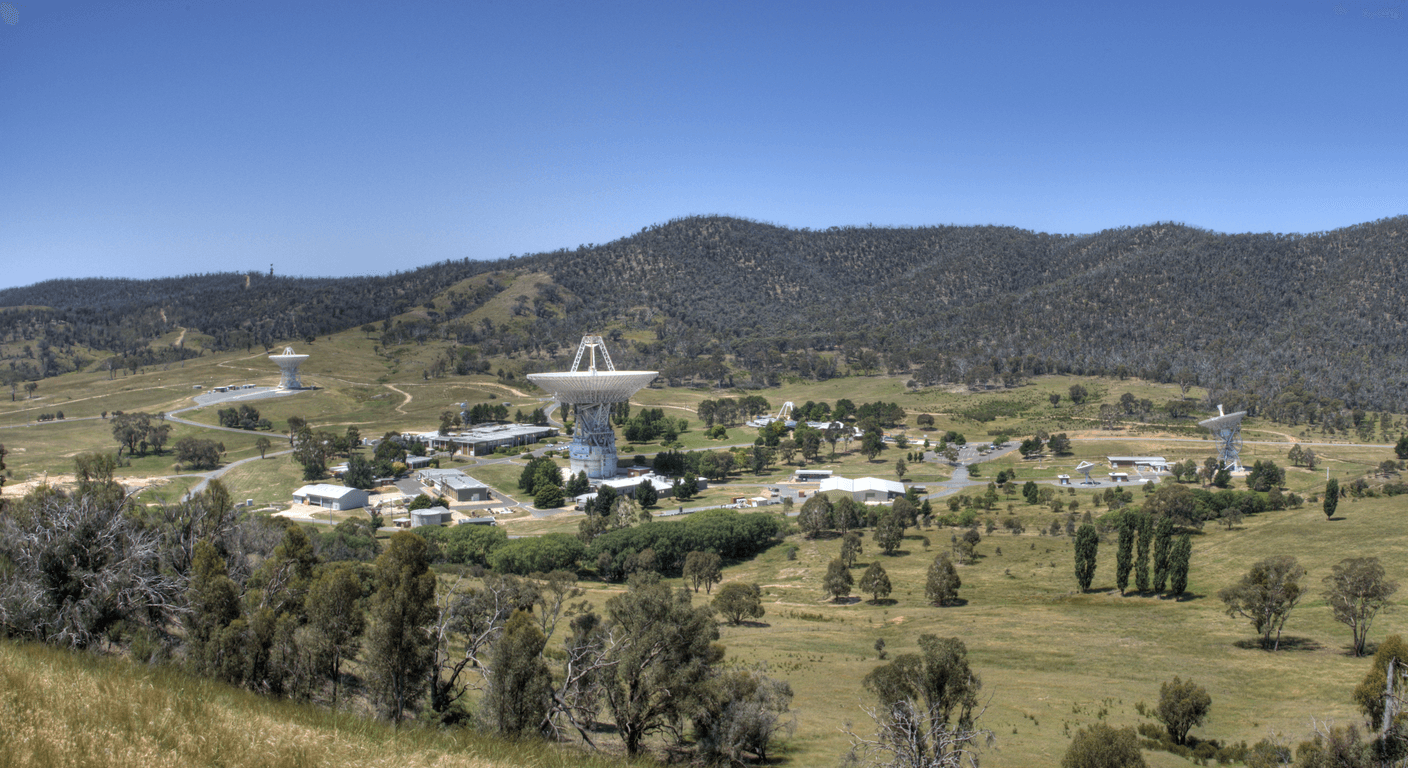
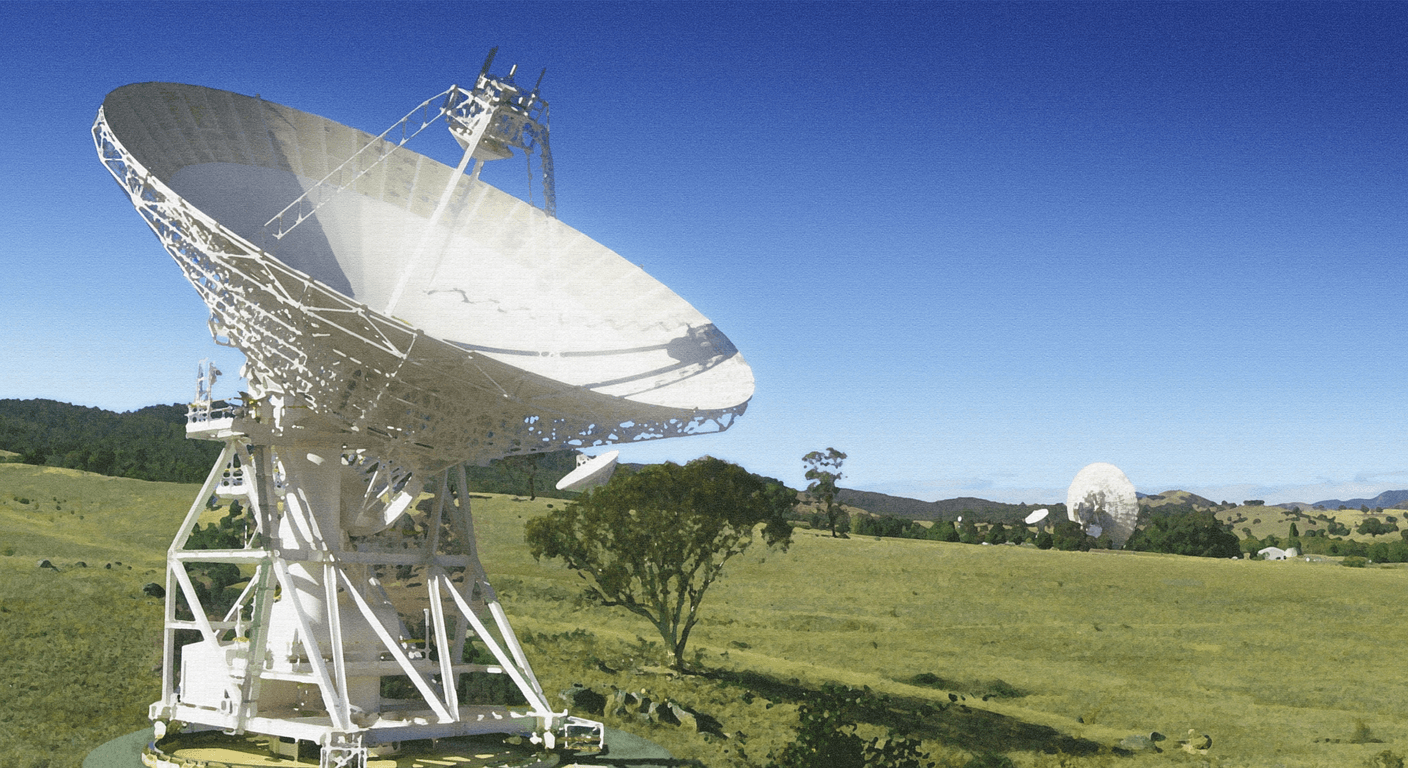
For a solo traveller making the drive from Canberra, the Tidbinbilla valley itself is part of the reward. The road out through the Murrumbidgee corridor is unhurried and genuinely scenic, with the Brindabella Ranges rising to the west. The antennas appear before the visitor centre does — enormous white dishes against blue sky and dry grass — and the first glimpse of them is worth the drive on its own.
What's actually inside the visitor centre?
The visitor centre is compact, modern and entirely flat — no steps, no uneven ground, good signage. The centrepiece, for most visitors, is the moon rock. A genuine sample of lunar material, returned by an Apollo mission, sits in a display case and can be touched. It's smaller than imagination suggests, darker than the moon looks from your backyard, and the fact that it exists here in a free regional visitor centre in the ACT is the kind of detail that takes a moment to absorb.
Beyond the rock, the displays cover the history of the complex — it received signals from Apollo 11, tracked Voyager's journey out of the solar system, and continues to communicate with deep-space missions that are, at this moment, billions of kilometres from Earth. A real-time display shows which spacecraft the Tidbinbilla dishes are currently in contact with. On a quiet Tuesday, that detail alone can hold attention for a surprisingly long time.
Scale models of various spacecraft — including replicas of Mars rovers and deep-space probes — are displayed throughout. The interpretive panels are clear and well-written without being condescending. The cafe is modest but functional, and the accessible toilets are well-maintained. Parking is ample and free directly in front of the centre.
The one thing to check before you leave home
The complex is a working facility, not a tourism operation. Opening days and hours have shifted in recent years — the centre has been closed on certain days of the week at various points, and public holiday arrangements aren't always predictable. Driving forty minutes from Canberra to find a locked gate would be a poor use of a good day.
Check the official CSIRO website at cdscc.nasa.gov before finalising any plans. A quick phone call to confirm is also reasonable if the website isn't clear. This is standard practice for any working scientific facility and not a reflection of poor organisation — it's simply the reality of visiting a place where the primary function is not visitor management. Plan it properly and the visit runs without a hitch.
Getting there from Canberra — and from Victoria
From Canberra's city centre, the drive to Tidbinbilla is around 40 minutes via the Tuggeranong Parkway and Tidbinbilla Road — straightforward navigation, good road conditions. There is no direct public transport to the complex, so a hire car or a private vehicle is the practical option. For travellers who don't drive, some Canberra tour operators include Tidbinbilla in half-day itineraries — check with VisitCanberra for current options.
For a solo traveller based in Victoria, the most comfortable approach is an overnight stay in Canberra rather than a day trip from Melbourne. The drive from Melbourne is around seven hours via the Hume Highway and Federal Highway — manageable but long. The Canberra railway station connects to Sydney via NSW TrainLink, and Canberra Airport has direct flights from Melbourne, Sydney and other capitals. Flying in, spending two nights and combining the complex with one or two other Canberra highlights makes for a relaxed and genuinely satisfying short break.
Combining the complex with Tidbinbilla Nature Reserve
The Tidbinbilla Nature Reserve shares the same valley, just a few kilometres from the complex. It's managed separately by ACT Parks and a vehicle entry fee applies — confirm the current rate before visiting. The reserve is one of the better places in the ACT to see wildlife in a natural setting: eastern grey kangaroos, wallabies, platypus in the creek at dusk, and a koala sanctuary area with good viewing access.
The walking tracks range from short, flat boardwalk sections to longer bush trails. For a solo traveller who wants a full day without the pressure of a packed itinerary, the combination works well: the complex in the morning, a light lunch at the cafe, then a gentle walk or wildlife viewing in the reserve through the afternoon. The valley is cooler than Canberra's city centre in summer and noticeably cold in winter — dress accordingly.
When to go, and what to wear
The ACT's climate is continental — proper seasons, not Sydney's mild blur. Spring (September to November) and autumn (March to May) offer the most comfortable conditions in the valley: clear skies, moderate temperatures, and the surrounding landscape at its most photogenic. Summer days can be warm but rarely oppressive at this altitude, and the valley tends to hold a light breeze. Winter mornings can be genuinely cold, with frost on the paddocks and the antennas catching low light in a way that's actually rather striking — but dress for it.
Comfortable, flat-soled walking shoes are all that's needed for the visitor centre itself. If you're adding the nature reserve, a layer or two for the afternoon and a hat for summer sun are sensible. The cafe inside the complex is a reasonable option for lunch, though it's not an extensive menu — if you have particular dietary requirements, bringing your own food is a practical back-up.
What makes this different from a typical museum visit
Most museums display history. Tidbinbilla displays the present. The Voyager probes launched in 1977 are still transmitting, still being tracked, and the signals pass through dishes visible from the visitor centre windows. That's not a reconstruction or a simulation — it's operational science, and the visitor centre is built around that fact rather than papering over it with entertainment.
For a traveller who has watched the space age unfold in real time — from the Apollo broadcasts to the Mars rover landings — the complex carries a particular resonance. The moon rock isn't a replica. The antennas aren't retired. The mission continues, and you're standing next to part of it. That's a different quality of experience from most day trips, and it stays with you on the drive back into Canberra.
Quick planning guide
| Ideal pace | Slow-paced and unhurried |
|---|---|
| Best months | Spring (September–November) or autumn (March–May) for the most comfortable valley conditions |
| Suggested stay | A few hours at the complex, or a full day combined with Tidbinbilla Nature Reserve |
| Mobility level | Easy — flat, compact visitor centre with no steps |
| Cost level | Free entry to the complex; nature reserve nearby charges a vehicle fee |
| Comfort level | Comfortable, with an on-site cafe and accessible toilets |
| Best for | Solo travellers and space or science enthusiasts wanting an unhurried day trip |
| Main planning consideration | Confirm opening days and hours with CSIRO before driving out, and arrange a hire car or tour since there's no public transport to the site |
Key takeaways
- Entry to the Canberra Deep Space Communication Complex at Tidbinbilla is free.
- A genuine piece of Apollo moon rock is on display and can be touched.
- The visitor centre is flat, compact and fully accessible — rated Easy for mobility.
- Always confirm opening days and hours directly with CSIRO before making the drive.
- There is no public transport to the complex; a hire car or private vehicle is required.
- The adjacent Tidbinbilla Nature Reserve adds a half-day of wildlife and easy walking to the outing.
Recommended partners and links
Indicative prices only — always confirm with the operator before booking.
Frequently asked questions
Is entry to the Canberra Deep Space Communication Complex really free?
Yes, entry to the visitor centre at the Canberra Deep Space Communication Complex is free. The adjacent Tidbinbilla Nature Reserve is a separate facility managed by ACT Parks and charges a vehicle entry fee — confirm the current rate before visiting.
Can I see the real moon rock at Tidbinbilla?
Yes. A genuine lunar sample returned by an Apollo mission is on display at the visitor centre and can be touched. It is one of very few pieces of moon rock accessible to the public in Australia.
Is the complex suitable for travellers with mobility concerns?
The visitor centre is flat and compact with no steps, accessible toilets and ample parking directly outside. It is rated Easy for mobility and is suitable for travellers using walking aids. The nature reserve has some uneven terrain on longer trails, though short boardwalk sections are accessible.
How do I get to Tidbinbilla from Canberra without a car?
There is no direct public transport to the complex. Some Canberra-based tour operators include Tidbinbilla in half-day itineraries. Check with VisitCanberra at visitcanberra.com.au for current guided tour options.
What days and hours is the complex open?
Opening days and hours have varied in recent years. Always confirm current hours directly with CSIRO on the official website at cdscc.nasa.gov before making the drive out from Canberra.