Cruise gratuities catch many Australians unawares: ocean ships add an automatic daily charge (roughly USD 18–25 per person), while river cruises expect a cash tip in an envelope handed over at voyage end. For a 14-night ocean cruise, tipping alone can add AUD 800–1,200 for a couple. Mobility demands are easy, suiting travellers of any fitness level, with access via Australian departure ports or fly-cruise connections to Europe or North America. There's no single best season; budgeting for gratuities ahead of time makes the whole experience far more relaxed.
Why Tipping Feels Strange to Australians — and Why It Matters on Cruises
Australia runs on wages, not gratuities. Tipping at home is genuinely optional — a rounding up of the bill, a thank-you for exceptional service, never an expectation. Cruise ships, particularly those registered in the United States or operated under American corporate culture, work on a fundamentally different model. Crew members in guest-facing roles — cabin stewards, dining waitstaff, bar staff — are often contracted on wages that assume gratuity income will make up a significant portion of their take-home pay. It's a system that feels uncomfortable to many Australians, but understanding it honestly is more useful than resenting it.
The good news is that modern cruise lines have largely automated the process precisely because passengers from tipping-averse cultures found the old cash-in-envelope system awkward. Auto-gratuities mean the charge simply appears on your onboard account each day, no cash required, no face-to-face moment. The less good news is that the daily rate adds up — and for a couple on a 14-night voyage, the total can reach AUD 800–1,200 before a single cocktail is ordered. That's a real number worth putting in your pre-trip budget.
How Auto-Gratuities Work on Ocean Cruise Ships
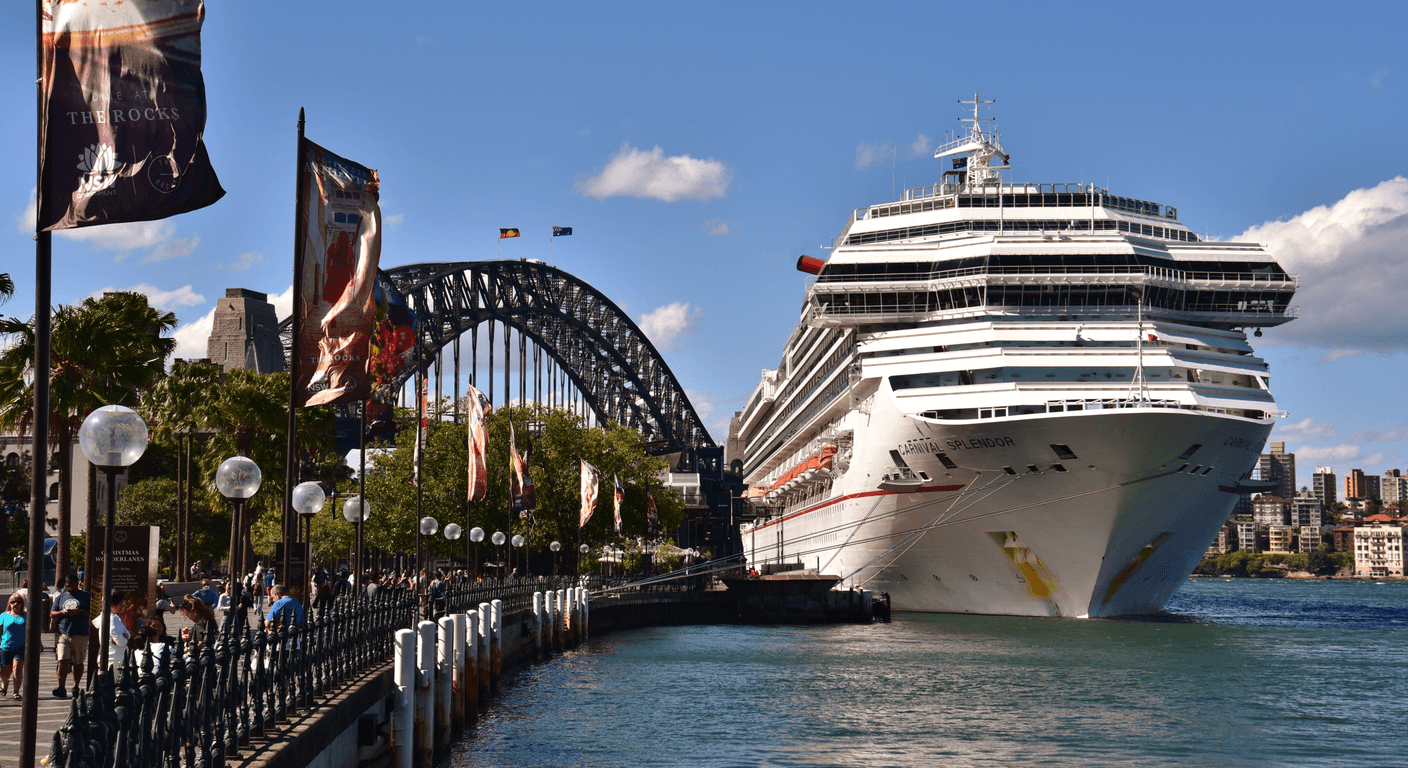
On large ocean ships — the category covering most mainstream and premium lines sailing from Australian ports or popular as fly-cruise options for Australians — the daily gratuity is added automatically to your onboard account. The rate varies by line, cabin category and year. Indicatively, as of 2025, mainstream lines charge roughly USD 18–20 per person per day in standard cabins, rising to USD 22–25 or more in suites. Some lines also add a gratuity automatically to bar bills — typically 18–20 percent — on top of the daily charge. Confirm the current rate with your cruise line or travel agent before you depart, because rates do change.
You can almost always adjust or remove the auto-gratuity at guest services — this is a legal and accepted practice, not a scandal. Some passengers prefer to do this and tip selectively in cash to specific crew members they feel have genuinely looked after them. That's a reasonable approach, though it does mean carrying more cash onboard than most people plan for. If you adjust the auto-gratuity down without replacing it with direct cash tips, the crew members who served you — including those you never directly interacted with, like the laundry staff — may receive less than expected. Worth thinking through before you head to guest services.
Fully inclusive or luxury lines — Silversea, Seabourn, Regent Seven Seas, and several others — build gratuities into the fare entirely. No daily charge, no expectation of additional tipping, no envelopes. These lines cost more upfront, but the total-cost comparison is sometimes closer than it first appears once you factor in what's genuinely included. If you're the sort of traveller who finds tipping stressful, this model is worth serious consideration.
River Cruises: The Envelope Moment That Catches Everyone Off Guard
River cruising is enormously popular with Australians over 50 — the intimate scale, the European scenery, the manageable pace. But the tipping culture on European river ships is where first-timers most often get caught flat-footed. Unlike ocean ships, river cruise lines rarely add a daily auto-gratuity to your account. Instead, the expectation — and it is a genuine expectation, not a vague suggestion — is that passengers will tip the crew collectively at the end of the voyage, typically by placing cash in an envelope provided by the ship and handing it to the cruise director.
The suggested amount varies by line and itinerary length. A common guideline is roughly EUR 10–15 per person per day for the ship's crew as a whole, sometimes with a separate suggested amount for the cruise director specifically. On a 15-night Danube voyage, that's EUR 150–225 per person — so around AUD 250–380 at indicative exchange rates, though confirm current rates. Some operators, including Australian-owned lines like Scenic and APT, have moved toward tips-included fares on at least some itineraries. Always check your specific booking documentation.
The envelope system feels ceremonial and slightly awkward to Australians who've never encountered it. The practical advice: ask your cruise line directly what the tipping convention is before you board, withdraw enough local currency before embarkation (ATMs on the ship or at small river ports are not always available or reliable), and keep the cash separate from your spending money so you're not scrambling on the final night. Some travellers in friends groups divide the maths early and settle it between themselves before the voyage ends — far less stressful than a last-minute calculation over a farewell dinner.
Small Ships, Expedition Cruises and Australian Coastal Voyages
Small expedition ships — the kind exploring Antarctica, the Kimberley, Papua New Guinea or remote Pacific islands — tend to operate on a hybrid model. The crew is often small enough that individual relationships develop naturally over the voyage, and tipping feels more personal. Many expedition lines suggest a daily crew tip of USD 15–20 per person, collected at voyage end, sometimes via a pooled envelope and sometimes split between expedition team and ship crew separately. Again, check with the operator before you board.
For Australian domestic coastal cruises — Coral Expeditions around northern Australia, for example — tipping expectations tend to be lighter and less formalised than on international itineraries, reflecting Australian cultural norms. That said, crew on these vessels work hard in remote, demanding conditions. A modest cash tip at voyage end is genuinely appreciated and increasingly common among regular cruisers. There's no rigid rule; use your judgement and ask the cruise director if you're unsure.
Budgeting for Tips: How to Build This Into Your Cruise Cost
The single most useful thing you can do before booking any cruise is to find out the tipping model and calculate the realistic total. Add it to your budget as a fixed line item, not an afterthought. On a 14-night ocean cruise for two people with auto-gratuities at USD 19 per person per day, the gratuity line alone comes to USD 532 — roughly AUD 820 at current indicative rates, before any bar gratuities. That's money worth accounting for, particularly when travelling on a fixed retirement income or managing a group trip where everyone is splitting costs.
For river cruises, budget in euros or the relevant local currency and withdraw it before you board. Banks in regional Victoria and other non-metropolitan areas may not always stock euros in quantity — order currency through your bank or a reputable foreign exchange provider well ahead of departure. Some travellers use a travel money card loaded with euros; this works, though ships' ATMs and card readers in small river ports can be unreliable. Cash remains king at voyage end.
If you're travelling with a friends group — a popular format for women in their 60s taking European river trips or Pacific island cruises — it's worth having one honest conversation before departure about what everyone is comfortable spending on gratuities. It removes any awkwardness mid-voyage and means the group can decide together whether to tip above or below the suggested rate based on the experience. There's no obligation to tip more than you can afford, and no obligation to feel guilty about it.
Specialty Staff and Onboard Extras: When Additional Tipping Is Expected
Beyond the standard daily gratuity or end-of-voyage envelope, certain onboard staff often receive tips separately. Butler service in suite categories, spa therapists, and personal trainers typically expect an additional cash tip or have gratuity added automatically to each service charge. Check your spa or specialty dining receipt — many lines add 18–20 percent automatically. You are not expected to tip on top of an already-added gratuity, though nobody will stop you.
Shore excursion guides — whether booked through the ship or independently — operate in the tipping culture of their own country. In Europe, a EUR 5–10 tip per person for a half-day guided tour is a reasonable benchmark. In the United States, USD 5–10 per person per half day is common. In Australia and New Zealand, tipping tour guides is less entrenched but increasingly appreciated. In Japan, tipping is actively discouraged — it can cause genuine offence. Know where you are and follow local norms rather than applying one global rule.
Tour directors on river cruises — the person who organises and leads your shore excursions throughout the voyage — are typically tipped separately from the ship crew. Some operators build this into their guidance; others leave it to passengers. EUR 3–5 per person per day is a frequently cited benchmark for a good tour director on a European river voyage. If the director has genuinely made the trip, a little more is entirely appropriate.
Practical Tips for Australians: Getting the Currency and Timing Right
The currency question trips up more Australian cruisers than any other tipping detail. On American-operated ocean ships, gratuities are charged to your onboard account in USD regardless of where the ship sails — you'll settle the account in USD at the end, or it will convert to AUD on your credit card with the bank's exchange rate applied. On European river ships, tips are expected in euros. On ships sailing in Asia or the South Pacific, it varies. Clarify this at booking, not at disembarkation.
Timing matters too. On ocean ships with auto-gratuities, the charge accumulates daily — you'll see it building on your account throughout the voyage. On river ships, the cash tip is handed over on the final evening, often at a farewell event. Don't leave it until the morning of disembarkation when you're focused on packing. Have the envelope ready the night before. It's a small logistical detail that makes the final morning far less frantic.
Travel insurance is a separate but related consideration for Australians over 50 on cruise itineraries. Ensure your policy covers the full cruise itinerary, including any pre-existing conditions, and that it explicitly includes cruise-specific cover (missed port, cabin confinement, itinerary change). Tipping costs are not covered by travel insurance, but knowing your other costs are managed frees you to approach the gratuity question with a clear head. The Australian Government's Smartraveller website (smartraveller.gov.au) has general guidance on travel insurance considerations.
Quick planning guide
| Ideal pace | Relaxed, manageable pace suited to over-50s travellers |
|---|---|
| Best months | No single best season noted |
| Suggested stay | 14–15 night voyages are commonly cited (ocean and river) |
| Mobility level | Easy |
| Cost level | Moderate to premium, with gratuities as an added fixed cost |
| Comfort level | Comfortable, provided gratuities and currency are budgeted for |
| Best for | Australians over 50 wanting predictable, well-planned cruise budgeting |
| Main planning consideration | Confirming the gratuity model (auto-charge vs envelope) and carrying the right currency before boarding |
Key takeaways
- Large ocean cruise ships add a daily auto-gratuity of roughly USD 18–22 per person to your onboard account — budget for this before you board.
- River cruises typically expect cash tips in an envelope handed to crew at voyage end, not a daily account charge — withdraw local currency before embarkation.
- Luxury and fully inclusive cruise lines (Silversea, Seabourn, Regent Seven Seas) build gratuities into the fare — a useful option for Australians who find tipping stressful.
- Auto-gratuities on ocean ships can almost always be adjusted at guest services — but understand what that means for crew pay before doing so.
- For a couple on a 14-night ocean cruise, gratuities alone can reach AUD 800–1,200 — treat tipping as a fixed budget line, not a variable afterthought.
- Shore excursion guides follow the tipping norms of their own country — in Japan, tipping is actively discouraged; in the US, it is firmly expected.
Recommended partners and links
Indicative prices only — always confirm with the operator before booking.
Frequently asked questions
Do I have to pay the auto-gratuity on a cruise ship?
On most mainstream ocean cruise lines, the daily auto-gratuity can be reduced or removed at guest services. It is not mandatory in a legal sense. However, these charges form a meaningful part of crew wages, particularly for cabin stewards and dining staff. If you remove the auto-gratuity, the expectation is that you tip those crew members directly in cash. Removing it without replacing it with direct tips is considered poor form in cruise culture.
How much should Australians tip on a European river cruise?
The generally suggested amount on European river cruises is around EUR 10–15 per person per day for the ship's crew as a whole, handed over in cash at the end of the voyage. Some lines also suggest a separate tip for the cruise director or tour director. On a 14-night voyage, budget roughly EUR 140–210 per person. Confirm the specific convention with your cruise line before departure, as practices vary between operators.
Are tips included in the cruise fare on any lines Australians commonly use?
Yes. Luxury lines including Silversea, Seabourn, and Regent Seven Seas include gratuities in the fare. Some Australian-owned river cruise operators — including Scenic and APT on certain itineraries — also offer tips-included fares. Always check your specific booking documentation, as the same operator may have different policies across different product tiers or itineraries.
Should I tip in Australian dollars or the local currency on a cruise?
On American-operated ocean ships, gratuities are charged in USD to your onboard account regardless of the sailing region. On European river cruises, cash tips are expected in euros. Tips for shore excursion guides should generally be in the local currency of the country you are visiting. Clarify the currency expectations with your cruise line or travel agent before departure and arrange currency accordingly — don't rely on ship ATMs being available or convenient.
What is the tipping expectation on Australian domestic cruises?
Australian domestic cruise operators — such as Coral Expeditions sailing the Kimberley or northern Australia — do not have a rigid tipping convention equivalent to American or European lines. Tipping is not expected in the same formalised way, reflecting Australian cultural norms. That said, a modest cash tip at voyage end for crew who have worked hard in remote conditions is increasingly common and genuinely appreciated. Ask the cruise director if you are unsure what is appropriate for your specific voyage.
- Cruise Lines International Association Australasia (CLIA)
- Cruise Passenger — Australia's cruise industry news and consumer guides
- Smartraveller — Australian Government travel insurance guidance
- Scenic Luxury Cruises & Tours — fare inclusions and tipping policy
- APT Travel Group — river cruise inclusions
- Coral Expeditions — Australian small-ship cruising