Cygnet, a small arts town in Tasmania's Huon Valley about 55 kilometres south of Hobart, suits an unhurried day trip any time of year, though January brings the lively Cygnet Folk Festival while other months keep the town quiet. A single day is enough to browse Mary Street's galleries, bookshops and cafes and walk to Port Cygnet's calm water views. Mobility needs are easy, with flat footpaths and short strolls, though a self-drive along the Channel Highway (around 55 minutes) is the practical way in, since bus services are infrequent.
What kind of town is Cygnet, and why does it suit older travellers?
Cygnet is a small arts town in Tasmania's Huon Valley, roughly 55 kilometres south of Hobart along the Channel Highway. The town centre is essentially one gently sloping main street — Mary Street — lined with independent galleries, secondhand bookshops, craft shops and cafes. There is no pressure to rush, no queues, and on most weekends the pace is distinctly unhurried. For a group of women who enjoy wandering in and out of shops, settling into a good cafe for an hour and talking through what they have just seen, Cygnet is close to ideal.
The town has a long history as a fruit-growing and timber community, and that working character still shows. It is not a polished tourist village — it is a real place where locals also do their shopping and have their coffee. That mix gives it an authenticity that many travellers in their sixties find more appealing than somewhere that exists purely for visitors. Prices in the cafes and shops are reasonable by Tasmanian standards, and a morning of gallery browsing and bookshop fossicking costs nothing at all.
Accessibility along the main street is generally manageable — the footpaths are flat to gently undulating and most shops have step-free or low-step entry. It is worth noting, however, that some of the older buildings have a small step at the threshold, so anyone using a walking frame or wheelchair should check individual venues in advance. The town is compact enough that comfortable walking shoes and a slow pace are all you need.
How do you get to Cygnet from Hobart?
Driving is the practical option. The Channel Highway (A6) from Hobart to Cygnet takes around 55 minutes without stops, and the road is well-maintained and straightforward. The route south through Kingston and Huonville offers its own pleasures — orchard country, river glimpses and the gentle rhythm of Tasmanian rural landscape. A hire car from Hobart gives the group full flexibility to stop at lookouts, adjust timing and carry any purchases comfortably.
There is a limited bus service connecting Hobart and the Huon Valley through Hobart Coaches, but the timetable does not lend itself well to a leisurely day trip. Services are infrequent and the return timing can be awkward. For a group travelling together, the cost of a hire car shared between three or four people is very reasonable, and it makes the day far more relaxed. Confirm current timetables at the Metro Tasmania or Hobart Coaches websites if you prefer to investigate public transport options.
Parking in Cygnet is free and easy. The main street has on-street parking and there is a small carpark near the town centre. Even on a busy January folk festival weekend, the town does not experience the kind of congestion you might find in more heavily visited Tasmanian destinations. Arriving mid-morning and leaving late afternoon gives a comfortable shape to the day.
What is there to do along Mary Street — the galleries, bookshops and cafes?
Mary Street rewards slow exploration. Galleries showing locally made jewellery, ceramics, textiles and paintings are interspersed with secondhand bookshops that have the kind of well-organised, unhurried atmosphere where an hour disappears easily. The stock changes, so a return visit rarely feels identical to the last. Several of the galleries represent Huon Valley artists directly, which means you are often looking at work that reflects the specific landscape and light of this part of Tasmania.
The cafe scene in Cygnet punches well above the town's size. Cafes here tend to use local produce — Huon Valley fruit, Tasmanian cheeses, locally roasted coffee — and the standard of food and coffee is genuinely good. A relaxed brunch or a long lunch is central to how many visitors experience the town, and the cafes have the kind of indoor seating arrangements that suit a group wanting to sit and talk rather than perch at a bench. Indicative prices for a main brunch dish run around $18–$25; confirm current menus and prices directly with venues.
It is worth allowing time to simply sit at a table near a window and watch the street. Cygnet is the kind of place where the pleasure is cumulative — the bookshop find, the conversation with a gallery owner, the very good flat white. There is no single landmark that must be ticked off. That suits travellers who have learnt that the best days are often the ones with the loosest structure.
What are the water views at Port Cygnet, and how far is it from the main street?
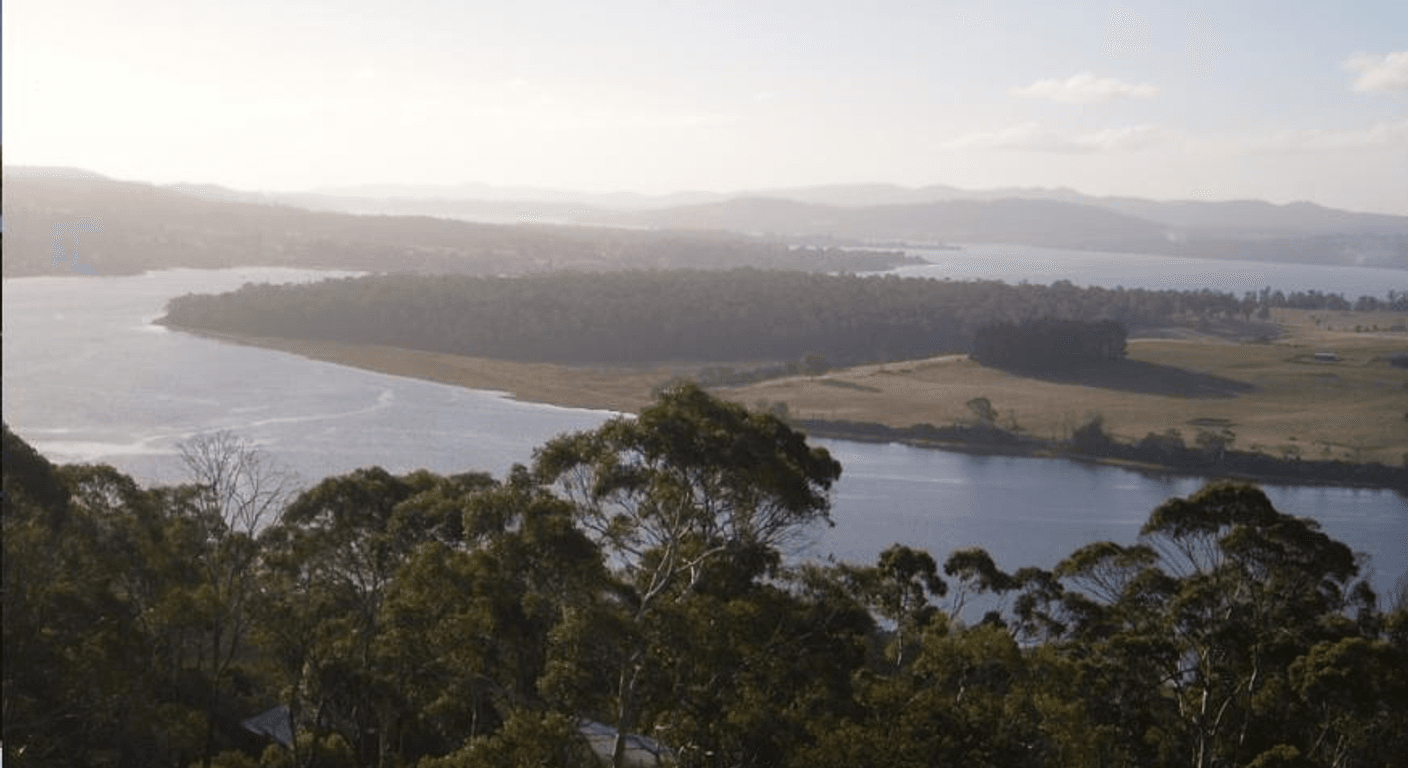
Port Cygnet is only a few minutes' drive from the main street, or a comfortable walk of around 15–20 minutes for those who enjoy a gentle stroll. The port sits on the Huon River estuary and offers calm, wide water views across to low hills on the opposite shore. It is not a dramatic seascape — it is quiet and composed, the kind of view that invites you to sit on a bench and simply be present for a while.
There is a small foreshore area with seating, and the light on the water in the afternoon is particularly appealing. Fishing boats and small craft are often moored here, giving the scene a working waterfront character rather than a manicured marina feel. For a group who has spent the morning indoors browsing, the walk or short drive to Port Cygnet provides a natural break and a change of pace. There are no significant entry costs and no facilities to navigate — just open space and water.
The foreshore path is relatively flat and suitable for most mobility levels, though the surface is not always smooth. Anyone with balance concerns would be comfortable walking slowly with a companion. It is a genuinely restful spot, and on a clear Tasmanian day the reflections on the river make it worth the short detour from the main street.
Is the Channel Highway scenic drive worth adding to the day?
The Channel Highway between Hobart and Cygnet is one of those Tasmanian drives that does not announce itself loudly but delivers consistently. The road follows the western shore of the Derwent estuary and then the D'Entrecasteaux Channel, with several lookout points where you can pull over and take in views across the water to Bruny Island and the surrounding hills. The lookouts are generally accessible directly from a car park with very short, flat walks to the viewing point.
A recommended approach for a day trip is to drive down via the Channel Highway, stopping at one or two lookouts on the way south, spend the middle of the day in Cygnet, visit Port Cygnet in the afternoon, and then return to Hobart by the same route or via Huonville and the Huon Highway for variety. The full loop adds perhaps 30–40 minutes of driving but gives the day a more rounded shape. Distances are modest by mainland Australian standards, and the roads are quiet enough to make the drive pleasant rather than tiring.
Kettering, a small settlement on the Channel Highway about 15 minutes north of Cygnet, is worth a brief stop. It is the departure point for the Bruny Island ferry and has a small marina with water views. You are not committing to a full Bruny Island visit — just a pause to take in the estuary and perhaps a coffee if timing allows. The combination of Kettering and Cygnet in a single day is manageable and gives a genuine sense of this southern Tasmanian corner.
What happens during the Cygnet Folk Festival in January?
The Cygnet Folk Festival is held each January and transforms the town for a long weekend. It is one of the longest-running folk festivals in Australia and draws musicians, dancers and audiences from across the country. Stages are set up in the town hall, in parks and in outdoor spaces, and the main street takes on a festival atmosphere with additional food stalls and street performers. For travellers who enjoy live music and a convivial crowd, it is a genuinely worthwhile event to plan around.
The festival does mean the town is significantly busier than usual, and accommodation in Cygnet and the surrounding Huon Valley books well in advance for that weekend. If your group is considering attending, it is worth securing accommodation several months ahead and checking the festival program on the official Cygnet Folk Festival website. Indicative weekend pass prices have historically been in the range of $50–$120; confirm current ticket pricing directly with the festival organisers.
Outside January, Cygnet returns to its quieter rhythms. Weekends in other months are mellow — busy enough to give the cafes and galleries good energy, but not so crowded that the town loses its character. Many travellers who have been to both the festival and a regular weekend actually prefer the quieter visit for the ease and pace it offers. Both have their appeal depending on what the group is looking for.
Practical notes: where to stay, what to bring, and how to pace the day
Cygnet itself has a small number of accommodation options including self-contained cottages and bed-and-breakfast style stays, which suit a group wanting to base themselves locally for a night or two rather than returning to Hobart the same day. For a day trip from Hobart, no accommodation is needed — the town is close enough that an early departure and a mid-evening return is very comfortable. Discover Tasmania's website is a useful starting point for accommodation options in the Huon Valley.
In terms of what to bring: layers are essential in Tasmania at any time of year. Even in summer, the temperature can shift noticeably between morning and afternoon, and a light jacket or cardigan is worth having in the bag. Comfortable, flat-soled shoes suit the main street and the foreshore walk. If the group plans to stop at Channel Highway lookouts, a pair of sunglasses and sun protection are sensible additions given the open water views.
A relaxed pace is the right approach. A morning arrival around 10am, a long brunch, a couple of hours of browsing, a walk to Port Cygnet and a late-afternoon return to Hobart makes for a full but not exhausting day. There is no need to see everything — the town is small enough that you will naturally cover the main street without a plan. The best advice is to let the day find its own shape, which is precisely the kind of freedom that Cygnet makes easy.
Quick planning guide
| Ideal pace | Slow and unhurried, with no fixed itinerary |
|---|---|
| Best months | Year-round; January for the Folk Festival, other months for a quieter visit |
| Suggested stay | A full day trip from Hobart, or one night for a more relaxed pace |
| Mobility level | Easy — flat main street and foreshore, though some older shopfronts have small entry steps |
| Cost level | Budget-friendly — browsing is free and cafe mains run around $18–$25 |
| Comfort level | Casual and relaxed, geared around cafes and slow browsing |
| Best for | Groups who enjoy wandering galleries and bookshops without a packed schedule |
| Main planning consideration | Self-drive via the Channel Highway is recommended, as bus timetables don't suit a day-trip return |
Key takeaways
- Cygnet is around 55 kilometres south of Hobart — roughly a 55-minute drive — making it a genuinely easy day trip from the city.
- The main street's galleries, bookshops and cafes can be browsed at no cost, with quality brunch and coffee available at indicative prices around $18–$25 per dish.
- Port Cygnet's waterfront is only a few minutes from the main street and offers calm estuary views with flat, accessible foreshore walking.
- Driving is the practical choice; bus services to Cygnet are infrequent and not well-suited to a day-trip itinerary.
- The Channel Highway south of Hobart offers several pull-over lookouts with water and island views, making the drive itself part of the experience.
- The Cygnet Folk Festival in January brings the town to life with live music, but outside that weekend the pace remains genuinely quiet and unhurried.
Recommended partners and links
Indicative prices only — always confirm with the operator before booking.
Frequently asked questions
Is Cygnet worth visiting outside the folk festival?
Yes. Outside the January folk festival, Cygnet is quieter but no less appealing — the galleries, bookshops and cafes operate year-round and the town's relaxed character is actually easier to enjoy without festival crowds.
Can you get to Cygnet from Hobart without a car?
There is a limited bus service to the Huon Valley, but the timetable is not suited to a comfortable day trip. Driving or hiring a car is the practical option for most visitors, particularly groups.
Is Cygnet accessible for travellers with limited mobility?
The main street is flat to gently undulating with mostly manageable footpaths, and many shops have low or no-step entry. Some older buildings have a small threshold step, so it is worth checking individual venues if you use a mobility aid.
How long do you need in Cygnet for a satisfying visit?
A half-day to a full day is enough for most visitors — around three to five hours covers a relaxed browse of the main street, a long brunch and a walk to Port Cygnet, with time to linger comfortably.
What is the best time of year to visit Cygnet?
Cygnet is worth visiting in any season. Summer (December to February) is warmer and includes the folk festival in January; autumn brings softer light and orchard colours in the surrounding Huon Valley. Tasmania's weather is variable year-round, so layers are advisable regardless of when you visit.