Dryandra Woodland, two hours south-east of Perth in Western Australia's Wheatbelt, protects one of the last wild numbat populations and offers nocturnal Barna Mia sessions for spotting bilbies, woylies and mala. April to October brings the mildest conditions and most active wildlife. A day trip or overnight stay suits most visitors. Walking trails are unsealed with moderate effort required, though shorter loops exist. No public transport runs there, so a hire car from Perth is essential.
What makes Dryandra Woodland worth a dedicated trip?
Dryandra is not a national park with a visitor centre, café and sealed loop road. It is a working remnant — around 28,000 hectares of wandoo and powderbark woodland that survived the clearing of the Wheatbelt largely because the land was set aside as a timber reserve in the early twentieth century. That accident of history now makes it one of the most significant sanctuaries for threatened fauna in southern WA.
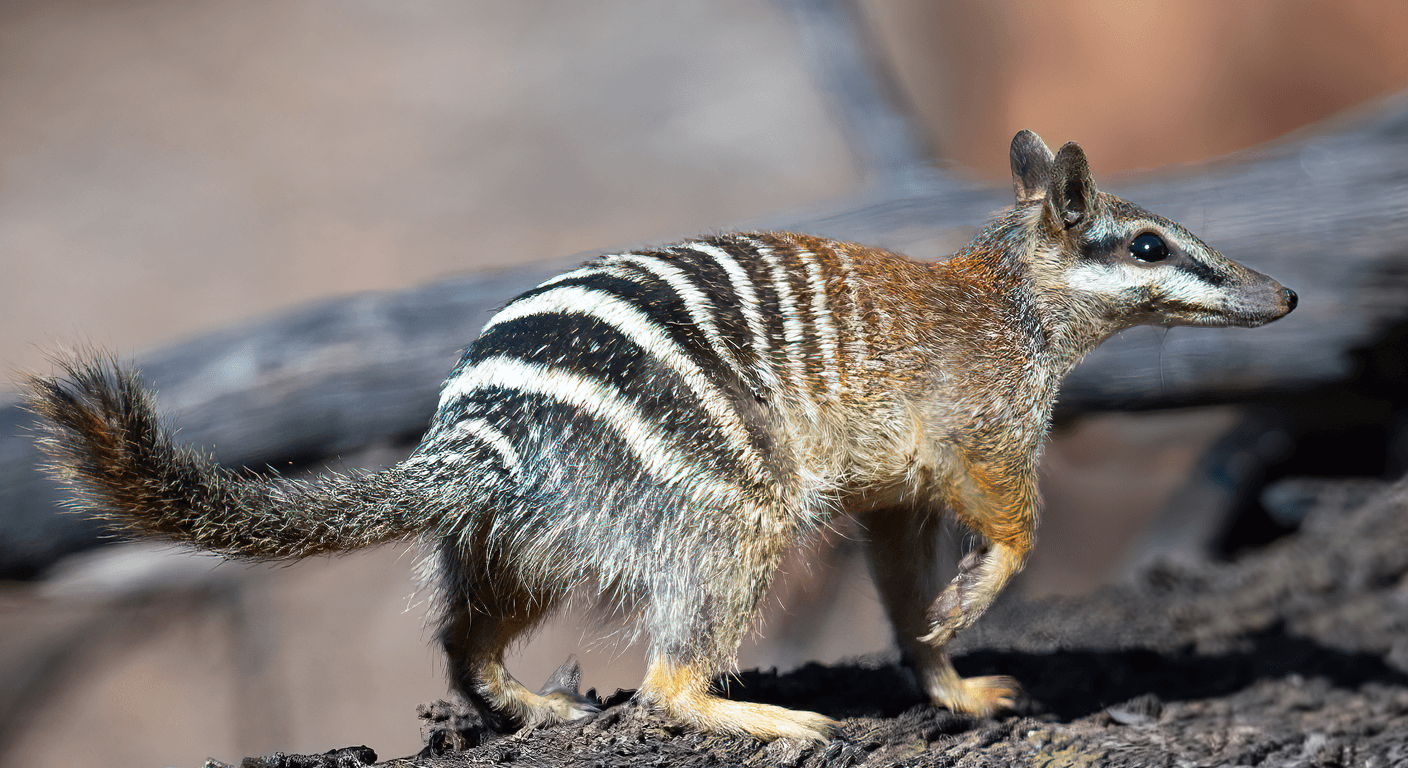
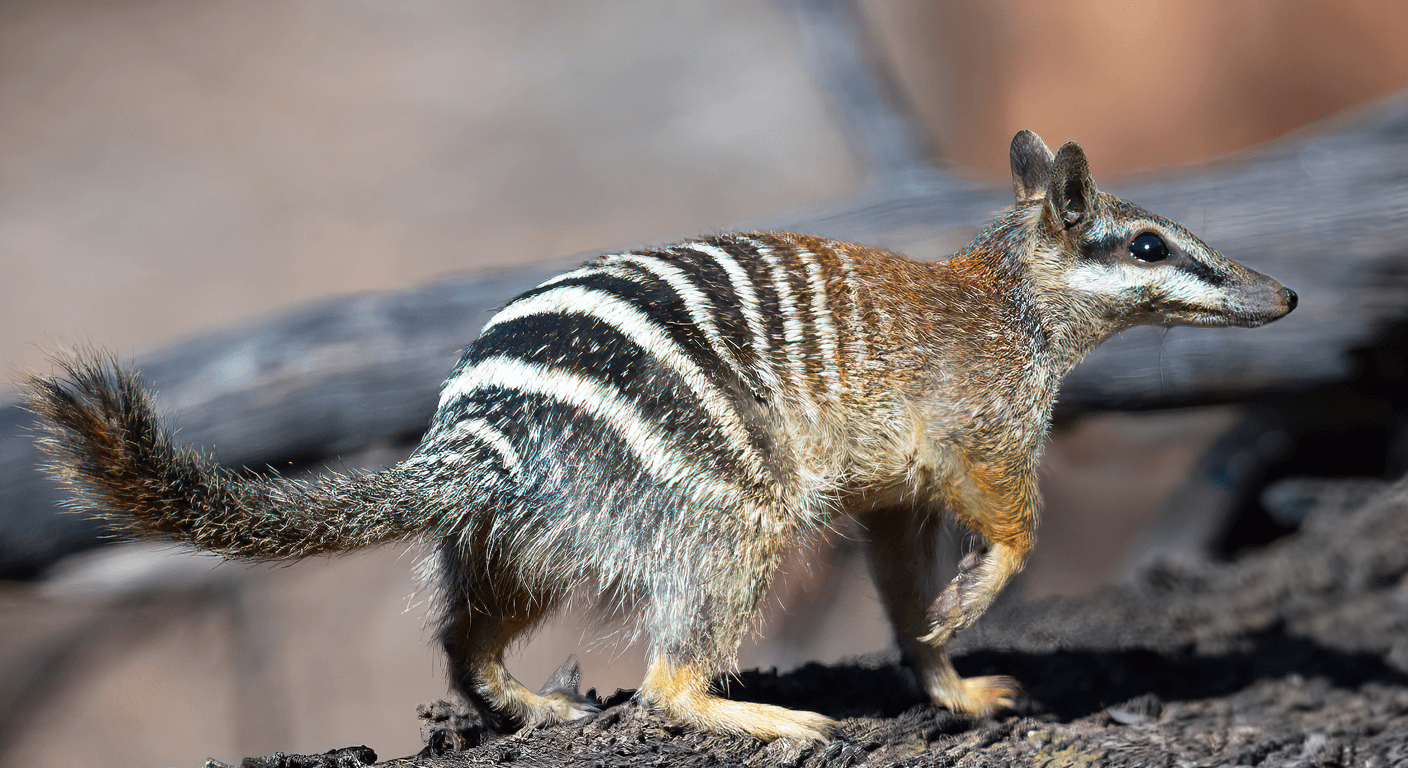
The numbat is the reason most people make the drive. Bright rust and black-striped, about the size of a large squirrel, it is one of only two marsupials active exclusively during the day — and it is critically endangered. Wild populations persist in very few locations, and Dryandra is among the most accessible. You are not guaranteed a sighting; the woodland is large and numbats are not performance animals. But April through October, when conditions are cooler, offers the best chance of spotting one moving between the salmon gum logs it raids for termites.
For a group of friends travelling together — the kind of trip where conversation matters as much as the itinerary — Dryandra has a particular quality. The pace is yours. There is no queue, no commentary loop, no gift shop. Just a long quiet road, some excellent birds overhead, and the genuine possibility of something rare.
Getting there from Perth — and from further afield
The woodland is roughly 175 kilometres south-east of Perth, most of it via the Great Southern Highway through Pingelly. Allow around two hours from the city, and longer if you stop in Brookton or Pingelly for a stretch and coffee. The roads are sealed to the main woodland entry at Lions Dryandra Village; after that, internal tracks are gravel and can be corrugated after rain.
There is no public transport to Dryandra. A hire car from Perth is the practical option for travellers flying in from the eastern states — flights from Melbourne and Sydney to Perth take around three and a half to four hours, with regular direct services. Perth airport is well served by all major carriers. For a group, splitting a hire car makes the economics comfortable.
Travellers based in regional Victoria — particularly those who prefer a considered itinerary to a rushed one — will find that flying into Perth the afternoon before, spending a night in the city or in Narrogin, and arriving at Dryandra rested the following morning makes the experience far more satisfying. Jet lag is not the issue it is with international travel, but a long flight followed immediately by two hours of highway driving is nobody's idea of a good start.
Barna Mia: the nocturnal wildlife experience explained
Barna Mia is an enclosed nocturnal sanctuary within the woodland, managed by the Department of Biodiversity, Conservation and Attractions. Sessions run on selected evenings and must be booked in advance through Parks and Wildlife WA — this is not a drop-in experience, and availability on any given night is limited. Check the Parks and Wildlife WA website well before your travel dates, confirm current pricing, and book as soon as your dates are fixed.
The session involves a guided walk through the fenced enclosure in the dark, using low-intensity red-light torches that don't disturb the animals. Species you may encounter include the woylie (brush-tailed bettong), the bilby, the mala (rufous hare-wallaby), the greater stick-nest rat and the numbat. May encounter — sightings are never guaranteed, and a guide who tells you otherwise is not being straight with you. That uncertainty is part of what makes an actual sighting feel like something.
The terrain inside Barna Mia is uneven bush ground. Wear enclosed, flat-soled shoes — not sandals, not thongs. Bring a warm layer; Wheatbelt nights drop sharply in the cooler months. The session lasts roughly ninety minutes and involves moderate walking on unpaved surfaces. For travellers with hip or knee concerns, it is worth contacting Parks and Wildlife WA ahead of time to discuss what the walk involves; the ground is not steep, but it is not smooth.
Day walking in the woodland — what to expect
Dryandra has several marked walking trails ranging from short loops around Lions Village to longer tracks through the wandoo forest. None of them are paved. Surfaces are sandy, sometimes rocky, and can be slippery after rain. The longer routes — such as the Ochre Trail and the Numbart Trail — pass through open woodland with good bird watching opportunities, particularly in the morning when honeyeaters, red-capped robins and the occasional black cockatoo are most active.
Carry more water than you think you need. There are no water refill stations on the trails, and in the warmer shoulder months the sun in the Wheatbelt has more authority than it looks. A hat, sunscreen and a small daypack are the basics. Start early, especially between September and October when temperatures can climb by mid-morning.
For travellers who find long bush walks uncomfortable, the shorter loops near the village — some under two kilometres — still give access to the woodland feel and reasonable wildlife viewing. Kangaroos are common throughout the day. Echidnas appear with pleasing frequency. A pair of binoculars earns its weight here.
Where to stay — Narrogin and Lions Dryandra Village
Lions Dryandra Village, within the woodland itself, offers self-contained cottage-style accommodation managed by the Lions Club. It is basic but comfortable — a genuine bush stay rather than a resort experience, which suits the place entirely. Cottages have kitchen facilities, which makes catering for a group of friends practical and economical. Book directly and confirm current availability and pricing, as the cottages are popular on nights when Barna Mia sessions are scheduled.
Narrogin, about 26 kilometres from the woodland entrance, is the nearest town with a broader range of options — motels, a hotel and a couple of smaller guesthouses. It is a functional Wheatbelt town rather than a tourist destination, but it has a good supermarket, a bakery worth visiting in the morning, and the Narrogin Visitor Centre, which can assist with woodland information. For a group wanting more comfort or a larger space, Narrogin is a sensible base.
Accommodation costs in this region are low by Australian standards — indicative motel rates in Narrogin are well under $150 per room per night, though confirm current pricing before booking, as these figures shift. The woodland itself has no dining options, so plan to bring food for the day or eat in Narrogin before or after.
Practical considerations for travellers over 50
Travel insurance is worth reviewing before any WA trip, particularly for travellers with pre-existing conditions. Narrogin has a hospital, and Perth is two hours away — not remote by Outback standards, but not suburban either. Confirm that your policy covers any relevant conditions and includes medical evacuation if required.
The Wheatbelt has limited mobile coverage in parts, including some areas of the woodland. Download offline maps before you leave the highway, and let someone know your itinerary if you are walking solo trails. For group travel, this is less of a concern — but it is still worth noting that GPS signal can drop on internal woodland tracks.
For Latin Australian travellers, or anyone travelling with friends from culturally mixed backgrounds, it is worth knowing that Dryandra sits on Noongar Country. The wandoo woodland and its creatures have cultural significance to Noongar people that predates the conservation estate by millennia. Approaching the place with that awareness — rather than simply as a wildlife park — adds a layer of meaning to the visit that no amount of signage can fully convey.
Making the most of a group day trip
A well-organised group day trip from Perth to Dryandra works best with an early start — on the road by seven, at the woodland by nine, morning walk done before the heat builds, a picnic lunch at Lions Village, and the afternoon free for resting before a Barna Mia evening session. That is a full and satisfying day without being punishing.
For groups who prefer an overnight, the two-day version — arrive mid-afternoon, settle in, evening Barna Mia session, morning walk the next day, back to Perth by lunch — is the most relaxed structure. It also means you arrive at Barna Mia having had a rest, which matters when the session starts at dusk and runs to around nine or ten in the evening.
Dryandra is the kind of place that generates conversation for months afterwards — not because it ticked boxes on a highlights reel, but because something unexpected happened in a quiet stretch of woodland in the dark. That is a different kind of travel entirely, and for a group of friends who have seen enough of the predictable kind, it tends to land well.
Quick planning guide
| Ideal pace | Unhurried — self-set, with no queues or fixed itinerary |
|---|---|
| Best months | April to October, for cooler days and active wildlife |
| Suggested stay | One full day, or an overnight two-day visit for a more relaxed pace |
| Mobility level | Moderate — unsealed, sometimes uneven trails, but shorter loops under two kilometres are available |
| Cost level | Budget-friendly — entry activities under $30 and Narrogin motels well under $150 a night |
| Comfort level | Basic but comfortable — bush-style cottages rather than resort facilities |
| Best for | Small groups of friends over 50 seeking a genuine, unstaged wildlife encounter |
| Main planning consideration | Book the Barna Mia nocturnal session ahead through Parks and Wildlife WA and arrange a hire car, as there is no public transport |
Key takeaways
- Dryandra Woodland, two hours from Perth, holds one of the last wild numbat populations in Australia — sightings are possible but never guaranteed.
- Barna Mia nocturnal wildlife sessions must be pre-booked through Parks and Wildlife WA; confirm current pricing, dates and availability well ahead of travel.
- All walking trails in the woodland are unsealed and can be rough — enclosed shoes, a hat and plenty of water are non-negotiable.
- April to October is the best window: mild days, active wildlife and manageable night temperatures for the Barna Mia session.
- Lions Dryandra Village offers self-contained bush accommodation within the woodland; Narrogin, 26 kilometres away, has broader motel and service options.
- There is no public transport to Dryandra — a hire car from Perth is the practical choice, making it ideal for a small group splitting costs.
Recommended partners and links
Indicative prices only — always confirm with the operator before booking.
Frequently asked questions
Do you need to book Barna Mia in advance?
Yes. Barna Mia nocturnal wildlife sessions at Dryandra Woodland are ticketed and must be pre-booked through the Department of Biodiversity, Conservation and Attractions (Parks and Wildlife WA). Sessions run on selected nights only, and availability is limited. Confirm current dates, pricing and booking procedures at the Parks and Wildlife WA website before finalising your travel plans.
Are numbat sightings guaranteed at Dryandra?
No. Numbats are wild animals in a large woodland, not exhibit animals. Sightings are possible — particularly on cooler mornings between April and October — but cannot be promised. The Barna Mia session focuses on nocturnal species such as woylies, bilbies and mala; daytime numbat sightings occur on the open walking trails and depend on conditions and luck.
How difficult are the walking trails at Dryandra for older travellers?
Trails are rated Moderate overall. All surfaces are unsealed — sandy, sometimes rocky or corrugated — and can be uneven after rain. Short loops near Lions Village (under two kilometres) are manageable for most walkers. Longer trails require reasonable fitness and sure-footing. Enclosed, flat-soled shoes are essential; sandals and thongs are unsuitable. Travellers with hip or knee concerns should stick to shorter loops or contact Parks and Wildlife WA for specific trail information.
Is Dryandra Woodland accessible from Perth as a day trip?
Yes, though an overnight stay is recommended for the best experience. The woodland is around 175 kilometres from Perth — roughly two hours by car via the Great Southern Highway. There is no public transport. A day trip is feasible if you leave Perth early, but combining a day walk with the Barna Mia evening session makes an overnight in Narrogin or at Lions Dryandra Village the more comfortable and rewarding option.
What should travellers over 50 bring to Dryandra?
Enclosed, flat-soled shoes are essential for both the day trails and the Barna Mia night walk. Bring more water than you expect to need — there are no refill points on the trails. A warm layer is important for evening sessions, as Wheatbelt nights can be cold between April and September. A hat, sunscreen and binoculars are strongly recommended for day walking. Download offline maps before entering the woodland, as mobile coverage can be patchy.