Dryandra Woodland, about two hours from Perth, is one of the few places in Australia where wild numbats can still be seen, with April to October the best window as cool mornings keep them foraging longer. A two-night stay allows two dawn spotting drives plus an evening torchlight walk at the Barna Mia sanctuary. Mobility demands are moderate, with wildlife spotting done slowly by car and only gentle walking involved. Access requires flying into Perth, then driving or hiring a car, as there's no public transport to Dryandra.
Why Dryandra Is Worth the Journey from the East Coast
Flying into Perth from Melbourne, Adelaide or Sydney takes roughly three to four hours — a manageable hop, especially if you choose a morning flight and give yourself an easy first night in Perth before driving south-east the following day. The drive to Dryandra through the wheatbelt is flat, well-signed and genuinely pleasant: low wandoo woodland appears gradually, replacing the suburban fringe, and by the time you reach the forestry village you feel properly away from things.
For a group of women who've done enough resort holidays to know they prefer something with a bit of substance, Dryandra offers a different kind of reward. There's no queue, no tour bus, no commentary track playing in your ear. There's just the woodland, the morning light through pale grey-green eucalypts, and the very real possibility that a small striped marsupial will trot across the track in front of your car. That possibility — unhurried, unguaranteed, genuinely wild — is the whole point.
The jet-lag question barely applies for a domestic trip, but the time-zone shift from Victoria to WA is real: two to three hours behind eastern time depending on the season. That actually works in your favour here — your body clock will have you awake and alert at dawn, precisely when numbats are most active.
What Is a Numbat, and Why Is Seeing One Such a Rarity?
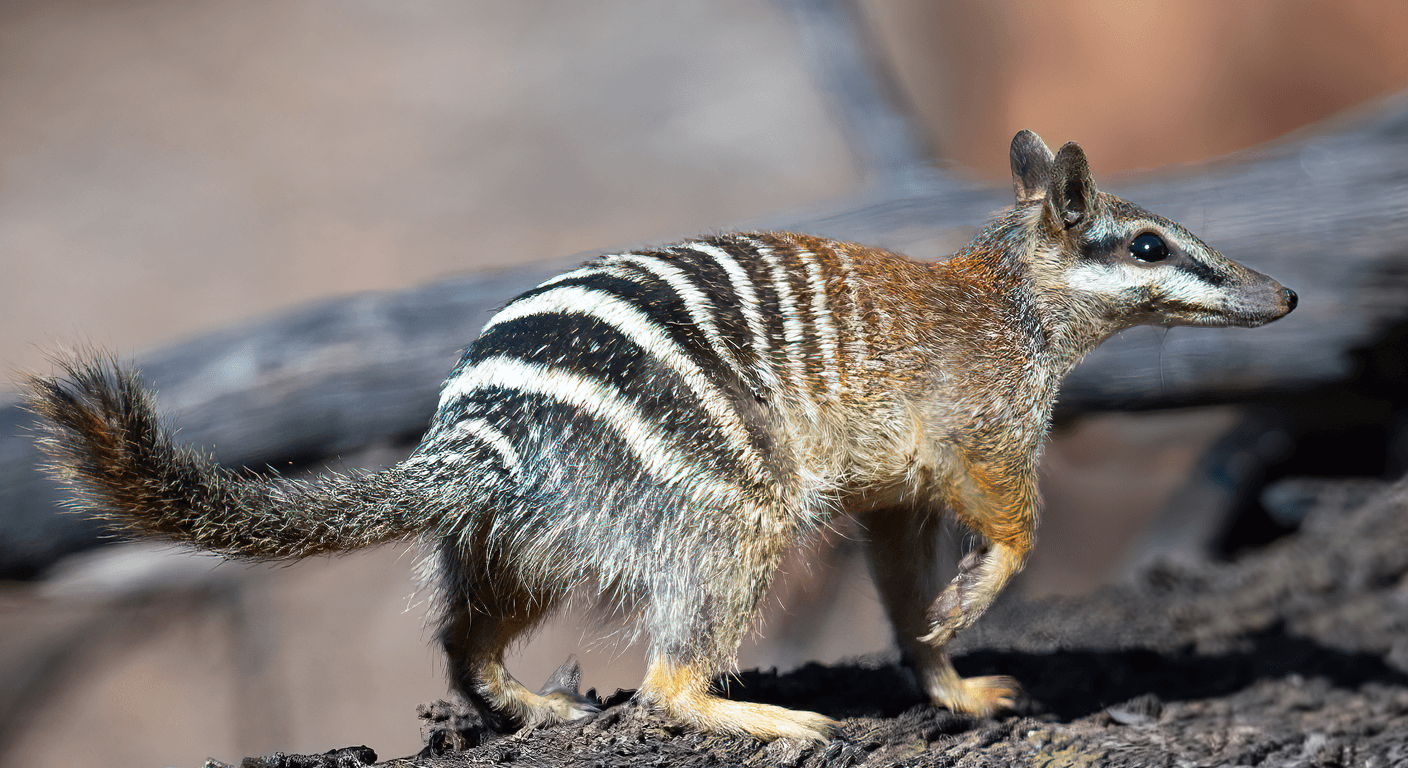
The numbat is Australia's mammal emblem of Western Australia and one of the country's most endangered marsupials. Unlike most marsupials, it's entirely diurnal — active during the day — and feeds almost exclusively on termites, consuming thousands in a single morning. It's a small, rust-and-white striped creature with a brushy tail and an expression of perpetual mild surprise. It is also, outside of a handful of managed sites, functionally impossible to see in the wild.
Dryandra is the exception. The woodland sits within a serious predator-management programme, and the numbat population here is one of the few that persists without a fully fenced enclosure. Sightings are not guaranteed — this is wildlife, not a theme park — but visitors who drive slowly along the gravel woodland tracks between roughly 9am and noon on a calm, cool morning stand a genuinely good chance. April through October, when temperatures are moderate and numbats spend longer foraging, is the window to aim for.
The experience of seeing one is quieter than you'd expect. There's no fanfare. One moment the track is empty; the next, something moves at the base of a fallen log, pauses, and you realise what you're looking at. Keep the engine off and stay still. They're not especially skittish, but they won't perform for you either. That's rather the point.
Barna Mia: The Nocturnal Sanctuary Worth Booking Well Ahead
Barna Mia is a fenced nocturnal wildlife sanctuary within Dryandra Woodland, managed by Parks and Wildlife WA. Guided torchlight walks run on selected evenings and give visitors the chance to see bilbies, woylies (brush-tailed bettongs), malas (rufous hare-wallabies) and other rare marsupials at close range — animals that would otherwise be invisible in the dark and practically impossible to encounter in the wild anywhere else.
Tours are guided, run for roughly 90 minutes, and are conducted at a gentle walking pace on relatively flat ground. The uneven surface underfoot and low-light conditions mean sensible footwear matters — closed shoes with grip, not sandals. A small torch is provided, but bringing your own is wise. The experience is genuinely moving: standing in quiet woodland while a bilby investigates the ground a few metres away is not something you forget in a hurry.
Prices are indicatively around $20 to $30 per person, but confirm current pricing and availability directly with Parks and Wildlife WA before making plans — sessions book out, particularly in school holidays and long weekends. This is the one booking in the whole trip that rewards early organisation. Everything else at Dryandra is refreshingly spontaneous.
Where to Stay: The Old Forestry Village and Nearby Narrogin
Dryandra Village is the former home of the forestry workers who managed this woodland for much of the twentieth century. A cluster of weatherboard cottages has been retained and converted into self-contained accommodation — simple, characterful, and about as close to the woodland as you can sleep. Waking up here, with the birds starting before dawn and no traffic noise, recalibrates something. For a group of friends, a cottage with a shared verandah and a bottle of Margaret River red is a very fine evening.
The cottages are managed through Parks and Wildlife WA, and availability is limited — booking ahead is essential, particularly for weekends. Facilities are functional rather than luxurious: kitchen, bathroom, bedding. Bring your own food and supplies from Narrogin, the nearest town, about 25 kilometres away. Narrogin has a supermarket, a bakery, a couple of cafes and a pleasant main street that won't detain you long but has everything you need.
For those who prefer a motel bed and a proper café breakfast, staying in Narrogin and driving into the woodland each morning is a perfectly workable alternative. The road in is sealed and takes around 25 minutes. Some travellers find this actually suits the rhythm better — drive in for the morning numbat window, have lunch in the village, return to Narrogin for a comfortable afternoon, then drive back for Barna Mia in the evening.
Getting There: Flights, Driving and the Practical Realities
Perth is well-served by direct flights from Melbourne, Sydney, Adelaide and Brisbane. Qantas, Virgin Australia and Rex all operate routes; flight times from Melbourne and Adelaide are around three to three-and-a-half hours. Flying into Perth the day before you intend to drive south gives you time to collect a hire car, stock up on supplies and have a decent night's sleep — particularly valuable if you're coming from Victoria and your body clock is already asking questions.
A hire car is non-negotiable for this trip. Dryandra is not accessible by public transport, and the slow-cruise experience of looking for numbats along woodland tracks only works if you're driving yourself. Most standard hire cars handle the gravel internal roads comfortably; there's no need for a four-wheel drive. The drive from Perth to Dryandra via the Albany Highway through Williams is the most direct route — confirm current road conditions with Main Roads WA before travelling, particularly after winter rains.
For travellers based in regional Victoria — Ballarat, Bendigo, the Latrobe Valley — the most practical option is usually a flight from Melbourne (Tullamarine), with a connecting drive to whichever regional airport is nearest home, or a friend-group arrangement where someone drives to the city the night before. It adds a step, but the trip itself is straightforward once you're in Perth.
Pacing It Right: A Suggested Two-Night Itinerary
Day one: arrive at Dryandra Village by mid-morning, unpack, have a quiet lunch, then take a slow drive along the main woodland tracks between 10am and noon — this is your first numbat window. In the afternoon, walk the short interpretive trail near the village (well-graded, shaded, around 45 minutes at a comfortable pace). That evening, the Barna Mia torchlight walk — the main event of the day, and the one to have booked months in advance.
Day two: up early, drive the woodland tracks again at first light for a second numbat attempt. Mornings after a cool night are often productive. A relaxed breakfast back at the cottage, then a drive to the Congelin area of the park, where different vegetation types attract different birds. After lunch, the afternoon is genuinely free — read, doze, sit on the verandah and listen. There's no obligation to be busy. On a trip like this, the unscheduled hours are often what people remember most.
A third night extends the stay comfortably and removes any pressure — if the numbats didn't show on day one, there are two more mornings. It also allows a half-day detour into Narrogin to visit the Narrogin Regional Museum or the Albert Facey Homestead, both modest and worthwhile, before the drive back to Perth.
Practical Considerations for Over-50 Travellers
Dryandra suits a moderate mobility level. The woodland tracks where numbat spotting happens are driven, not walked — so there's no requirement to cover long distances on foot. The Barna Mia walk is gentle but conducted on natural ground in low light, so tread carefully and wear closed, grippy shoes. The short interpretive walks near the village are well-maintained and suitable for most fitness levels; longer bush walks exist for those who want them but are entirely optional.
Travel insurance is essential for any trip, and particularly worth reviewing if you have pre-existing conditions — ensure your policy covers medical evacuation from a regional area, however unlikely that need may be. The nearest hospital is in Narrogin; for anything serious, Perth is the referral point. Narrogin has a pharmacy and medical clinic; confirm current hours before travelling.
The winter months (June and July) are cool at Dryandra — overnight temperatures can drop to near zero. Pack layers. The days are mild and often clear, which is perfect numbat weather, but the Barna Mia evening walk will feel genuinely cold, so a warm jacket is not optional. Autumn (April–May) and spring (September–October) offer the most comfortable conditions for a group that wants pleasant evenings as well as productive mornings.
Quick planning guide
| Ideal pace | Slow and unhurried, with unscheduled time built in |
|---|---|
| Best months | April to October, when cooler mornings keep numbats active longer |
| Suggested stay | Two nights, with a third for extra flexibility |
| Mobility level | Moderate — driving-based wildlife spotting and gentle, well-maintained walks |
| Cost level | Budget-friendly, with simple self-contained cottages and modest tour fees around $20–$30 |
| Comfort level | Simple and functional rather than luxurious; winter nights are cold |
| Best for | Wildlife-focused travellers and small groups who prefer quiet, unhurried experiences over guided crowds |
| Main planning consideration | Book Barna Mia sessions and cottage accommodation well ahead, and arrange a hire car as there's no public transport to Dryandra |
Key takeaways
- Dryandra Woodland near Narrogin is Australia's most reliable location for spotting wild numbats in their natural habitat.
- The Barna Mia nocturnal sanctuary offers guided torchlight walks to see bilbies, woylies and malas — book well ahead through Parks and Wildlife WA.
- April to October is the best window to visit, with cool mornings keeping numbats active and foraging for longer.
- A hire car is essential — Dryandra is not accessible by public transport, and the numbat experience happens from a slow-moving vehicle on woodland tracks.
- Two nights in Dryandra Village gives the right pace: one evening for Barna Mia, two dawn windows for numbat spotting, and genuine time to breathe.
- Confirm all accommodation, Barna Mia tour bookings and current prices directly with Parks and Wildlife WA before finalising any plans.
Recommended partners and links
Indicative prices only — always confirm with the operator before booking.
Frequently asked questions
What is the best time of year to see numbats at Dryandra Woodland?
April to October is the most reliable window. Numbats are diurnal and most active in cooler conditions, so winter and shoulder-season mornings — roughly 9am to noon — offer the best chance of a sighting along the woodland tracks. Summer heat suppresses activity and makes sightings much less likely.
Do I need to book the Barna Mia nocturnal walk in advance?
Yes. Barna Mia tours are guided, run on selected evenings, and have limited capacity. They book out — particularly on weekends and during school holidays. Contact Parks and Wildlife WA directly through parks.dpaw.wa.gov.au to check availability and current pricing, which is indicatively around $20 to $30 per person.
Is Dryandra Woodland suitable for travellers with limited mobility?
The numbat-spotting experience is done from a car on gravel woodland tracks, so it suits most mobility levels. The Barna Mia walk is gentle and flat but takes place on natural ground in low light, which requires careful footing and closed shoes with grip. Longer bush walks are optional. The experience overall is rated Moderate rather than Active.
How do I get to Dryandra Woodland from Perth?
Drive south-east from Perth via the Albany Highway through Williams, then follow signs to Dryandra — the journey takes around two hours. A hire car is essential as there is no public transport to the park. Confirm current road conditions with Main Roads WA before travelling, particularly after winter rainfall.
Where do you stay near Dryandra Woodland?
Dryandra Village, within the park itself, has self-contained forestry cottages available for overnight stays — book through Parks and Wildlife WA. Narrogin, about 25 kilometres away, offers motel and guesthouse accommodation with more facilities, and is a practical base for day visits into the woodland. Confirm availability and current rates directly before booking.