Dubbo and Parkes suit travellers best from April through October, when days are mild and spring adds wildflowers across the plains. A four to five day stay allows unhurried time at Taronga Western Plains Zoo, where a drivable loop road makes the open savannah exhibits genuinely easy on mobility, plus a 90-minute drive west to the free CSIRO Parkes radio telescope — the real 'Dish' from the film. Melbourne travellers can fly Rex Airlines direct to Dubbo or take the scenic Sydney XPT train.
Why Dubbo and Parkes Work So Well Together
There is a particular pleasure in travelling inland Australia that coastal holidays rarely match — a sense of space, slower rhythm, and towns that still feel like themselves. Dubbo, a confident regional city of around 40,000 people in central-western New South Wales, sits about eight hours by road from Melbourne or a comfortable overnight train journey from Sydney. Parkes is another 100 kilometres west along the Newell Highway, a straight and easy drive through golden paddocks. Together they fill four to five days without any sense of rushing.
For a solo traveller who values being able to set her own timetable, this pairing is close to ideal. The zoo is genuinely self-paced. The telescope is a walk-in, linger-as-long-as-you-like experience with no queues and no pressure. The towns themselves are small enough to navigate confidently on foot or by taxi, with good coffee, a handful of quality restaurants, and locals who tend to be straightforwardly friendly to visitors travelling alone.
Victoria-based travellers have the option of flying into Dubbo Airport (Rex Airlines operates from Melbourne), or taking the train from Melbourne to Sydney and connecting to the XPT. Both routes are manageable, though the train option adds a pleasant unhurried quality to the whole trip that suits the pace of this kind of travel.
Getting There: The XPT Train from Sydney and Other Options
The NSW TrainLink XPT from Sydney Central to Dubbo is one of the more civilised ways to arrive. The journey takes roughly six hours and runs through the Blue Mountains, which means the scenery earns its keep for at least the first half of the trip. Trains depart daily; book through Transport for NSW at transportnsw.info. Concession fares are available for eligible holders of a Pensioner Concession Card — confirm current eligibility and pricing when booking, as these details change. Seats are comfortable, the train has a café car, and there is no need to manage luggage through an airport.
If you are driving from Victoria, the most direct route is up the Hume Highway to Sydney and then west via the Great Western Highway, or alternatively north on the Newell Highway from Melbourne through Shepparton and across the border — a long day's drive best broken at Albury or Wagga Wagga. Flying is the fastest option: Rex Airlines connects Melbourne to Dubbo, with flights typically under two hours. Check rex.com.au for current schedules and fares.
Once in Dubbo, a hire car is genuinely useful, particularly for the drive to Parkes and for reaching the zoo, which sits about four kilometres from the city centre. Several major hire car companies operate from Dubbo Airport. Taxis and rideshare are available in town for shorter trips, and the zoo itself is accessible without a personal vehicle if you arrange a taxi for the outward journey and use the zoo's internal transport options once inside.
Taronga Western Plains Zoo: How to Make the Most of a Multi-Day Visit
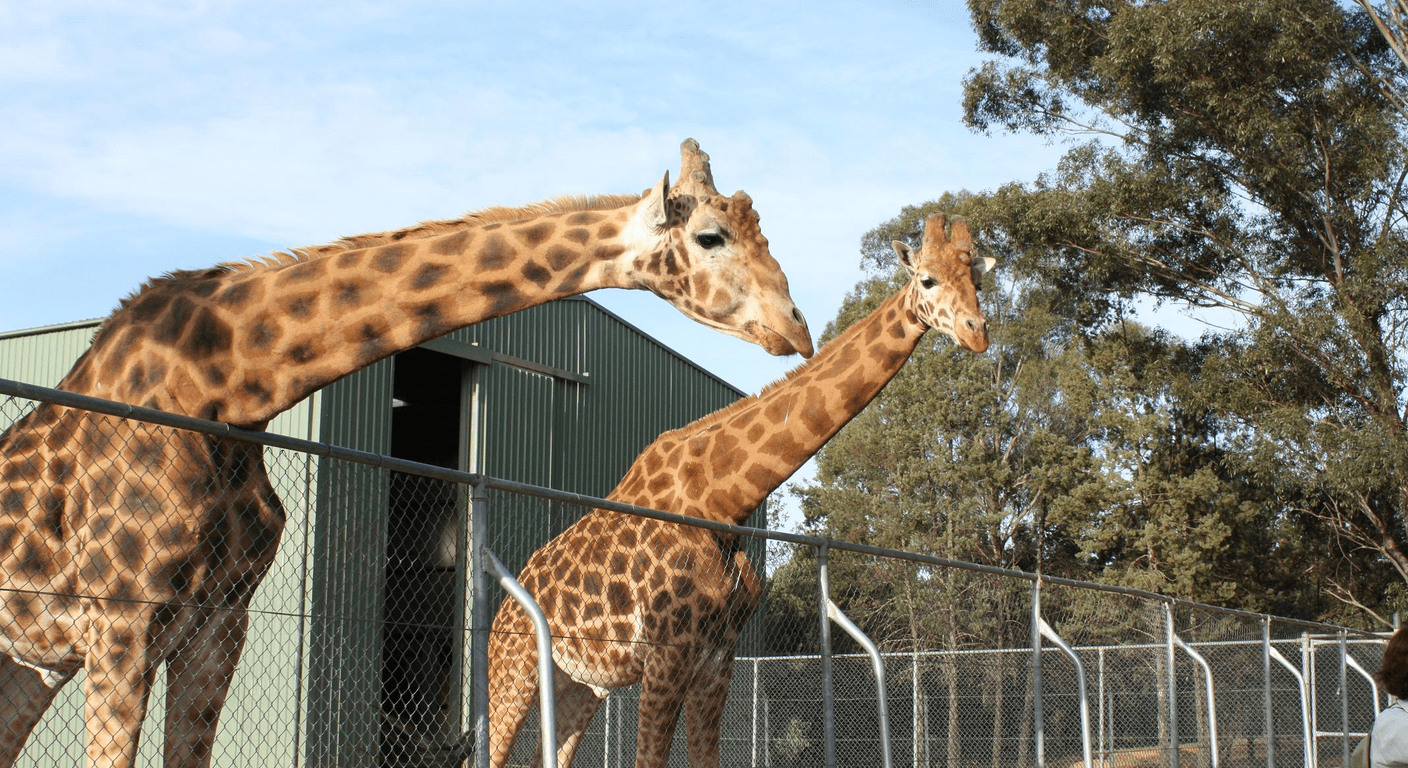
Taronga Western Plains Zoo is not a conventional zoo. It covers around 300 hectares of open savannah-style terrain, and the animals — giraffe, rhinoceros, lion, cheetah, elephant, zebra and many others — live in large, naturalistic enclosures separated from visitors by moats rather than cages. The result is an experience that genuinely feels different from a city zoo: quieter, more spacious, and with a quality of observation that rewards patience. The zoo's official website is taronga.org.au/dubbo-zoo.
The question most relevant to a traveller who is sensible about her knees and energy levels is: how far do you have to walk? The honest answer is that you do not have to walk much at all if you plan ahead. The zoo's internal 6-kilometre loop road is open to private vehicles during specified hours, which means you can drive to each exhibit cluster, park, walk a short distance to the viewing area, and return to your car. Alternatively, you can hire a bicycle or a two-person electric cart at the zoo's entrance — the electric cart is the most comfortable option for anyone who prefers not to cycle. Confirm current availability and hire costs directly with the zoo, as these details are subject to change.
Multi-day tickets are the way to go. The zoo is too large and too rich in detail to absorb in a single visit, and a two-day ticket allows you to take the morning slowly on day one, rest in the afternoon, and return fresh on day two for the exhibits you missed or want to revisit. Concession pricing applies to eligible pensioner and senior card holders — confirm current rates at taronga.org.au/dubbo-zoo before you travel, as pricing is reviewed periodically. The zoo opens early, and the first hour or two of the morning, before the day heats up, is consistently the best time for animal activity.
Old Dubbo Gaol: A Surprisingly Absorbing Afternoon in Town
Old Dubbo Gaol, on Macquarie Street in the centre of Dubbo, operated as a working prison from 1847 until 1966 and is now a heritage site with a well-produced self-guided tour. The site uses animatronic figures, audio recordings, and period-furnished cells to tell the stories of prisoners and staff who passed through the gaol — some of the stories are genuinely affecting, and the production quality is higher than you might expect for a regional attraction. The official website is olddubbogoal.com.au.
The site is compact and entirely walkable within its own boundaries, which makes it manageable for most mobility levels, though some of the older building interiors involve uneven surfaces and low doorways — worth keeping in mind. Allow around two hours for a thorough visit. Concession entry rates are available; confirm current pricing directly with the gaol. It sits an easy walk or short taxi ride from the main accommodation precinct along the Macquarie River.
Dubbo's central area also has a pleasant main street with cafes, a good regional art gallery (Dubbo Regional Gallery, free entry), and the Western Plains Cultural Centre. For a solo traveller who values having a full day's activity in town on either side of zoo visits, these options fill the time without any effort.
The Drive to Parkes and the Famous Dish
The drive from Dubbo to Parkes takes around 90 minutes on the Newell Highway — a straight, well-maintained road through flat farming country that is entirely manageable for a solo driver. Parkes itself is a relaxed country town, perhaps best known internationally for the Parkes Elvis Festival held each January, but the CSIRO radio telescope on its outskirts is the attraction that draws travellers with a genuine curiosity about science and Australian cultural history.
The Parkes radio telescope — officially the CSIRO Parkes Observatory, and affectionately known as 'The Dish' — is a 64-metre diameter radio telescope that has been in continuous scientific operation since 1961. It played a critical role in receiving television signals from the Apollo 11 moon landing in 1969, a story told with warmth and dry humour in the 2000 Australian film of the same name. Standing beneath it in person, the scale is quietly impressive — this is a working scientific instrument, not a museum piece, and that distinction gives the visit a particular quality. The official site is parkes.atnf.csiro.au.
The visitor centre is free to enter and contains well-designed interactive displays explaining radio astronomy, the telescope's history, and its ongoing research role. There is a short walking path around the base of the telescope, a gift shop, and a café. The grounds are flat and the path is paved, making this one of the more accessible regional attractions in New South Wales. Allow two to three hours to do it properly, including time to simply sit with the view. The telescope rotates during observations, and if you happen to be there when it moves, it is a memorable thing to watch.
Where to Stay and How to Pace the Trip
Dubbo has a solid range of accommodation from motel chains to a handful of boutique options. For a solo traveller, a motel or hotel room along the Macquarie riverfront precinct puts you within easy reach of the town centre and is straightforward to navigate. The zoo also operates Zoofari Lodge, an on-site glamping experience with accommodation directly inside the zoo grounds — it is a genuinely different experience and worth considering if budget allows, though it books ahead and is not the most economical option. Check taronga.org.au/dubbo-zoo for current availability and pricing.
A practical itinerary for five nights might run as follows: arrive Dubbo on day one, settle in and explore the town centre; days two and three at the zoo on a multi-day ticket, taking mornings only if the heat or energy demands it; day four, the drive to Parkes for the telescope and a look around the town; day five, Old Dubbo Gaol and a slow afternoon before departure. This leaves room to rest without feeling like anything important has been missed.
Parkes has accommodation if you prefer to stay overnight rather than return to Dubbo — the town has several comfortable motels and the atmosphere on a quiet midweek evening is genuinely pleasant. Staying one night in Parkes adds a different quality to the trip and means you can visit the telescope early in the morning before any day-tripper groups arrive.
Practical Considerations: Heat, Health, and Travelling Solo
Inland New South Wales runs hot in summer, and Dubbo in January or February can reach temperatures that make outdoor activity genuinely uncomfortable by late morning. The ideal travel window is April through October, when days are warm to mild and evenings are cool. Spring (September to November) brings wildflowers on the surrounding plains and is particularly pleasant. If travelling in warmer months, plan zoo visits for the first two hours after opening and rest through the middle of the day.
For a solo traveller, the standard sensible precautions apply: carry water, wear a hat and sunscreen, and pace yourself honestly — the zoo is large enough that enthusiasm in the morning can leave you depleted by afternoon. The zoo has shaded rest areas and a café at the central hub. Most of the visitor infrastructure at both the zoo and the telescope is designed for general public use and does not require significant physical exertion, though uneven ground exists in some areas of the zoo's exhibit zones.
Solo travel in Dubbo and Parkes is low-risk and socially comfortable. Both are conservative regional towns where a woman travelling alone attracts no particular attention. Accommodation staff tend to be helpful with local advice, and the regional tourism bodies maintain useful information — visit visitdubbo.com.au and visitparkes.com.au for current listings of accommodation, dining, and events.
Quick planning guide
| Ideal pace | Slow and self-directed, with no fixed schedule required |
|---|---|
| Best months | April to October, with spring (September–November) especially pleasant |
| Suggested stay | Four to five days |
| Mobility level | Easy — drivable zoo loop, electric cart or bike hire option, flat paved paths at the telescope |
| Cost level | Budget-friendly, with concession pricing available at most attractions |
| Comfort level | Quiet and unhurried, well suited to a relaxed inland break |
| Best for | Solo travellers, seniors, and pensioner-concession holders wanting an easy-paced regional trip |
| Main planning consideration | Avoid summer heat (Jan–Feb) and schedule zoo visits for the first hours after opening |
Key takeaways
- Taronga Western Plains Zoo offers a 6-kilometre internal loop road you can drive, cycle, or navigate by electric cart — genuinely manageable for travellers who prefer not to walk long distances.
- Multi-day concession tickets at the zoo represent solid value; confirm current pricing and eligibility at taronga.org.au/dubbo-zoo before travelling.
- The NSW TrainLink XPT from Sydney to Dubbo takes around six hours and passes through the Blue Mountains — a scenic and low-stress arrival option for travellers coming from the east.
- The CSIRO Parkes Observatory visitor centre is free to enter, the grounds are flat and paved, and the 64-metre telescope is a working scientific instrument with genuine historical significance.
- April through October is the most comfortable travel window for inland New South Wales, avoiding the intense summer heat that can make outdoor activity difficult.
- Old Dubbo Gaol offers a well-produced two-hour heritage experience in the centre of town, with concession pricing available — confirm current rates directly with the site.
Recommended partners and links
Indicative prices only — always confirm with the operator before booking.
Frequently asked questions
Is Taronga Western Plains Zoo accessible for older travellers who have difficulty walking long distances?
Yes, the zoo is designed around a 6-kilometre internal road loop that visitors can drive in their own vehicle during specified hours, or navigate by hire bicycle or electric cart available at the entrance. This means you can move between exhibit areas without walking the full distance between them. Confirm current cart hire availability and costs directly with the zoo at taronga.org.au/dubbo-zoo, as operational details are subject to change.
How do you get from Sydney to Dubbo by train?
The NSW TrainLink XPT departs Sydney Central Station daily and reaches Dubbo in roughly six hours, travelling through the Blue Mountains. Concession fares are available for eligible Pensioner Concession Card holders. Book through Transport for NSW at transportnsw.info and confirm current timetables and fares before travelling.
Is there an entry fee for the Parkes radio telescope?
The CSIRO Parkes Observatory visitor centre is free to enter. The grounds, walking path, and interpretive displays are all accessible without charge. There is a café and gift shop on site. The telescope itself is a working scientific instrument and is not open for interior visits, but you can walk around its base on a paved path.
What is the best time of year to visit Dubbo and Parkes?
April through October is the most comfortable period, with warm to mild days and cool evenings. Summer months (December to February) can bring extreme heat in inland New South Wales, with temperatures regularly exceeding 35 degrees Celsius, which makes outdoor activity at the zoo and telescope difficult during the middle of the day.
Are senior or concession discounts available at Taronga Western Plains Zoo and Old Dubbo Gaol?
Both attractions offer concession pricing for eligible card holders. Taronga Western Plains Zoo lists concession rates on its website at taronga.org.au/dubbo-zoo, and Old Dubbo Gaol offers concession entry — confirm current rates and eligibility requirements directly with each attraction before your visit, as pricing is reviewed periodically.