Bourke, on the Darling River in outback New South Wales, is best visited between April and September when temperatures are mild rather than dangerously hot. A stay of three to four days suits most solo travellers, centred on the Back O' Bourke Exhibition Centre, which covers paddle-steamer, drover and Indigenous river history. Mobility demands are easy, with flat, sealed walking paths, and the town is reachable via sealed roads from Sydney or Melbourne, or by flying into Dubbo and hiring a car.
Why Bourke? Understanding what this town actually is
Bourke is not a town that tries to be anything other than itself. At around 2,000 people, it sits on the Darling River 800 kilometres northwest of Sydney and roughly 850 kilometres from Melbourne via the Newell Highway and Kidman Way. The phrase 'back o' Bourke' entered Australian English as shorthand for the edge of the known world — and standing at the old wharf on a still April morning, watching river red gums trail their branches into slow brown water, you understand why the expression stuck.
For a solo traveller who has done the coastal circuits and the alpine drives, Bourke offers something different: genuine remoteness without the requirement of a four-wheel drive or a swag. The town is accessible on sealed roads, the main attractions are flat and walkable, and the motel standard, while modest, is perfectly comfortable. What it demands is time — not just days on the ground, but the patience to slow down and let the place arrive at its own pace.
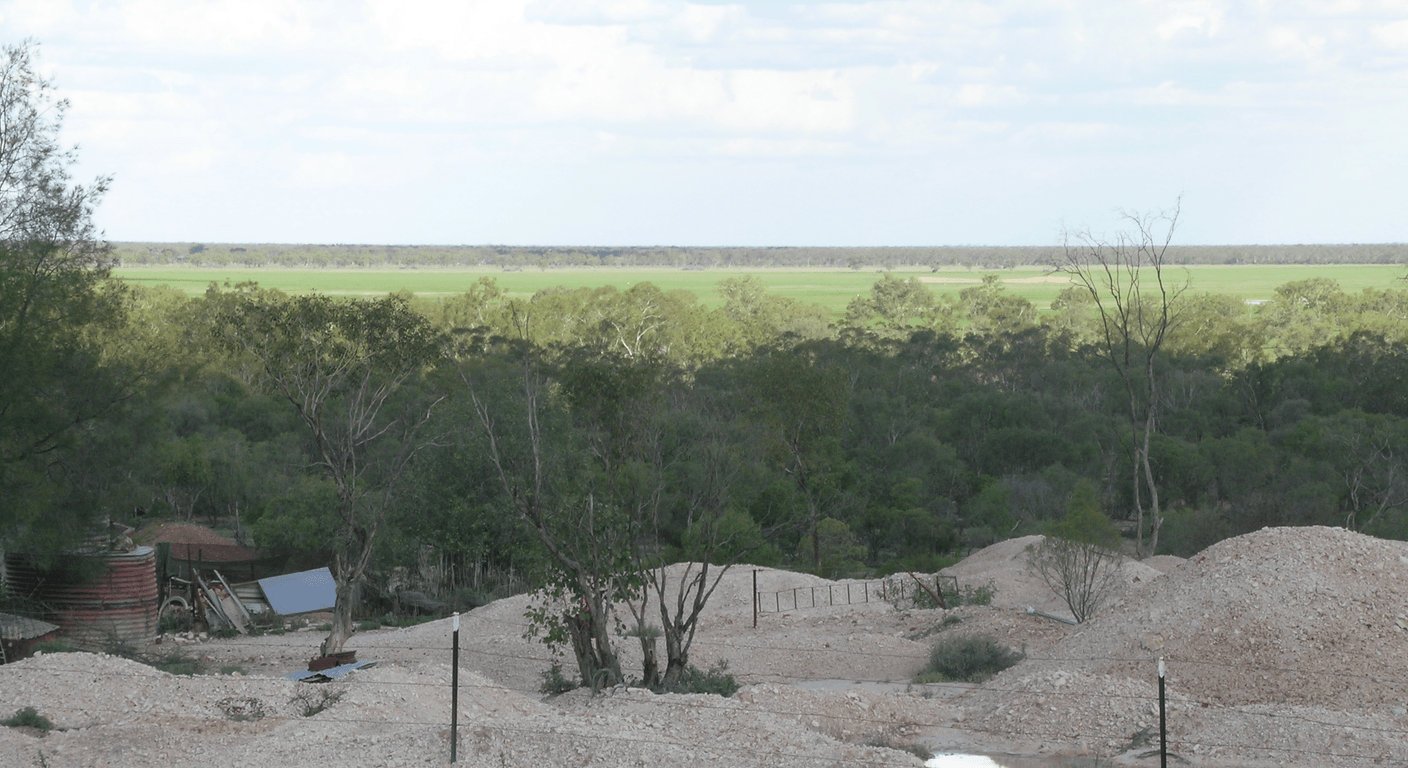
The landscape is not dramatic in the way that Uluru or the Kimberley is dramatic. It works on you quietly. The light changes over the floodplain. The galahs are absurdly loud at dusk. The silence between those moments is total. That's the pitch, and it's an honest one.
The Back O' Bourke Exhibition Centre: what's inside and how long to allow
The Exhibition Centre is the centrepiece of any visit and earns its entry fee. Opened in the early 2000s and progressively upgraded, it tells the layered story of the Darling River country — the Ngemba people and their deep relationship with the river, the era of paddle steamers carrying wool bales downstream to the Murray, the drovers pushing cattle across the plains, and the bush poets, including Henry Lawson, who found their voice in this landscape. The presentation is genuinely immersive: sound design, period artefacts and well-written interpretive panels that don't talk down to an adult audience.
Budget at least two to three hours, more if you're the kind of traveller who reads every panel. There's a decent café on site, which matters when you're a long way from the nearest alternative. Concession entry is available — confirm current pricing directly with the centre before you travel, as rates are updated periodically. A paddle vessel has historically operated river cruises from the wharf precinct; check with the centre or the Bourke Visitor Information Centre before booking, as operating schedules and vessel status can change seasonally.
The centre also serves as a practical orientation point for the town. Staff are knowledgeable and genuinely pleased to talk through what's worth doing in the surrounding area, including timing for Gundabooka National Park and the best spots along the river for birdwatching. Don't rush past the desk.
The historic wharf and the Darling River: walking at your own pace
The old Bourke wharf precinct is a short, flat walk from the town centre. In its nineteenth-century prime, it was one of the busiest inland ports in Australia — paddle steamers loaded with wool bales were a common sight on what was then a navigable artery running all the way to the sea. The infrastructure is largely gone, but the river red gums remain, massive and permanent, their roots gripping the bank with the confidence of things that have survived many floods.
The walking is easy. The main riverside path is level and largely sealed, with benches placed at sensible intervals. Early morning is the best time — the light is low and golden, the temperature is comfortable in the cooler months, and the birdlife is extraordinary. Corellas, ibis, herons, and occasionally pelicans work the shallows. A pair of decent binoculars is worth packing.
The Darling itself can look deceptively placid. It's a working river with a complicated history of drought, flood and ecological stress — the 2018–19 fish kills upstream were a national story. Travelling here in 2026, you're seeing a river in a long process of recovery. That context adds weight to the visit rather than diminishing it.
Getting to Bourke: the Kidman Way and what the drive actually involves
From Melbourne, the most direct route runs north on the Newell Highway through Dubbo, then west and north on the Kidman Way to Bourke — roughly 850 kilometres in total. It's a two-day drive with a comfortable overnight in Dubbo or Nyngan. The Kidman Way is mostly sealed and in reasonable condition, but road surfaces in outback New South Wales can deteriorate after rain; check Live Traffic NSW (livetraffic.com) before departing and after any wet weather.
Fuel is the critical variable. Between Nyngan and Bourke, the stops are few and the distances are real. Fill the tank at every opportunity rather than waiting for the gauge to drop. Carry at least ten litres of spare fuel in an approved container if your vehicle's range is modest. A tyre repair kit and a basic emergency kit — water, food, a charged phone with emergency contacts downloaded offline — are not overcaution, they're standard practice for this country.
Flying is a reasonable alternative for those who'd prefer not to drive the full distance. Rex Airlines (rex.com.au) has historically served the Dubbo to Bourke route, though schedules change — confirm current services before planning. From Dubbo, a hire car gives you the flexibility the town requires; there's no useful public transport between Dubbo and Bourke. If you're driving from Sydney, the route via Bathurst and Dubbo is slightly shorter than the Victorian approach.
Where to stay and eat: realistic expectations
Bourke's accommodation is motel-standard and the choice is limited. The Bourke Riverside Motel has historically been the most comfortable option, with river views and accessible rooms — confirm current availability and rates directly, as outback motels change ownership and standards periodically. The Port of Bourke Hotel is the town's most historic pub and offers rooms above the bar; fine if you're comfortable with the ambient noise of a working country pub, less ideal if you're a light sleeper.
Book ahead. This cannot be overstated. In the April-to-September window, Bourke attracts grey nomads, birdwatchers and history travellers in numbers that can exceed the town's modest room inventory, particularly on weekends. Arriving without a booking is a gamble with poor odds.
Dining options are limited to the pub, the Exhibition Centre café (which may not operate evenings — confirm), and a small number of takeaway shops. The pub counter meal is reliable and generous. Self-catering is difficult without a kitchen, so choose accommodation accordingly. The IGA supermarket on Oxley Street covers basics. This is not the place to arrive hungry at 7 pm without a plan.
Beyond the centre: what else fills three or four days
Gundabooka National Park, roughly 70 kilometres south of Bourke on a sealed road, offers Aboriginal rock art sites and walking trails through mulga and cypress pine country. The terrain is gentle by national park standards, and the art sites are accessible with modest walking. Standard NSW National Parks fees apply — confirm current entry costs at nationalparks.nsw.gov.au. Go early in the day and take more water than you think you need.
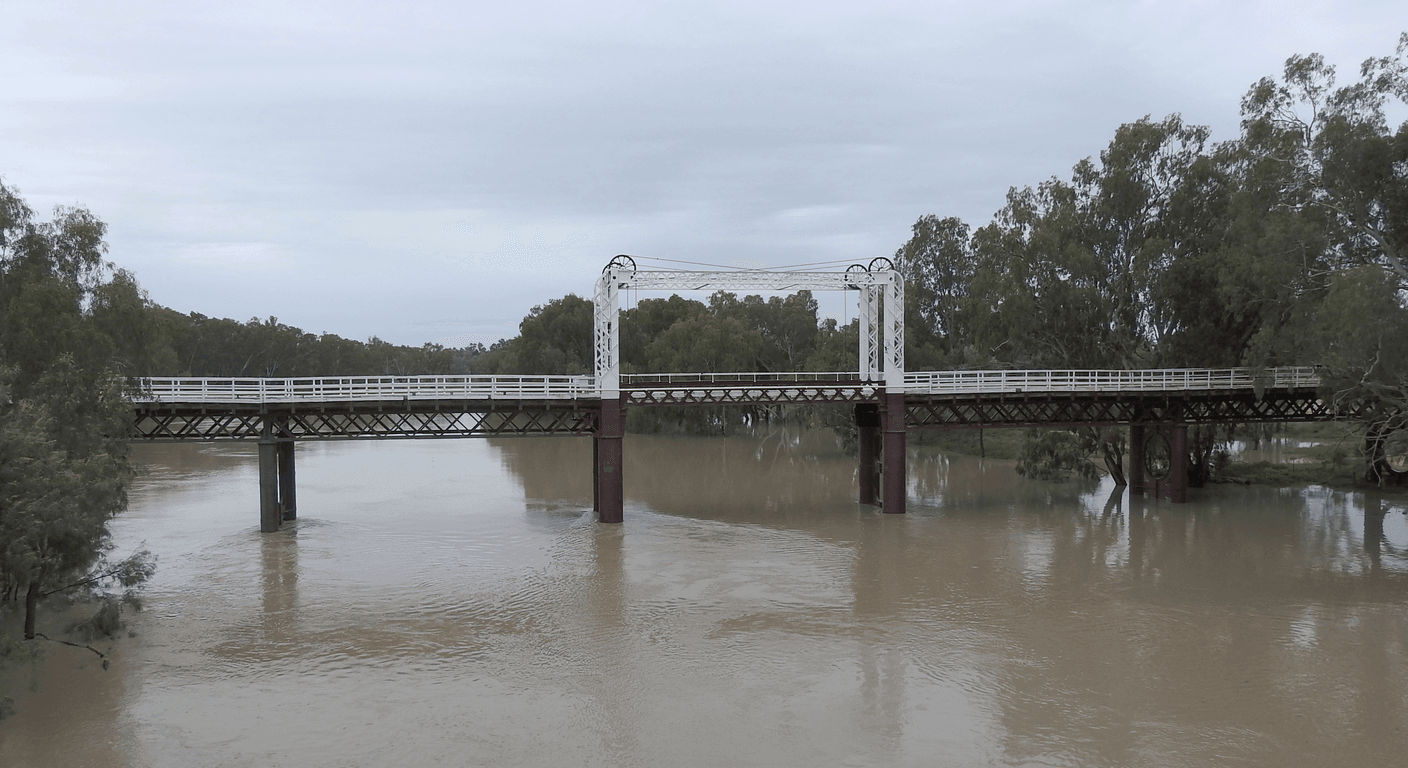
The North Bourke Bridge is worth a short detour — a historic lift bridge over the Darling with good photographic possibilities at any time of day. The town itself has a handful of heritage buildings worth a slow walk: the old courthouse, the Bourke Cemetery (where the headstones tell their own story of drought and distance), and the police station museum, which operates on limited hours — check locally before making a special trip.
Some travellers use Bourke as a base for a day trip further west toward Wanaaring or Hungerford on the Queensland border. These are unsealed roads and the distances are serious — this is territory where you tell someone your route and your expected return time. For most visitors over 50 who are travelling solo, the town and its immediate surrounds provide more than enough material for three to four days without venturing onto unsealed tracks.
Practical matters: health, safety and travelling smart in outback NSW
Mobile coverage in Bourke is reasonable in the town centre but drops away quickly on the surrounding roads. A satellite communicator — the Garmin inReach range is well regarded — is worth considering for any solo traveller doing outback distances. It's not dramatic preparation; it's the same logic as carrying a spare tyre.
Travel insurance is non-negotiable. For travellers with pre-existing conditions, read the policy carefully and declare everything. Medical facilities in Bourke are limited to a regional hospital with flying doctor support — serious emergencies require evacuation to Dubbo or further. This is not a reason to avoid the trip; it's a reason to be appropriately insured and to manage your health proactively before you leave.
The heat between October and March is not merely uncomfortable — it's dangerous for anyone spending time outdoors. Temperatures regularly exceed 40 degrees Celsius, and the combination of low humidity and intense sun can cause heat illness faster than most travellers expect. April to September is the sensible window, with days typically in the low to mid-twenties and nights dropping to single figures in July and August. Pack a warm layer for evenings regardless of when you travel.
Quick planning guide
| Ideal pace | Slow and unhurried, allowing the landscape and exhibits time to settle |
|---|---|
| Best months | April to September, when days are mild and nights cool |
| Suggested stay | Three to four days |
| Mobility level | Easy — flat, largely sealed paths at the wharf, town and exhibition centre |
| Cost level | Budget-friendly, motel-standard accommodation and simple dining |
| Comfort level | Modest but comfortable; limited dining and accommodation choice |
| Best for | Solo travellers over 50 seeking genuine outback remoteness without a 4WD |
| Main planning consideration | Book accommodation well ahead in the April–September peak, plan fuel stops carefully between Nyngan and Bourke, and avoid the dangerous October–March heat |
Key takeaways
- Bourke is accessible on sealed roads from Melbourne or Sydney, making it a legitimate outback destination for solo drivers without a four-wheel drive.
- The Back O' Bourke Exhibition Centre delivers two to three hours of serious cultural content on riverboat, drover and bush-poet history — confirm entry prices and paddle-vessel cruise availability before you go.
- April to September is the only comfortable travel window; October to March brings heat that makes outdoor activity genuinely hazardous.
- Fuel discipline is essential — fill at every opportunity between Nyngan and Bourke, and carry a spare supply in an approved container.
- Accommodation in Bourke is limited; pre-booking is essential in the peak April-to-September season, particularly on weekends.
- Mobile coverage fades quickly outside town — a satellite communicator is sensible preparation for any solo traveller driving outback NSW roads.
Recommended partners and links
Indicative prices only — always confirm with the operator before booking.
Frequently asked questions
Is Bourke suitable for solo travellers over 60?
Yes. The town is flat and walkable, the main attractions are accessible without a four-wheel drive, and the motel accommodation is comfortable enough for an independent traveller. The main requirements are advance planning — book accommodation early, carry adequate fuel and water on the road, and have travel insurance that covers remote medical evacuation.
How long should you spend at the Back O' Bourke Exhibition Centre?
Allow a minimum of two hours; three hours is more realistic if you engage fully with the exhibits. The centre covers Indigenous river history, the paddle-steamer era, droving culture and bush poetry in depth. There is a café on site. Confirm current entry prices and any concession rates directly with the centre at backobourke.com.au before you travel.
Can you take a paddle-steamer cruise on the Darling River at Bourke?
River cruises have historically operated from the Bourke wharf precinct, but vessel availability and schedules change seasonally. Confirm the current status of any cruise operation with the Back O' Bourke Exhibition Centre or the Bourke Visitor Information Centre (bourke.nsw.gov.au) before building it into your itinerary.
What is the best time of year to visit Bourke?
April to September. Days are typically warm and dry — often in the low to mid-twenties Celsius — while summer temperatures regularly exceed 40 degrees and make outdoor activity dangerous. July and August nights drop to near zero, so pack warm layers. Spring wildflowers can be impressive after good winter rain.
How do you get to Bourke from Melbourne without flying?
Drive north on the Newell Highway to Dubbo, then continue northwest via the Kidman Way to Bourke — roughly 850 kilometres in total on mostly sealed roads. It's a comfortable two-day drive with an overnight stop in Dubbo or Nyngan. Check Live Traffic NSW (livetraffic.com) for current road conditions before departing, especially after rain.