Esperance, on Western Australia's south coast roughly 720 kilometres from Perth, is best visited in spring (September–November) or autumn (March–May) for mild weather and manageable crowds. Three to five nights suits the pace, with Lucky Bay's kangaroo-strewn white sand as the defining highlight. Mobility is moderate: the town and main paths are flat and sealed, but beach sand is soft. Flying from Perth and hiring a car locally is the practical way in, since no rail or coach service reaches the town.
Why Esperance deserves a place on your travel list
There is a particular kind of satisfaction that comes from a destination that still feels genuinely remote. Esperance is not undiscovered — Australians have known about Lucky Bay for years — but it has none of the polish or crowds of the east coast's headline beach towns. The town itself is compact and functional, the locals are straightforward, and the landscape does the talking. For a solo traveller who prefers honest scenery over curated experiences, that is exactly the point.
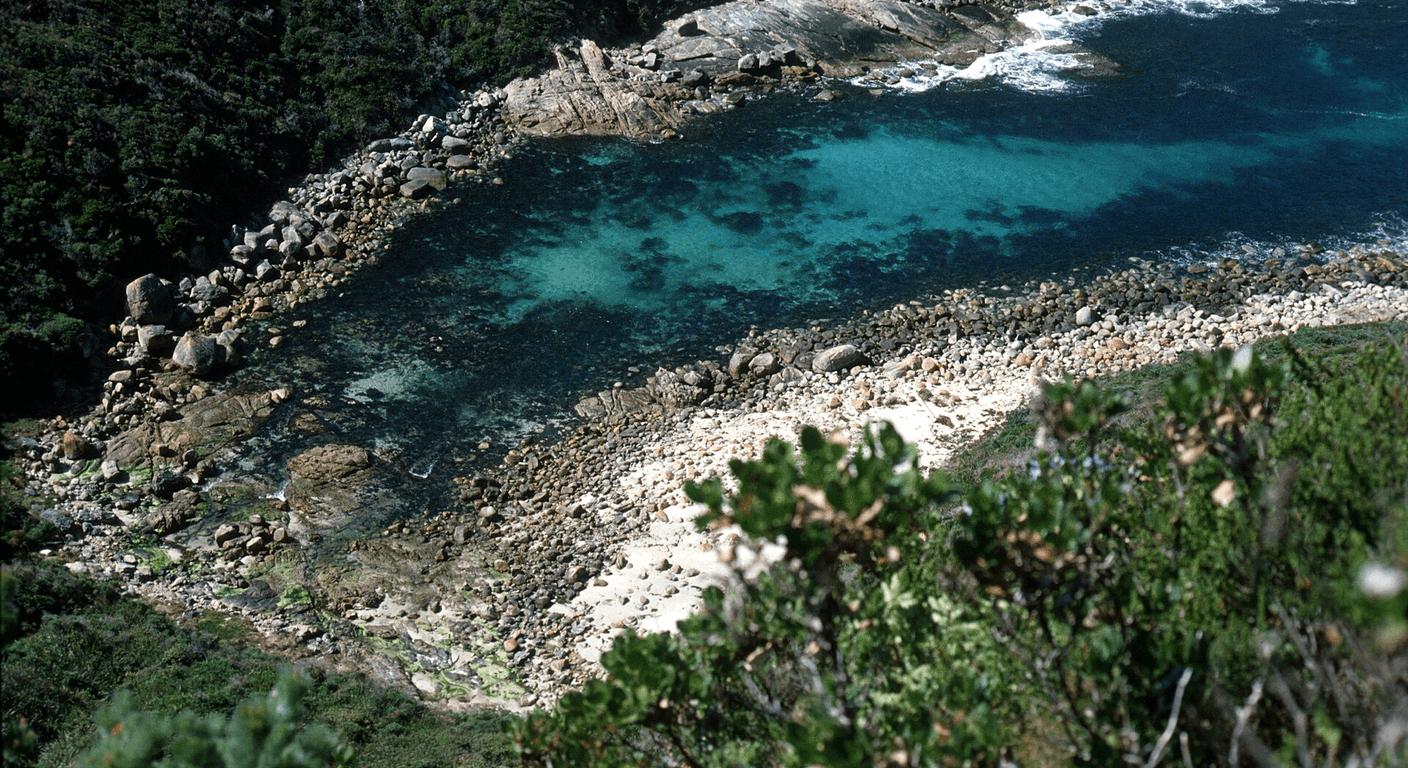
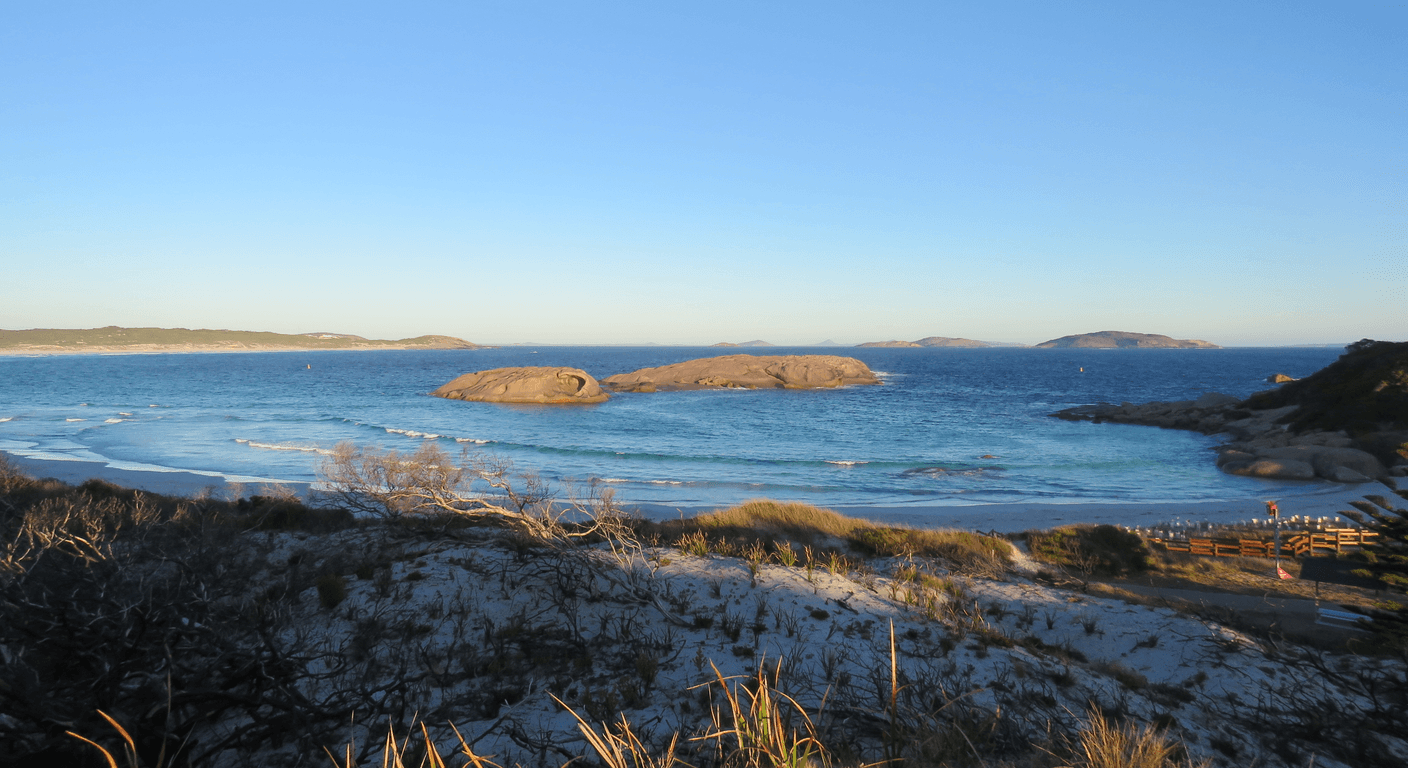
The beaches here owe their extraordinary whiteness to the high silica content of the quartz sand, combined with the clarity of the Southern Ocean water. The colour is real — photographs do not lie about it, which is rare enough. Lucky Bay, Hellfire Bay, and Twilight Beach each have a slightly different character, and a few days gives you time to appreciate all three without rushing. The Great Ocean Drive loop from town ties it together in a single half-day by car, with lookouts spaced generously along the route.
Esperance also sits within a broader context that suits older travellers: there is no pressure to fill every hour, the town has a good supermarket and several solid cafes, accommodation is reasonably priced by Australian coastal standards, and the national park roads — while unsealed in parts — are manageable in a standard hire car outside wet weather. It is a place to slow down, and that is a recommendation, not a warning.
Getting to Esperance: drive, fly, or a combination?
From Perth, Esperance is roughly 720 kilometres by road — typically a seven-hour drive on the South Coast Highway, passing through Hyden if you want to add Wave Rock to the itinerary. The drive itself is easy going on sealed roads, but seven hours is a long day, and most travellers doing it independently choose to break the journey in Hyden or Norseman overnight. If you are hiring a car from Perth, factor in that the car will need to be returned to Perth unless you use a one-way hire arrangement, which adds cost.
The more practical option for many over-50s is to fly. Rex Airlines operates regular services between Perth and Esperance Airport, with flight times around one hour. Fares are indicative at roughly $150 to $250 one way at time of writing, though prices vary by season and booking lead time — check current fares directly with Rex at rex.com.au. Flying in and hiring a car locally gives you the flexibility you need without the physical toll of a long drive each way. Esperance has a small number of car hire operators; confirm availability and book ahead, particularly in peak summer months.
There is no passenger rail service to Esperance, and coach connections are limited, so a car is effectively essential once you arrive. The town is flat and walkable for the main street and foreshore, but Lucky Bay and the Great Ocean Drive are not accessible without your own transport or a tour. Some small local operators offer guided day trips to Cape Le Grand, which is worth considering if you prefer not to drive on unsealed roads.
Lucky Bay and the kangaroos: what to actually expect
Lucky Bay is inside Cape Le Grand National Park, about 56 kilometres east of Esperance. The road is sealed for most of the journey and then transitions to a well-maintained gravel road for the final stretch into the park. A standard two-wheel-drive hire car handles it comfortably in dry conditions. National park entry fees apply — around $17 per vehicle at time of writing, though you should confirm current fees at parks.dbca.wa.gov.au before you go.
The kangaroos are genuinely there. Eastern grey kangaroos have been congregating on the beach for years, apparently drawn by the fresh water that seeps through the sand. They are wild animals, not habituated to feeding, and the advice from Parks WA is to observe them without approaching or feeding them. Most mornings you will find several resting on the sand, occasionally wandering to the water's edge. It is an unusual sight, and it is completely free once you have paid park entry.
The beach itself is wide, gently curved, and backed by low coastal heath. The water is extraordinarily clear, and on a calm day the swimming is very good. There are toilets and picnic facilities at the day-use area, and the campground nearby was upgraded in 2024-2025 with improved accessible facilities — useful to know if you are considering an overnight stay. The walk from the car park to the main beach area is short and on packed sand, manageable for most people with reasonable mobility. If you use a walking frame or wheelchair, the softer sand beyond the path will be difficult.
The Great Ocean Drive loop: a half-day by car
The Great Ocean Drive is a 40-kilometre loop route that begins and ends in Esperance town and is designed to be driven at a relaxed pace with stops. The Tourism Esperance website and roadside signage mark the lookouts clearly. Starting from the town foreshore and heading west, you pass Twilight Beach, Observatory Point, Rotary Lookout, and several other named stops before the road turns inland and loops back. Most people allow two to three hours, though you could easily spend half a day if you linger at the beaches.
Every lookout is different. Some face west toward the offshore islands of the Recherche Archipelago, others look straight down onto white-sand coves with turquoise water. The road is sealed throughout the loop itself, and the lookout car parks are suitable for standard vehicles. A few of the lookouts involve short walks on sealed or compacted gravel paths to the viewing platform, while others are right at the roadside. Accessibility varies by stop — if mobility is a consideration, check the Tourism Esperance website for notes on each stop, or simply drive to each one and assess from the car park.
Twilight Beach, about four kilometres from town, is the pick of the accessible beaches along the drive. The water is sheltered compared to the more exposed southern beaches, and it is popular with locals for swimming. There is parking, a small kiosk nearby in season, and a gentle path to the sand. For a solo traveller who wants a straightforward swim in calm, clear water without driving far, Twilight Beach is the practical choice.
When to go: seasons, weather, and pacing for over-50s
The most comfortable time to visit Esperance is spring (September to November) and autumn (March to May). Spring brings wildflowers to the coastal heath around Cape Le Grand, the temperatures are mild — typically 18 to 24 degrees Celsius — and the crowds are manageable. Summer (December to February) sees temperatures that can reach the mid-30s and above, which makes beach days pleasant in the morning but uncomfortable in the afternoon heat. January and February are the peak domestic holiday months, so accommodation books out and Lucky Bay gets noticeably busier.
Autumn is an underrated time. The sea is still warm from summer, the light is softer, and the tourist numbers drop away quickly after the school holidays end. For a solo traveller who prefers a quieter pace, a March or April visit hits a good balance between weather and accessibility. Winter (June to August) is mild by Australian standards — rarely below 10 degrees — but the Southern Ocean can be rough and some days are overcast. The national park is still open and largely uncrowded, and if you do not mind the possibility of grey skies, it has a different, quieter appeal.
In terms of pacing, three to four nights in Esperance is the minimum that allows you to do Lucky Bay, the Great Ocean Drive, and a couple of beach days without feeling rushed. Five nights gives you the freedom to have a rest day, explore the town's small museum and foreshore, and perhaps take a scenic flight over the Recherche Archipelago if that appeals. This is not a destination that rewards cramming — the whole point is to slow down.
Where to stay and eat: honest expectations
Esperance is a regional town of around 15,000 people, and accommodation reflects that. You will find a handful of motels, a couple of holiday apartment complexes, a caravan park, and short-stay holiday houses through platforms like Stayz. There is no five-star resort, and none is needed. For a solo traveller, a motel room or a one-bedroom holiday unit near the foreshore is comfortable and practical. Indicative motel rates run from around $130 to $200 per night, though prices rise in peak summer — confirm current rates directly with accommodation providers.
The town has a main street with a good range of cafes and a few restaurants. The quality is honest rather than fashionable: good coffee, solid fish and chips, some decent pub meals. The Esperance Chalet Village and a couple of foreshore cafes are well regarded locally. The IGA supermarket on Dempster Street is well stocked, which matters if you are self-catering in a holiday unit. There is also a good bakery and a bottle shop if you want to keep things simple in the evenings.
One practical note for solo travellers: dining alone in a regional town is entirely unremarkable. Counter meals at the pub, a takeaway on the foreshore, or a home-cooked meal in your unit are all entirely normal. Esperance does not have the kind of restaurant culture where a single diner feels conspicuous. That is, again, a feature rather than a drawback.
Accessibility and practical notes for travellers over 50
Esperance town itself is very flat and easy to move around on foot. The main foreshore walk is sealed and suitable for wheelchairs and walking aids. Most of the Great Ocean Drive lookouts have paved or compacted car parks with short distances to the viewing areas, though the terrain varies and some lookouts involve steps or uneven ground. If mobility is a significant consideration, it is worth calling the Parks and Wildlife Service WA or checking the Tourism Esperance website for specific accessibility information at each site before you go.
Lucky Bay's day-use area has accessible toilet facilities following the 2024-2025 upgrades, and the path from the car park to the beach area is passable for most people with moderate mobility. The beach sand itself is soft and fine, which makes it harder underfoot than packed sand — a walking stick or trekking pole can help on the beach section. If you use a mobility scooter or wheelchair, the beach access will be limited to the path and the firm sand near the water's edge when the tide is right.
Driving is the primary mode of getting around, and all the key sites are accessible by car. If you are not comfortable driving on unsealed roads, a guided tour to Cape Le Grand is a sensible alternative — ask at the Tourism Esperance visitor centre in town for current operators. The visitor centre itself is a useful first stop on arrival: the staff are knowledgeable about current conditions, road closures after rain, and which tracks are suitable for standard hire cars. Do not underestimate the value of five minutes with a local before heading out.
Quick planning guide
| Ideal pace | Slow-paced and unhurried |
|---|---|
| Best months | September–November (spring) and March–May (autumn) |
| Suggested stay | 3 to 5 nights |
| Mobility level | Moderate — flat town and sealed paths, but soft beach sand limits access for wheelchairs and scooters |
| Cost level | Mid-range |
| Comfort level | Comfortable and unpretentious, not luxury |
| Best for | Solo travellers over 50 who enjoy open scenery and a relaxed pace |
| Main planning consideration | Fly from Perth and hire a car locally rather than driving 7 hours each way, since a car is essential once there |
Key takeaways
- Lucky Bay's kangaroos on white sand are genuine — the beach lives up to the photographs, and no special access is required beyond national park entry.
- Esperance is roughly a one-hour flight or a seven-hour drive from Perth; flying in and hiring a car locally is the most practical option for most over-50s.
- The Great Ocean Drive loop is 40 kilometres of sealed road with lookouts at every stop — a half-day by car covers the whole route comfortably.
- Spring and autumn offer the best combination of mild temperatures, manageable crowds, and good swimming conditions.
- Three to four nights is the minimum stay to cover Lucky Bay, the Great Ocean Drive, and Twilight Beach without feeling rushed.
- Cape Le Grand National Park upgraded accessible facilities at Lucky Bay in 2024-2025, but soft beach sand will still present a challenge for those with significant mobility limitations.
Recommended partners and links
Indicative prices only — always confirm with the operator before booking.
Frequently asked questions
Are there really kangaroos on the beach at Lucky Bay?
Yes. Eastern grey kangaroos regularly rest and move along the beach at Lucky Bay in Cape Le Grand National Park. They are wild animals drawn to the area naturally, not placed there for tourism. They are usually present in the mornings. Visitors are asked not to feed or approach them.
Do you need a four-wheel drive to reach Lucky Bay?
No. The road to Lucky Bay is sealed for most of the route from Esperance, transitioning to a well-maintained gravel road within the national park. A standard two-wheel-drive hire car is suitable in dry conditions. After heavy rain, check current road conditions with the Parks and Wildlife Service WA before travelling.
How long should a senior traveller allow for a trip to Esperance?
Three to four nights is a comfortable minimum to see Lucky Bay, complete the Great Ocean Drive, and spend time at Twilight Beach without rushing. Five nights suits travellers who want a rest day or to explore the town and its surrounds more thoroughly.
Is Esperance accessible for travellers with limited mobility?
The town foreshore and main street are flat and sealed, suitable for wheelchairs and walking aids. Lucky Bay's day-use area has accessible toilets following upgrades in 2024-2025, but the soft sand on the beach itself is difficult for wheelchairs and walking frames. Many Great Ocean Drive lookouts are close to car parks, though accessibility varies by site — check with the Tourism Esperance visitor centre on arrival for current conditions.
What is the best time of year to visit Esperance?
Spring (September to November) and autumn (March to May) are generally the most comfortable seasons, with mild temperatures between roughly 18 and 24 degrees Celsius and fewer crowds than the summer peak. Summer is warm and popular but can see temperatures above 35 degrees in the afternoon. Winter is mild and quiet, though the Southern Ocean can be rough.