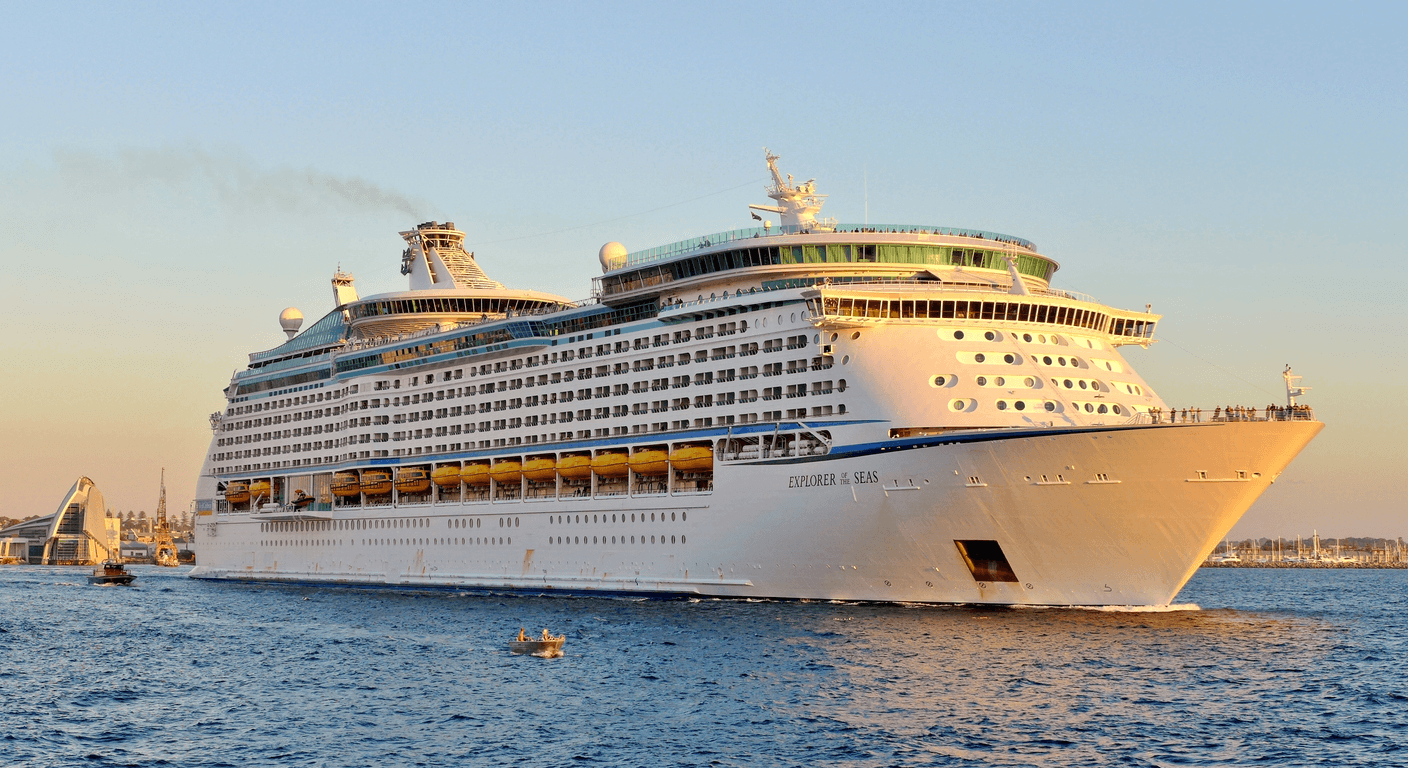
For Australians over 70, GP clearance for cruising is triggered by specific health conditions or remote/expedition itineraries — not age alone — and preparation should begin eight to twelve weeks before departure to allow time for tests, specialist review or insurance confirmation. The defining highlight is a focused GP conversation built around the actual itinerary and port demands. Mobility needs vary from easy standard cruising to more active expedition landings, and access depends on the ship's limited onboard medical care and evacuation options at sea.
Why Cruise Lines Ask — and Why It's Not Simply About Age
The phrase 'fitness-to-travel form' can feel like a hurdle placed in front of older passengers, but that's not quite what's happening. Cruise lines are not — as a general rule — asking everyone over 70 to produce a medical certificate before they board. What they are doing is identifying passengers whose health circumstances may require additional planning, both for the traveller's safety and for the practical limits of onboard medical care.
The triggers tend to be specific: a declared medical condition at the time of registration, a booking on an expedition or remote-area itinerary where medical evacuation is genuinely complex, or a voyage of significant length where the ship will be far from major ports for extended periods. Someone in excellent health booking a seven-night New Zealand coastal cruise is unlikely to be asked for anything beyond a standard health declaration. Someone with a recent cardiac event booking a 30-night voyage to Antarctica is a different conversation entirely.
Understanding this distinction matters because it changes how you approach the process. It's not a gate designed to keep older travellers off ships — it's a mechanism designed to make sure that if something does happen at sea, there's a plan. Seen that way, it's actually in your interest.
What Actually Triggers a Fitness-to-Travel Request?
Different cruise lines use different thresholds, and policies can vary not just between lines but between specific ships and itineraries. That said, certain circumstances reliably raise the likelihood of being asked for a completed medical form or GP clearance letter. These include: cardiovascular conditions (including managed hypertension, recent stents, or arrhythmias), respiratory conditions such as COPD or significant asthma, diabetes requiring insulin, recent surgery or hospitalisation within 6–12 months, active cancer treatment or recent completion of chemotherapy, and any condition requiring supplemental oxygen.
Mobility-related conditions are also relevant — particularly where they might affect emergency evacuation procedures. A passenger who uses a mobility aid but is otherwise well may not require medical clearance, but the cruise line will want to know about mobility equipment in advance, and some ships have genuine physical limitations around wheelchair access in certain cabin categories or tender ports.
Pregnancy is separately flagged by most cruise lines, with cut-off points that vary. For travellers over 70 without any of the above circumstances, a standard passenger health declaration — which every passenger completes — is typically all that's required. The key word is 'typically'. Policies change, and your last cruise may have used a different system to the one now in place.
Having the Right Conversation With Your GP
A GP clearance for cruising is not the same as a routine annual check. It's a focused conversation about a specific set of circumstances: how your current health will interact with the realities of shipboard life, and what the itinerary actually demands. Coming prepared makes that appointment genuinely useful rather than a box-ticking exercise.
Before you see your GP, have your cruise itinerary in hand — ideally with port schedules, sea days, and any expedition landing details. Know roughly how far the ship will be from major medical facilities during key parts of the voyage. Think honestly about the physical demands: how much walking is involved in ports you've chosen to visit, whether shore excursions require climbing, tendering in small boats, or standing for extended periods. Your GP can only advise on what they know about.
The conversation should cover your current medications and whether any require refrigeration or carry-on documentation for international customs. It should address what happens if you need a higher level of care than the ship's medical centre can provide — most cruise ship medical facilities are equipped for stabilisation and basic treatment, not complex intervention. For travellers with cardiac or respiratory conditions in particular, understanding the ship's defibrillator access and whether the medical team includes a doctor (not just nursing staff) is worth raising. Your GP may suggest a stress test, updated bloodwork, or a specialist review before signing off — build time into your planning for that.
What the Form Itself Usually Involves
When a cruise line does request a fitness-to-travel form, it's typically a structured document — sometimes a few pages — that asks your GP to confirm your diagnosis, current treatment, stability of your condition, and their assessment of whether you're fit to travel on the specific itinerary. Some lines provide their own form for the GP to complete; others accept a detailed letter on practice letterhead. A few request that the form be counter-signed by a specialist rather than a GP alone.
Your GP will charge for this service, and it's worth asking your clinic upfront whether a standard consultation covers it or whether a longer appointment is more appropriate. The cost is not Medicare-rebatable as a standalone 'clearance letter', but it may be part of a broader consultation that attracts a rebate — confirm with your clinic. Allow at least two to three weeks for the form to be completed if your GP needs to review records or consult with a specialist.
Once completed, keep a copy for yourself and carry it with your travel documents. Some cruise lines want it submitted before departure; others collect it at check-in. If you have travel insurance — and for any cruise with a pre-existing condition, you absolutely should — your insurer may also want a copy, or at minimum a record that you disclosed your condition and were cleared to travel.
Travel Insurance: The Part Many Travellers Underestimate
Fitness-to-travel clearance and travel insurance are separate processes, but they're deeply connected. Having GP clearance from the cruise line does not mean your travel insurer has accepted liability for anything related to that condition. These are two different risk assessments made by two different parties.
For Australians over 70 with pre-existing conditions, travel insurance for a cruise — particularly an international one — requires careful attention. Most mainstream policies either exclude pre-existing conditions by default or offer to cover them for an additional premium after a medical screening. The premium uplift can be significant, and some conditions may result in an exclusion rather than coverage. That's not a reason to skip insurance; it's a reason to be transparent and shop carefully.
Smartraveller (smartraveller.gov.au) consistently advises Australians to purchase travel insurance at the time of booking, not closer to departure, precisely because a medical event between booking and sailing could otherwise leave you unprotected for cancellation costs. For expedition or remote itineraries, confirm that your policy covers medical evacuation from remote locations — standard policies sometimes cap this or exclude it for certain regions. The Australian Government's Smartraveller site has clear guidance on what to look for.
Never Assume Last Time's Policy Still Applies
This is perhaps the most practical point in the entire process. Cruise line health policies are not static. They shifted significantly during and after the pandemic, and individual lines continue to update their requirements in response to itinerary changes, ship refits, flag state regulations, and their own risk assessments. A policy that applied to your 2022 cruise — or even your cruise last year — may have been quietly revised.
The only reliable source for your cruise line's current fitness-to-travel policy is the cruise line itself. Check the passenger health and accessibility section of their official website, and if your circumstances are at all complex, call their passenger services team directly rather than relying on a travel agent's summary. Agents are invaluable for many things, but they're working from the same published information you are, and they don't always catch policy updates in real time.
If you're booking through a travel agent — which many experienced cruisers prefer for the advocacy value alone — ask them to confirm in writing what health documentation is required for your specific booking, on your specific ship, for your specific itinerary. Keep that confirmation. It's not about distrust; it's about having a clear record if anything is disputed later.
Planning Ahead: A Practical Timeline
Eight to twelve weeks before departure is the right window to begin this process — not because it takes that long in most cases, but because it gives you breathing room if your GP recommends additional tests, a specialist review, or a medication adjustment. Starting three weeks out is manageable for straightforward situations; starting three weeks out with a complex cardiac history and an expedition itinerary is a source of unnecessary stress.
A practical sequence: confirm the cruise line's current health documentation requirements at the time of booking (not just before departure). Book a dedicated GP appointment — not a rushed add-on at the end of another consultation — with your itinerary details in hand. Allow time for any follow-up the GP recommends. Submit the completed form to the cruise line by their stated deadline, and keep a copy. Confirm with your travel insurer that your condition is declared and covered. Pack a medication summary and a brief medical history in your carry-on — not your checked luggage.
None of this is onerous for someone who approaches it methodically. The travellers who find it stressful are usually those who've left it too late or tried to manage it around a busy work schedule. For anyone who's reached the point of planning a significant cruise voyage, the organisational skills are clearly already there.
Quick planning guide
| Ideal pace | Unhurried, step-by-step preparation rather than a last-minute rush |
|---|---|
| Best months | No fixed season — timing is driven by departure date, not calendar |
| Suggested stay | Allow 8–12 weeks before departure to complete clearance |
| Mobility level | Moderate — depends on itinerary, from easy coastal cruises to active expedition landings |
| Cost level | Variable — GP consultation fees plus possible travel insurance premium uplift for pre-existing conditions |
| Comfort level | Manageable and low-stress when started early; stressful only if left too late |
| Best for | Australians over 70 with a declared health condition, or those booking remote, expedition or long voyages |
| Main planning consideration | Confirm current health documentation requirements directly with the cruise line rather than relying on a past cruise's policy |
Key takeaways
- GP clearance for cruising is triggered by specific health conditions and itinerary type — not by age alone.
- Policies differ between cruise lines, ships, and itineraries; always confirm the current requirement directly with your cruise line before booking.
- A productive GP appointment for cruise clearance requires you to bring the itinerary details, port schedule, and an honest account of the physical demands involved.
- Cruise line fitness-to-travel clearance and travel insurance acceptance of pre-existing conditions are entirely separate processes — both require active attention.
- Allow 8–12 weeks before departure to complete the clearance process, particularly if specialist review or updated tests are recommended.
- Travel insurance for a cruise with pre-existing conditions should be purchased at the time of booking, not as an afterthought closer to sailing.
Recommended partners and links
Indicative prices only — always confirm with the operator before booking.
Frequently asked questions
Do all cruise lines require a medical certificate for passengers over 70?
No. Most cruise lines do not require a medical certificate from all passengers over 70 as a matter of policy. A fitness-to-travel form is typically requested when a passenger has declared a specific medical condition, is booking a remote or expedition itinerary, or is travelling on a longer voyage where onboard medical access is limited. Every passenger completes a standard health declaration, but that is different from a GP clearance form. Confirm the requirement for your specific cruise line, ship, and itinerary directly.
What should I tell my GP when asking for cruise medical clearance?
Bring your full itinerary including port schedule, sea days, and any expedition landing details. Tell your GP how far the ship will be from major medical facilities, what physical activity the shore excursions involve, and the total voyage length. Discuss your current medications, any that require refrigeration, and what the ship's medical centre can and cannot manage. This gives your GP the context to make a genuinely useful assessment, not just a generic letter.
Does having GP clearance for the cruise mean my travel insurance covers my pre-existing condition?
No. GP clearance from the cruise line and travel insurance coverage of a pre-existing condition are two separate assessments made by two separate parties. Having one does not guarantee the other. You must declare your pre-existing condition to your travel insurer separately and confirm whether it is covered, excluded, or covered for an additional premium. Check this before you purchase the policy, not after.
How long does it take to get a fitness-to-travel form completed?
Allow at least two to three weeks from your GP appointment to receiving the completed form, particularly if your GP needs to review records, consult a specialist, or request updated test results. If your situation is straightforward and your GP has current records, it may be faster — but building in extra time avoids unnecessary pressure before departure. Start the process 8–12 weeks before sailing.
Can cruise lines refuse to let me board if I have a medical condition?
Yes, in some circumstances. If a passenger's condition poses a risk that the ship's medical facilities cannot reasonably manage, or if required documentation has not been submitted, a cruise line may decline boarding. This is uncommon but does occur — particularly on expedition voyages to remote regions. The way to protect yourself is to be transparent about your health when booking, confirm documentation requirements early, and ensure your travel insurance covers cancellation if you are unable to travel.