This guide profiles ten expedition and small-ship cruise journeys suited to Australian travellers over 50, ranging from Antarctica to Alaska, the Galapagos, the Panama Canal, Norway's fjords, Croatia's Adriatic islands and the Seychelles. Voyages typically run seven to eighteen days, with best seasons varying by region. The defining appeal is unpacking once while the scenery changes around the ship. Mobility demands range from easy to moderate depending on itinerary, and most journeys involve long-haul flights plus the need for comprehensive medical evacuation insurance.
Why cruising suits the over-50 traveller so well
The single greatest advantage of cruising for older travellers is the one-bag logic: unpack once, and the scenery changes around you. There is no hauling luggage through airport terminals every second day, no navigating unfamiliar public transport in a new city before you have had your morning coffee, and no anxiety about whether the next hotel will have a lift. For a couple — or a solo traveller — in their sixties or seventies, that continuity is worth more than almost any onboard feature.
Small-ship and expedition cruising adds another layer: the groups are smaller (typically 50 to 200 passengers rather than 3,000), the pace is slower, and the itineraries are built around places rather than ports-of-call convenience. Lecturers, naturalists, and historians are often onboard. You can participate as much or as little as you like on any given day — a real consideration when energy levels vary.
That said, 'cruise' covers a vast spectrum. An Antarctic expedition ship anchored off the Antarctic Peninsula in moderate swells is a very different experience from a river barge drifting past Lake Garda's lemon groves. This guide is honest about the effort each journey asks of you, and flags where mobility limitations, health conditions, or insurance gaps could affect your plans. Read all ten, then decide which speaks to where you are right now.
1. Antarctica expedition cruising — the one people talk about for the rest of their lives
Antarctica is expensive, remote, and genuinely transformative — and it is increasingly popular with Australians over 50 who have decided to stop putting it off. Most voyages depart from Ushuaia in southern Argentina, after a flight from Melbourne or Sydney via Buenos Aires. The Drake Passage crossing (roughly two days each way) is the main physical challenge: seas can be rough, and motion sickness medication is worth discussing with your GP before you go. Once at the Peninsula, the landscape is unlike anywhere else on earth — ice shelves, penguin colonies, and a silence that stays with you.
Expedition ships designed for polar work now offer genuinely comfortable cabins, good medical facilities, and stabilised hulls. Optional activities typically include Zodiac landings (stepping from an inflatable boat onto ice or rocky shore — manageable for most mobile travellers), and on some ships, sea kayaking among icebergs for those who want it. Sea kayaking is physically gentle in calm conditions but requires the ability to paddle seated for an hour or so; operators run safety briefings and will advise honestly on suitability. You are never obligated to take any optional excursion.
Indicative cost: roughly AUD 12,000 to 25,000 or more per person for a 12–18 day voyage, depending on operator, cabin grade, and season. That is a significant outlay, and it is worth saying plainly. Single supplements on expedition ships can add 50–75% to the per-person fare, though some operators now offer dedicated solo cabins at lower premiums — check carefully when requesting a quote. Travel insurance with medical evacuation cover is non-negotiable here: the nearest hospital is a very long way away. Best season: November to March (Southern Hemisphere summer). Australian operators Aurora Expeditions (auroraexpeditions.com.au) are worth a close look for this voyage. Confirm all current pricing direct with any operator.
2. Alaska's Inside Passage — wilderness at a civilised pace
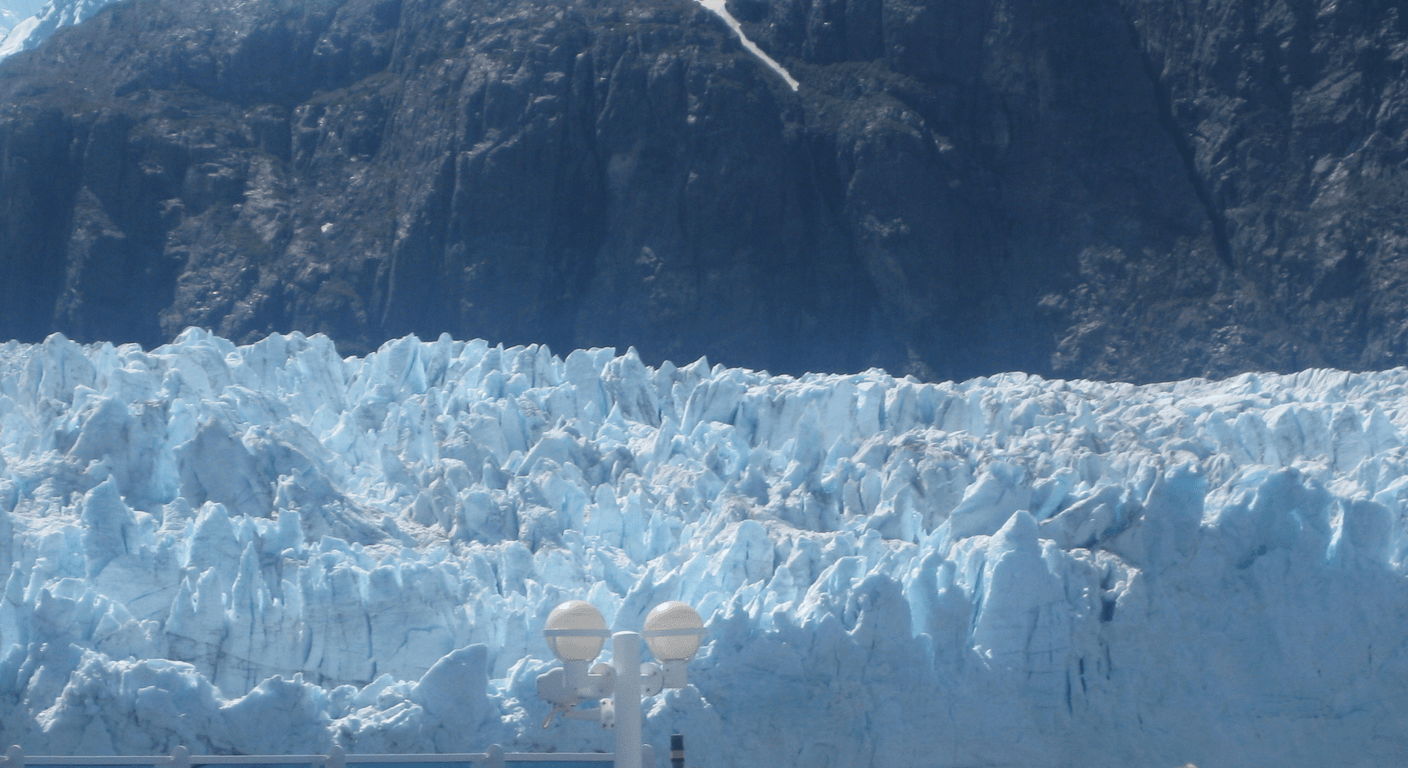
Alaska's Inside Passage is one of the world's most celebrated small-ship routes, threading through fjords, glaciers, and old-growth rainforest between Vancouver or Seattle and ports like Juneau, Sitka, and Ketchikan. For older travellers, the appeal is the format: the ship is your base, the scenery comes to you, and shore excursions can be as gentle (a stroll through Sitka's Russian Orthodox history) or as active (a floatplane over Glacier Bay) as you choose. Wildlife sightings — humpback whales, bald eagles, black bears on the shoreline — are common and unhurried.
The Inside Passage suits a wide range of mobility levels. Most port towns are compact and walkable for moderate distances, and operators offer accessible shore excursions. The weather in summer is mild rather than cold, though layers and waterproofs are essential. Large cruise ships also run this route, but small-ship itineraries (typically 50–100 passengers) allow access to narrower channels and less-visited anchorages that the big ships cannot reach.
Indicative cost: roughly AUD 6,000 to 14,000 per person for a 7–14 day small-ship voyage, depending on cabin and operator. Large-ship Inside Passage cruises can be found for considerably less. Best season: May to September, with June and July offering the longest daylight. For a deeper look at planning an Alaska cruise as an older Australian traveller — including what to ask about accessibility and shore excursions — see the Senior Travel Australia Alaska cruise guide. Confirm all current pricing with operators direct.
3. The Galapagos by small ship — nature at close quarters
The Galapagos Islands sit roughly 1,000 kilometres off the coast of Ecuador, and the only sensible way to see them properly is by small ship — the Ecuadorian government limits visitor numbers carefully, and most meaningful wildlife access is from live-aboard vessels carrying 16 to 100 passengers. The animals here are famously unafraid of humans: you walk within metres of blue-footed boobies, marine iguanas, and giant tortoises on trails that are generally flat and short.
For travellers over 50, the Galapagos offers a rare combination of genuine wildlife immersion with very manageable physical demands. Zodiac landings are the norm (as in Antarctica), and some involve a 'wet landing' — stepping out into shallow water — so waterproof footwear matters. Snorkelling is on offer daily, and the waters are warm and calm in the right season; for non-swimmers or those who prefer to stay dry, glass-bottomed boats or kayaks are often alternatives. The equatorial heat is real and worth factoring in if you have cardiovascular considerations.
Indicative cost: roughly AUD 7,000 to 18,000 per person for a 7–14 day live-aboard voyage, plus international flights from Australia (typically via Los Angeles or Dallas). This is not a budget destination. Medical evacuation cover is important — facilities in the islands are limited. Best season: June to December for calmer seas and cooler temperatures; December to May for warmer water and more dramatic landscapes, though seas can be rougher. The Galapagos National Park official site (galapagos.gob.ec) has authoritative information on regulations and authorised operators. Confirm all current pricing direct.
4. A Panama Canal transit — engineering history on the water
Transiting the Panama Canal is one of those experiences that combines genuine spectacle with very low physical effort — you watch from the deck as your ship is lifted and lowered through a series of locks connecting the Pacific and Atlantic Oceans. It is, in the best sense, a slow-moving show. Most older travellers who have done it describe the transit itself as one of the most satisfying days of any cruise they have taken: there is a lot to look at, a lot to understand, and nowhere you need to be.
Canal transits are available on both large ocean liners (as part of a broader Caribbean or South American itinerary) and on smaller expedition vessels. The full transit takes roughly eight to ten hours; partial transits are also available. Port stops on either side — Panama City, Colón, Cartagena in Colombia — vary in walkability and safety, and it is worth researching specific ports before booking shore excursions independently. Organised ship excursions are the lower-stress option in unfamiliar cities.
Indicative cost: varies enormously depending on whether the canal transit is a standalone highlight or part of a longer voyage. As part of a 14–21 day Caribbean or repositioning cruise, expect roughly AUD 5,000 to 15,000 per person depending on ship and cabin class. Best time to transit: December to April (dry season on the Pacific side). The Panama Canal Authority (pancanal.com) publishes authoritative information on the transit process. Confirm all current pricing with cruise operators direct.
5. Norway's fjords by small ship — slow travel through deep water
Norway's fjords are a case study in why small ships outperform large ones: the narrow, deep-water channels of Sognefjord, Geirangerfjord, and the Nærøyfjord are simply inaccessible to vessels carrying thousands of passengers. On a small ship — or on the famous Hurtigruten coastal route (hurtigruten.com) — you drift past waterfalls tumbling directly into the water, past farm clusters clinging to steep hillsides, past villages that feel genuinely unhurried. The scale of the landscape is immense without ever feeling threatening.
Norway suits older travellers who want a European experience with serious natural scenery but without the exhaustion of city-to-city travel. The Hurtigruten route from Bergen to Kirkenes (or a shorter segment) is particularly well-regarded for its blend of working local ferry and scenic cruise — it is not a luxury product, but it is a real one, and the onboard experience is comfortable. Dedicated small-ship expedition voyages are also available, with higher service levels and naturalist guides.
Effort level is low to moderate: you can stay on the ship for most of the voyage if that suits you, or join optional walks in port villages — most of which are flat near the waterfront. Weather in the fjords can change quickly, and good waterproof layers are essential. Best season: May to September for long daylight hours and mild temperatures; winter voyages chase the Northern Lights but require warmer clothing and acceptance of shorter days. Indicative cost: roughly AUD 4,000 to 12,000 per person for a 7–14 day small-ship fjord voyage. Confirm all current pricing direct.
6. Croatia's Adriatic island-hopping — gentle seas, old stone, good food
Croatia's small-ship island-hopping routes — typically running between Split and Dubrovnik, or exploring the Dalmatian islands of Hvar, Korčula, Vis, and Mljet — are among the most comfortable cruise formats available to older travellers. The ships are small (often 30 to 40 passengers), the Adriatic in summer is calm and warm, and the itinerary moves at a pace that allows genuine exploration without rushing. Walled medieval towns, clear blue water, and excellent seafood are the consistent highlights.
For mobility considerations, the old towns of Croatia's islands are mostly stone-paved and hilly in places — Dubrovnik's Old Town in particular involves significant stair-climbing. It is worth asking operators specifically about walking distances and terrain in each port before booking, and choosing itineraries that match your comfortable walking range. Many travellers over 60 find that sitting at a harbourside restaurant with a glass of local wine while others climb the ramparts is a perfectly satisfying alternative.
The format suits the 'unpack once' principle beautifully: your small ship is your hotel, and you wake each morning in a new harbour. Best season: May, June, and September — July and August are peak season with higher prices and more crowds in Dubrovnik and Split. Indicative cost: roughly AUD 4,000 to 9,000 per person for a 7–8 day small-ship Adriatic voyage. Single supplements apply on most small ships; ask specifically, as some operators offer solo cabins. Confirm all current pricing direct with operators.
7. The Seychelles — Indian Ocean islands by liveaboard or small ship
The Seychelles, scattered across the Indian Ocean north of Madagascar, are best understood as an archipelago of granite and coral islands where the appeal is almost entirely about water, light, and unhurried time. For older Australians, the Seychelles is a reasonable long-haul destination (flights typically route through Dubai or Singapore) that rewards a slow approach — and a small ship or liveaboard that moves between islands at an easy pace is the ideal format.
Snorkelling around granite boulders and coral gardens is the main water activity, and conditions are generally gentle in the right season. The Seychelles is not an expedition destination in the polar sense — there are no extreme conditions to manage — but the remoteness of some outer islands means that medical facilities can be limited. Travel insurance with evacuation cover is advisable. The inner islands (Mahé, Praslin, La Digue) have better infrastructure and are accessible to travellers with moderate mobility.
Best season: April to May and October to November, when the trade winds are calm and seas are at their most settled. June to September (southeast trade winds) can bring rougher conditions. Indicative cost: Seychelles is not a budget destination; small-ship voyages in the region run roughly AUD 5,000 to 14,000 per person depending on duration and vessel. The Seychelles Tourism Board (seychelles.travel) has authoritative destination information. Confirm all current pricing direct with operators.
8. Lake Garda, Italy — a slower kind of water travel
Lake Garda is not a cruise destination in the conventional sense — there are no expedition ships, no Zodiac landings, and no lecture series on endemic wildlife. What it offers is something different and, for many older travellers, more appealing at a certain point in life: a large, calm, spectacularly beautiful lake in northern Italy, ringed by historic towns, olive groves, and the southern edge of the Alps. The lake is crossed regularly by public ferries (navigazionelaghi.it), and the unhurried rhythm of moving between Sirmione, Riva del Garda, Malcesine, and Limone sul Garda by boat is a genuine pleasure.
For a couple who want to base themselves in one town and explore by ferry, this is a low-effort, high-reward format. Sirmione, on the southern tip of the lake, has Roman ruins and thermal baths and is very walkable in its historic centre (though the causeway approach is narrow and busy in peak season). Riva del Garda at the northern end has a more alpine character and is popular with cyclists. Most lakeside towns have good flat promenades along the water.
This is not a traditional cruise itinerary — it works best as a self-arranged stay of 7–10 days based in one or two towns, using the ferry network to move around. Accommodation ranges from modest guesthouses to genuinely comfortable lakefront hotels. Best season: April to June and September to October — July and August are crowded and hot. Indicative accommodation costs vary widely; the ferry network is inexpensive (confirm current fares at navigazionelaghi.it). For Australians looking for a European experience that does not involve daily suitcase-hauling, Lake Garda with a stable base is worth serious consideration.
9. Portugal's coast and Porto — ocean history from a small ship
Portugal has been a natural departure point for ocean voyagers for five centuries, and sailing its Atlantic coast on a small ship — stopping in Porto, the Douro estuary, the Algarve, and perhaps the Azores — connects you to that history in a tangible way. The country is also, by European standards, genuinely affordable and increasingly well-set-up for older international visitors: good medical facilities in main centres, accessible historic sites in many cities, and a culture that moves at a pace that does not exhaust you.
Porto itself deserves more than a port-stop — it is a city of extraordinary texture, with its riverside Ribeira district, its azulejo-tiled churches, and its port wine cellars across the Douro in Vila Nova de Gaia. For travellers using a small ship as their base, Porto makes an excellent embarkation or disembarkation point, and many itineraries allow a night or two in the city at either end. The city is hilly in places, and the historic centre involves some climbing — flat riverside walks are available and rewarding without needing to tackle the steep lanes.
River cruises on the Douro (into the wine country of the Douro Valley) are a related option, and are well-suited to older travellers: the river is calm, the scenery is dramatic, and the wine tastings are built into the itinerary. Best season for coastal Portugal: April to June and September to October. Indicative cost: Douro river cruises from roughly AUD 4,000 to 8,000 per person for a 7–10 day voyage; small-ship coastal itineraries vary by operator. Confirm all current pricing direct. Visitportugal.com has authoritative destination and accessibility information.
10. Learning to snorkel or scuba in the Caribbean — water confidence at any age
The Caribbean is the world's most accessible warm-water diving and snorkelling region for first-timers and returners alike — and the idea that learning to snorkel or do a first scuba experience is something for young travellers only is worth setting aside. Cruise lines operating in the Caribbean, from the Cayman Islands to Bonaire to the British Virgin Islands, routinely offer beginner snorkelling sessions and introductory 'discover scuba' dives as shore excursions, with professional instructors who are experienced working with older adults.
For those with limited swimming experience or any anxiety about open water, snorkelling in calm, shallow, clear Caribbean water is genuinely achievable with a good guide. Buoyancy vests and full-length lycra suits (for sun protection and a little extra float) make it easier. If you have cardiovascular conditions, ear problems, or are on certain medications, a conversation with your GP before any scuba activity is important — reputable dive operators will ask about health conditions before any briefing.
Caribbean cruises are available across a wide range of ship sizes and price points, from large resort-style ships to smaller boutique vessels. Many older Australians use a Caribbean cruise as the vehicle and treat the snorkelling or scuba experience as one shore excursion among many — a reasonable approach that keeps the stakes low and the enjoyment high. Indicative cost: Caribbean cruises vary enormously from roughly AUD 3,500 to 12,000 per person for 7–14 days, depending on ship and cabin. Shore excursion costs for a snorkelling session are typically modest — confirm direct with operators. Best season: December to April (dry season, calmer seas).
Medical, insurance, and single-supplement flags — the practical layer
For any voyage that takes you away from major medical centres — Antarctica, the Galapagos, remote Pacific or Indian Ocean islands — travel insurance with comprehensive medical evacuation cover is not optional, it is the foundation of the trip. Standard travel insurance policies often have limits that fall short of the cost of a helicopter or ship evacuation from a polar region. Read the policy in detail, declare all pre-existing conditions accurately, and consider a specialist expedition travel insurer if you are heading anywhere genuinely remote. Cover Victoria's Consumer Affairs site (consumer.vic.gov.au) has general guidance on reading insurance fine print.
Single supplements are one of the most significant financial penalties in cruising for solo travellers, and they are worth understanding before you fall in love with a particular voyage. Many cruise lines charge solo travellers 75–100% more than the per-person twin-share rate, effectively charging for two people in one cabin. However, this is changing: several small-ship and expedition operators now offer dedicated solo cabins at a lower premium, and some have removed the supplement entirely on selected sailings. Always ask specifically about solo cabin availability and current supplement rates when requesting a quote. The Senior Travel Australia single-supplement guide goes into this in more detail.
A note on pace and pacing: expedition and small-ship cruising generally builds in rest time, but the cumulative effect of multiple Zodiac landings, walking tours, and early morning wildlife departures can be tiring over a 14-day voyage. Be honest with yourself — and with the operator — about your comfortable activity level per day. Most reputable expedition operators will tell you plainly which activities are accessible for travellers with specific mobility or health considerations, and which are not. That honesty is a feature, not a limitation.
Quick planning guide
| Ideal pace | Slow-paced, ship-based exploration with optional shore activity |
|---|---|
| Best months | Varies by destination — Southern Hemisphere summer for Antarctica, May to September for Alaska and Norway, June to December for the Galapagos, May–June and September for Croatia |
| Suggested stay | 7 to 18 days per voyage, depending on destination |
| Mobility level | Easy to Moderate, varying by voyage — some itineraries (Panama Canal, Seychelles inner islands) are low-effort, others (Antarctica landings, Croatia's stone old towns) require steadier mobility |
| Cost level | Premium (roughly AUD 4,000 to 25,000+ per person, plus international flights) |
| Comfort level | High — small-ship cabins, onboard medical facilities on expedition vessels, one-unpack logistics |
| Best for | Couples and solo travellers over 50 who want low-logistics travel with scaled effort levels |
| Main planning consideration | Arranging travel insurance with medical evacuation cover and checking single-supplement costs before booking |
Key takeaways
- Cruising suits over-50s because you unpack once and the scenery changes around you — no daily luggage logistics, no unfamiliar transport systems every second day.
- Antarctica is genuinely expensive (roughly AUD 12,000–25,000 per person or more) and requires medical evacuation insurance — it is worth budgeting for both honestly.
- Small-ship voyages of 50–200 passengers consistently offer better access, slower pacing, and more flexibility than large resort-style cruise ships for older travellers.
- Single supplements can add 50–100% to the per-person cost of a cruise, but a growing number of expedition operators now offer dedicated solo cabins at lower premiums.
- Medical evacuation insurance is non-negotiable for any expedition voyage to Antarctica, the Galapagos, or remote island regions — standard policies may not cover the full cost.
- The gentlest options on this list — Lake Garda by ferry, Croatia's Adriatic, Norway's Hurtigruten route — deliver exceptional experiences at effort levels accessible to most travellers in their 60s and 70s.
Recommended partners and links
Indicative prices only — always confirm with the operator before booking.
Frequently asked questions
Which expedition cruise is the gentlest for older or less mobile travellers?
Norway's fjord voyages (including the Hurtigruten coastal route) and Croatia's Adriatic island-hopping are generally the gentlest options on this list. Both involve calm, sheltered waters, flat waterfront walking in most ports, and no requirement to board inflatable boats in open seas. Lake Garda by public ferry is even lower in physical demand, though it is not a conventional cruise. Antarctica and the Galapagos involve Zodiac (inflatable boat) landings and can be physically demanding on rough-sea days.
What does an Antarctica expedition cruise actually cost for an Australian?
Indicatively, an Antarctica expedition cruise costs roughly AUD 12,000 to 25,000 or more per person for a 12–18 day voyage, not including international flights from Australia to Ushuaia (Argentina). Add flights, travel insurance with medical evacuation cover, and gear, and the total outlay for a couple can be substantial. These figures are indicative only — confirm current pricing directly with operators such as Aurora Expeditions (auroraexpeditions.com.au) or Hurtigruten (hurtigruten.com).
Do I need special travel insurance for an expedition cruise?
Yes, particularly for remote destinations including Antarctica, the Galapagos, and outer Pacific or Indian Ocean islands. Standard travel insurance policies may not cover the full cost of medical evacuation from polar or remote regions, which can be very high. Declare all pre-existing conditions accurately, read the policy's evacuation cover limits carefully, and consider a specialist expedition travel insurer if you are heading anywhere far from major medical facilities.
Can a solo traveller over 60 do an expedition cruise without paying a huge single supplement?
It is possible, but requires research. Many cruise and expedition operators charge a single supplement of 50–100% on top of the per-person twin-share fare, which significantly increases the cost. However, a growing number of small-ship and expedition operators now offer dedicated solo cabins at a lower or zero supplement premium on selected sailings. Always ask specifically about solo cabin availability and current supplement rates when requesting a quote. See the Senior Travel Australia single-supplement guide for a detailed breakdown.
What is the best season for each of these voyages for Australians travelling from Victoria?
Antarctica: November to March. Alaska's Inside Passage: May to September. Galapagos: June to December for calmer seas. Panama Canal: December to April. Norway fjords: May to September. Croatia Adriatic: May, June, or September. Seychelles: April–May or October–November. Lake Garda: April–June or September–October. Portugal coast: April–June or September–October. Caribbean snorkelling: December to April. These are general guides — confirm current conditions and voyage availability with operators before booking.
- Aurora Expeditions — Antarctica and expedition cruising
- Hurtigruten — Norway coastal and expedition voyages
- Ponant — small-ship luxury expedition cruising
- Scenic Luxury Cruises & Tours — river and expedition voyages
- Galapagos National Park — official regulations and authorised operators
- Panama Canal Authority — official transit information
- Navigazione Laghi — Lake Garda ferry network
- Visit Portugal — official destination and accessibility information
- Seychelles Tourism Board — official destination information
- Visit Victoria — travel planning for Victorians