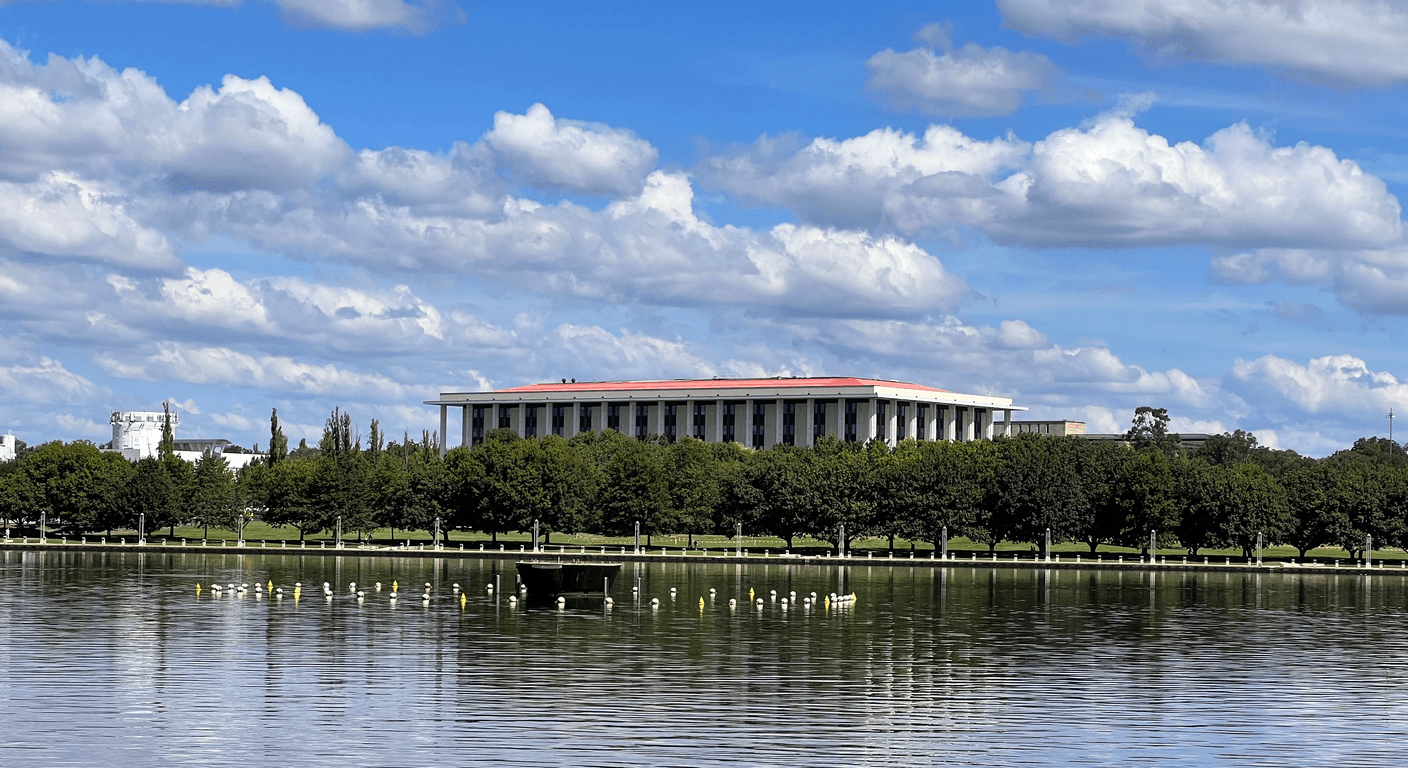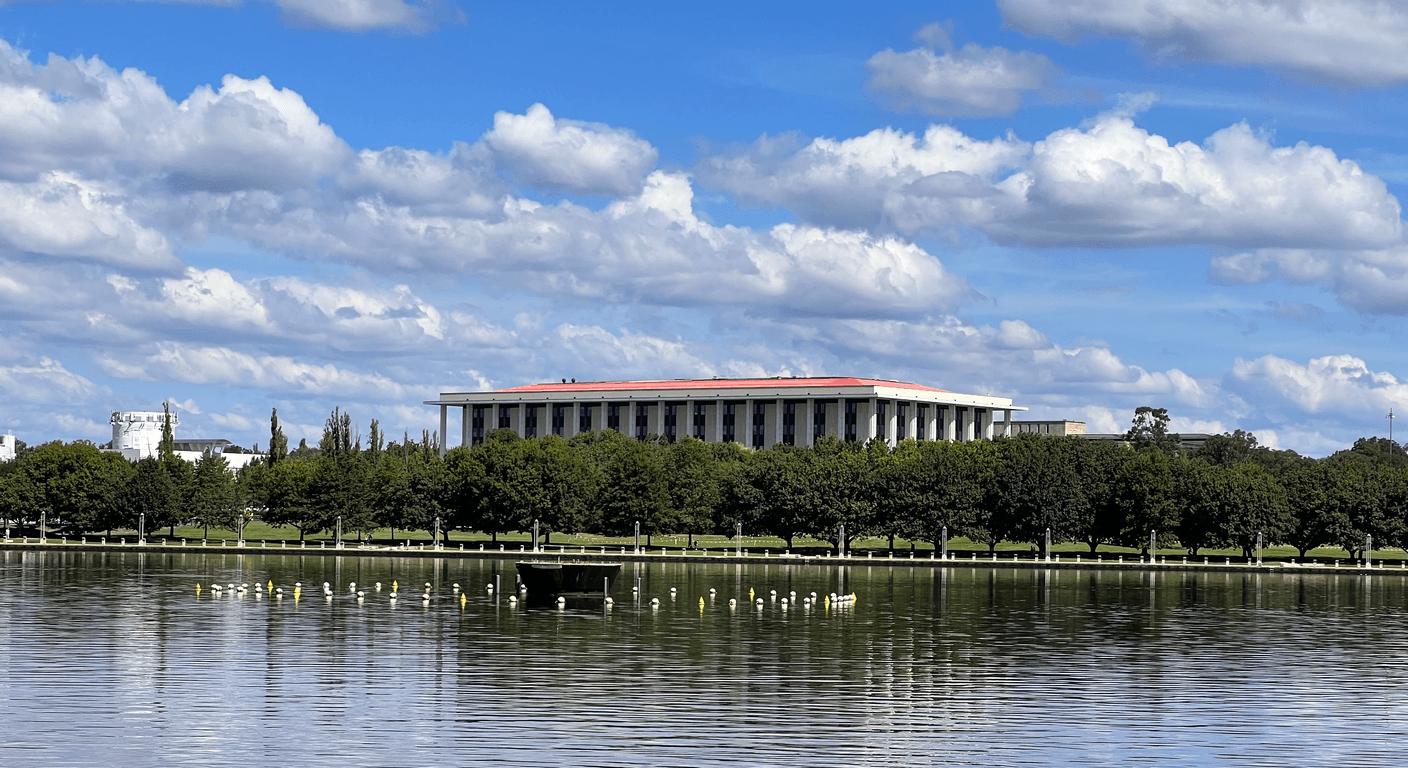
Floriade runs through September and October at Commonwealth Park in Canberra, and entry is free. The festival suits travellers over 50 well: paths are flat, paved and wheelchair-accessible, shuttle buses run from the city centre, and peak bloom typically falls in early-to-mid October. A half-day works perfectly, leaving time for a Lake Burley Griffin walk or a visit to the National Gallery. Mobility rating: Easy. Access from Melbourne is a 90-minute flight or a scenic 8-hour drive.
What Floriade Actually Is (and Why It Suits This Kind of Traveller)
Floriade is a free, outdoor spring flower festival held annually in Commonwealth Park on the northern shore of Lake Burley Griffin. It runs for roughly four weeks from mid-September through mid-October, and the centrepiece is a series of formal garden beds planted with close to a million tulips, daffodils, hyacinths and seasonal annuals. There's no ticket queue, no wristband, no fee at the gate. You walk in.
That simplicity is the point. The park is flat. The paths are sealed. Benches appear at regular intervals, most with at least partial shade by mid-morning as the trees fill out. For anyone who's spent time at festivals that involve long queues, uneven ground or a relentless push to see everything at once, Commonwealth Park in October feels almost radical in its ease. You can do a full circuit of the main beds in 45 minutes at a gentle pace, or you can spend two hours sitting with a coffee watching the light change on the tulips. Both are correct.
Beyond the flowers, there are food stalls (more on those shortly), a weekend craft market, live music at the main stage on selected days, and the optional giant Ferris wheel — a paid extra that gives a genuine aerial view of the garden layout and the lake. The festival also has a NightFest component on selected evenings, where the park stays open after dark with illuminated installations and performance. That's a different experience again, and worth considering if your accommodation is nearby and you're comfortable walking back in the early evening.
When to Go: Peak Bloom, Quiet Hours and the Crowd Reality
Peak tulip bloom in Canberra typically falls in the first two weeks of October, though this shifts slightly year to year depending on winter temperatures. The festival organisers publish bloom updates on their website as the season progresses, and it's worth checking in the week before you travel. Arriving in late September means the beds are often still filling out; mid-to-late October can see some of the earlier varieties past their best.
Weekday mornings are measurably quieter than weekend afternoons. If you can travel mid-week — and the flexibility of retirement makes this genuinely possible — aim to arrive at the park by 9:00 to 9:30am. The light is softer, the paths are clear, the food stalls are just setting up and you'll have long stretches of the garden practically to yourself. By 11:00am on a Saturday in the second week of October, the main entrance path can feel genuinely congested. That's not a reason not to go — it's a reason to time your visit.
Sunday afternoons after 2:00pm are also surprisingly manageable, as many day-trippers from Sydney are already heading home. If you're staying in Canberra for the weekend, this is the window to wander back for a second look without the shoulder-to-shoulder experience of the morning peak.
Getting There: Shuttles, Parking and the Practical Details
Commonwealth Park sits a short distance from the Canberra CBD, close enough to walk from Civic (allow around 20–25 minutes along the lake foreshore, flat the entire way) or to reach easily by bus or dedicated Floriade shuttle. Transport Canberra typically runs a direct shuttle service from the City Bus Station on Alinga Street during the festival, with stops near the main park entrance. Fares are modest — around $5 per trip, though confirm the current schedule and fare with Transport Canberra before you travel, as routing can change season to season.
If you're driving, the closest parking is at the Regatta Point car park on the western edge of Commonwealth Park, and at Edinburgh Avenue near the National Rose Gardens. Parking in Canberra is generally less fraught than in Sydney or Melbourne, but the Floriade weekend peak fills these lots by 9:30am. The indicative cost for paid parking near the park runs around $10–$15 for a half-day — confirm rates on the signage or the ACT Government parking app. Several operators also run day tours from Queanbeyan and Canberra hotels during the festival period; if you'd rather not think about parking at all, that's a reasonable option.
For travellers coming from Melbourne, the drive via the Hume and Barton highways takes roughly seven to eight hours — doable in a day for a fit driver, but a sensible overnight stop in Gundagai or Yass makes the arrival feel less rushed. Rex and Qantas/QantasLink both fly Melbourne–Canberra in around 90 minutes. From Sydney, it's a 3.5-hour drive or a 45-minute flight. Canberra Airport is compact and well-organised, with taxis and rideshares readily available.
The Shape of the Day: What a Floriade Morning Actually Looks Like
These times are indicative and based on a weekday visit during the second week of October. Your own pace will vary, and that's entirely the idea.
Arrive at Commonwealth Park's main entrance (off Commonwealth Avenue) around 9:00am. The gates are open, entry is free, and the beds are at their most photogenic in the soft morning light. Allow 45 to 60 minutes for a first circuit of the main formal gardens — there are benches roughly every 100 metres and accessible toilet facilities near the central food precinct. By 10:00 to 10:15am, the food stalls are fully open: coffee, pastries, crepes, and usually a solid representation of multicultural food vendors that gets better each year. Take a seat, take your time. This is not a festival that punishes lingering.
From 10:30am, if you want to see the themed display gardens or the international garden beds (which often feature plantings from Canberra's sister cities), allow another 30 to 40 minutes. The Ferris wheel — if that appeals — is near the central precinct and typically runs from around 10:00am. Tickets are around $15–$20 per person; confirm with the on-site operator. The ride takes about five minutes and the view is genuinely worth it if heights aren't a concern. By 11:30am to noon, you'll have seen the bulk of the festival comfortably. If the crowds are building, that's your cue to head to the lakeside path rather than standing in the main garden. The section of the lake foreshore east toward Reconciliation Place is flat, shaded by mature pines, and almost always quieter than the festival grounds. A 20-minute walk along there resets everything.
What to Do With the Afternoon: Gallery, Lake or Lunch
The National Gallery of Australia is a 15-minute walk from Commonwealth Park along the lake foreshore, or a short drive. The permanent collection is free, covers Australian and international art across two levels, and has seating throughout. The café inside is a solid lunch option — plan for around $25–$35 for a main course, which is reasonable for Canberra's gallery dining. Ticketed exhibitions run alongside the permanent collection; allow around $25–$30 per person and confirm current programming on the gallery's website before you go.
If a gallery isn't the mood, the Lake Burley Griffin foreshore walk between Commonwealth Park and the National Carillon on Aspen Island is flat, fully accessible and genuinely beautiful in spring. The Carillon plays on selected days — check the National Capital Authority website for the schedule. It's a free performance and, depending on when you catch it, a quietly memorable part of the day. Bring a hat; the lakeside path has limited shade for stretches.
For lunch, Manuka and Kingston Foreshore are both a short drive south of the lake and offer a better range of cafés and restaurants than the immediate Civic area. Kingston Foreshore in particular has a cluster of places with outdoor seating and lake-adjacent atmosphere — plan on $30–$50 per person for a relaxed two-course lunch with a glass of wine, and confirm what's open on weekdays versus weekends, as some venues operate reduced hours mid-week.
Accessibility, Comfort and a Few Things Worth Knowing
Commonwealth Park's main paths are sealed and flat. Wheelchair users and those with mobility aids will find the festival genuinely navigable — there are no significant slopes in the main garden precinct, and the accessible toilet facilities are clearly signed near the central food area. The ground between some of the informal display beds is grass, which can be soft after rain; stick to the sealed paths if that's a concern and you'll cover everything of note without difficulty.
Seating is plentiful by festival standards, though the most popular benches near the main display beds fill quickly on busy mornings. A folding travel stool is worth packing if you know you'll want to sit for photography. Shade is partial rather than continuous — the park's trees provide dappled cover but there are open sections in the main beds that get full sun by mid-morning in October. A hat, sunscreen and a light layer (Canberra mornings can be sharp even in October; the temperature swings are real) are not optional.
For travellers with pre-existing health conditions, Canberra has two public hospitals — Canberra Hospital in Garran and the University of Canberra Hospital in Bruce — and a network of GP clinics. Travel insurance that covers pre-existing conditions is, as always, worth sorting before you leave home, not after. The Australian Government's Smartraveller site (smartraveller.gov.au) covers domestic travel advisories too, and the ACT Government's tourism site has current festival accessibility information. If you hold a Victorian Seniors Card, check with the festival's paid-extra operators (Ferris wheel, guided tours) whether they honour concessions — some do, some don't, and it's always worth asking.
A Solo Traveller's Perspective and a Couple's Perspective
Solo traveller's perspective: Floriade is one of the better solo-travel festivals in Australia precisely because it requires nothing of you. There's no performance schedule to coordinate, no partner to negotiate pace with, no awkwardness in sitting alone with a coffee for an hour. The food stalls are designed for individual orders. The NightFest evenings, if they appeal, attract a genuinely mixed crowd and the atmosphere is convivial without being pressured. The main practical consideration for a solo traveller from Victoria is accommodation cost — Canberra hotels and serviced apartments rarely have single supplements in the traditional package-tour sense, but solo room rates in October (festival period) can sit at around $180–$250 a night for a comfortable mid-tier hotel. Book early; Floriade weekend dates fill quickly.
A couple's perspective: This is an easy, low-effort trip for two. The park is pleasant to walk at different paces — one person can sit with the bags while the other photographs a bed of tulips, and nothing about the layout punishes that kind of flexibility. A couple with a car has the most freedom: park once near the lake, do Floriade in the morning, drive to Kingston Foreshore for lunch, spend the afternoon at the gallery. The total spend for a day — parking, coffee and pastry each, Ferris wheel for two, gallery café lunch and a glass of wine — lands somewhere around $120–$160 for two people, excluding accommodation. That's a genuinely good-value day out.
Quick planning guide
| Ideal pace | Half-day at Floriade, afternoon gallery or lake walk |
|---|---|
| Best months | Late September to mid-October for peak bloom |
| Suggested stay | 2–3 nights in Canberra |
| Mobility level | Easy — flat, paved paths throughout |
| Cost level | Low (free entry; extras optional) |
| Comfort level | High — benches, shade, food stalls, accessible facilities on-site |
| Best for | Couples, solo travellers, culturally curious visitors, garden lovers |
| Main planning consideration | Weekend crowds peak mid-morning; plan to arrive before 9:30am or after 2pm |
Key takeaways
- Floriade at Commonwealth Park is free to enter and runs from mid-September to mid-October, with peak tulip bloom typically in the first two weeks of October.
- The park's paths are flat, sealed and wheelchair-accessible throughout the main festival precinct.
- Weekday mornings before 10:00am offer the quietest, most comfortable experience — weekend middays are the busiest.
- A Floriade shuttle runs from Canberra's City Bus Station during the festival; confirm the current schedule and fare with Transport Canberra before travel.
- The National Gallery of Australia's permanent collection is free and a natural afternoon pairing, a 15-minute walk along the lake from Commonwealth Park.
- Solo travellers pay standard room rates rather than a package supplement, but should book Canberra accommodation early — October festival dates fill fast.
Recommended partners and links
Indicative prices only — always confirm with the operator before booking.
Frequently asked questions
Is Floriade in Canberra free to attend?
Yes. General daytime entry to Floriade at Commonwealth Park is free. Optional paid extras include the giant Ferris wheel (around $15–$20 per person — confirm with the on-site operator) and NightFest evening sessions (around $35–$45 per adult in recent years — confirm current pricing with the festival organiser before booking).
When is the best time to visit Floriade for peak flowers and smaller crowds?
Peak tulip bloom typically falls in the first two weeks of October, though this shifts year to year with Canberra's winter temperatures. The festival website posts bloom updates as the season progresses. For smaller crowds, visit on a weekday morning and aim to arrive by 9:00 to 9:30am, or on a Sunday afternoon after 2:00pm when day-trippers from Sydney tend to have left.
Is Floriade accessible for people with limited mobility or who use a wheelchair?
Yes. The main festival paths in Commonwealth Park are flat, sealed and suitable for wheelchairs and mobility aids throughout the primary garden precinct. Accessible toilets are located near the central food stall area. Some informal display areas between beds are on grass, which can be soft after rain — the sealed paths cover all the main displays without requiring any grass walking.
How do you get to Floriade without driving?
Transport Canberra typically operates a dedicated Floriade shuttle from the City Bus Station on Alinga Street in Civic during the festival. The fare runs around $5 per trip — confirm the current route, timetable and fare with Transport Canberra (transport.act.gov.au) before you travel, as details can change between seasons. The park is also around a 20–25 minute flat walk from Civic along the Lake Burley Griffin foreshore.
How much does parking cost near Commonwealth Park for Floriade?
Indicative parking near Commonwealth Park — at Regatta Point and Edinburgh Avenue — runs around $10–$15 for a half-day, though you should confirm current rates on-site or via the ACT Government's parking information. Arrive before 9:30am on weekends to find a space in the closest lots; they fill quickly during peak festival weekends.