Tondoon Botanic Gardens in Gladstone, Queensland, is a free, 42-hectare all-native reserve built around a lake, with a flat, fully sealed circuit rated Easy for wheelchairs and walking frames. April to September brings comfortable dry-season temperatures and the best birdwatching. A full, unhurried day pairs Tondoon with the nearby East Shores waterfront. Access is by taxi from Gladstone's train station, reached via the Spirit of Queensland rail service from Brisbane, or by air.
What kind of place is Gladstone, really?
Let's be straight about Gladstone. It's not a tourist town in any conventional sense. The skyline is defined by the Gladstone LNG plant on Curtis Island, the aluminium smelter, and the coal-loading terminals at RG Tanna — all of it visible from the waterfront. Cruise passengers sometimes look faintly surprised when they disembark. That industrial honesty is, in its own way, refreshing.
But Gladstone has roughly 65,000 people, a genuine community, and the kind of civic infrastructure that comes from a city that actually earns its living. The Tondoon Botanic Gardens are part of that — a serious garden, not a token green space. For a traveller arriving by rail and looking for a full, unhurried day, the gardens combined with the East Shores waterfront precinct make for a genuinely satisfying visit.
For anyone who's spent time in Greek-Australian communities in Victoria — where a Sunday oikogeniakó walk through a park or botanic garden is simply what you do — Tondoon will feel familiar in the best sense. Wide paths, a lake, benches placed where you actually want to sit, and no one rushing you.
The lakeside circuit — what to expect at Tondoon
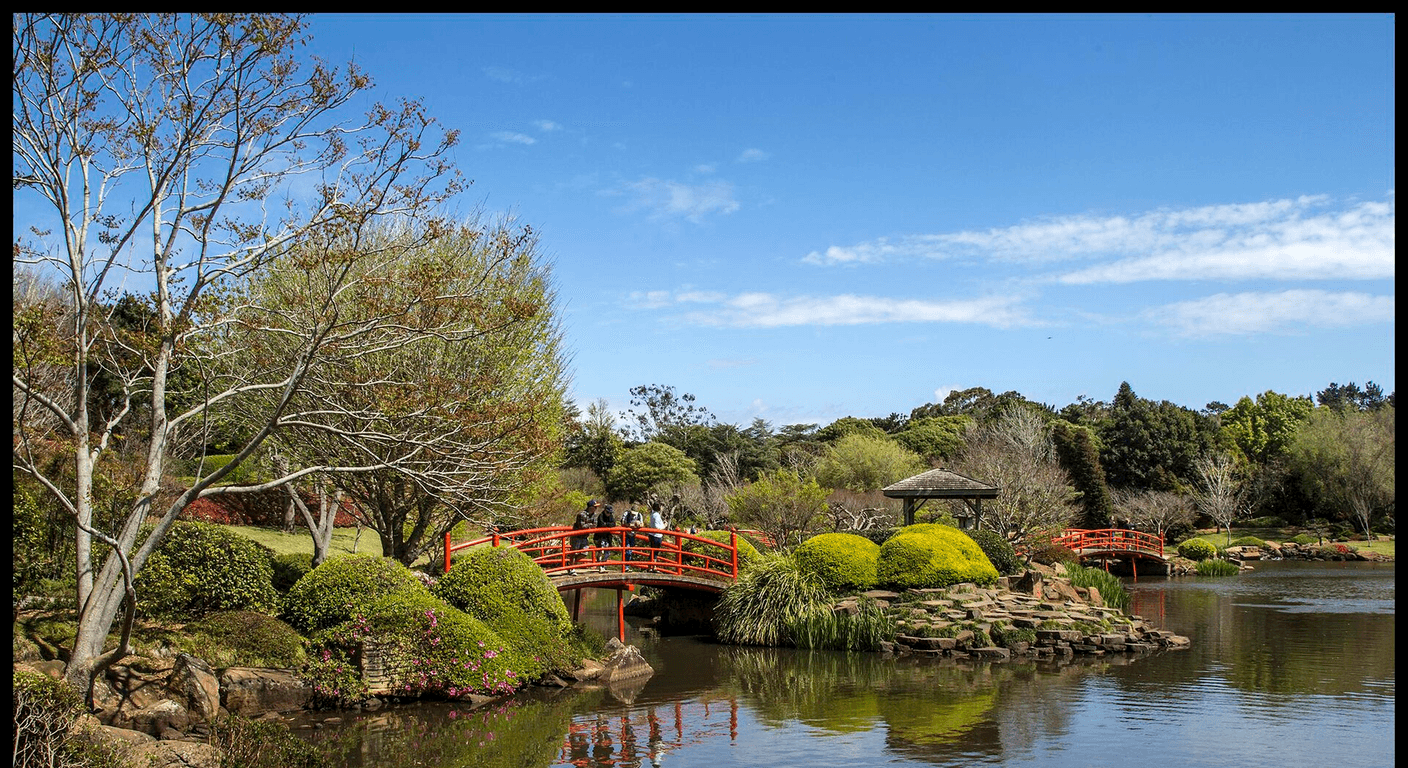
The gardens cover around 42 hectares and are built around a central lake that gives the whole place its structure and its light. The main circuit path around the lake is sealed and flat — genuinely flat, not 'mostly flat with one tricky bit'. A walking frame or wheelchair handles it without drama. The path is wide enough for two people to walk side by side, which matters more than it sounds when you actually want to talk.
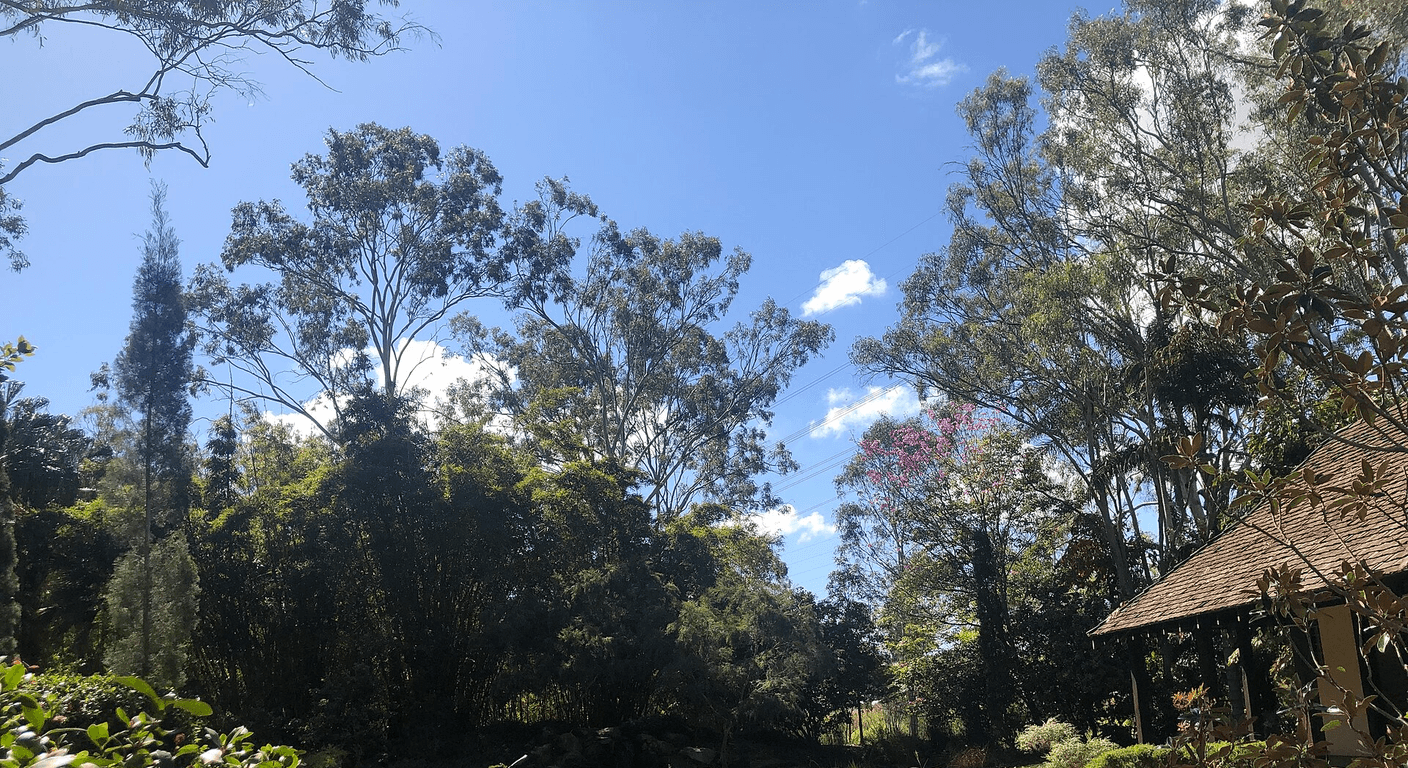
The plantings are entirely native — Queensland rainforest species, arid-zone specimens, coastal banksias, and a dedicated section for Central Queensland flora that you won't see assembled this way anywhere else. The labelling is good. There's a real pleasure in stopping at a grass tree and reading that it may be several hundred years old, then looking at it differently.
Birdlife is the quiet reward. Tondoon sits on a flyway that pulls in a reliable cast of regulars: azure kingfishers along the lake edge, Australasian grebes on the water, sulphur-crested cockatoos in the canopy, and — if you're patient near the reed beds in the morning — a buff-banded rail or two. Bring binoculars. The flat path means you're not watching your feet, so you can actually watch the birds.
The on-site café — check before you go
There is a café at Tondoon, and on the right day it's a genuinely pleasant spot for a coffee and something light, with views over the garden. The honest caveat: opening hours and days have been inconsistent, and the café does not operate seven days a week. Confirm current hours directly with Gladstone Regional Council before building your day around it.
If the café is closed or you'd prefer to plan around certainty, bring a packed lunch. There are covered picnic shelters and tables positioned well along the circuit — some overlooking the lake — and a morning spent eating your own lunch by the water is no hardship. The gardens have clean public amenities near the main entrance.
East Shores — the second stop that earns its place
About ten minutes by car from Tondoon (or a taxi/rideshare from the gardens), the East Shores waterfront precinct is Gladstone's most considered public space. It's a modern foreshore development along Gladstone Harbour, with wide paved paths, shade structures, a playground if grandchildren are in tow, and unobstructed views across the water to Curtis Island — where, yes, you can see the LNG plant. It's actually an interesting juxtaposition: the industrial and the recreational, side by side, neither apologising for the other.
The precinct has public amenities, a café and kiosk (again, confirm hours), and seating positioned to catch the harbour breeze. In the afternoon, when the light softens and the working vessels move across the harbour, it's a good place to simply sit. The path is flat and sealed throughout — the same Easy rating as Tondoon. Together, the two stops make a full and unhurried day without requiring a hire car if you're willing to use taxis for the gap between them.
The marina parkland nearby connects to the broader foreshore and is worth a short stroll. Fishing from the marina area is popular with locals, and there's something grounding about watching people do ordinary things in an unfamiliar city.
Getting to Gladstone — the Spirit of Queensland option
The Spirit of Queensland runs between Brisbane Roma Street and Cairns, stopping at Gladstone. From Brisbane, the journey is roughly six hours — long enough to warrant a seat class that reclines properly. Queensland Rail's 'RailBed' seats convert to a lie-flat position, which is worth considering for the return leg if you're travelling overnight. Confirm current timetables and fares directly with Queensland Rail, as schedules change.
The Gladstone station is a short taxi or rideshare from the city centre and from Tondoon. There's no direct public bus link that makes the gardens easy to reach without a car, so factor in taxi costs — the distances are short and fares are modest. If you're driving from the south as part of a broader Queensland road trip, Gladstone sits on the Bruce Highway corridor and is a natural overnight stop between Brisbane and the Whitsundays.
Flying is an option — Gladstone Airport has connections from Brisbane — but for a day-trip framework, the rail journey is more comfortable and arrives in the city rather than requiring an additional transfer from an out-of-town airport. For travellers from Melbourne or Adelaide, a flight to Brisbane followed by the overnight rail north is a reasonable approach that avoids a long drive.
Timing your visit — why the dry season matters
Gladstone sits in a subtropical climate and the difference between seasons is significant. April through September delivers reliable sunshine, low humidity, and temperatures that make a two-to-three hour garden walk genuinely pleasant — typically 20–27°C during the day. October starts to warm up. By November, the wet season is establishing itself: humidity climbs, afternoon storms are common, and the gardens — while still beautiful — are considerably less comfortable to walk.
For anyone travelling from Victoria, the seasonal reversal is a bonus. A June or July visit to Gladstone means escaping Melbourne's grey winter for Queensland sunshine, and the dry-season light in the gardens — particularly in the morning, when it filters through the canopy onto the lake — is worth the effort.
Early morning is the best time to visit Tondoon regardless of season. The bird activity is highest in the first two hours after dawn, the temperature is at its most comfortable, and the gardens are quietest. Parking is free and the gates open early. A 7:30am start, a slow circuit, a mid-morning coffee (if the café is open), and a relaxed departure by midday leaves the afternoon free for East Shores.
Practical notes for the day
Entry to Tondoon Botanic Gardens is free, full stop. There's no booking required, no entry fee, and no timed session. Parking on-site is free. The gardens are managed by Gladstone Regional Council — check their website for any temporary closures, events, or café updates before you go.
Wear comfortable walking shoes rather than sandals; the sealed path is smooth but some of the optional side trails into the planted areas are gravel or compacted earth. Sun protection is non-negotiable in Queensland — hat, sunscreen, a light long-sleeved layer for the walk. Bring water. The gardens are not heavily commercialised and there's no guarantee of a cold drink on site if the café is closed.
Travel insurance with pre-existing condition cover is worth reviewing before any Queensland trip, particularly for those with cardiac or respiratory conditions who may be affected by humidity. The dry season largely removes that concern, but it's worth having the conversation with your insurer. Costs for the day are genuinely low — free gardens, a taxi or two, lunch, and perhaps a coffee. It's an affordable stop in a state where many attractions carry a significant price tag.
Quick planning guide
| Ideal pace | Slow and unhurried |
|---|---|
| Best months | April to September (dry season) |
| Suggested stay | A full day, combining the gardens with East Shores |
| Mobility level | Easy — flat, fully sealed paths suitable for wheelchairs and walking frames |
| Cost level | Budget-friendly — free entry and free parking, only taxis, lunch and coffee to budget for |
| Comfort level | High in the dry season; humid with afternoon storms from November |
| Best for | Garden lovers, birdwatchers, and travellers wanting an easy, flat walking day |
| Main planning consideration | Confirm café opening hours beforehand and arrange taxis, as there's no direct public bus link to the gardens |
Key takeaways
- Tondoon Botanic Gardens is free to enter, flat, fully sealed, and ranks among Australia's finest all-native regional gardens.
- The lakeside circuit is rated Easy — suitable for walkers using frames or wheelchairs, with benches throughout.
- The dry season (April to September) delivers comfortable temperatures and the best birdwatching conditions at the lake.
- The on-site café has limited and variable opening hours — confirm with Gladstone Regional Council before your visit.
- The Spirit of Queensland rail service connects Brisbane to Gladstone in around six hours, making an overnight rail-and-gardens trip practical.
- Pairing Tondoon with the East Shores waterfront precinct makes a full, unhurried day without requiring a hire car.
Recommended partners and links
Indicative prices only — always confirm with the operator before booking.
Frequently asked questions
Is Tondoon Botanic Gardens free to enter?
Yes. Entry to Tondoon Botanic Gardens in Gladstone is free, with no booking required. Parking on-site is also free. The gardens are managed by Gladstone Regional Council.
How accessible are the gardens for people with limited mobility?
Tondoon's main lakeside circuit is sealed, flat, and wide enough for wheelchairs and walking frames. It is rated Easy for mobility. Some optional side trails are gravel or compacted earth, but the full lake circuit can be completed on the sealed path without leaving it.
Can you get to Gladstone by train from Brisbane?
Yes. The Spirit of Queensland service runs from Brisbane Roma Street to Gladstone, taking roughly six hours. Queensland Rail offers RailBed seats that convert to a lie-flat position for overnight travel. Confirm current timetables and fares at queenslandrail.com.au.
What is the best time of year to visit Tondoon Botanic Gardens?
April to September — Queensland's dry season — is the most comfortable time to visit. Temperatures typically range from 20–27°C, humidity is low, and birdwatching along the lake is at its best. Avoid November through March if possible, when tropical humidity and afternoon storms make outdoor walks less pleasant.
What else is worth seeing in Gladstone on a day trip?
The East Shores waterfront precinct is the strongest second stop — a modern foreshore development with flat sealed paths, harbour views, shade structures, and a café (confirm hours). The marina parkland connects to the broader foreshore and is a pleasant short walk. Both are free public spaces.