Toowoomba, on the Great Dividing Range about 90 minutes to two hours from Brisbane via the Warrego Highway, suits a full, unhurried day trip, ideally in September during the Carnival of Flowers when temperatures sit in the low-to-mid twenties. The defining highlight is its free formal gardens, art gallery and Picnic Point Lookout over the Lockyer Valley. Mobility is easy, with flat paved paths, though some heritage footpaths are uneven and steeper trails aren't suited to knee or hip concerns.
Why Toowoomba works so well as a day trip from Brisbane
The drive from Brisbane to Toowoomba takes roughly 90 minutes to two hours depending on where you start and how traffic moves on the Warrego Highway. The road climbs steadily as you approach the Dividing Range, and that shift in landscape — from flat suburban sprawl to cooler, greener tableland — signals that you have genuinely arrived somewhere different. For a group travelling together, the drive itself is part of the pleasure: rolling past farmland and the edge of the Lockyer Valley before the city opens up above it.
Toowoomba sits at around 700 metres above sea level, which means temperatures are noticeably cooler than Brisbane in every season. In September, during the Carnival of Flowers, daytime temperatures tend to sit in the low-to-mid twenties — comfortable for walking between gardens without the humidity that makes Brisbane feel heavy at that time of year. Even outside of festival season, the city carries a certain composure: wide streets, heritage buildings, and a pace that suits travellers who are not in a hurry.
Parking in central Toowoomba is generally straightforward, with flat council car parks near the main garden precincts. For those who prefer not to drive, coach transfers from Brisbane are available through various operators — confirm current schedules and pricing directly with providers, as options shift seasonally. The city is compact enough that a group can walk between the main attractions on flat or gently sloping paths, though anyone with significant mobility limitations should note that some heritage streetscapes have uneven footpaths.
Queens Park and the Botanic Gardens: what to expect on the ground
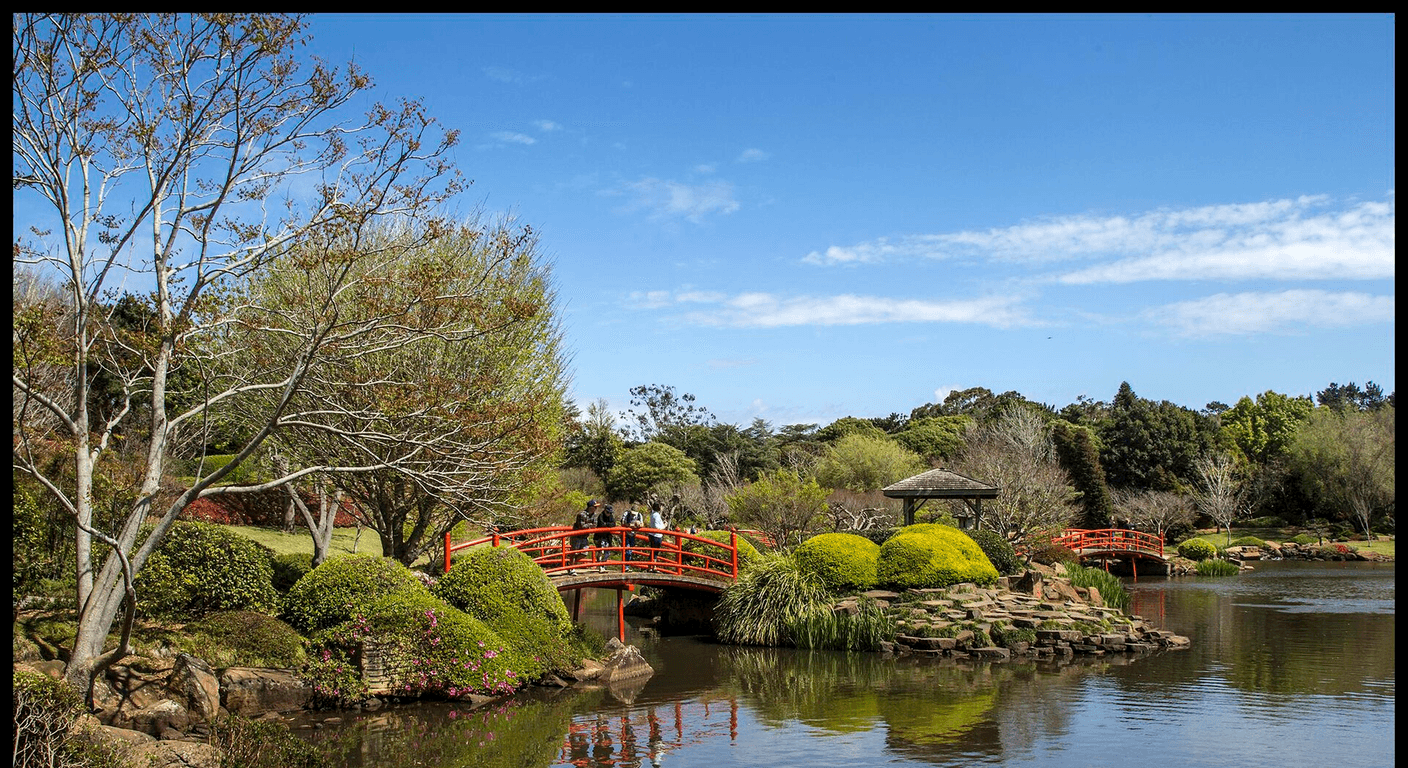
Queens Park is the anchor of any Toowoomba garden visit. The formal beds, heritage trees, and the adjoining Toowoomba City Botanic Gardens occupy a generous sweep of land in the eastern part of the city centre, and entry is free year-round. The paths through the main garden areas are paved and reasonably flat, which makes them accessible for most visitors, including those who use walking aids. During the Carnival of Flowers, the beds are planted to peak colour in September, and the park becomes the social heart of the festival.
The scale here is human and unhurried. There are benches placed at sensible intervals, which matters more than it sounds when you are spending a full morning on your feet. The rotunda and the heritage glasshouse give focal points for photographs, and the surrounding parkland provides enough shade to make a long visit comfortable even on a warm day. The botanic gardens section extends the experience for anyone who wants to go deeper into the planting — interpretive signage is present but not overwhelming.
A practical note: during Carnival of Flowers week, Queens Park draws significant crowds, particularly on weekends. Arriving before ten in the morning gives you the best of the light and the quietest paths. The park has accessible toilet facilities, which is worth confirming with Toowoomba Regional Council before you visit, as maintenance schedules can affect availability. Indicative time to allow: around two hours for a relaxed walk through the main areas, longer if the group enjoys sitting and watching the activity around them.
Laurel Bank Park: the quieter garden worth seeking out
Laurel Bank Park sits a short drive or a longer walk northwest of Queens Park, and it tends to draw a less crowded crowd than the main botanic precinct. The formal rose garden and the sunken garden are the centrepieces, and during spring they are as considered and well-maintained as anything you would find in a much larger city. Entry is free.
The paths here are also paved and largely flat, making them suitable for most mobility levels. The park is smaller than Queens Park, which means it is easier to cover thoroughly without fatigue. It is the kind of place where a group might linger over a thermos of tea on one of the park benches rather than moving quickly between attractions — and that is exactly what it suits. If the Carnival of Flowers program includes an event at Laurel Bank, it is worth checking the schedule in advance as it can draw crowds that change the character of the space.
For travellers who appreciate the social history of gardens as much as the planting itself, Laurel Bank has been part of Toowoomba's civic landscape for well over a century. The heritage oak collection in the broader park precinct gives a sense of how the city has always invested in green space as a public good — something that resonates when you consider that this is a regional city, not a capital.
The Carnival of Flowers: how to plan around it without being caught out
The Carnival of Flowers has been running annually in Toowoomba since 1949, which makes it one of the longest-running festivals in Queensland. It typically takes place over a week to ten days in September, but the exact dates shift from year to year and the full program is released by the organisers in the months leading up to the event. The official site at carnivalofflowers.com.au is the only reliable source for confirmed dates, ticketed event details, and the floral parade schedule — do not rely on dates from previous years.
For a group travelling from regional Victoria, the logistics require some forward planning. Toowoomba accommodation books up during festival week, particularly the central hotels and bed-and-breakfast properties within walking distance of Queens Park. Staying in Brisbane and day-tripping in is a practical alternative, though it means an early start to avoid the worst of the morning traffic on the highway. Some groups choose to arrive a day before the festival begins to get their bearings and secure a good parking spot for the main parade day.
The festival program typically includes free events — garden displays, street performers, open gardens in private properties — alongside ticketed concerts and dinners. The floral parade through the city centre is a centrepiece and is free to watch from the street, though popular viewing spots fill early. For those who find standing in crowds tiring, it is worth identifying a section of the route with seating or low fencing to lean against. Check the accessibility information on the official site, as the organisers have in recent years provided designated accessible viewing areas.
Toowoomba Regional Art Gallery: a genuinely good reason to step inside
The Toowoomba Regional Art Gallery is housed in a heritage building on Lindsay Street, a short walk from the main garden precinct. General admission to the permanent collection is free, which makes it an easy addition to a garden-focused day without requiring a separate budget decision. The gallery holds a regional and Australian collection of some depth, with particular strength in works connected to Queensland's landscape and cultural history.
For a group that includes people with varied interest in visual art, the gallery works well because it is not overwhelming in scale. An hour is enough to move through the permanent collection thoughtfully; two hours if there is a temporary exhibition that catches the group's interest. The building is air-conditioned, which makes it a sensible mid-afternoon retreat after a morning in the gardens. Check the gallery's website or contact them directly for current opening hours and any ticketed exhibitions — hours and temporary show schedules change.
Accessibility within the gallery is generally good, with lift access to different levels and flat internal surfaces. The heritage building's exterior steps have a ramped alternative — confirm the current entry arrangements with the gallery directly before your visit if mobility is a consideration for any member of your group.
Picnic Point Lookout: the view over the Lockyer Valley
Picnic Point Parklands sits on the escarpment at the southern edge of the city, and the lookout there gives an unobstructed view down the Range and across the Lockyer Valley below. On a clear day, the sense of scale is considerable — the valley floor is somewhere around 600 metres below, and the farmland stretches out in a patchwork that explains why this part of Queensland has always been important agricultural country. Entry to the parklands is free.
The main lookout platform is paved and accessible from the car park with minimal gradient, which makes it achievable for most visitors. There are also walking trails within the parklands for those who want more time on their feet, though the steeper trails are not suitable for anyone with significant knee or hip concerns. The barbecue and picnic facilities in the parklands are well-maintained and genuinely used by locals, which gives the place a lived-in quality that some of the more tourist-facing spots in Toowoomba lack.
Timing the visit to Picnic Point late in the afternoon, after the gardens and gallery, makes good sense. The light on the valley changes through the afternoon, and the escarpment catches the last of the sun in a way that is worth waiting for. There is a cafe within the parklands precinct — confirm current trading hours directly, as they are not always consistent. Allow at least 45 minutes here, more if the group is inclined to sit and absorb the view rather than photograph and move on.
Pacing the day: cafe stops, driving logistics, and practical notes for the group
A full Toowoomba day from Brisbane is best structured as: morning in the gardens (Queens Park and Laurel Bank), a proper sit-down cafe lunch in the city centre, the art gallery in the early afternoon, and Picnic Point as the final stop before the drive back. That sequence keeps the most physically active part of the day in the cooler morning hours and builds in natural rest points. Toowoomba's cafe and restaurant scene is more developed than many regional cities of its size — the area around Margaret Street and the Ruthven Street corridor has a range of options for a relaxed lunch.
Indicative costs for the day (excluding travel): lunch at a mid-range cafe is roughly $25–$40 per person, confirm current menu pricing directly. Parking in council car parks is generally low-cost or free for short periods — check current rates with Toowoomba Regional Council. Petrol costs for the Brisbane return drive will depend on your vehicle and the group's starting point in the city. The main gardens, gallery, and lookout are all free entry, which makes this a genuinely affordable day out.
For a group travelling together, it is worth having one person designated to check the day's driving and one person managing the garden program schedule, particularly during Carnival of Flowers when road closures for the parade can affect parking and movement around the city centre. Toowoomba Regional Council publishes traffic management information on their website ahead of major events. If anyone in the group has mobility limitations, contacting the Carnival of Flowers organisers directly about accessible viewing and parking options is worthwhile well before the trip.
Quick planning guide
| Ideal pace | Slow-paced, full day with built-in rest stops |
|---|---|
| Best months | September for the Carnival of Flowers; cooler than Brisbane year-round due to elevation |
| Suggested stay | A single full day trip from Brisbane |
| Mobility level | Easy — flat, paved paths at main gardens and the lookout, though some heritage footpaths are uneven |
| Cost level | Budget-friendly — gardens, gallery and lookout are all free entry |
| Comfort level | Comfortable — shaded parkland, benches, air-conditioned gallery and cooler tableland climate |
| Best for | Groups of older travellers who enjoy gardens, art and scenic views without a rushed itinerary |
| Main planning consideration | Confirm current Carnival of Flowers dates and book accommodation early, as festival timing shifts yearly and central lodging fills quickly |
Key takeaways
- Queens Park and Laurel Bank Park both offer free entry, paved accessible paths, and formal gardens that are at their best in September during the Carnival of Flowers.
- The Carnival of Flowers dates shift each year — always confirm the current program at carnivalofflowers.com.au before booking travel or accommodation.
- Toowoomba is roughly 90 minutes to two hours from Brisbane by car, and its elevated position means cooler, more comfortable temperatures than the coast in spring.
- The Toowoomba Regional Art Gallery offers free general admission and makes a sensible, unhurried mid-afternoon stop after a morning in the gardens.
- Picnic Point Lookout is free to enter and gives an accessible escarpment view over the Lockyer Valley — best visited in the late afternoon when the light changes on the valley floor.
- A logical day structure — gardens in the morning, cafe lunch, gallery, then lookout — suits the pacing needs of a group of older travellers and avoids the hottest part of the day on foot.
Recommended partners and links
Indicative prices only — always confirm with the operator before booking.
Frequently asked questions
When is the best time to visit Toowoomba's gardens?
September is the peak month for Toowoomba's gardens, coinciding with the Carnival of Flowers when the formal beds in Queens Park and Laurel Bank are planted to full colour. The festival runs for roughly a week to ten days, but exact dates change annually — check carnivalofflowers.com.au for the current year's program. Outside of September, the gardens are open year-round and worth visiting in spring and autumn for quieter conditions.
Is Toowoomba accessible for travellers with mobility limitations?
The main garden precincts — Queens Park and Laurel Bank Park — have paved, largely flat paths suitable for most visitors, including those using walking aids. The Toowoomba Regional Art Gallery has lift access and flat internal surfaces, with a ramped entry alternative to the heritage exterior steps — confirm current arrangements directly with the gallery. Picnic Point's main lookout platform is accessible from the car park with minimal gradient, though steeper walking trails in the parklands are not suitable for those with significant knee or hip concerns.
How do you get from Brisbane to Toowoomba for a day trip?
The most practical option for a group is to drive via the Warrego Highway, a journey of roughly 90 minutes to two hours depending on traffic and your starting point in Brisbane. Coach transfer options from Brisbane to Toowoomba are available through various operators — confirm current schedules and pricing directly, as services change seasonally. Toowoomba has flat central car parks near the main attractions, making it easy to park once and walk between gardens, the gallery, and the city centre.
Does Toowoomba's Carnival of Flowers cost money to attend?
Many elements of the Carnival of Flowers are free, including the floral parade through the city centre and the garden displays in Queens Park. Some events — concerts, dinners, and ticketed exhibitions — carry an admission charge, with indicative prices starting from around $20–$40 AUD for some events. Always confirm current pricing and the full program on the official Carnival of Flowers website, as the program and any ticketed event costs change each year.
What should a group of women travelling together prioritise in Toowoomba?
For a group focused on a comfortable, full day, the recommended sequence is Queens Park and Laurel Bank in the morning when it is cooler and less crowded, a sit-down cafe lunch in the city centre, the Toowoomba Regional Art Gallery in the early afternoon, and Picnic Point Lookout before the drive back. All four main attractions are free to enter, which keeps the day affordable. During Carnival of Flowers week, arriving at Queens Park before ten in the morning gives the best experience before the main crowds build.